

lace front wigs
The History of Lace Front Wigs and Wigs in General
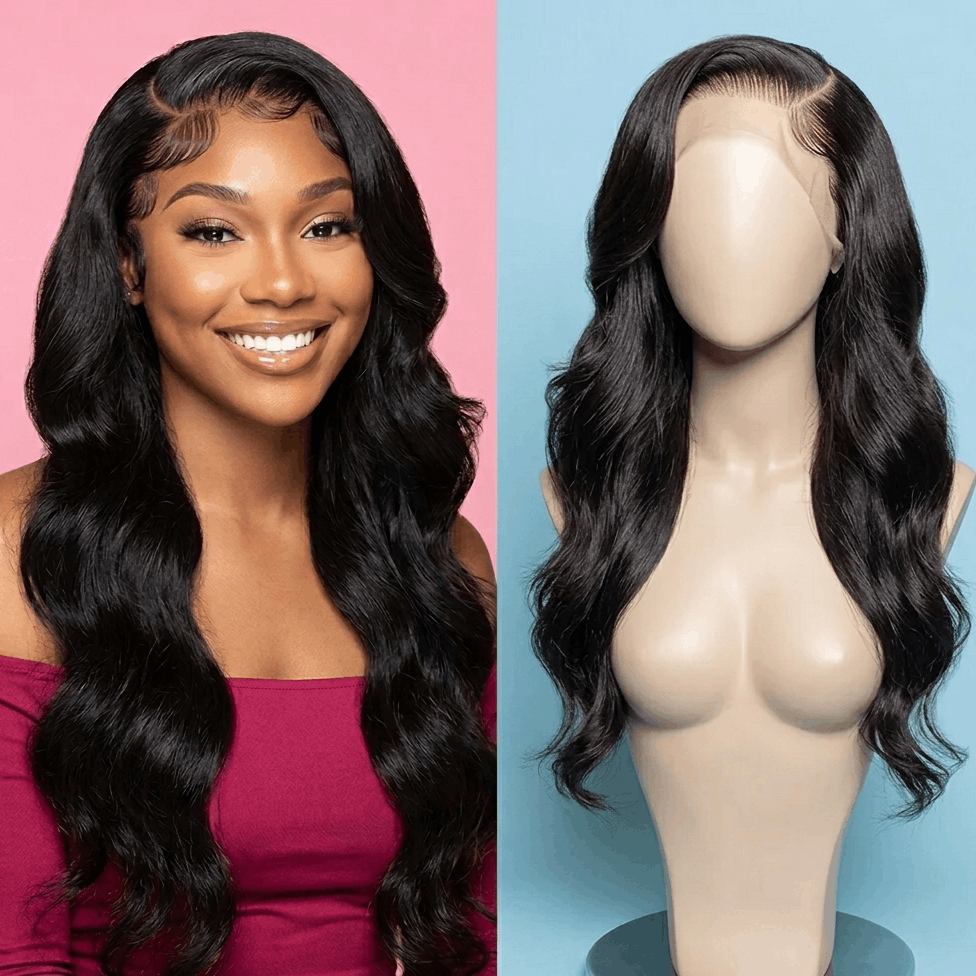
The 60-Second Answer:
Wigs have been used for thousands of years, starting in ancient Egypt for protection, beauty, and status. Many people ask who invented wigs, but no single person did. Early Egyptians, Greeks, and Romans helped shape wig history. Lace front wigs came later, giving people a natural hairline, flexible styling, and everyday confidence in modern beauty routines.
How Wigs Changed From Ancient Times To Today
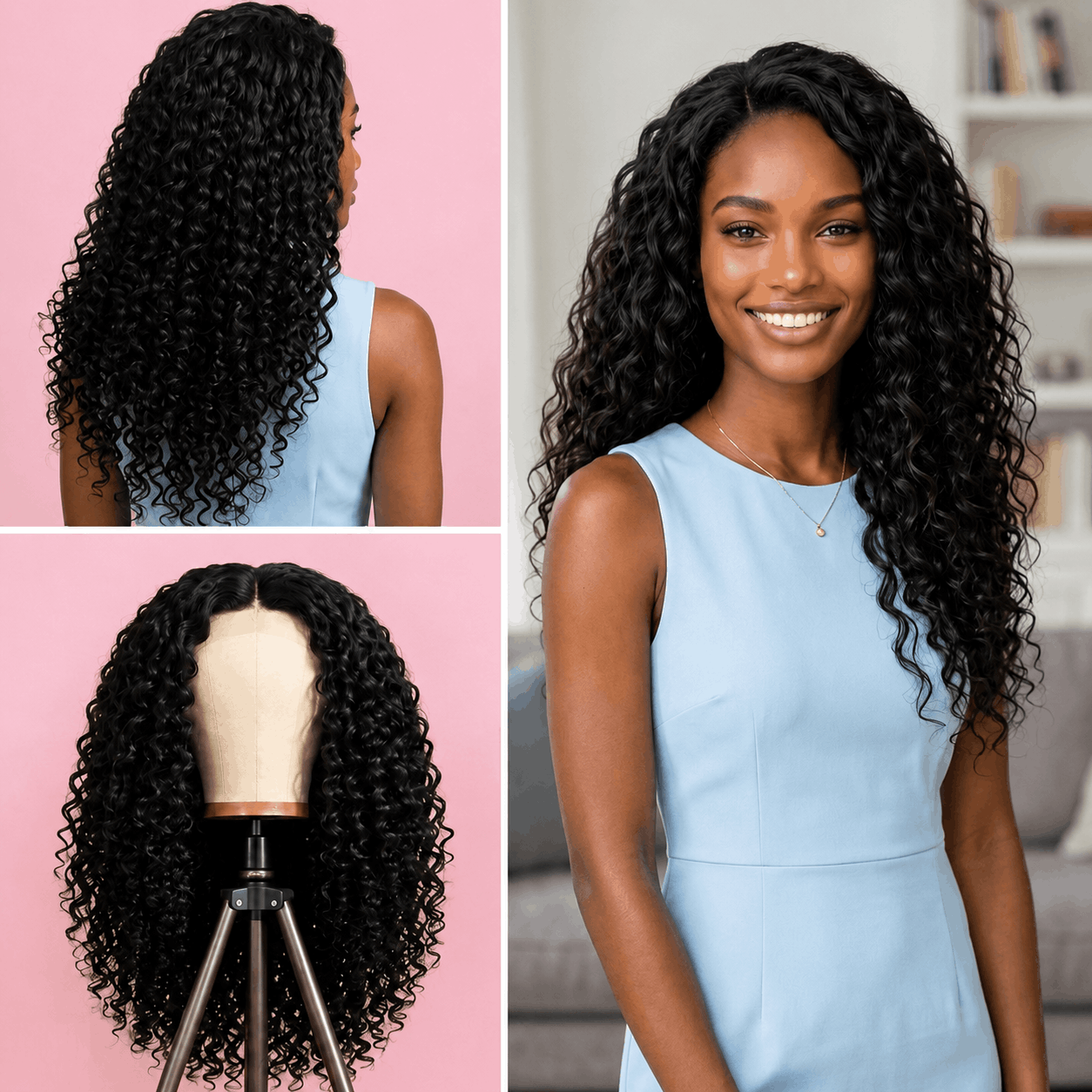
Wigs have been around for centuries, dating back to ancient Egypt. Back then, wigs were used to hide bald spots or enhance one’s beauty. Can you imagine what they were made of? Horsehair, wool, buffalo hair, and even feathers were all fair game. Fast forward to today, and wigs have come a long way.
Lace wigs, in particular, are a game-changer. A modern wig can provide instant length and volume while still looking natural. If you’ve ever watched an awards show like the Oscars, Grammy’s, or Emmy’s, you might have wondered how celebrities always have flawless hair. Well, the secret’s out – it’s often not their real hair! Lace wigs are the go-to for many celebs, offering a natural look that’s hard to beat. And the best part? You can get in on the action too, without worrying about any awkward wig combinations. With lace wigs, you can enjoy the most natural and high-quality beauty available. But what exactly is a lace wig and what is the history behind it? Let’s dive in!
ATTENTION: Turn Your Passion For Hair Into Profit ⬇️⬇️⬇️

Who Invented Wigs?
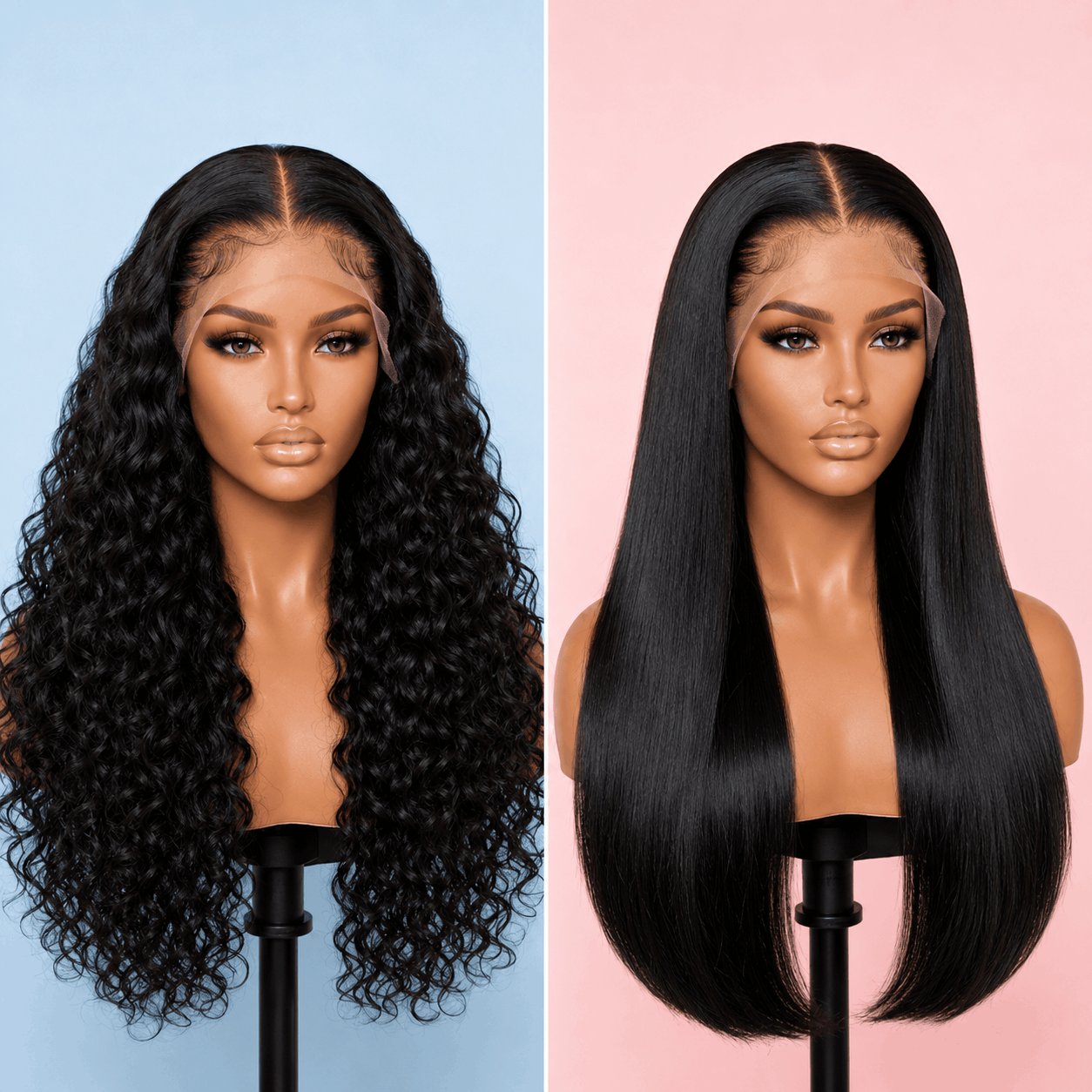
It is difficult to pinpoint exactly who invented wigs and when they first came into use. The earliest known example of a wig dates back to 3,000 BC, and the history of wigs stretches across many ancient civilizations. In Egyptian society, many people kept shaved heads and wore elaborate wigs made from human hair or sheep’s wool for protection from the sun and dust, and to help prevent head lice. Wigs were also popular in other cultures such as Greece, where they could hide a balding head, Rome, where roman women and others used them to signal status and profession, China, where their use dates back to the Spring and Autumn period, and India.
By the 16th century, wigs had become fashionable among European royalty and wealthy citizens. They were often made from horsehair and used to cover bald spots or enhance one’s appearance. Queen Elizabeth I was a major popularizer, using wigs to cover thinning hair. At this time, wigmakers began specializing in the craft of creating custom-made wigs for their clients.
In the 17th century, King Louis XIII helped popularize modern wigs in Europe, and King Louis XIV later made long periwigs with elaborate curls a court fashion. By 1673, the first independent wigmaker’s guide had been published. In the 18th century, men began to wear wigs in order to conform to social norms and demonstrate their wealth and status. Women also wore powdered wigs, but they were usually styled differently than those worn by men.
Today, wigs are still popular among people who suffer from hair loss due to medical reasons or simply want a change in hairstyle without damaging their natural hair. While it may not be known who exactly invented wigs, it is clear that they have been an important part of human culture for centuries.
Wigs In The Modern Era

Wigs have become increasingly popular in the modern era as a way to change your look without damaging your natural hair. From vibrant colors and unique styles, to classic cuts and natural-looking hairpieces, there is a wig for every occasion. Many celebrities even wear wigs on the red carpet as part of their fashion statement.
Modern wigs are typically made from synthetic hair or human hair; synthetic wigs are usually more affordable and lower-maintenance, while human-hair options offer a different feel and styling experience. They come in a variety of colors, textures, lengths, and styles to suit any taste. Wigs can be styled for everyday fashion or special occasions such as weddings or parties.
Wigs are also used by medical professionals to help patients who suffer from hair loss due to medical conditions or treatments like chemotherapy. In these cases, custom-made wigs can provide an invaluable solution for restoring confidence and self-image.
Whatever the purpose may be, wigs continue to be an important tool in helping people express themselves and feel more confident in their own skin.
Wigs In The Entertainment Industry: From Theater To Film

The entertainment industry has long embraced the use of wigs to create different looks and styles for characters in theater, film, and television. In theater, wigs have been used since ancient times to highlight a character’s social status or age. Similarly, they are now used on stage to create a variety of characters from historical figures to modern-day personalities.
In film, wigs can be used to change the look of an actor or actress in a matter of minutes. They are also often used as part of a costume design when creating a certain period or genre piece. This allows filmmakers to quickly and inexpensively create an authentic look that would otherwise require hours of time in hair and makeup.
In television, wig work is especially important for creating believable transformations between multiple roles for the same actor or actress. Wigs are also used to help actors age up or down for certain scenes and plot points without having to rely solely on makeup.
No matter the platform, wigs remain an indispensable tool for helping entertainers create unique looks that wow audiences around the world.
Wigs As A Fashion Trend: The Recent Revival

In recent years, wigs have experienced a major resurgence in the fashion world. This trend has been embraced by celebrities and style influencers alike, with figures like lady gaga using wigs to create bold looks and experiment with different hair colors and styles. From brightly colored synthetic options to more natural-looking human hair wigs, wig wearers now embrace modern lace wig types for added versatility when they want to change up their look.
The wig trend is also helping to break down beauty standards and empower people to express themselves through their style. This open attitude towards experimenting with different hairstyles has helped make wearing a wig an everyday part of many people’s beauty routines. Whether used as a protective measure or just for fun, wigs are quickly becoming a must-have accessory for anyone looking to make a statement with their look.
Lace Wig Definition:
A lace wig is a wig which is made up of human hair and is based on a lace cap. Unlike normal wigs which can be easily detected, lace front wigs can be positioned anywhere and still maintain a natural look.
The reason it looks so undetectable is because it appears as if it’s growing out of your scalp. It holds on to your skin and gives you endless options to experiment with your hair. Lace front wigs are made by hand tying hair, of the best quality, to a lace base. This high quality lace resembles the scalp and is made specifically to blend with one’s skin tone.
The advantages of choosing a lace wig instead of a classic wig are incomparable. First, a lace wig is lighter than a normal wig. You can swim and exercise while using a lace wig, and for many women this is one of the strongest points, considering we all want to look good no matter the situation at hand. In addition, a lace front wig is the greatest alternative for anyone who wants to avoid any surgical method to add hair onto the scalp. Second, it’s comfortable. It is convenient and looks natural, especially for people who have suffered hair loss due to cancer and alopecia. Lace wigs bring the same relief to burned-skin victims.
Unlike hair extensions, a lace wig will not cause damage to your hair or scalp. You can use curling irons and flat irons for even more styling options. You can wash it just as if you would wash your natural hair. With proper care, your lace front wig should last a period of three to twelve months. Now this is what I consider a smart investment in your looks and confidence!
Wealthy Hair Quality Standard
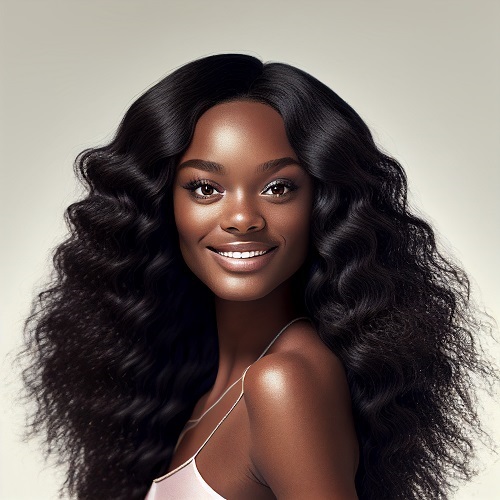
At Wealthy Hair, we source only the highest quality materials for hair extensions. Our ethical sourcing ensures that each wig is crafted from premium-grade human hair, and we uphold rigorous quality control measures to provide wigs that not only look great but feel comfortable and last longer.
Our hair extensions are designed with non-acid-washed processing, ensuring the hair maintains its integrity and provides a natural, healthy appearance. Each wig is carefully examined to ensure it meets our highest standards, offering you an exceptional product with unmatched durability and realism.
To know more about wigs and weaves, this article will guide you: Comparing Cost, Maintenance, And Style: Wig And Weave Difference.
Frequently Asked Questions
Who first started wearing wigs?
Ancient Egyptians were among the first to embrace wigs, using them for both practical and fashionable reasons. Early wigs could be made from palm leaf fibers as well as human hair, wool, and other materials, and they were believed to help protect the scalp from the sun’s harsh rays. They were also used to cover baldness or thinning hair, as well as indicate someone’s social status. Over time, wigs evolved into a fashion accessory, and in some ancient societies both wigs and daily styling practices became part of everyday life for men and women of all classes.
Who invented the wig cap?
The invention of the wig cap is credited to Georg Weissel, a German hairdresser who first developed a wig-making technique in 1714. As his method became more popular, he began applying an adhesive to the hairline and attaching a mesh cap over it. This allowed for a much better fit, which helped hold the style in place and prevented shedding. In the 19th century, a new wig making method began when lace became a suitable foundation material for making wigs, and artisans created a more natural looking wig by knotting a few strands into it with a small hook called a ventilating needle, a technique similar to chain stitch embroidery used in decorating fabric; later, machine production made lace affordable for wider use.
Why did people wear wigs in the 18th century?
In the 18th century, wigs were a popular fashion statement and sign of wealth. Wig-wearing was seen as a sign of sophistication, as it would help people appear more polished and put together. Powdered wigs were also popular amongst the elite, as they could be used to create an air of distinction and set them apart from the rest of society. Additionally, wigs were used to indicate one’s social standing, as they were often more expensive and higher-quality than regular hairstyles.
When did wigs go out of fashion?
Wigs fell out of fashion during the 19th century as natural hairstyles became more popular. With the industrial revolution came a more casual attitude towards fashion and beauty, which encouraged people to embrace their natural hair. This shift in attitudes meant that wearing a wig was no longer seen as fashionable or desirable, leading to its decline in popularity. As time went on, wigs became more associated with theatrical costumes and outlandish fashion statements rather than everyday wear.
Who introduced wigs to the western world?
In the 17th century, wigs spread across Western Europe through elite fashion: Queen Elizabeth I had already popularized them in 16th-century Europe to cover her thinning hair, and later the French court helped turn them into a wider trend that could also conceal a balding head. Wearing a wig was seen as a sign of sophistication and high-class status, which made it popular amongst those in positions of power. As wig-wearing became more accepted in society, it began to be adopted by people of all classes. This marked the start of wigs becoming an essential fashion accessory in the 18th century.
What is a lace front wig?
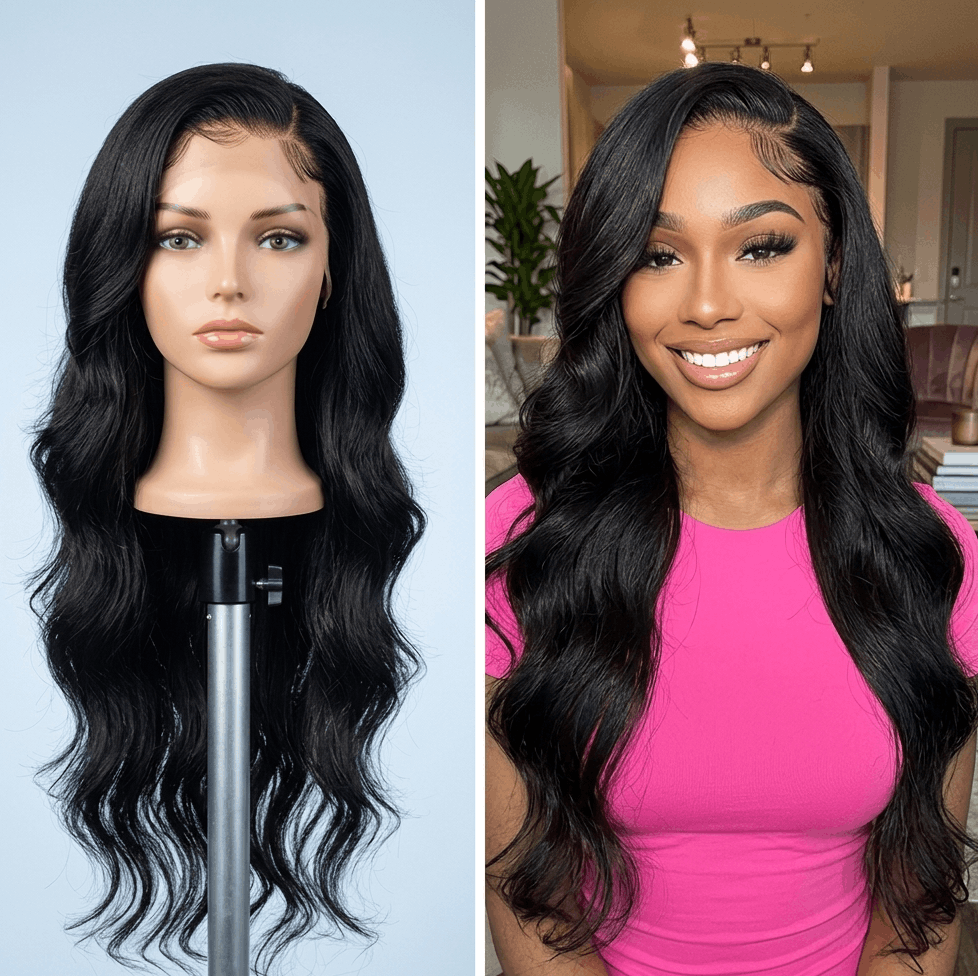
A lace front wig is a type of hairpiece or wig made from a delicate material known as lace. This material is typically made from various types of lace fabric, with the front lace portion placed along the hairline and the lace portion attaching to the skin to create a realistic hairline, and is then attached to a cap that fits snugly over the head.
The lace cap is usually designed with an intricate pattern of knots, which helps to create a natural-looking hairline and provides extra security for the wig. Flesh colored lace also helps create a natural looking wig, and the front can be secured with glue or tape for a tight bond; some styles also use baby hair to soften the edge. Lace wigs are often used to provide a more realistic look and feel than other types of wigs, and lace front wigs can sometimes be worn for weeks with proper care.
What are the advantages of wearing lace wigs?
One of the major advantages to wearing a lace front wig is the natural look it provides, which is why high quality wigs are prized for creating a more realistic finish. Unlike other types of wigs, a lace front wig is designed with an intricate pattern of knots that help create a realistic and natural-looking hairline.
This type of wig also allows for more flexibility when styling and creating various looks, while full lace wigs offer even more freedom for updos. Some designs were created allowing wig wearers to wear undetectable ponytail styles more easily. For example, you can choose to part your hair in different ways or create different styles with the lace front. Another benefit to wearing a lace front wig is the added security it provides. The intricate pattern of knots on the cap helps keep the wig securely in place, even during physical activities or windy days.
Can wearing wigs damage my natural hair?
Wearing wigs can be a great way to protect your natural hair and switch up your look without making any permanent changes. However, if not done properly, wearing wigs could potentially damage your natural hair.
To avoid damage, it’s important to choose wigs that are made with high-quality materials and are the correct size for your head. Wigs that are too tight or too heavy can cause tension on your scalp, leading to hair breakage and even hair loss.
Can I swim in a wig made of human hair?
While it’s generally not recommended to wear any type of wig in water, a person wearing a human-hair wig should be especially careful because chlorine and soaking can cause damage, while synthetic options have different care limits. Human hair wigs can become dry, brittle, and tangled after prolonged exposure to water, which can lead to permanent damage. Some women wear wigs for convenience and styling versatility, including getting ready for special events or a photo-ready look.
Trying to decide between a wig vs weave? This article will help you choose the right weave or wig for your hair needs: What Is The Difference Between A Lace Front Wig and Hair Weave.
To learn more about the installation and styling of wigs, check out this guide: Installing Hair Made Simple: A Beginner’s Guide.

