

Wealthy Hair Guides
Density Wig Guide For A Fuller Natural Looking Hairstyle
The 60-Second Answer
A density wig is chosen by how full you want your wig to look on your head. Wig density measures hair volume, not hair quality. For a natural look, 120% to 150% density is best. For longer, fuller, or glam hairstyles, 180% density gives more body without looking too bulky.
What Is Wig Density?
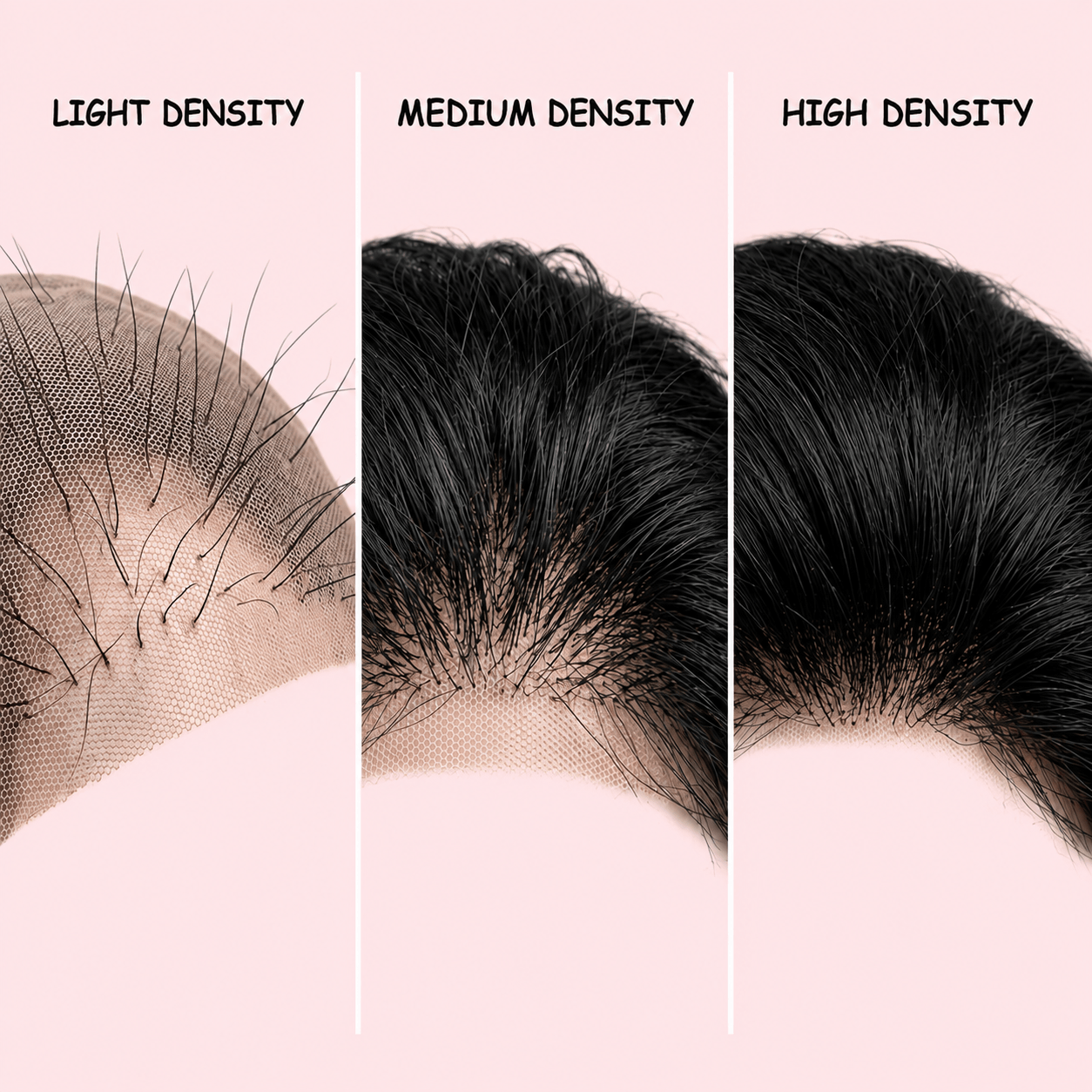
Wig density means how much hair is added to the wig cap. In other words, hair density refers to the amount of hair present on the cap, not the thickness of each strand. A density wig can look natural, medium-full, or very full based on the amount of hair used.
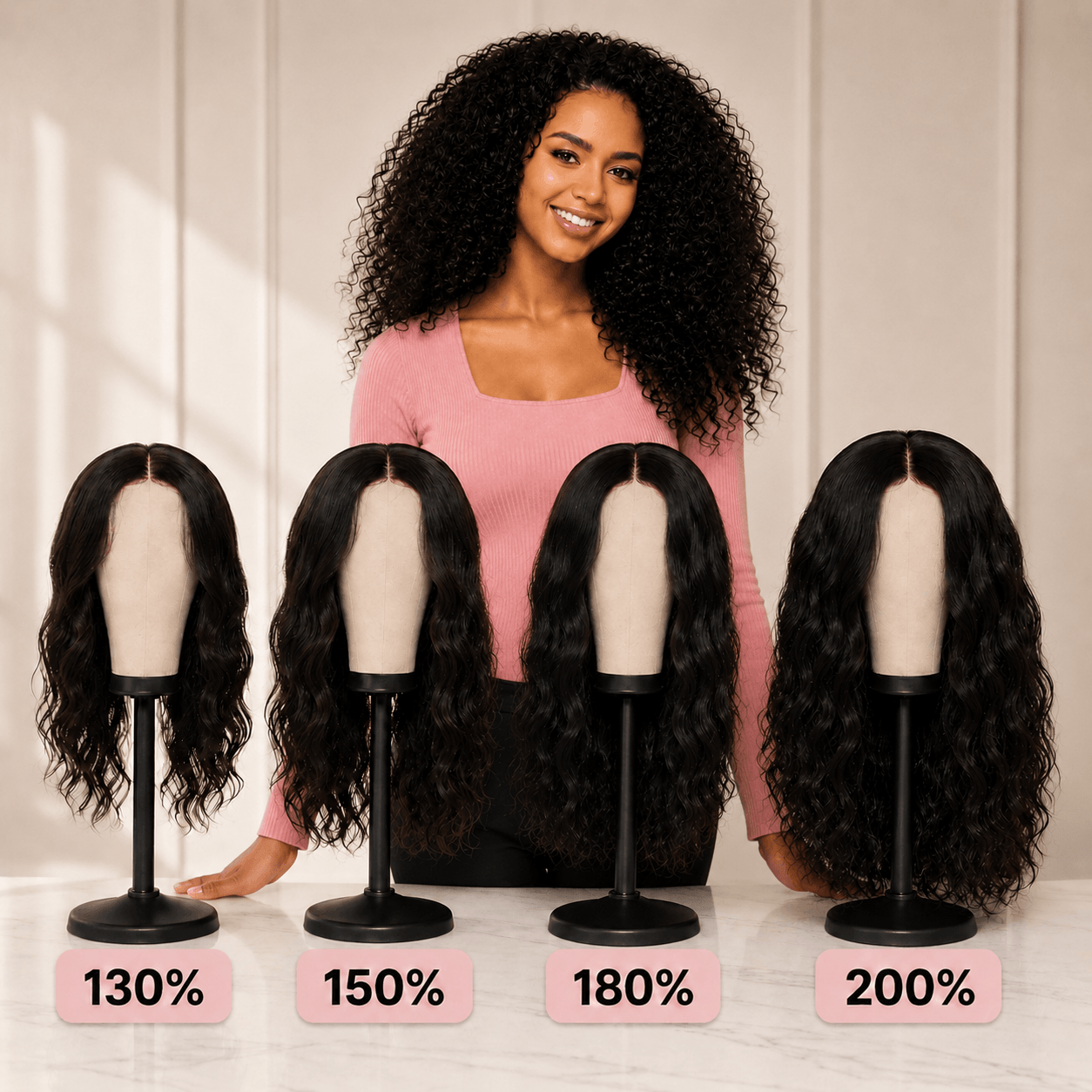
Wig density is usually shown as a percentage. These density percentages are the standard way different wig densities are measured. Common wig densities range from 80% to 200% and sometimes higher. The higher the number, the fuller and thicker the wig appears.
For the most natural result, the density should match your real hair goals. The most realistic range is the standard hair density, or natural density, of about 100% to 120% on the average human head. If your natural hair is fine or medium, a very heavy wig may look too bulky. If you love big curls, long waves, or glam styling, a higher density may give a better shape.
Density Is Not Hair Quality
Wig density and hair quality are not the same thing. Density tells you how much hair is added to the cap, while hair thickness describes the width of each individual strand. Hair quality tells you how soft, smooth, strong, and natural the hair feels.
A 180 density wig made with poor hair can still tangle, shed, or look dry. A 150 density wig made with premium human hair can look soft, full, and natural, and even with the same density, wigs can look different depending on strand quality and thickness. Quality human hair helps the wig move more naturally.
A natural-looking wig should balance fullness and movement. The hairline should not look too heavy or bulky. Pre-plucked lace, soft baby hairs, and proper hairline customization help reduce the thick hairline effect.
Density Changes Wig Movement
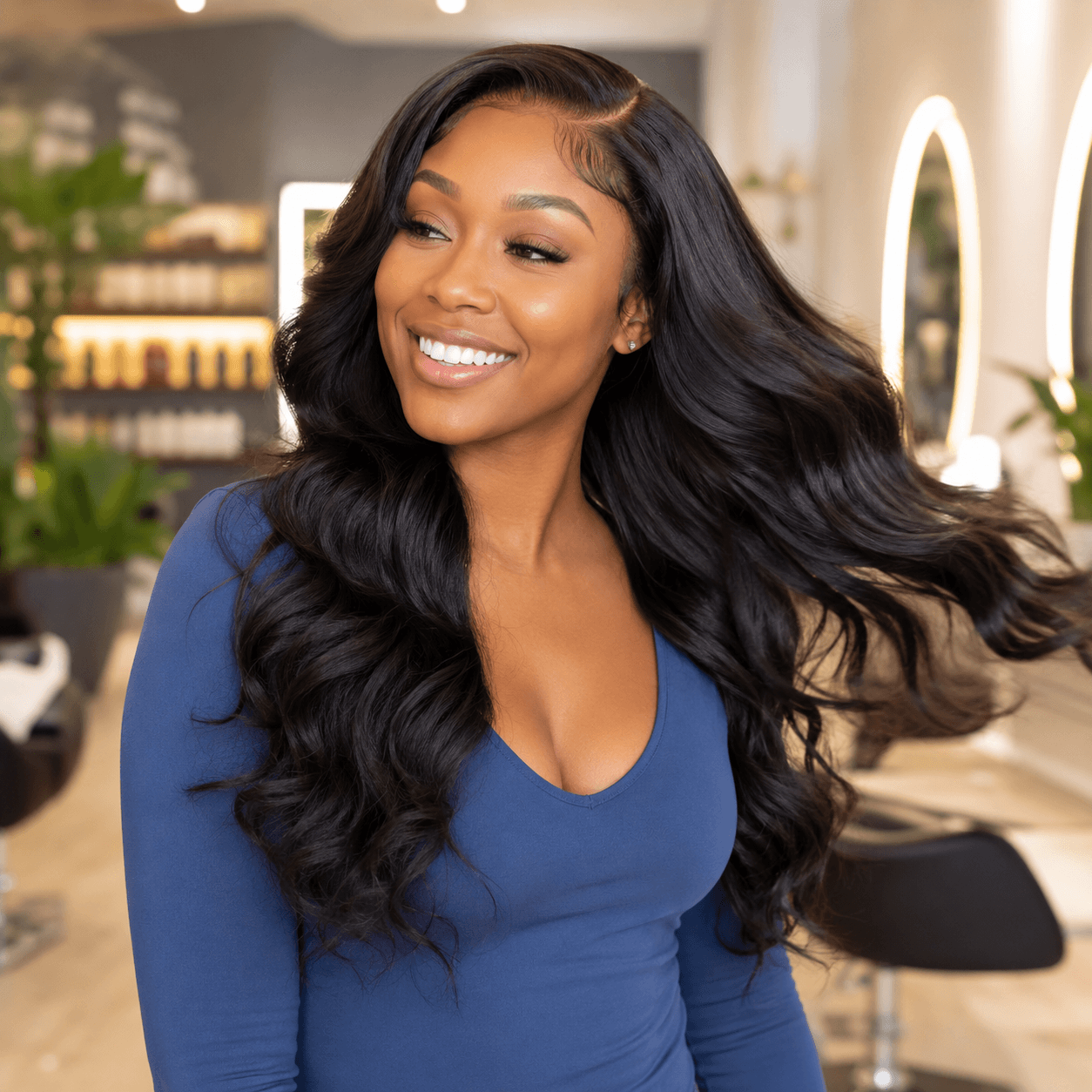
Density affects how the wig moves when you walk, brush, curl, or style it. Matching density to your natural hair helps the wig move more naturally and reduces discomfort or obvious bulk. A lower density wig moves more freely because there is less hair on the cap. A higher density wig gives more volume but can feel heavier.
From a stylist’s point of view, density should be chosen based on the final hairstyle, since different hair lengths and textures can change how the same density moves and looks. Sleek and straight styles often need lower density to avoid bulkiness. Wavy, curly, deep wave, and kinky curly styles often need more density to keep their shape.
Wig Density Chart For Natural Styles
Length Guides Density Choice
The longer the wig, the more density you may need. Long hair can look thinner near the ends because the hair stretches over more length, and different hair lengths can change how full the same density looks. For long lengths, slightly higher density can help the ends look fuller.
| Wig Length | Recommended Density | Best Look | Why It Works |
|---|---|---|---|
| 12 To 14 Inches | 120% Or 130% | Natural, light, easy | Shorter wigs do not need as much hair to look full, so 120% or 130% gives a natural or medium finish. |
| 16 To 20 Inches | 150% Or 180% | Natural-full, soft glam | Medium lengths need more hair for body and movement. |
| 22 To 24 Inches | 180% | Fuller, longer style | Longer hair needs more density so the ends do not look thin. |
| 26 To 30 Inches | 180% To 200% | Extra full, glam | Higher density supports long styles, but 200% is less common. |
| 30 Inches And Longer | 200% Or Higher | Very full, artist style | This is usually for bold styling, photo shoots, or professional artists. |
At the low end, 80% to 90% is classified as extra light hair density and extra light density wigs, a light density texture best for very fine, subtle looks.
Best Density Wig By Style And Texture
Straight Styles Need Less Bulk
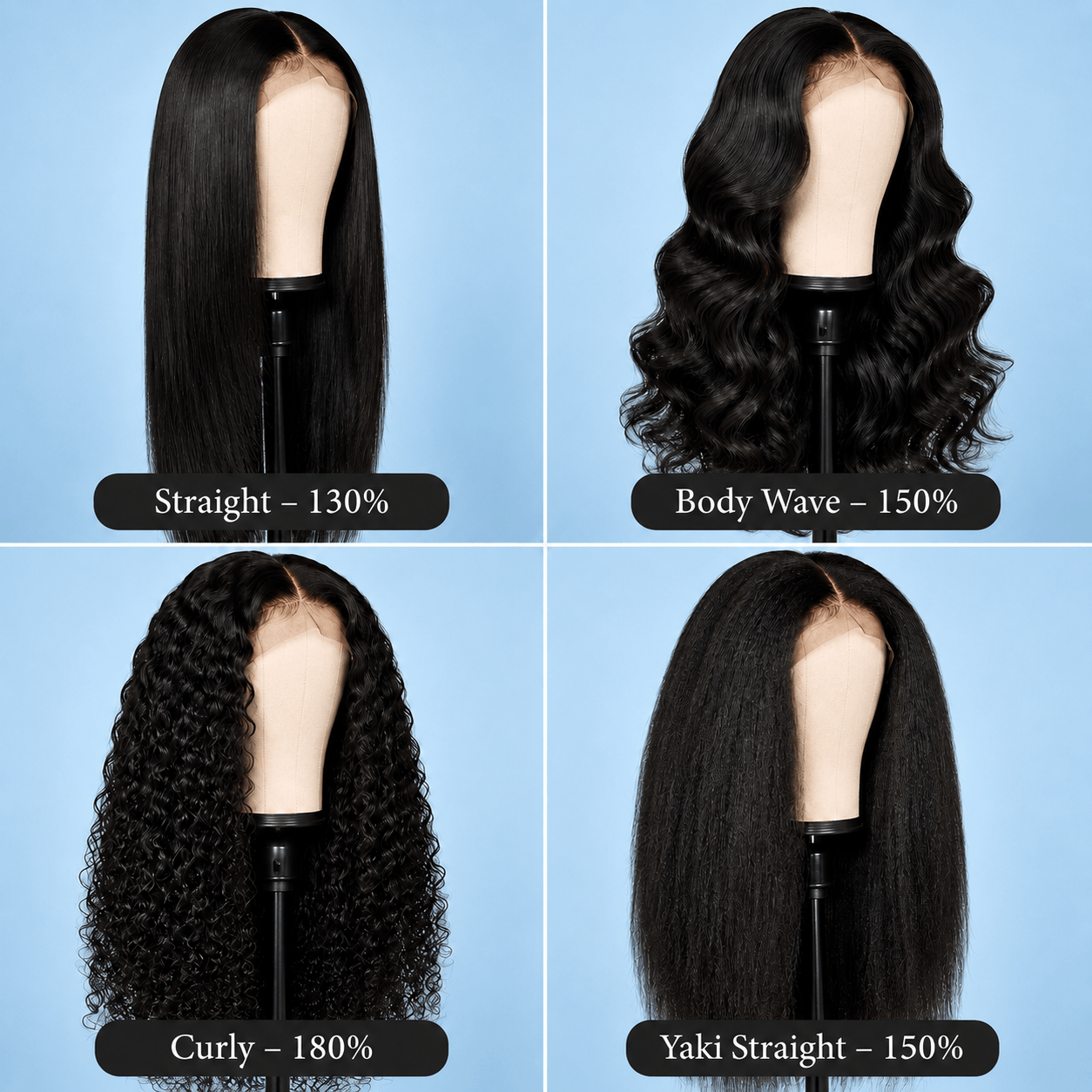
Straight wigs can look heavy if the density is too high. Sleek and straight styles often look best in light density or medium density wigs, since too much hair can reduce a natural appearance. A 120% to 150% density wig is usually enough for a natural straight style.
Yaki straight wigs can handle a little more fullness because the texture already mimics relaxed natural hair. On lace wigs with straight textures, balanced density at the hairline helps keep the finish natural. A yaki straight wig at 150% density can look natural and full. For longer yaki styles, 180% may help the ends look thicker.
Waves Need Medium Fullness
Body wave wigs and deep wave wigs often look best with medium to higher density, since wavy hairstyles and curvy and wavy hairstyles usually need more fullness to maintain shape and volume. Waves need enough hair to hold the pattern and create bounce, which is why different hair densities matter more in wave patterns than in very straight styles. A 150% density wig gives soft body, while 180% gives fuller glam.
For 16 to 20 inches, 150% or 180% density is recommended. For 22 to 24 inches, 180% density is ideal. This helps the waves stay full from root to end.
Curls Need More Support
Curly wigs, kinky curly wigs, and deep wave wigs often need more density than straight wigs. Curls shrink, expand, and take up space in a different way, so choosing a particular hair density matters because the pattern contracts and needs more hair to maintain fullness. Higher density helps curly and wavy styles keep volume after washing and styling.
For fuller hairstyles, 180% density can provide more volume. heavy density wigs can help clients embrace opulent hairstyles, especially in very long curly looks, but they are usually heavier for daily wear. Proper detangling is important to preserve curl shape and prevent shedding.
Longer Wigs Need More Density
Longer wigs can look thin at the ends if the density is too low. This is why higher density wigs suit longer hair lengths better. A 180 density wig is often a strong choice for 22 to 24 inches.
For 26 to 30 inches, 200% density is rare and is usually reserved for professional artists or very bold styling rather than everyday wear. Very long lengths may also need different densities to keep the ends from looking sparse while preserving movement. The wig should still move naturally and not feel too heavy.
The Wealthy Hair Quality Standard
Wealthy Hair recommends choosing premium human hair wigs for a softer, more natural finish. In a well-made lace wig, balanced density supports a natural appearance without sacrificing soft movement. A quality density wig should have balanced fullness, soft movement, a natural-looking hairline, and hair that feels smooth from root to end.
The Wealthy Hair quality standard focuses on hair that looks beautiful, feels soft, and supports long-term wear with proper care. This includes checking texture, strand feel, luster, weft placement, cap comfort, lace appearance, and overall movement, while making sure fullness is distributed evenly across wig caps for better comfort.
Sourcing ethics also matter. High-quality hair should be handled with respect, sorted with care, and checked for consistency, with hair strands placed consistently so fullness looks even from root to end. Donor integrity, non-acid-washed processing, and careful quality control help protect the natural feel of the hair.
People Also Ask
What Is Wig Density?
Wig density is the amount of hair added to a wig cap. In other words, hair density refers to the amount of hair present on the wig cap, which is a key part of understanding wig density. It affects strand distribution, volume, weight, and how full the wig looks on the head. Wealthy Hair recommends choosing density based on your natural hair goals, lifestyle, and comfort.
What Does Density Mean In Wigs?
Density in wigs means how thick or full the wig appears when worn. It is different from hair thickness, which refers to the width of each individual strand. The percentage shows how much hair is used across the cap, hairline, crown, sides, and back. Wealthy Hair recommends a balanced density that looks full without making the hairline bulky.
How To Choose The Right Wig Density
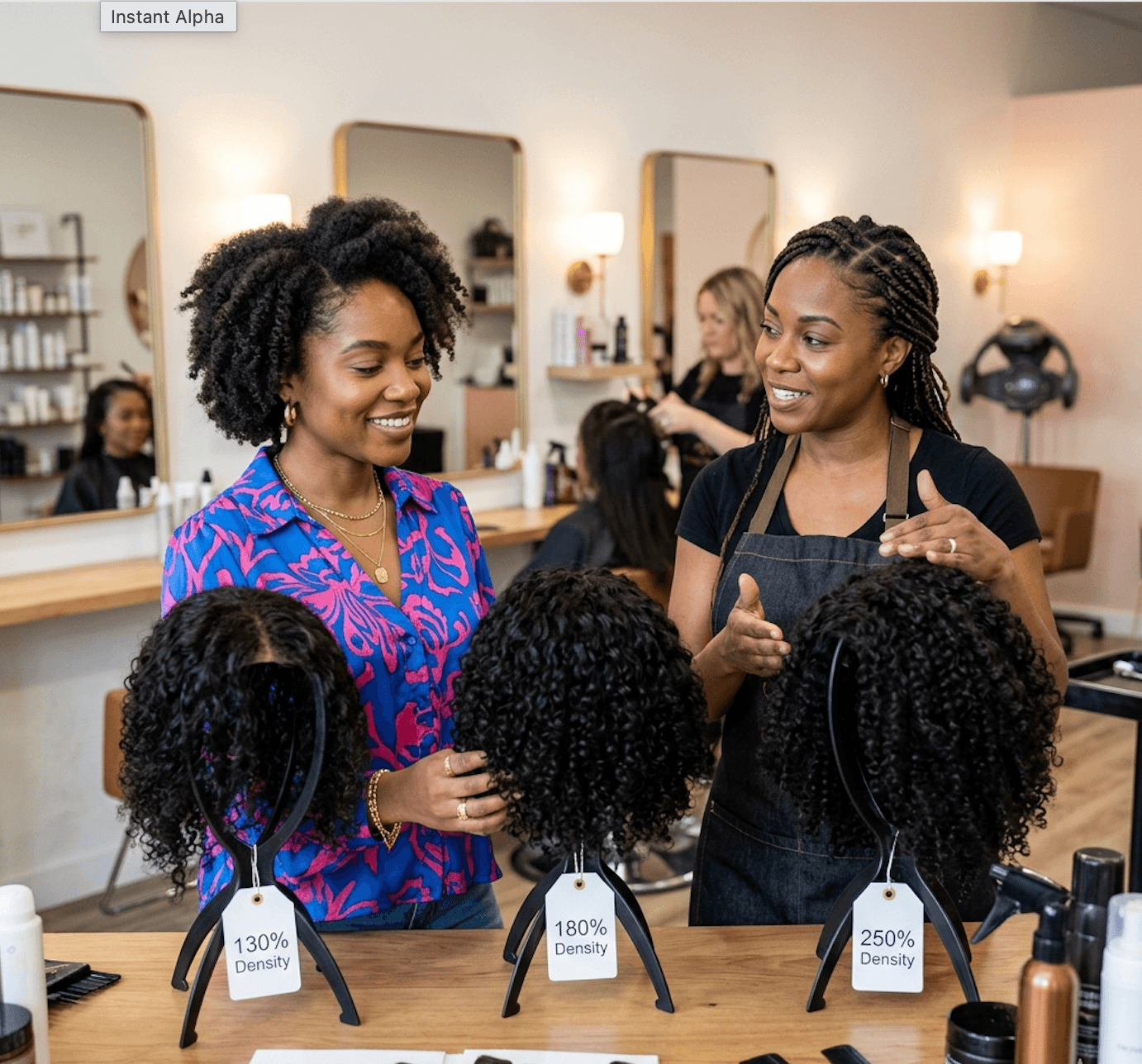
Choose the right wig density for your next wig by matching it to your natural hair density, style, and comfort needs. Choosing the same density as your own head of hair often gives the most realistic result. Longer, wavy, and curly styles often need more density because they need extra hair to hold volume. Wealthy Hair recommends 120% to 150% for natural everyday wear and 180% for fuller styles.
What Is The Best Wig Density For A Natural Look?
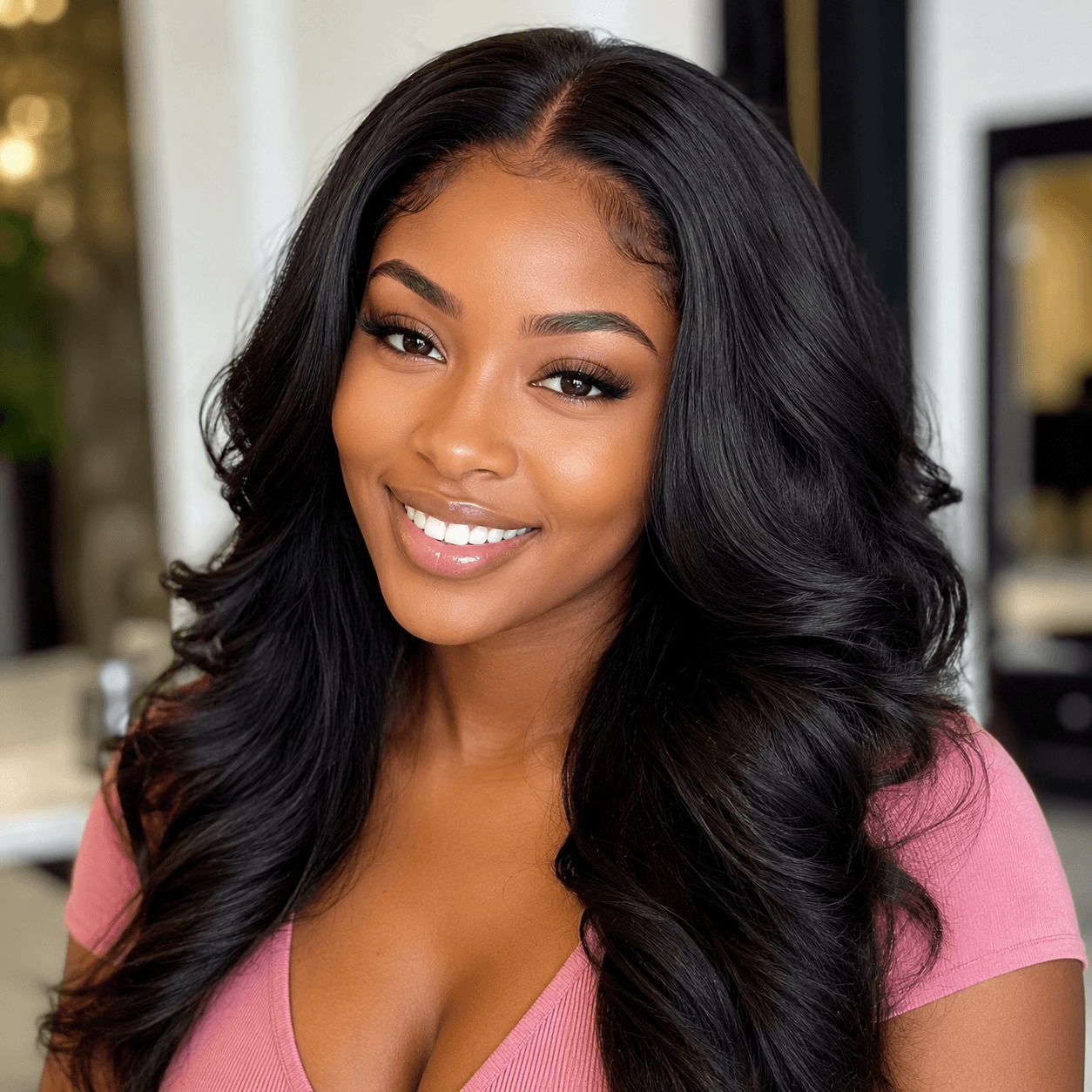
The best wig density for a natural look is usually 120% to 150%, with the most realistic option often being standard hair density or natural density at around 120% on the average human head. These densities mimic average natural hair and keep the wig from looking too thick at the hairline. Wealthy Hair recommends medium density for beginners who want a realistic and easy-to-style wig.
What Wig Density Looks The Most Natural?
A 120% density wig usually looks the most natural for light to medium fullness, since it often reflects the regular hair density found on the human head and creates a more natural appearance. It creates a softer scalp illusion because the hair is not overly packed on the cap. Wealthy Hair recommends 120% or 150% density when the goal is a natural looking wig for daily wear.
Is 150 Density Good For Wigs?
Yes, 150 density is good for wigs because it gives natural fullness without too much weight. It is considered medium to full density and works well for lace front wigs, glueless wigs, and everyday styles. Wealthy Hair recommends 150% density for customers who want body, movement, and comfort.
Is 180 Density Good For Wigs?
Yes, 180 density is good for wigs if you want a fuller and thicker hairstyle. It gives more volume, better styling options, and fuller ends on longer wigs. Wealthy Hair recommends 180% density for longer lengths, waves, curls, and fuller glam looks.
What Density Wig Should I Buy?
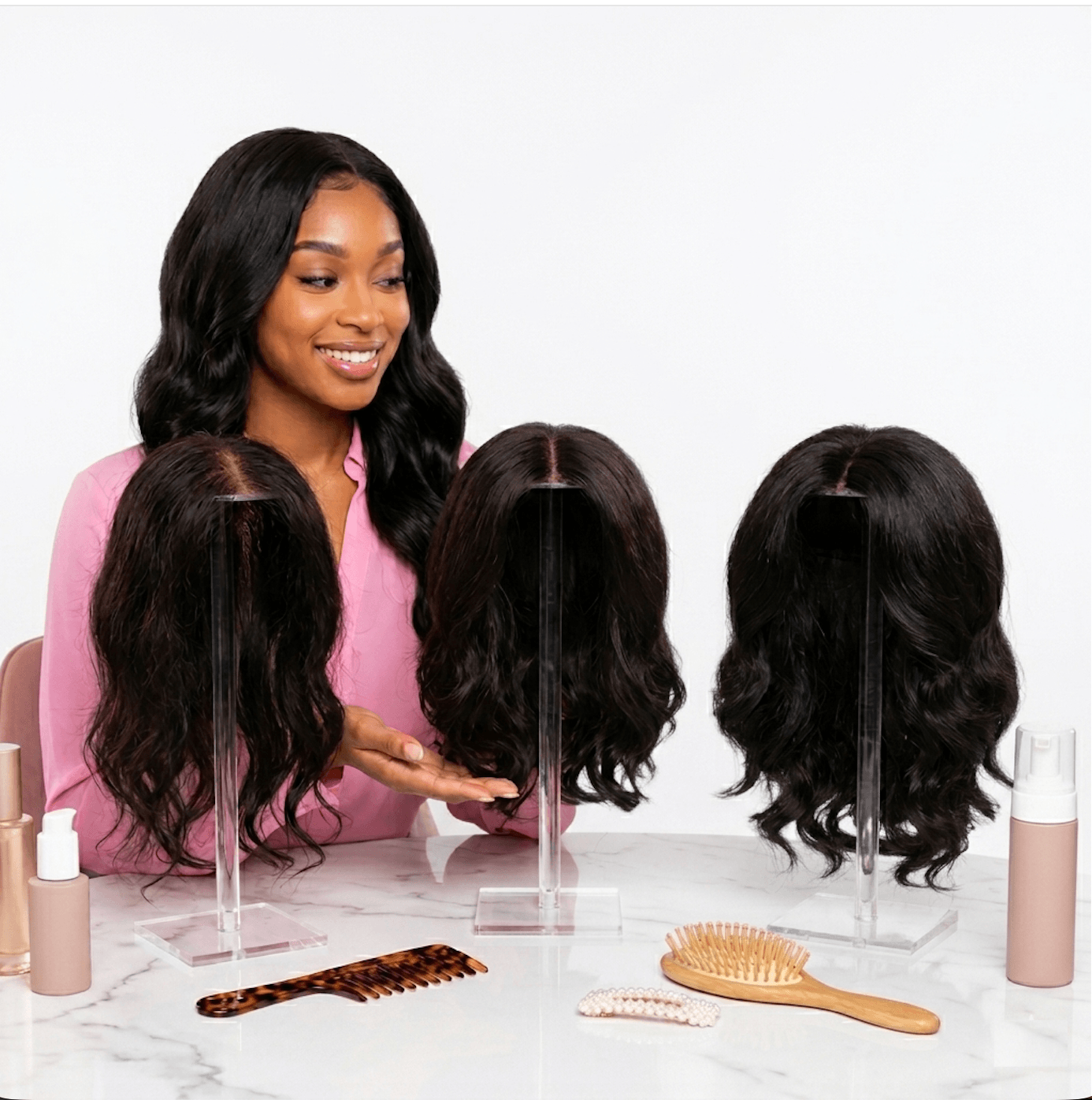
You should buy a density wig that matches your natural hair look, styling goal, and comfort level: buy natural density wigs when everyday realism is the priority, and choose fuller densities when you want more volume. Low density feels lighter, medium density looks more natural, and high density gives more volume. Natural density wigs are often the easiest starting point for most shoppers. Wealthy Hair recommends 150% density for most beginners and 180% density for fuller hairstyles.
What Is A Full Density Wig?
A full density wig usually means a wig with 180% density or higher. This density gives thicker hair, more crown volume, and a fuller style from root to end. Wealthy Hair recommends full density wigs for long lengths, curls, waves, and bold styles.
What Is A Low Density Wig?
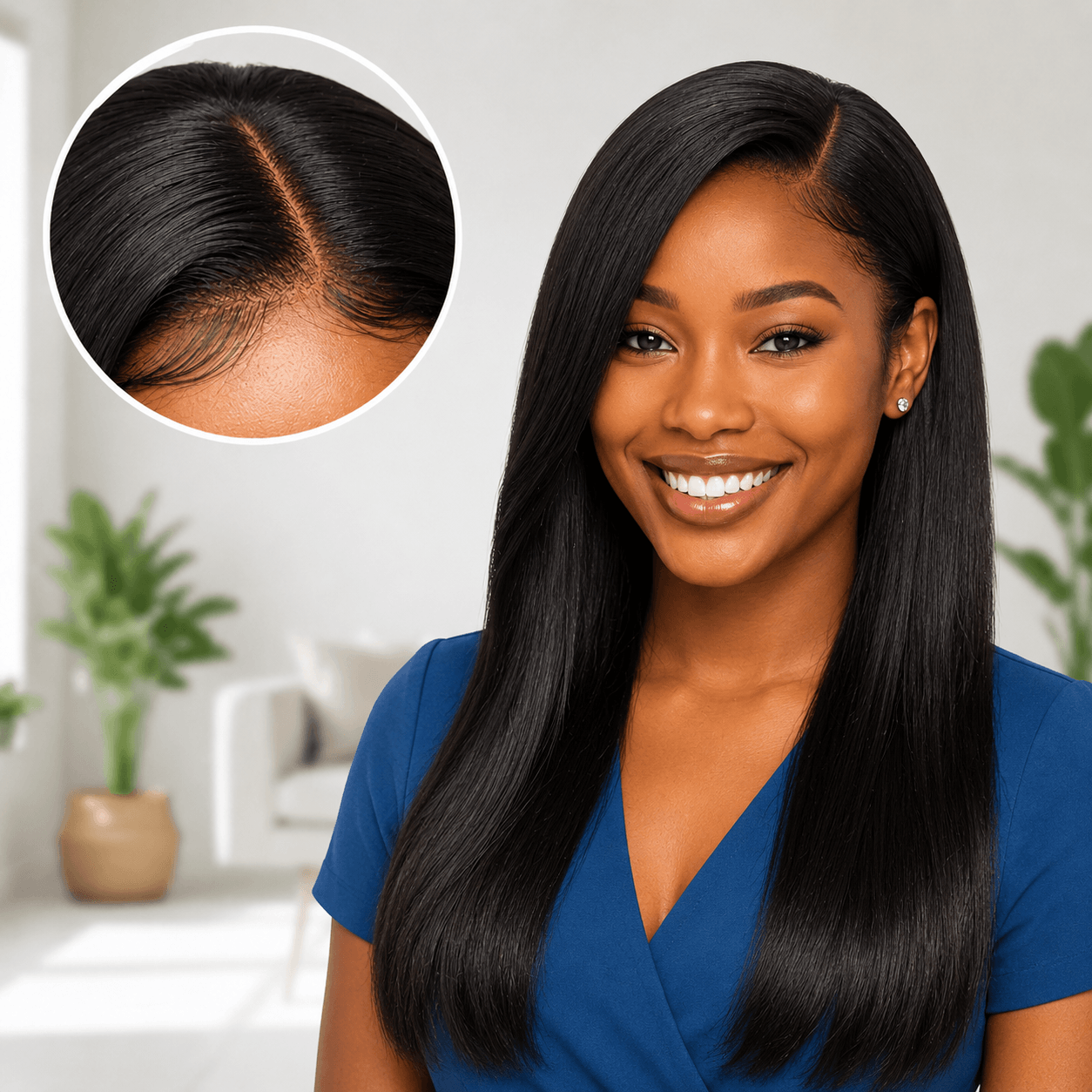
A low density wig has less hair on the cap and looks lighter on the head. It is often 80% to 120% density, with 80% to 90% falling into low density hair or extra light density territory for very fine, age realistic looks, and it works best for soft, natural, or fine-hair styles. Wealthy Hair recommends light products and gentle styling to keep low-density wigs from looking flat.
What Is A High Density Wig?
A high density wig has more hair on the cap and creates a thicker appearance. It is usually 180%, 200%, or higher and gives more styling options. Wealthy Hair recommends high density wigs for fuller hairstyles, longer lengths, and glam looks.
What Wig Density Is Best For Beginners?
The best wig density for beginners is usually 150% density. It gives enough fullness to style while staying lighter and easier to manage than very high density wigs. Wealthy Hair recommends medium density because it is simple, natural, and comfortable for daily wear.
How Does Wig Density Affect Styling?
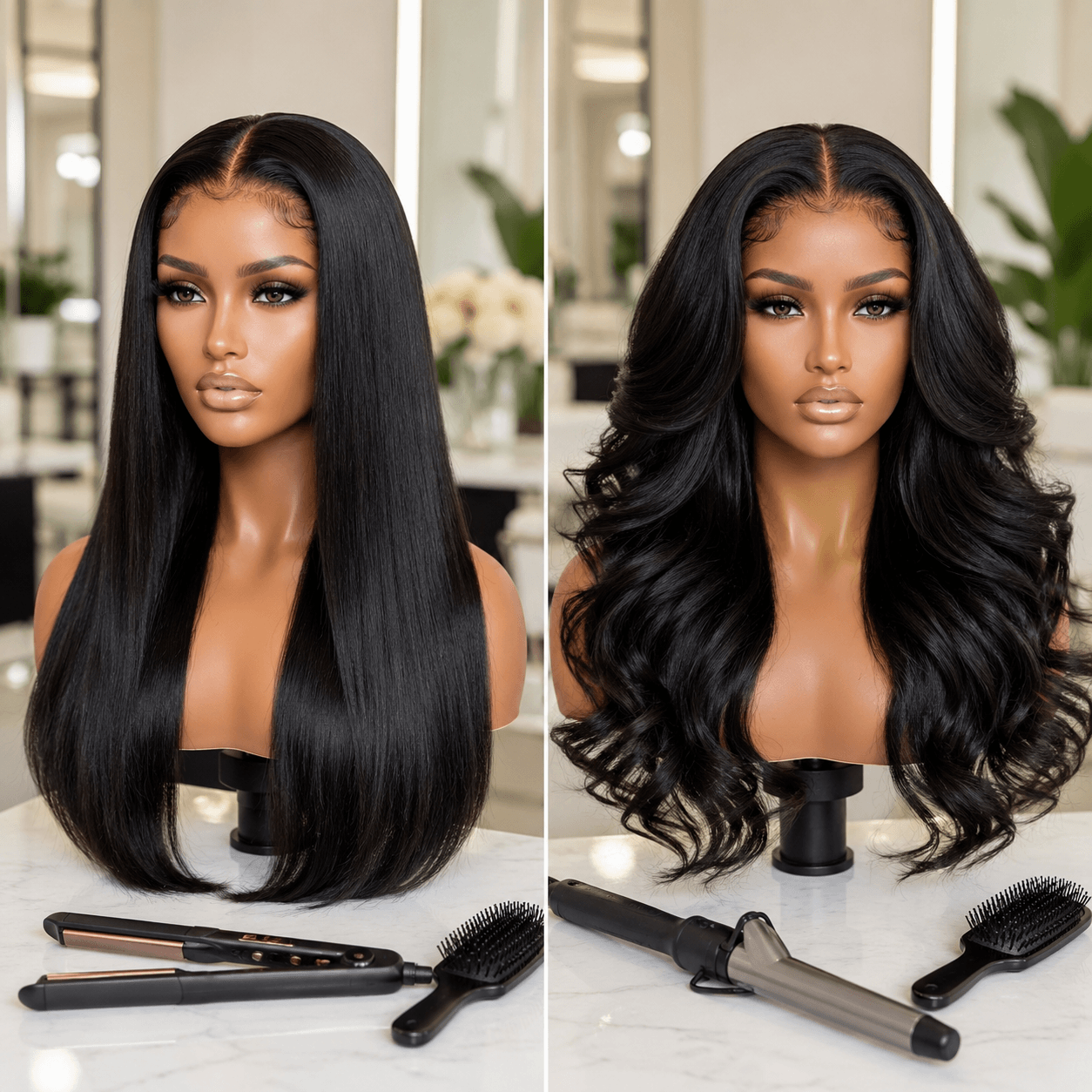
Wig density affects how much volume, shape, hold, and styling range a look can have, and different hair densities can change how straight, wavy, and curly styles fall. Higher density gives more hair for curls, waves, updos, and fuller looks, while lower density works better for sleek styles. Wealthy Hair recommends matching density to the hairstyle you plan to wear most often, and full lace wigs can add more styling flexibility when paired with the right density.
How Does Wig Density Affect Comfort?
Wig density affects comfort because more hair adds more weight to the cap, and fuller wig caps can feel warmer or heavier if the density is too high for daily wear. Higher density can also hold more heat, especially during long wear or warm weather. Wealthy Hair recommends a breathable cap and balanced density for comfortable everyday styling.
Is Higher Wig Density Better?
Higher wig density is not always better. It gives more volume and styling options, but it can also feel heavier and look less natural if the hairline is too thick. Wealthy Hair recommends choosing density based on your face shape, hair texture, and comfort needs.
What Density Works Best For A Short 12 To 14 Inch Wig?
For 12 to 14 inches, use 120% or 130% density. These shorter lengths do not need too much extra fullness because the wig cap appears fuller when the hair is not very long. Wealthy Hair recommends this range for a soft, realistic look, especially if you prefer a natural everyday style.
Can 12 To 14 Inch Wigs Look Too Thick?
Yes, 12 to 14 inch wigs can look too thick if the density is too high. Since shorter hair has less length to spread out, the wig cap appears fuller faster than longer wigs. Wealthy Hair recommends 120% or 130% density to keep the style lightweight, balanced, and natural-looking.
Should Naturally Thin Hair Choose A Lower Wig Density?
Yes, naturally thin hair often looks more realistic with 120% or 130% density, especially in 12 to 14 inch wigs. This helps the wig blend with your natural fullness without looking bulky. Wealthy Hair recommends choosing a density that matches your usual hair volume so the finished style feels believable.
Why Does Wig Length Matter When Choosing Density?
Wig length matters because shorter wigs often look fuller with less hair, while longer wigs may need more density for balanced ends. For 12 to 14 inches, use 120% or 130% density. Wealthy Hair recommends learning how length and fullness work together to better understand wig density before buying.
Is 150% Density Too Full For Short Wigs?
Wigs with 150% density are considered medium to heavy density. On short 12 to 14 inch wigs, 150% can create a fuller look, but it may feel thicker than needed for a soft everyday style. Wealthy Hair recommends 120% or 130% for a more natural short wig appearance.

