

Wealthy Hair Guides
Where Do Human Hair Extensions Come From?

The 60-Second Answer
Human hair extensions are sourced from people who donate their hair, often in countries like India and China. The hair is carefully collected and cleaned to be made into extensions or wigs. The best quality hair is usually “Remy” hair, where the strands are aligned in the same direction to prevent tangling.
What Are Human Hair Extensions?
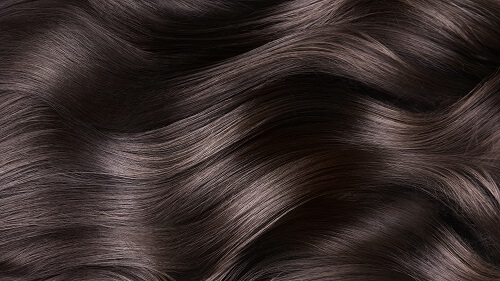
Human hair extensions are made from real human hair and are used to add length or volume to your own natural hair. They come in many different styles and textures, making it easy to find a set that matches your exact shade and style.
The biggest advantage of using human hair over synthetic hair is the quality of the results. Because these extensions are made from real human hair, they look much more natural than synthetic hair.
Different Sources of Human Hair

Let’s explore the different sources of human hair to discover which type is right for you!
Remy Hair
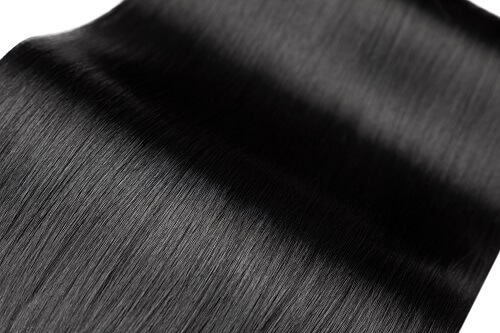
Remy hair is one of the most popular types of human hair used for extensions due to its incredible quality and durability. Remy refers to a specific harvesting process in which each strand is kept intact with its cuticles (the protective layer) running in the same direction.
This ensures that all strands remain aligned in the same direction and tangle-free while providing a super soft texture that looks incredibly natural when worn. Remy is also great for those who want their extension strands to last longer because it maintains its integrity better over time than non-Remy hair.
ATTENTION: Turn Your Passion For Hair Into Profit ⬇️⬇️⬇️

Virgin Hair Extensions

If you’re looking for an even higher quality option than Remy, then virgin human hair might be for you! Virgin refers to unprocessed or untreated locks that have never been chemically altered in any way (think bleaching or dyeing).
It is usually sourced directly from donors from their own hair as opposed to being resold or bought at auctions like some other types of extension strands are.
The benefit of virgin locks is that they are stronger, softer, more durable, and more versatile than other types of extension strands since they haven’t been exposed to harsh chemicals or treatments yet. That means they will maintain their original color longer than synthetic hair!
Indian Hair
The main source of Indian extension is temples in India. The women who donate their hair to these temples are often Hindu devotees who believe that offering up their hair is an act of religious devotion and an offering to God. As such, many women view donating their hair as a spiritual practice rather than simply a way to make money.
That being said, some sources of “Indian” hair may not actually be sourced from India at all; there are some companies in the hair industry that buy up bundles of synthetic hair or human-like fibers from other countries and market them as Indian extensions. So, it’s important to do your research before buying any kind of extension!
Brazilian Hair
Another popular source of human hair is Brazilian Hair. It tends to be thicker than other types of human hair wigs which makes it perfect for those who want a full, voluminous style. It also has a great natural shine that many women love; plus, it’s extremely durable which means it can last through multiple washings and styling sessions without losing its luster or shape.
Where to Buy Sew-In Hair Extensions

Whether you’re looking for sew-ins or other hair extension types, there are plenty of places where you can find human hair wigs. But how do you know where to buy it? Let’s explore two popular options.
Wealthyhair.com

One of the most popular places to purchase hair extensions is online via wealthyhair.com. This website has been around for years, and it continues to be one of the best sources for high-quality human hair wigs.
They offer a wide variety of styles and textures, from straight to curly, and from long locks down to shorter bobs. You can also customize your order by selecting different lengths – all at an affordable price!
The Wealthy Hair Quality Standard

At Wealthy Hair, we pride ourselves on offering ethically sourced, premium human hair extensions. Our commitment to quality means that every strand is hand-selected, ensuring integrity and longevity. We work directly with verified, trusted suppliers to provide you with 100% Virgin and Remy hair, ensuring that the sourcing process is transparent and the hair is of the highest quality.
Frequently Asked Questions
What is the difference between Chinese and Indian hair in wigs?
Chinese hair is known for its thicker denier and straight texture, making it less curly and harder to style. Indian hair, with a thinner denier, offers more texture and versatility, making it easier to style and blend.
Why is European hair considered more expensive for wigs?
European hair is highly sought after due to its fine texture and variety of colors. However, it is also the most expensive because it is in limited supply and is more difficult to source compared to other hair types like Asian hair or afro hair.
What is Slavic hair, and why is it prized?
Slavic hair, sourced from Eastern Europe, is highly prized for its fine texture. This hair is considered premium and commands higher prices in the global market due to its quality and scarcity.
How ethical is the human hair sourcing industry?
The human hair industry faces significant ethical concerns, including exploitation and underpayment of donors. The lack of transparency in sourcing, combined with corrupt practices, makes it difficult to verify the origins of much of the hair used in wigs and extensions.
How are human hair extensions collected?
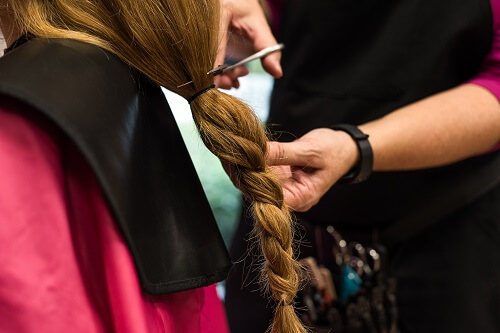
Hair traders travel to rural villages in countries like China, Vietnam, and Myanmar to purchase hair directly from individuals. However, intermediaries such as brokers and factories complicate the traceability of the hair’s true origin.
What is Virgin Hair, and how is it different from Remy Hair?
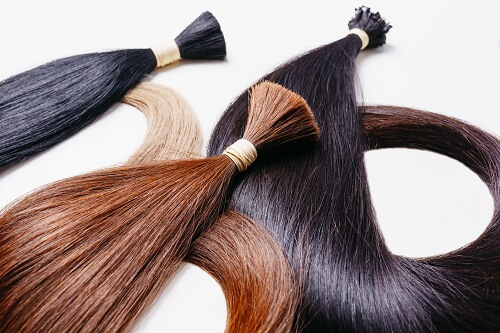
Virgin hair is hair that has never been chemically treated, whereas Remy hair has been processed but maintains the cuticles running in the same direction to reduce tangling. Remy hair is often considered of higher quality than non-Remy hair.
What is the origin of human hair for medical wigs?
Many organizations collect donated human hair to create wigs for medical patients. This hair is often sourced through donations, which may come from various cultural or religious practices, including temple donations.
How does modern human hair evolve for survival?
Modern human hair evolved to help with thermoregulation. It allowed humans to lose body hair for better sweating, while the hair on the head shielded the scalp from solar radiation. This adaptation emerged around 2 million years ago.
What is the role of temple hair in human hair sourcing?
Temple hair refers to hair donated as part of religious or cleansing rituals, often from countries like India. This type of hair is highly valued in the industry for its quality and origin from voluntary donors.
What is the main difference between Remy and Non-Remy hair?nsions. You can also find extensions at some salons or from individual stylists who offer custom orders.
Remy hair has been processed to ensure the cuticles are intact and run in the same direction, minimizing tangling. Non-Remy hair, on the other hand, may have its cuticles removed, which is why it tends to tangle more and is usually cheaper.
How is the human hair industry connected to the global market?
The global human hair market is valued at over $10 billion annually, with countries like China being major exporters and importers. Hair collected from various regions is traded globally, catering to the high demand for both real and synthetic wigs.
Extensions can be a great way to add length, volume, and color to your hair, but if they’re itchy after only two weeks, you may be doing something wrong. To get solutions to an itchy scalp, read this article on Hair Extensions Itchy After Two Weeks.

