

sew in hair extensions
All About Sew-In Hair Extensions- Step By Step Guide
The 60 Seconds Answer
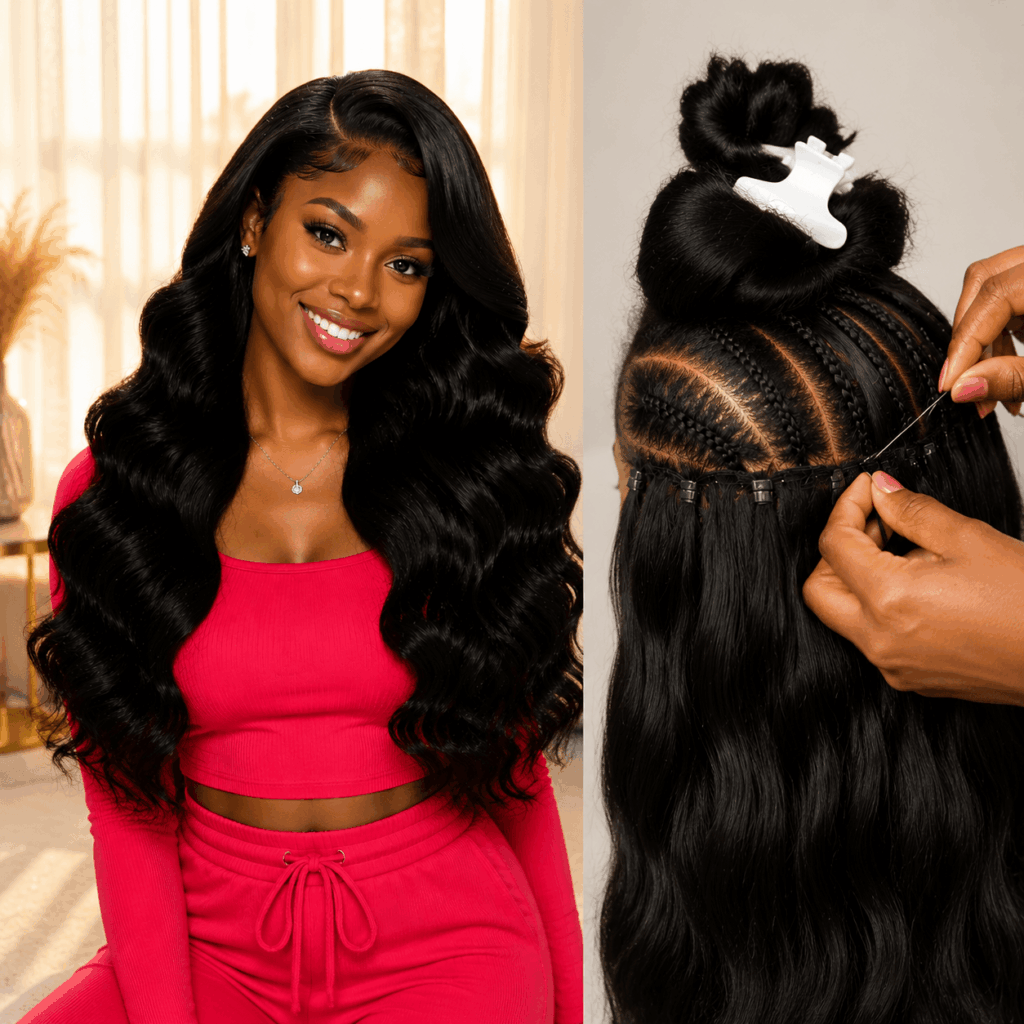
Sew in hair extensions are added by braiding your natural hair, then sewing hair wefts onto the braids with a needle and thread. They can add length, volume, and style while protecting your real hair. With proper washing, gentle brushing, and low heat, sew in hair extensions can look natural and last for weeks.
What Are Sew-In Hair Extensions?
Sew-in hair extensions are a popular method of adding both length and volume to your hair. This technique involves sewing the extensions into your natural hair close to the scalp. They can last for several weeks and are a great option for those who want to wear their extensions for an extended period.
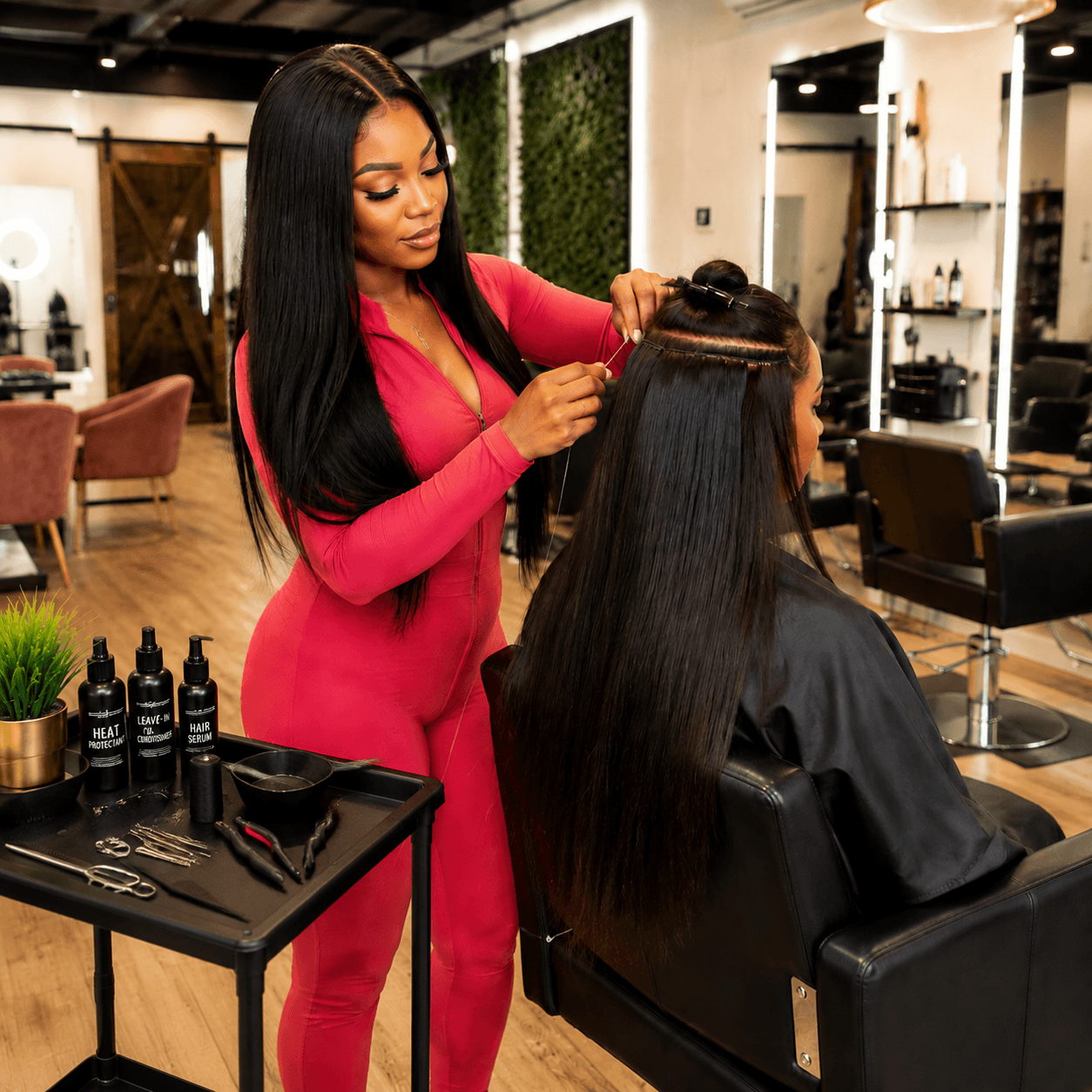
Sew-in hair extensions are applied by braiding the natural hair close to the scalp, then sewing the extension weft to the braid. This method can be used to add length, volume, or both.
The type of braid used will vary depending on the individual’s natural hair type and texture. The three most common types of braids used for sew-ins are cornrows, flatbraids, and boxbraids. Cornrows are small, tightly woven braids that run parallel to the scalp. Flatbreads are wider than cornrows and lie flat against the head. Box braids are square-shaped braids that can be any size; they’re often called “jumbo” box braids when they’re very large.
Benefits Of Sewing In Hair Extensions
Sew-in hair extensions have several benefits, including:
Convenient And Easy To Use
One of the best things about sew-in hair extensions is that they’re very convenient and easy to use. You don’t have to worry about damaging your hair with harsh chemicals or hot tools. All you have to do is braid your natural hair into cornrows, and then the extensions are sewn onto the braids. Sew-in hair extensions can last for weeks or even months with proper care and maintenance.
Natural Looking And Customizable
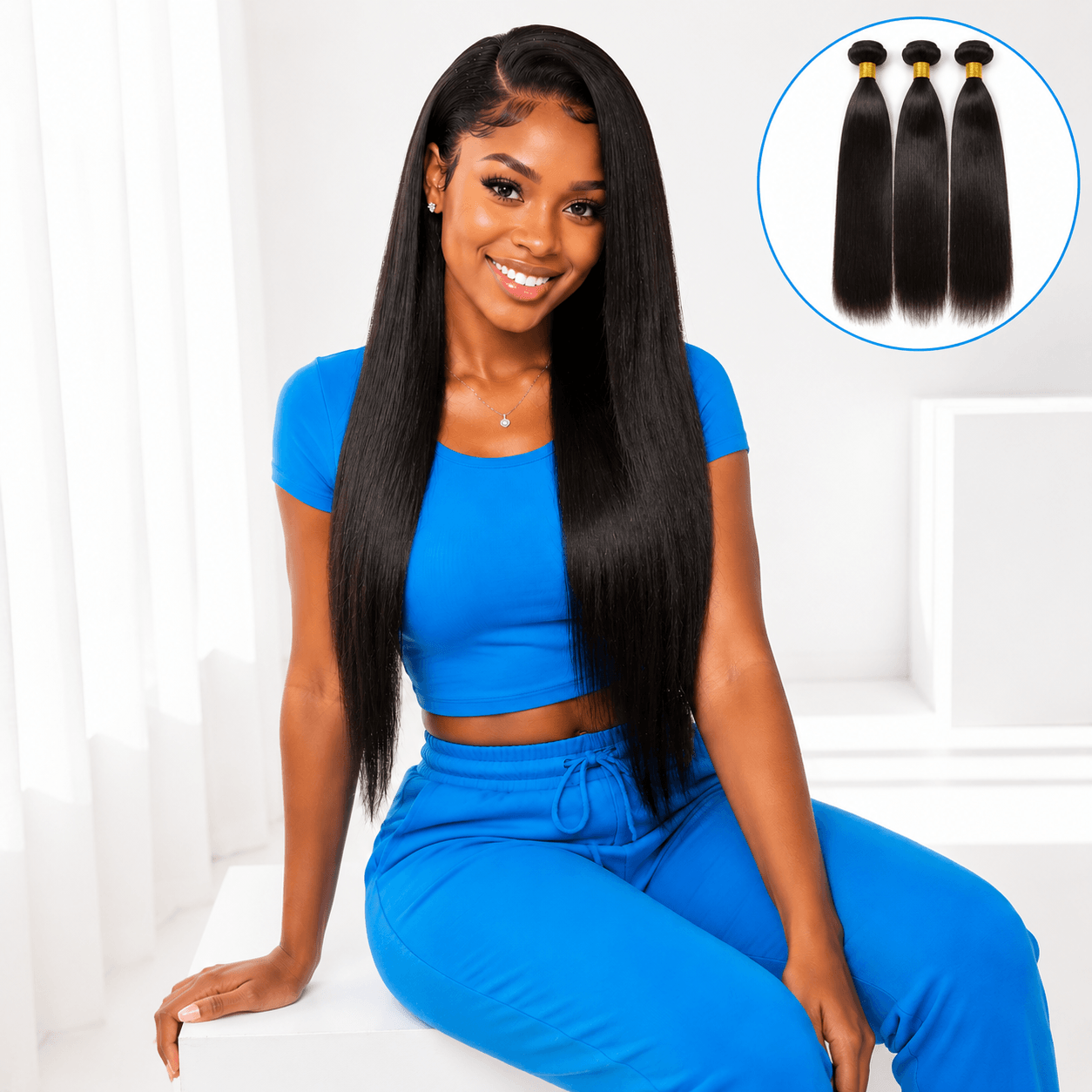
Another great thing about sew-in hair extensions is that they look very natural. The Extensions can be matched to your hair color so that they blend in seamlessly. And because they’re sewn onto individual braids, you can style them any way you want. You can wear them straight, curly, in a ponytail, or anything else you can think of!
Affordable And Low Maintenance
Sew-in hair extensions are also very affordable, especially when compared to other types of human hair extensions like clip-ins or tape-ins. They’re also relatively low maintenance. You’ll need to get them tightened every few weeks and make sure that your scalp is properly moisturized so that the braids don’t dry out and break. Other than that, just treat them like your own hair!
They Offer More Versatility Than Other Types Of Extensions
One of the best things about sew-in hair extensions is that they offer more versatility than other types of extensions. With sew-in hair extensions, you can choose from a wide variety of colors, textures, and lengths – which means there’s sure to be a style that’s perfect for you.
And because Sew in extensions don’t damage your natural hair, you can switch up your look as often as you like without having to worry about damaging your strands.
Different Types Of Sew In Hair Extensions
One of the great things about sew-in hair extensions is that there are so many different types of sewing hair extensions to choose from. Below, we’ve outlined some of the most popular types of sew-in hair extensions so that you can get a better idea of what’s out there:
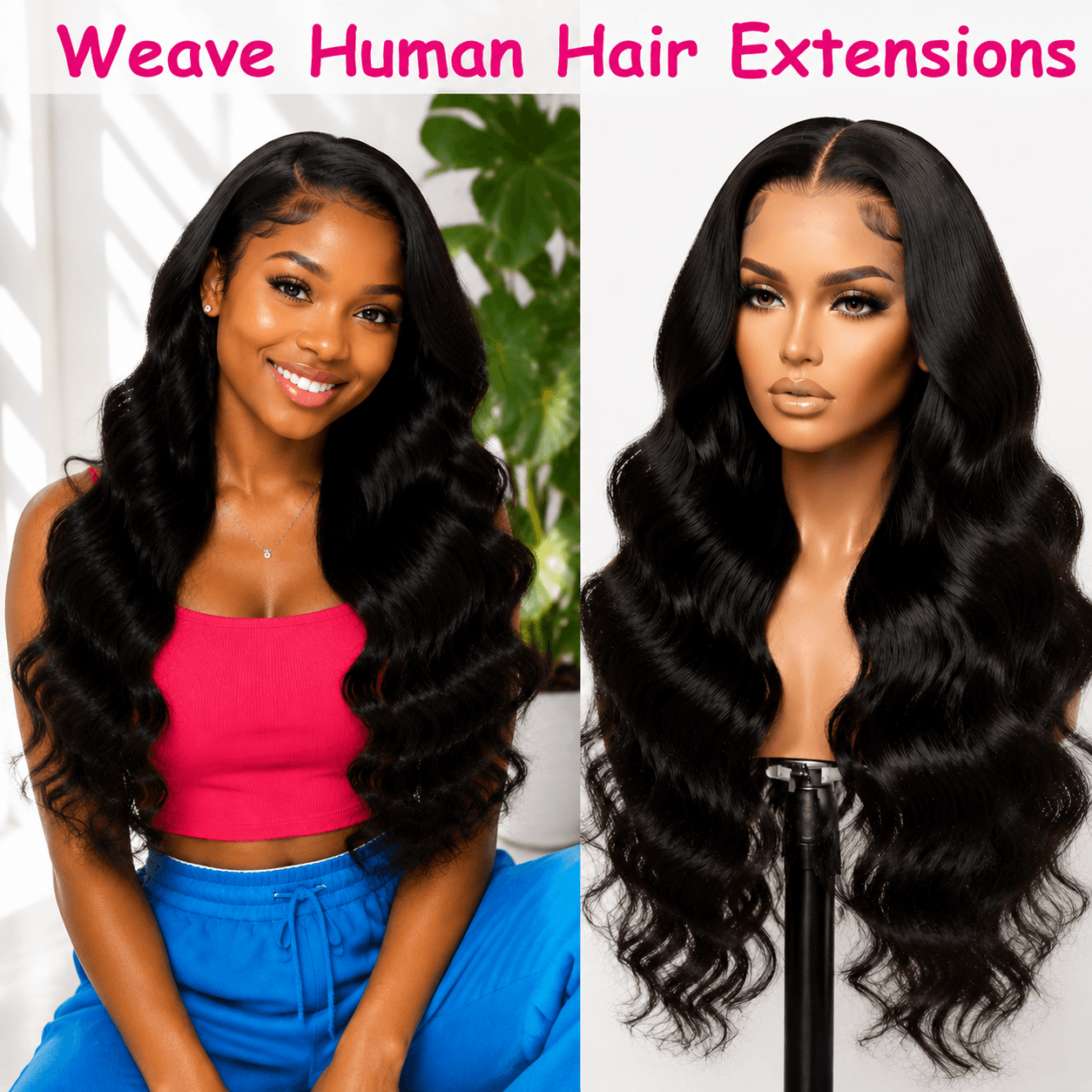
1. Weave Human Hair Extensions: Weave hair extensions are probably the most popular type of sew-in hair extension. Hair weaves are made from human hair and are sewn onto cornrowed sections of your own hair. Weave hair extensions can be worn for a few weeks at a time and then taken out and re-applied as needed.
2. Clip-In Extensions: Clip-in hair extensions are a temporary option that can be applied and removed as needed. They are usually made from synthetic materials, but real human hair extension clip-ins are also available. They are a great option if you want to try out hair extensions without making a long-term commitment.
3. Tape-In Extensions:
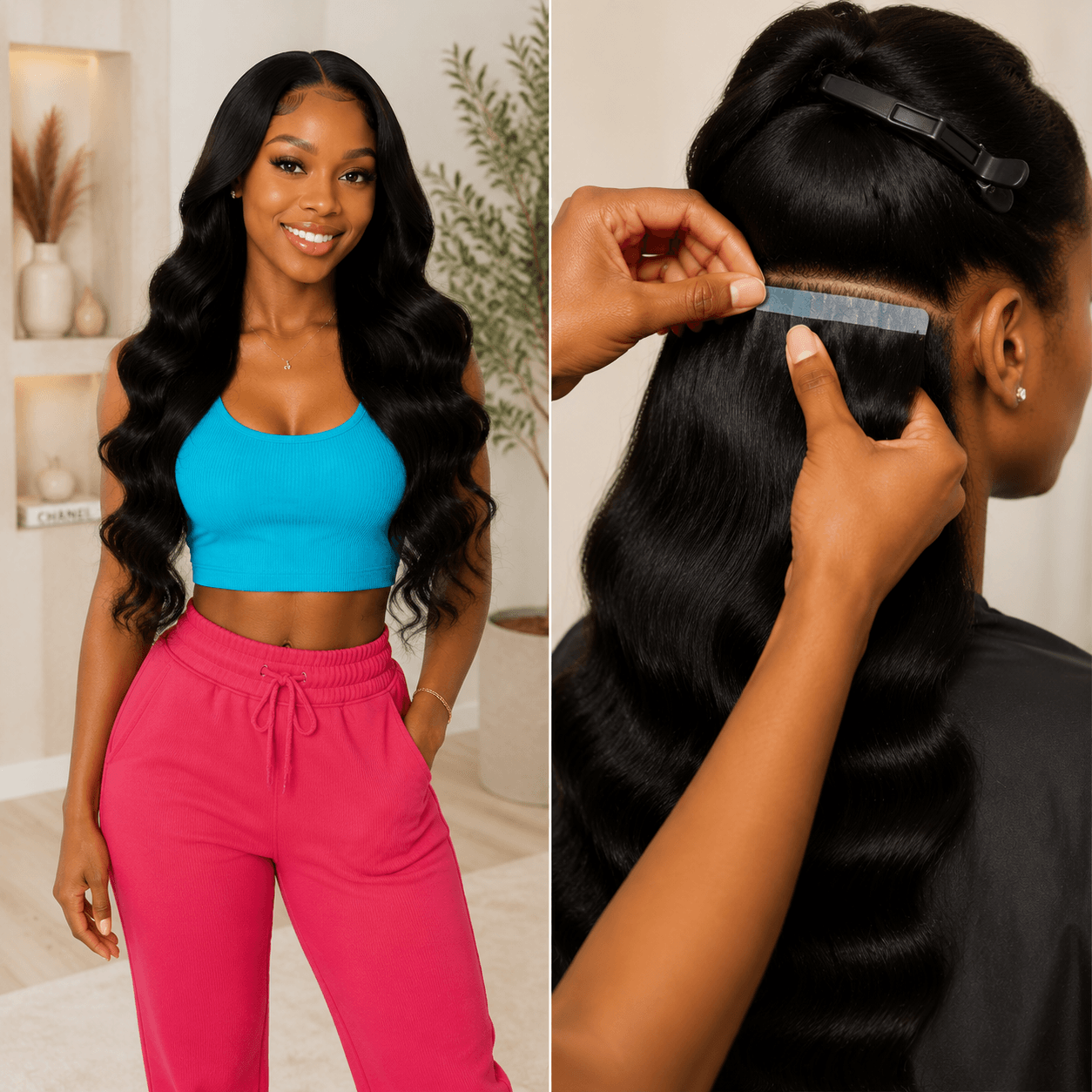
Tape-in hair extensions are another temporary option that can be applied and removed as needed. They are made from small strips of human hair that are bonded to your own hair with tape. Tape-in hair extensions usually last for 2-3 weeks before they need to be replaced.
4. Fusion Extensions:
Fusion extensions are a semi-permanent hair extension option that is bonded to your natural hair with heat or adhesive. Fusion extensions can last for several months because they are like permanent hair extensions. But they need to be professionally removed by an experienced stylist.
Other considerations include;
Synthetic vs. Human Hair Extensions: Human hair extensions are usually more expensive than synthetic hair extensions, but they look and feel more natural. Synthetic hair extensions can be a good option if you’re on a budget, but they don’t always look as realistic.
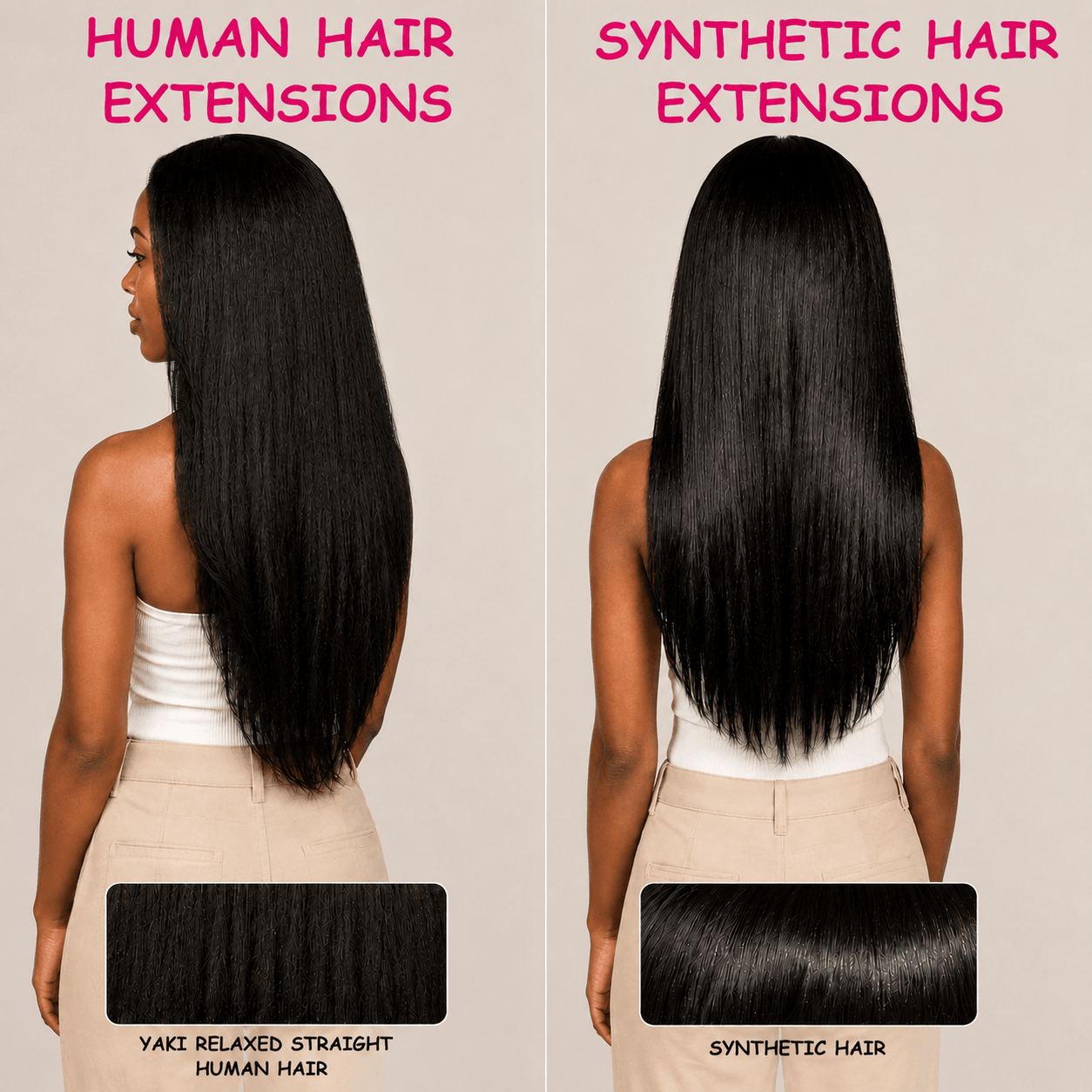
Clip-in vs. Sewn-In: Clip-in hair extensions are easier to put in and take out than sewn-in extensions. They’re also usually less expensive. Sewn-in hair extensions will give you a more semi-permanent look, and in most cases, you need to visit a professional hairstylist.
How To Choose The Right Sew In Hair Extensions
Now that you know a little bit about the different types of sew-in hair extensions that are available, how do you choose the right ones for you?
One of the most common problems people have with sewing-in hair extensions is that they don’t know how to choose the right ones.
Making the wrong choice can lead to tangles, shedding, and an overall bad experience. So how do you make sure you’re getting the best possible sew-in hair extensions? The first step is knowing what to look for. Here are some things to keep in mind when choosing sew-in hair extensions:
Budget:
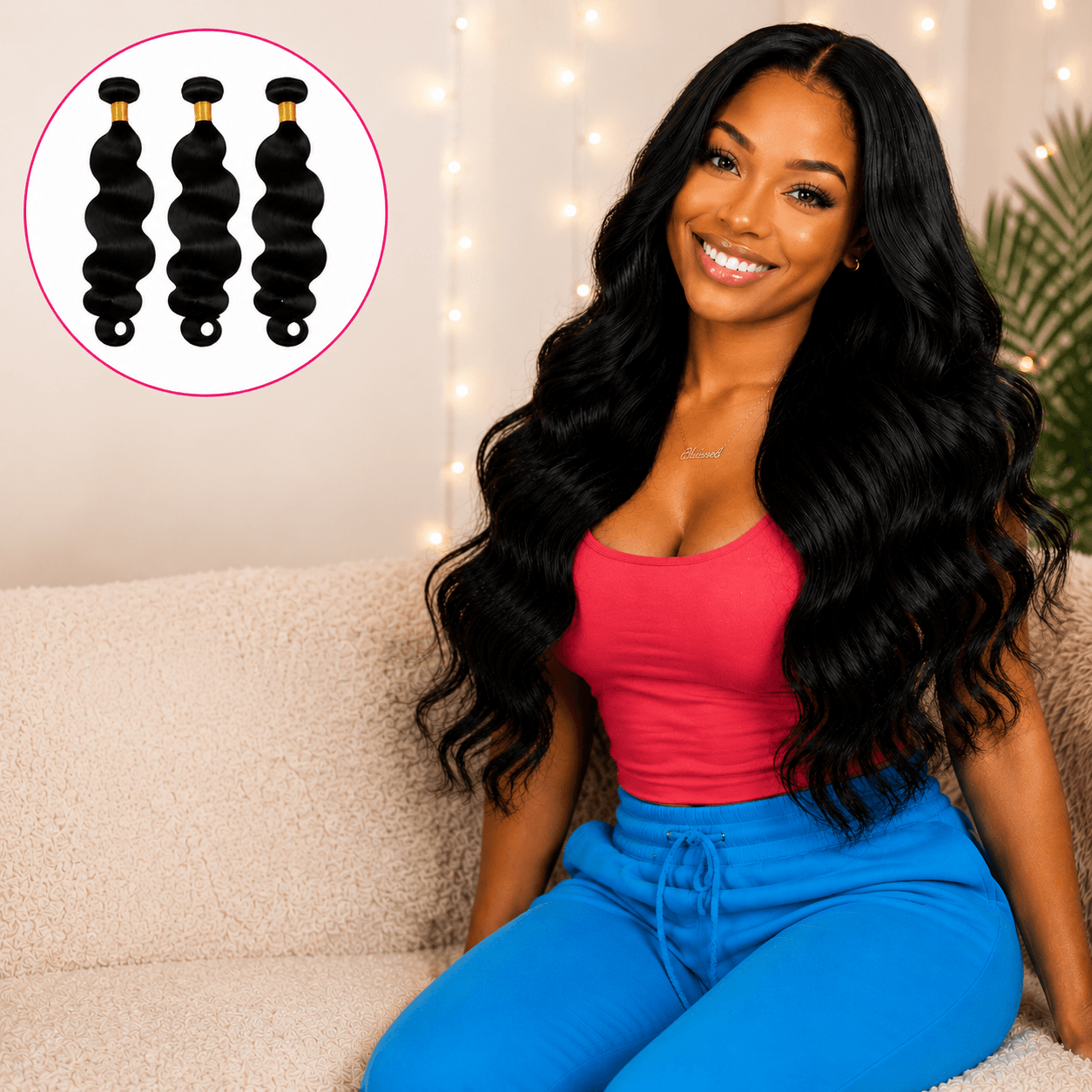
If budget is your main concern when considering hair extensions, then wefts hair extensions or track sew-in hair extensions are probably going to be your best bet. If you’re willing to spend a bit more money for additional comfort, then individual strand or skin weft sews ins might be a better option for you. And finally, if you’re mainly concerned with how your hair extensions look, then sew-in hair extensions will probably give you the most natural-looking results.
Length:
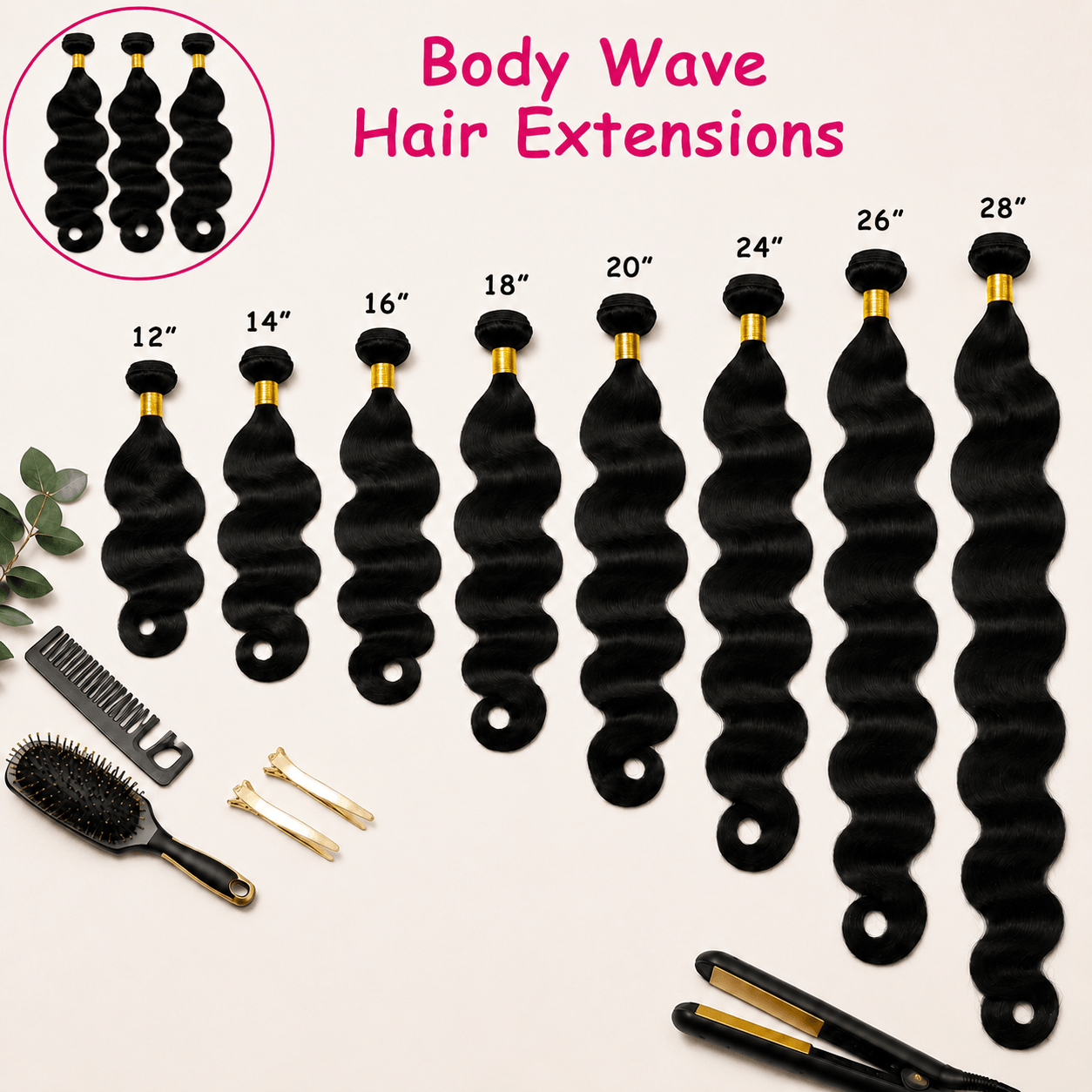
Hair extensions come in a variety of lengths, from short to long. Think about what length you want before you shop for the right sew-in extensions.
Texture:
Hair extensions can be straight, wavy, or curly. There are also sew-in extensions for thick hair, thin hair, or curly hair. Choose the texture that you want, or that will best match your natural hair texture.
Once you know what to look for, you’re ready to start shopping for the best hair extensions.
How To Care For Sew-In Hair Extensions
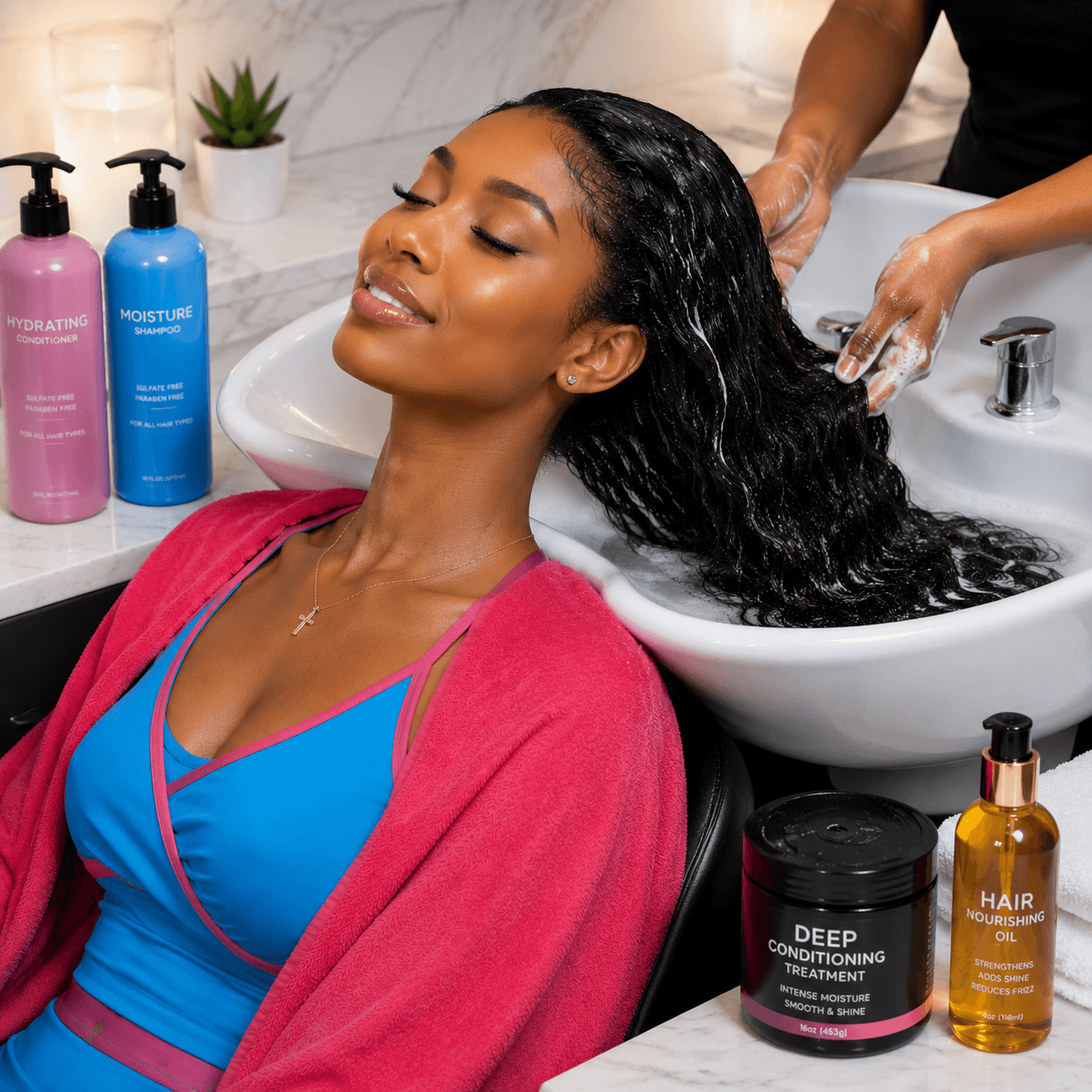
Here are some tips on how to keep your sew-in hair extensions looking their best.
How Often Should You Wash Them?
You should wash your sew-in hair extensions every 7-10 days, or as needed. Be sure to use a clarifying shampoo and conditioner to remove build-up from styling products.
When you do wash them, be sure to use cool or lukewarm water and avoid rubbing the hair too vigorously. Gently massage the shampoo into the scalp and rinse thoroughly. Follow with conditioner, focusing on the ends of the hair. Rinse well and allow the extensions to air dry or style as usual.
How Should You Brush Them?
To prevent tangles, you should brush your sew-in extensions daily with a wide-toothed comb. Start at the bottom of the hair extension and work your way up, being careful not to pull too hard on the roots of the hair. If you have curly or thick hair, you may want to use a pick instead of a comb to prevent damage.
What Products Should You Use?
When choosing products for your sew-in extensions, look for ones that are specifically designed for use with hair extensions. These products will be gentle enough for use on both natural hair and hair extensions and will help keep your hair healthy and looking its best. Avoid using products with alcohol, as these can dry out both natural hair and extensions and lead to breakage.
Where To Buy Sew-In Hair Extensions
There are many options available when it comes to buying sew-in hair extensions. You can find them at beauty supply stores, online retailers, or even at your local salon. Each option has its own set of pros and cons.
1. Beauty Supply Stores
Although this might be convenient, since beauty supply stores are everywhere, the quality is usually not the best. Another downside is that they generally have a smaller selection, and the quality of hair extensions may not be as good as what you would find at a specialty online retailer such as WealthyHair.com. So if you’re on a budget and considering hair extension costs or need your extensions ASAP, you are better off using an online retailer and choosing an express shipping option.
2. Online Retailers
There are tons of online retailers that sell hair extensions, which gives you a lot of options in terms of selection and hair extension cost. The best thing about buying online is you get lots of options for buying quality hair extensions. We recommend doing your research and only buying hair extensions from reputable sellers.
3. Online Beauty Supply Stores Specializing In Hair Extensions

These types of online stores will have a larger selection than regular beauty supply stores, and the quality will be better since they specialize in hair extensions. This is our recommendation if you are looking for quality and affordable hair extensions.
4. Salons
Salons are a great place to buy hair extensions because you can consult with a professional about which type would be best for your specific needs. The downside is that they can be expensive and you may have to wait longer for your extensions since they have to be ordered ahead of time.
5. Friends/Family Members
This is probably the most affordable option since you’re not spending any money on the actual hair itself (assuming someone you know is willing to part with their own hair!). The downside is that it can be difficult to find someone whose hair is compatible with your own in terms of texture and color. If you have thick hair, sew-in extensions from someone with thin hair will probably not fit. And there’s also no guarantee that they’ll know how to sew in the extensions properly. If you go this route, make sure to do your research and find someone who knows what they’re doing!
Wealthy Hair Quality Standard
At Wealthy Hair, quality starts with sourcing, hair selection, and control standards. Premium hair should be chosen for donor integrity, softness, movement, and cuticle alignment. The goal is to provide natural-looking extensions that can be washed, styled, and reused with proper care, all while keeping your hair healthy.
Wealthy Hair focuses on human hair options that support styling flexibility and a polished finish. Every client should choose quality hair, a skilled stylist, and a realistic maintenance routine before committing to a sew-in.
Frequently Asked Questions
Can I dye my sew-in hair extensions?
A: You can, but it’s best to consult with a professional first. Dyeing hair extensions can be tricky and, if not done correctly, can damage the hair.
How long do sew-in hair extensions last?
A: Sew-in hair extensions can last anywhere from 6 to 8 weeks. Natural hair extensions can last up to two months, while other hair extensions are less durable. However, this will depend on how well you take care of them and how often you wear them.
Can I reuse my sew-in hair extensions?
A: Yes, you can. However, it’s best to consult with a professional stylist first to make sure they can be reused without damaging the hair.
What are the best sew-in hair extensions?
A: The best sew-in hair extensions are ones that are made from high-quality, 100% real human hair. They should also be properly installed by a professional stylist to ensure they last and look their best.
How much do sew-in hair extensions cost?
A: Hair extensions cost is an important factor when buying hair extensions. Hair extensions cost varies depending on the type of hair you choose and the length of the extensions. Synthetic hair extensions are usually cheaper but don’t look natural, while human hair extensions will be more expensive. Expect the hair extensions cost to be higher if you are looking for high-quality and long-lasting hair extensions. The length of the extensions will also impact the hair extensions cost, with longer lengths costing more than shorter ones.
What are the most popular types of hair weaves extensions
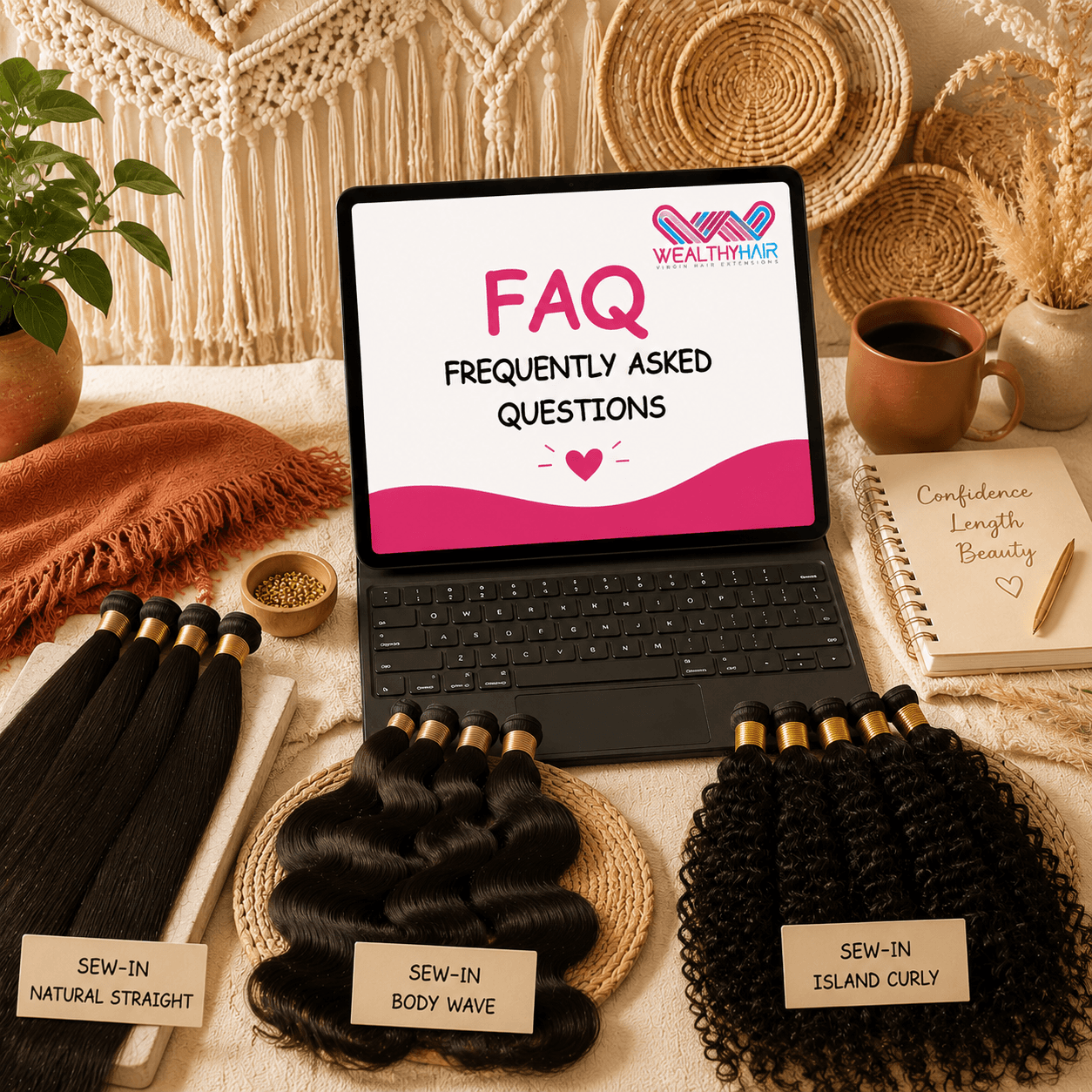
A: There are many types of hair weaves; the most popular hair weaves are body wave, yaki straight, natural straight, and curly hair weaves. Wealthy Hair carries all these popular extensions and also other hair extensions complimentary hair products such as lace frontals and lace closures.
How Often Should You Wash Your Scalp With Sew-In Hair Extensions?
You should wash your scalp no more than twice a week with sew-in hair extensions. Washing too often can dry out your natural hair at the roots and may cause extra shedding.
How Can You Protect Sew-In Hair Extensions During Daily Activities?
You can protect sew-in hair extensions by wearing low-stress styles like buns, braids, or ponytails. These styles help reduce pulling, rubbing, and friction that can damage the extensions.
Should You Use Heat On Sew-In Hair Extensions?
It is best to use as little heat as possible on sew-in hair extensions. Too much heat can dry out the hair, weaken the strands, and shorten how long the extensions last.
Why Is Conditioning Important For Sew-In Hair Extensions?
Conditioning helps keep sew-in hair extensions soft, moisturized, and easier to manage. Regular conditioning can also help prevent dryness, tangling, and matting.
Can You Swim While Wearing Sew-In Hair Extensions?
Yes, you can swim with sew-in hair extensions, but you should protect them first. Wearing a swim cap helps reduce damage from chlorine, saltwater, and tangling.
What Happens If You Keep Sew-In Hair Extensions In Too Long?
Keeping sew-in hair extensions in too long can cause scalp problems, slow natural hair growth, and create tension on your roots. Most sew-ins should be removed after 6 to 8 weeks.
How Are Sew-In Hair Extensions Installed?
Sew-in hair extensions are installed by braiding the natural hair into cornrows. Then, the hair wefts are sewn into the braids using a needle and thread for a secure hold.
Who Are Sew-In Hair Extensions Best For?
Sew-in hair extensions are best for people with medium, thick, or coarse hair. This hair type can usually support the braids and sewn wefts better than thin or fragile hair.
I am sure you will agree that sew in hair extensions are a popular option because they’re affordable, durable, and discreet. But like anything else, there are pros and cons to consider before making a decision. Make sure before purchasing them you read this in-depth article on sewn in hair extensions pros and cons.

