

Wealthy Hair Guides
Master The Art of Transformation: How to Dye Lace for a Natural Look and Feel


The 60-Second Answer:
To master how to dye lace for lasting quality, start with clean lace, choose a safe fabric dye or lace tint, and test a small area first. Apply color lightly with a brush or spray, avoiding oversaturation. Let it set, rinse gently, and air-dry fully. This keeps the lace natural-looking, durable, and ready for repeated wear.
Why Lace Fiber Type Controls Dye Results

Lace made from natural fibers, such as cotton, linen, silk, rayon, or ramie, tends to absorb dye better than synthetic lace. These fibers allow color deposit to enter the material more easily, giving better color saturation and longer-lasting tint.
Synthetic laces, especially polyester, acrylic, and acetate, do not accept regular dye well. They may need disperse dyes and high heat, which can be risky for a wig lace base. This is why it is important to identify the fiber content before you try to dye lace at home.
For cotton, linen, rayon, ramie, and other cellulose fibers, fiber-reactive dyes or direct dyes usually work best. For silk, wool, and nylon, acid dyes are commonly used because nylon and protein-based fibers can accept them well. For blended fabrics, a union dye may work better because it contains dye types that can attach to different fibers. Fiber-reactive dyes are commonly recommended for cellulose fibers like cotton and rayon, while acid dyes are used for silk, wool, and nylon.
What Is The Difference Between Dyeing Lace And Tinting Lace?

Dyeing lace usually means changing the lace color more deeply with a dye bath, fabric dye, or controlled color process. Tinting lace means lightly adjusting the lace color so it blends better with your scalp or skin tone.
Painting with dye or paint is another technique for adding color to lace, allowing for detailed effects by applying color to the surface. Unlike immersion dyeing, painting colors only the surface of the lace rather than being absorbed into the fibers, and heat-setting is necessary to ensure the color’s permanence.
For wig lace, tinting is often the better choice. Transparent lace and HD lace are designed to look thin, soft, and nearly invisible. If you over-dye them, the lace can look muddy, orange, gray, or too dark.
Professional lace tinting focuses on matching the scalp illusion, not simply making the lace darker. The goal is not to hide the lace with heavy color, but to soften the lace so it blends naturally with the skin.
Best Dye Options For Lace

Immersion dyeing is recommended for achieving solid colors on lace, and it is crucial to wash the fabric first to remove any residues before dyeing.
| Lace Or Wig Type | Best Method | Color Result | Risk Level | Best For |
|---|---|---|---|---|
| Cotton, Linen, Rayon, Ramie Lace | Fiber-reactive or direct dye (use one package of powder dye or half a bottle of liquid dye per pound (450 g) of lace, and three gallons (12 L) of hot water for garments) | Strong color payoff | Low to medium | Lace trims, fashion lace, lingerie projects |
| Silk, Wool, Nylon Lace | Acid dye with vinegar | Rich color when done correctly | Medium | Silk lace, nylon lace, delicate trims |
| Polyester, Acrylic, Acetate Lace | Disperse dye with high heat | Harder to control | High | Synthetic fabric lace, not ideal for wig lace |
| HD Lace Wig | Lace tint spray, tea, coffee, or light fabric tint | Soft scalp illusion | Medium | Natural-looking hairline |
| Transparent Lace Wig | Skin-tone tint | Better skin-tone lace match | Low to medium | Brown skin, darker skin tones, lighter skin tones |
| Human Hair Lace Wig | Protect hair, tint lace carefully | Natural blend | Medium | Lace fronts, lace closures, lace frontals |
Now, let’s walk through the step-by-step dyeing process that guarantees excellent results and a long-lasting effect:
The amount of dye needed can vary based on the weight of the lace or garment; typically, 0.5 cups (120 mL) of liquid dye or 1 box of powdered dye is sufficient for a 1 lb (450 g) garment.
How To Dye Your Lace On A Wig Without Staining The Lace
This phrase may sound funny because you are coloring the lace, but the real goal is controlled color. You want the lace to look natural, not stained, blotchy, or too dark. For best results, wear rubber gloves to protect your hands from staining during the dyeing process.
Start by placing your wig on a wig stand or mannequin head. Gently detangle the hair with a wide-tooth comb, working from the ends upward. Place a paper towel under the wig to protect your work surface and absorb any excess dye. Then protect the hairline, knots, and hair fibers with a protective barrier such as petroleum jelly, coconut oil, or aloe vera gel.
Use a tint brush, sponge applicator, cotton swab, or spray bottle for controlled application. Avoid flooding the lace with too much dye. Too much dye can cause color bleeding, patchy spots, or color transfer onto the hair shaft.
The Wealthy Hair Maintenance Protocol

Identify The Lace And Hair Type
Check whether you are working with HD lace, transparent lace, Swiss lace, French lace, brown lace, a lace closure, a lace frontal, a lace front wig, or a full lace wig. Human hair wigs and synthetic wigs require different dyeing approaches.
Pre-Wash The Lace
Wash the lace or wig gently with soapy water or mild detergent to remove oils, styling residue, factory finishes, and buildup. Pre-washing with soapy water helps prevent uneven dye absorption.
Detangle And Secure The Wig
Place the wig on a mannequin head or wig stand. Use sectioning clips to keep the hair away from the lace base.
Do A Patch Test And Strand Test
Always perform a patch test before using dye near the skin. Always complete a strand test or lace swatch test before applying dye to the full wig.
Protect The Hairline And Knots
Apply a thin protective barrier around the hairline, lace edges, and wig knots. This helps prevent dye bleeding onto the hair and protects bleached knots.
Mix The Dye Slowly
Mix the dye in a bowl, starting with the lighter dye and adding small amounts of darker dye until you reach the right shade. Stir thoroughly to ensure even color distribution. It is much easier to darken lace than to fix lace that was dyed too dark.
Apply With Control
Use a tint brush, sponge applicator, or spray bottle. Apply light layers and check the color often.
Watch The Processing Time
Do not overprocess HD lace because it is thinner and more delicate than standard lace. If the lace becomes stiff, sticky, or overly dark, stop processing and rinse immediately.
Rinse Until Water Runs Clear
Rinse with warm water first if needed, then finish with cool water. This helps remove dye residue and reduce color transfer.
Cleaning lace doesn’t have to be complicated. Follow these easy steps to ensure your lace wig stays clean and beautiful for every wear: DIY Lace Wig Cleaning: Simple Tips on How to Clean Lace.
Dyeing Lace With Fabric Dye

White lace is commonly used as a base for dyeing, allowing you to transform the original lace into new, vibrant colors. Fabric dyes are often highly concentrated and should be diluted with water to achieve the desired color. Use only a small amount of dye or additives (like salt or vinegar) as recommended to avoid over-concentration.
Fabric dye works best when the lace fiber matches the dye type. Cotton, rayon, linen, and ramie usually respond well to fiber-reactive or direct dyes. Silk, wool, and nylon usually respond better to acid dyes.
If the lace contains cotton, rayon, ramie, or linen, adding a small amount of salt to the dye bath can help deepen and set the color. If the lace contains nylon, silk, or wool, a small amount of vinegar is usually recommended instead. Dye brands often recommend salt for cotton and linen and vinegar for silk, wool, or nylon, depending on the product instructions.
When preparing the dye bath, fill the bowl or pan with enough water to allow the lace to move freely. Before dyeing, dampen the lace and squeeze out any excess water to ensure even absorption. For immersion dyeing, make sure the lace is fully covered in the dye bath for even color. Move the lace gently in the dye bath so the color does not settle in one area.
When mixing dyes to achieve specific hues, proper mixing is important, using a coffee stirrer can help with precise blending. For full coverage dyeing, immersion dyeing is effective and involves soaking the lace in a dye bath with the appropriate additives.
To achieve an antique look, you can soak lace in tea or coffee for natural dyeing.
How To Seal Dyed Lace For Longer Wear

Sealing dyed lace means helping the color stay in place after rinsing. For some fabric dye projects, heat setting may be recommended. For lace trims, ironing the wrong side for about two minutes may help set certain dyes, but only if the lace material can safely handle heat.
For wig lace, be careful with heat. HD lace, transparent lace, synthetic fibers, and delicate lace fabric can weaken, shrink, or fray if exposed to too much heat. Air drying or low-heat drying is safer. After dyeing, hang the lace to dry to ensure an even finish and prevent color spots. Make sure to spread the lace out evenly while hanging to avoid bunching and uneven drying.
After dyeing, store your wig in a satin bag, silk scarf, hairnet, or on a wig stand in a cool, dry place. Keep it away from UV exposure, heat exposure, and heavy friction.
The Wealthy Hair Quality Standard
At Wealthy Hair, lace wig quality starts before the dyeing process ever begins. A high-quality human hair wig should have strong donor integrity, healthy hair cuticles, a protein-rich cortex, and careful processing that protects tensile strength. When the hair has better cuticle alignment and the lace base is made well, the wig is easier to customize, tint, wash, and maintain.
Wealthy Hair focuses on lace wigs, lace closures, and lace frontals that are designed to support a natural hairline, soft scalp illusion, and long-lasting wear. Quality control matters because weak lace, poor knotting, rough processing, and low-grade hair can make dyeing more difficult. The better the wig foundation, the better your final color result.
Frequently Asked Questions
What Is Lace Dyeing?

Lace dyeing is the process of changing lace color with fabric dye, lace tint, tea, coffee, or another color-deposit method. The result depends on the lace fiber, dye type, processing time, and rinse-out process. Wealthy Hair recommends testing a small lace area first so you can avoid staining, over-darkening, or weakening the lace. If the dye only sits as a surface dye, it may wash out easily, so make sure the dye penetrates the natural fibers for lasting results.
What Is Lace Tinting?
Lace tinting is a lighter color adjustment used to help wig lace blend with your scalp or skin tone. It is different from full dyeing because it focuses on subtle undertone matching and a natural scalp illusion. Wealthy Hair recommends lace tint spray or a soft tea-tint method for beginners.
How To Dye Your Lace For A Natural Scalp Look?
To dye lace for a natural scalp look, choose a soft shade close to your undertone and apply it in light layers. This works because lace that is too dark can look heavy, muddy, or obvious against the hairline. Wealthy Hair recommends going one shade lighter first, then building the color slowly.
How Do I Dye HD Lace Without Ruining The Texture?

To dye HD lace without ruining the texture, use a light tinting method instead of a strong dye bath. HD lace is thinner and more delicate than standard lace, so harsh dye, high heat, or long processing time can damage it. Wealthy Hair recommends temporary lace tint first before trying a permanent color method.
What should I do before I start dyeing lace?
Before you start dyeing lace, clean the lace gently and make sure it is completely dry. Lay down paper towels to protect your workspace, then test the dye on a small hidden area first. This helps you avoid uneven color, stains, or damage to the lace.
How Do I Dye Transparent Lace To Match Your Skin Tone?
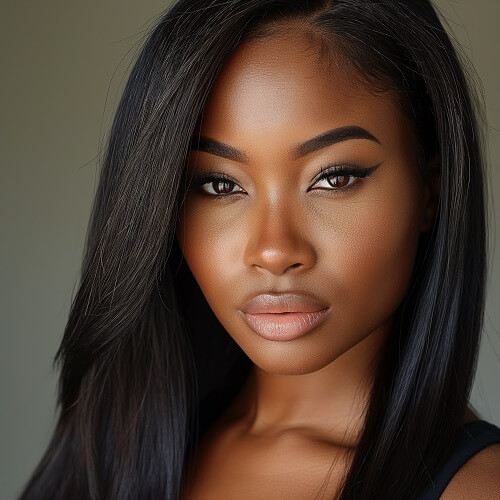
To dye transparent lace to match your skin tone, choose a tint based on your undertone, then apply it gradually. Transparent lace usually needs soft tinting, not deep dyeing, because its purpose is to disappear into the skin. Wealthy Hair recommends testing beige, caramel, cocoa, or neutral brown shades on a small hidden area first.
What Is The Best Dye For Wig Lace?
The best dye for wig lace depends on whether the lace is natural, synthetic, nylon, silk, or blended. Natural fibers often need fiber-reactive or direct dyes, while silk and nylon often work better with acid dyes. Wealthy Hair recommends checking the lace type before choosing any dye.
Can paper towels help when dyeing lace?
Yes, paper towels are very helpful when dyeing lace. Use them to blot extra moisture, catch drips, and keep the lace from soaking in too much dye. This helps create a smoother finish and keeps the lace looking clean and natural.
Want to elevate your hair style? Learn how to hide lace and enhance your look with these expert tips and tricks: Elevate Your Hair Style: How to Hide Lace and Enhance Your Look.
How do I get the exact shade I want when dyeing lace?

To get the exact shade, mix your dye slowly and test it before applying it to the full lace area. Start with a lighter color because you can always deepen the shade, but it is harder to fix lace that becomes too dark.
What Happens If You Use Regular Hair Dye On Lace?
Regular hair dye may stain lace unevenly, weaken delicate lace, or fail to bond with synthetic wig. Hair dye is made for hair fibers, not always for lace mesh, polyester, nylon, or delicate lace fabric. Wealthy Hair recommends using lace tint spray or fabric dye that matches the lace fiber instead.
Sewing in a lace closure doesn’t have to be difficult. Discover top tips and tricks from experts to achieve a flawless look here: Elevate Your Style: Expert Tips on How to Sew in Lace Closure Like a Pro.
