

Wealthy Hair Guides
How To Safely Remove Eyelash Extensions At Home
The 60-Second Answer
How to remove eyelash extensions at home safely starts with patience, clean hands, steam, and gentle oil-based removal. Soften the lash adhesive first, then use warm oil on cotton pads to loosen the bond. Never pull, pick, or use harsh chemicals near your eyes because this can damage natural lashes and irritate the lash line.
What Eyelash Extensions Are Attached To
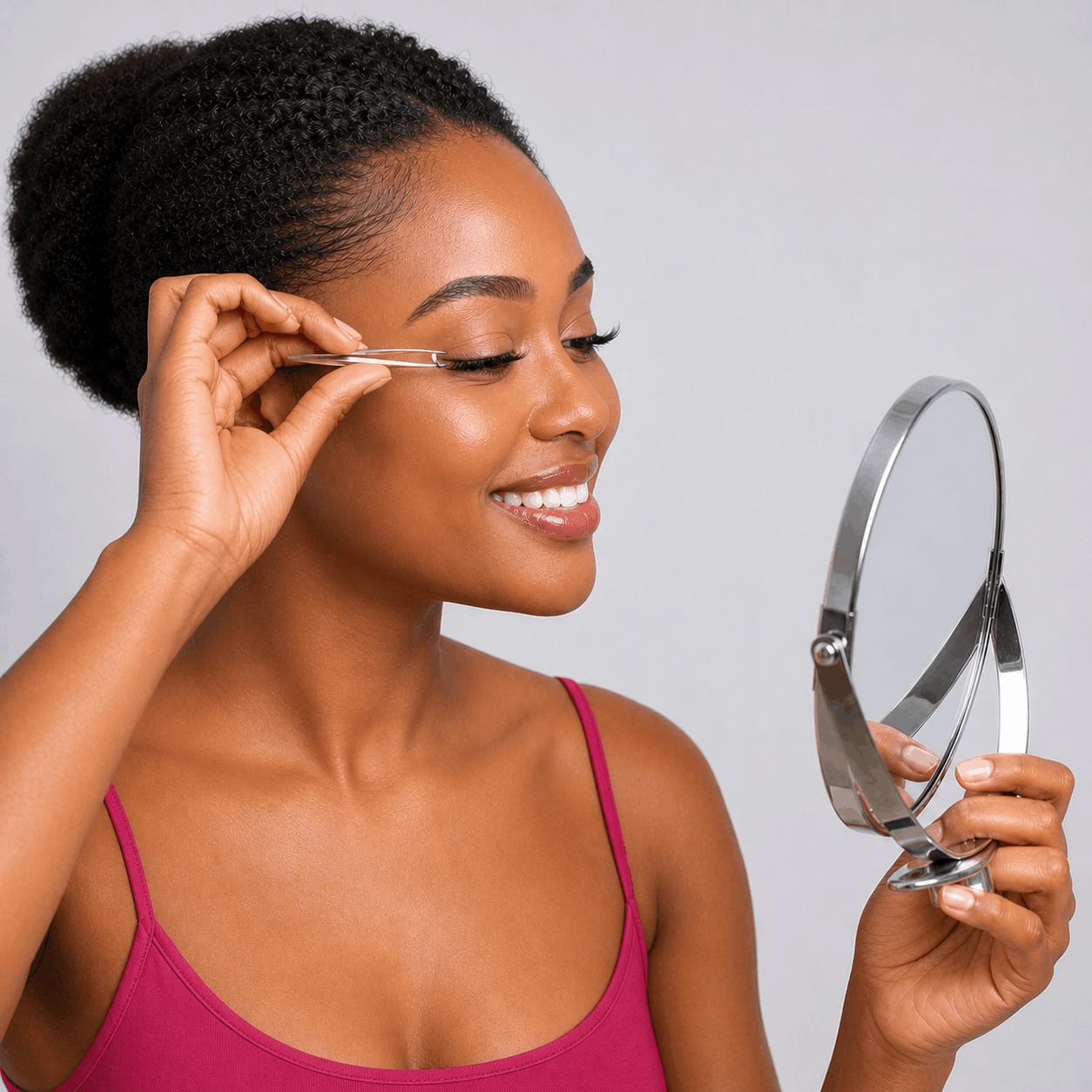
Eyelash extensions are small synthetic, silk, mink-style, or human-hair-like fibers attached to your natural lashes with lash adhesive. Most professional lash adhesive contains cyanoacrylate adhesive, a fast-drying glue that creates a strong lash bond.
That strong bond is why lash extensions can last for weeks, but it is also why removal must be slow and gentle. Your natural lashes grow in a shedding cycle, so some extensions will fall off on their own as your real lashes shed. If you try to rush the process, you can cause lash breakage, traction damage, thinning, or temporary gaps along the lash line.
From a lash safety perspective, the most important rule is to never pull or force extensions off. The eye area is delicate, and products used near the eyelid margin should be clean, gentle, and eye-safe. Cleveland Clinic notes that chemicals in eyelash glue can trigger allergic reactions, and the weight or pulling from false lashes can contribute to traction-related lash loss.
Should You Remove Lash Extensions At Home?
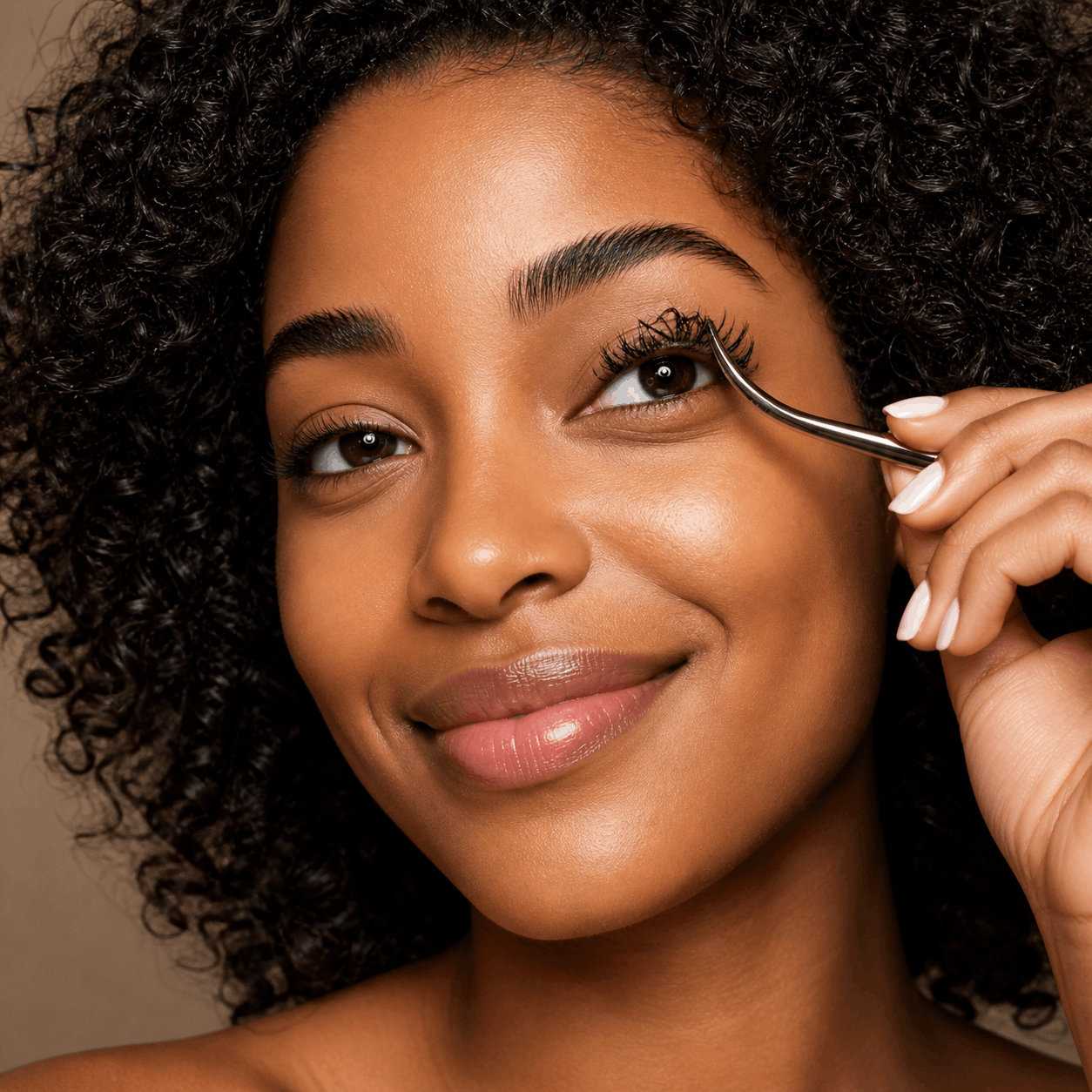
You can remove eyelash extensions at home, but professional removal is usually the safest choice. A licensed lash technician can remove extensions with a professional lash remover designed to dissolve adhesive safely.
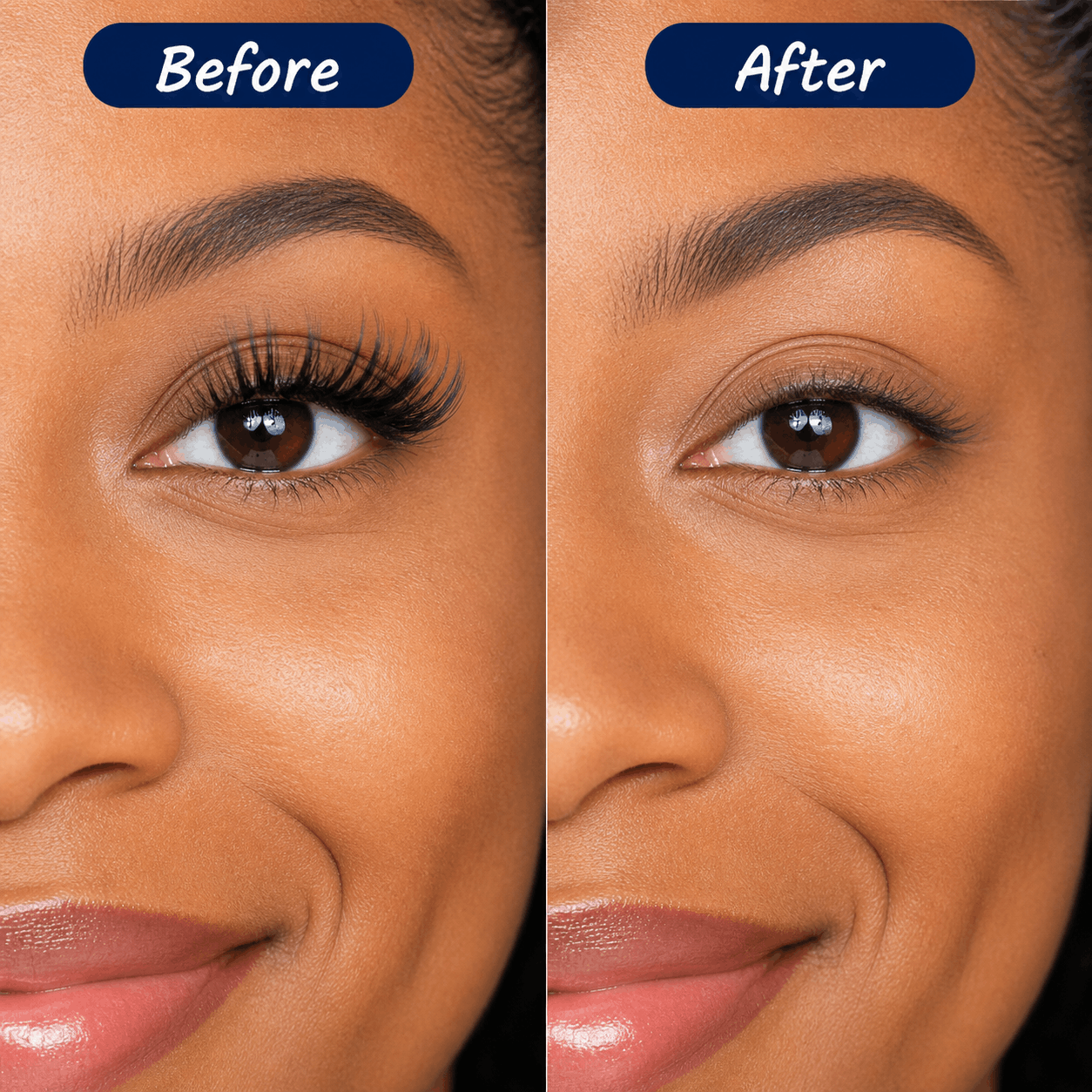
At-home removal is best when your lash extensions are already near the end of their lifecycle, loose, grown out, or shedding naturally. If the lashes are painful, clumped, attached too close to the eyelid, or pulling your natural lashes, stop and book salon removal.
DIY Removal Can Save Money
The main benefit of DIY eyelash removal is cost. A professional eyelash extension remover service may cost money, while at-home removal usually needs simple supplies like cotton pads, coconut oil, olive oil, baby oil, or oil-based makeup remover.
You also control the pace. You can go slowly, watch for redness or swelling, and stop right away if your eyes feel irritated.
DIY Removal Has Real Risks
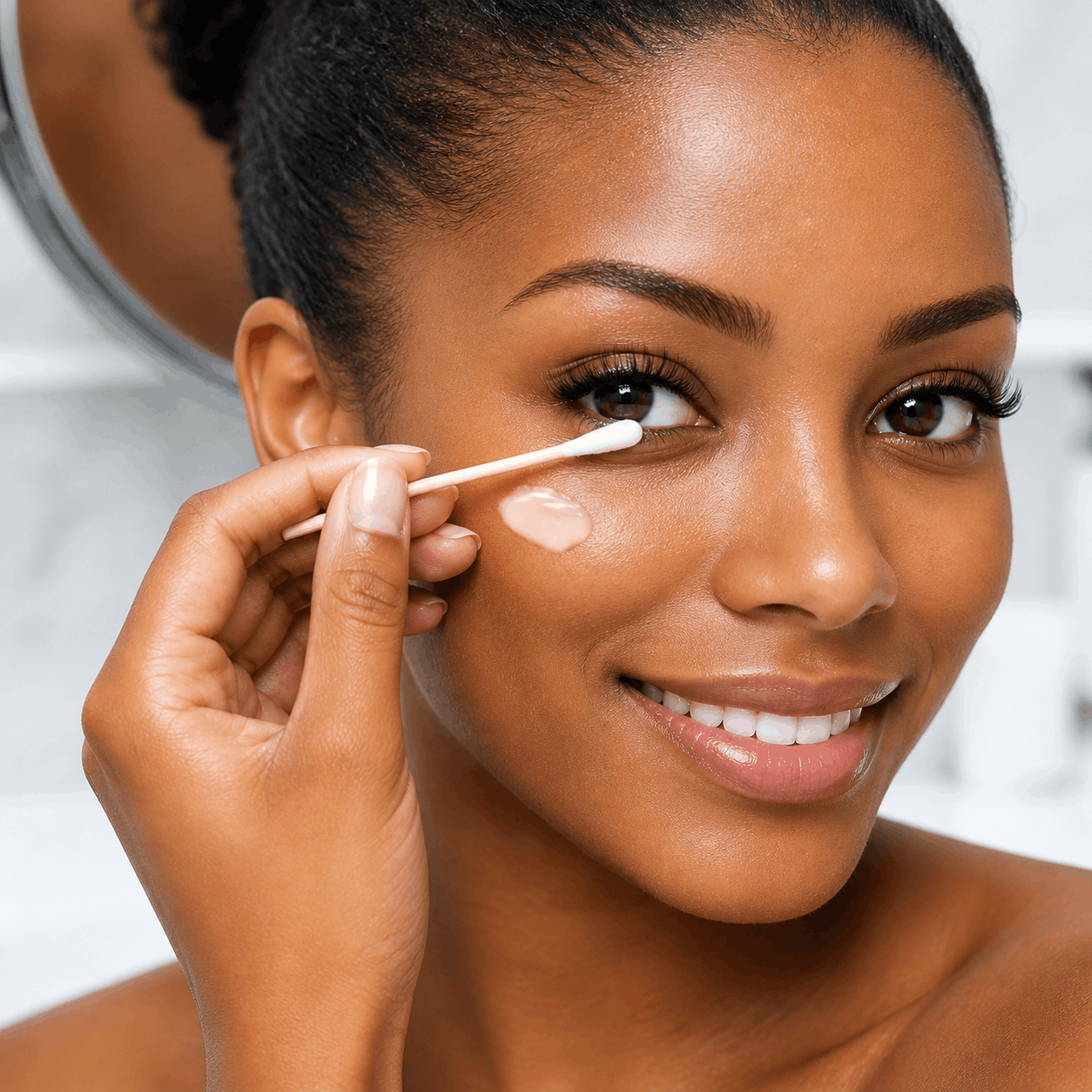
Removing lash extensions yourself can damage your natural lashes if you pull, tug, scrape, or use tweezers too close to the eyelid. Tweezers increase the risk of scratching the eyelid or accidentally pulling natural lashes during removal.
There is also infection risk. If your hands, cotton swabs, or tools are not clean, bacteria can reach the lash line and increase the risk of conjunctivitis, pink eye, redness, swelling, watery eyes, or irritation. Cleveland Clinic also warns that cosmetic lash procedures can increase the risk of eyelid inflammation, including blepharitis.
Professional Removal Is Safest
Experts generally recommend professional removal if your extensions will not slide off easily. Professional lash removers are formulated differently from regular makeup removers and should be used carefully.
If you experience eye pain, discharge, strong redness, burning, swelling, or vision changes, seek medical help. Do not keep applying oils or removers if your eye area feels worse.
At-Home Removal Options Compared
| Removal Method | Best For | How It Works | Risk Level | Important Safety Note |
|---|---|---|---|---|
| Steam Method | Softening adhesive before oil | Warm steam helps loosen the lash bond | Low | Do not use boiling-hot steam near your face |
| Coconut Oil | Gentle adhesive softening | Helps loosen eyelash extension glue over time | Low to Medium | Keep oil out of the eye and avoid excess oil |
| Olive Oil | Slow, gentle removal | Softens adhesive, but may take longer | Low to Medium | Use small amounts near the lash line |
| Castor Oil | Gradual loosening and lash conditioning | May help loosen bonds over repeated use | Medium | It does not dissolve glue quickly |
| Baby Oil | Budget-friendly oil removal | Mineral oil can soften lash adhesive | Medium | Avoid getting it into the eyes |
| Professional Lash Remover | Salon removal | Dissolves adhesive more directly | Medium to High | Best handled by a licensed lash technician |
| Tweezers | Not recommended | Pulls extensions manually | High | Can scratch eyelids and pull natural lashes |
Wealthy Hair Safety Standard
At Wealthy Hair, beauty should never come before lash health, scalp health, or eye safety. Whether we are educating customers about human hair wigs, weave, bundles, or lash-related care, our standard is simple: choose quality products, protect the natural hair or natural lashes underneath, and avoid harsh shortcuts.
For eyelash extensions, that means clean hands, gentle removal, eye-safe products, and knowing when to stop. DIY removal should be gentle, slow, and focused on lash health, not speed.
How To Remove Eyelash Extensions At Home
Follow this method only if your eyes feel normal and your lash extensions are already loosening. If they feel painful, stuck, or irritated, see a professional.
Step 1: Wash Your Hands First
Start with hand hygiene. Wash your hands with soap and water before touching your eyes, cotton pads, cotton swabs, or lash line.
This helps reduce infection risk. Avoid using dirty tweezers, old makeup tools, or anything that has touched other products.
Step 2: Cleanse The Eye Area
Use a gentle cleanser or eye-safe micellar water to remove makeup, oil, and debris. This prepares the skin and lash line for removal.
Avoid scrubbing. Use soft cotton pads and press gently around the eye area instead of rubbing back and forth.
Step 3: Use Steam To Soften Glue
Steaming the face with hot water can help soften lash adhesive for easier removal. Fill a bowl with hot water, place your face above the steam at a safe distance, and cover your head with a towel for 5 to 10 minutes.
The steam method does not fully dissolve eyelash extension glue, but it can help loosen the adhesive bond. Keep your eyes closed and do not place your face too close to hot water.
Step 4: Apply Warm Oil Carefully
Warm a small amount of coconut oil, olive oil, castor oil, or baby oil until it feels warm, not hot. Soak cotton pads in the warm oil and place them gently over closed lashes for several minutes.
Coconut oil is one of the gentler options because it helps loosen the adhesive bond without aggressive pulling. Olive oil is also popular, but it may take longer. Castor oil can be used, but it usually requires repeated applications over time. Baby oil can help, but keep it away from the inner eye.
Step 5: Brush Lashes Gently
After the oil has sat for several minutes, gently brush through the lashes with a clean spoolie. You can also use a cotton swab to slide off extensions that are already loose.
Do not force them. The goal is not to rip off lash extensions, but to loosen the bond until they slide away naturally.
Step 6: Repeat Slowly If Needed
If the extensions do not come off, repeat steam and oil another time. Some lash adhesive is strong and may need multiple gentle sessions.
Do not keep rubbing for a long time in one sitting. Too much oil can clog pores around the eyes and may cause breakouts or irritation.
Step 7: Cleanse Again After Removal
Once loose extensions slide off, cleanse the area again with a gentle cleanser or micellar water. This helps remove leftover oil, makeup remover, and loosened glue.
Pat the area dry with a clean towel. Do not rub your lash line.
Step 8: Condition Your Natural Lashes
After removing eyelash extensions, give your natural lashes a break. Use a gentle lash serum or lash conditioning routine if your eyes tolerate it.
Proper lash aftercare helps protect the natural lash cycle after extensions are removed. Avoid mascara, waterproof makeup remover, lash curlers, and new extensions for a few days if your lashes feel weak.
Products That May Help Loosen Lash Glue
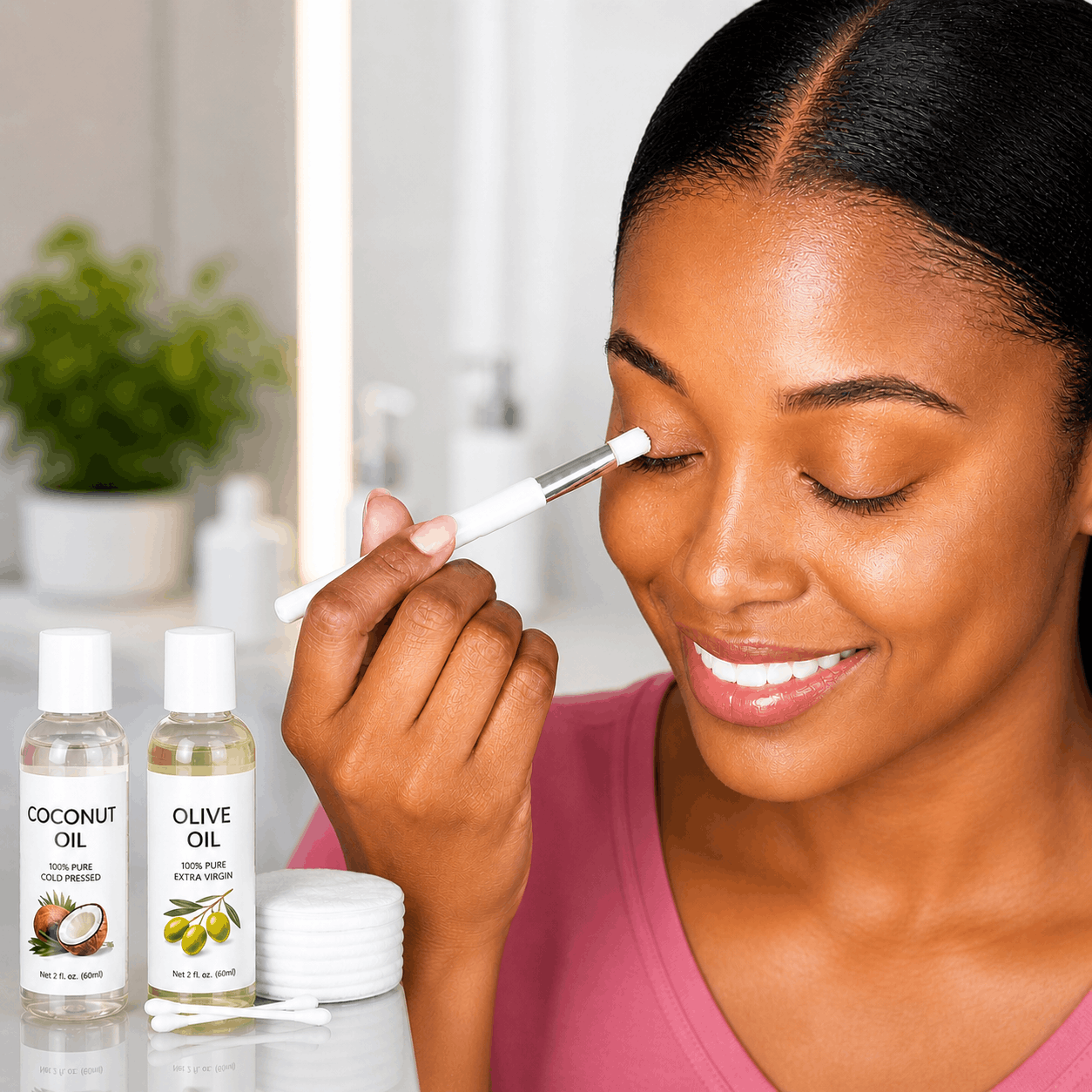
Coconut Oil Helps Soften Adhesive
Coconut oil can help loosen lash extension glue gradually. It is often considered one of the safer at-home oils when used carefully and kept out of the eyes.
Apply a small amount with a cotton pad. Let it sit, then gently brush with a clean spoolie.
Olive Oil Works More Slowly
Olive oil is a popular choice for removing eyelash extensions at home. It can soften the adhesive bond, but it may take longer than coconut oil.
Use it in small amounts. Too much oil near the eyelid margin can feel heavy and irritating.
Castor Oil Needs More Time
Castor oil can help loosen lash extensions, but it does not dissolve adhesive quickly. It may require multiple gentle applications over time.
Some people also use castor oil for lash conditioning. Still, keep it away from the waterline.
Baby Oil Can Help But Be Careful
Baby oil, often made from mineral oil, can help loosen lash adhesive. However, it can blur vision and irritate the eye if it gets inside.
Use only a small amount on closed eyes. Stop immediately if you feel burning or watery eyes.
Oil-Based Makeup Remover May Help
An oil-based makeup remover, especially one made for waterproof makeup, may help break down lash adhesive. Some oil-based removers contain glycols, which can help loosen adhesive bonds.
Choose eye-safe products. Avoid removers with strong fragrance or harsh active ingredients.
What You Should Avoid

Never Pull Lash Extensions
Pulling can get your eyelash extensions removed. If eye lashes are coming out with the extensions, stop and see a professional.
Forceful removal can cause lash breakage and may damage the follicle. In severe cases, this can lead to thinning or bald spots.
Do Not Use Acetone Near Eyes
Harsh chemicals like acetone should never be used near the eyes. Acetone can cause severe irritation, burning, and chemical injury.
Some professional removers may contain strong solvents, but they are meant for trained use. Do not experiment near your lash line.
Avoid Tweezers At The Lash Line
Tweezers may seem helpful for stubborn extensions, but they are risky. They can scratch the eyelid, pinch skin, or pull lashes.
If a lash extension needs tweezers to come off, it is not ready. Use more steam and oil, or book professional removal.
Avoid Petroleum Jelly
Petroleum jelly is often ineffective at breaking down professional lash glue. It can also clog pores around the eyes and create a heavy, sticky mess.
Use a gentle oil or eye-safe makeup remover instead. If nothing works, choose salon removal.
When To Stop DIY Lash Removal
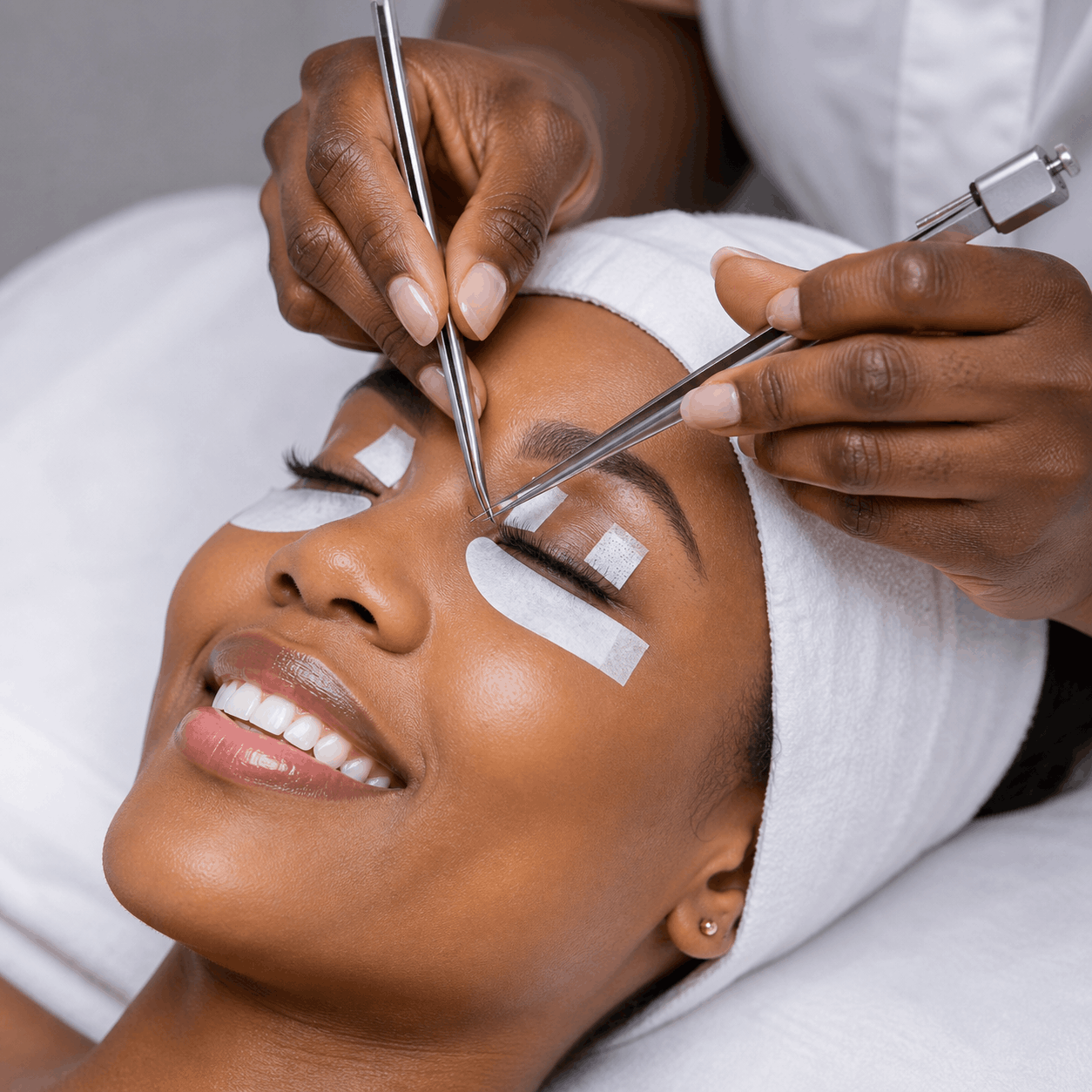
Stop DIY lash removal if you notice burning, swelling, redness, pain, discharge, strong itching, watery eyes, or vision changes. These signs can point to eye irritation, allergic reaction, contact dermatitis, infection, or conjunctivitis.
In professional lash care, irritation, redness, burning, or swelling are signs to stop immediately. For sensitive eyes, any remover should be kept away from the waterline and inner eye.
People Also Ask
How do you safely remove eyelash extensions at home?
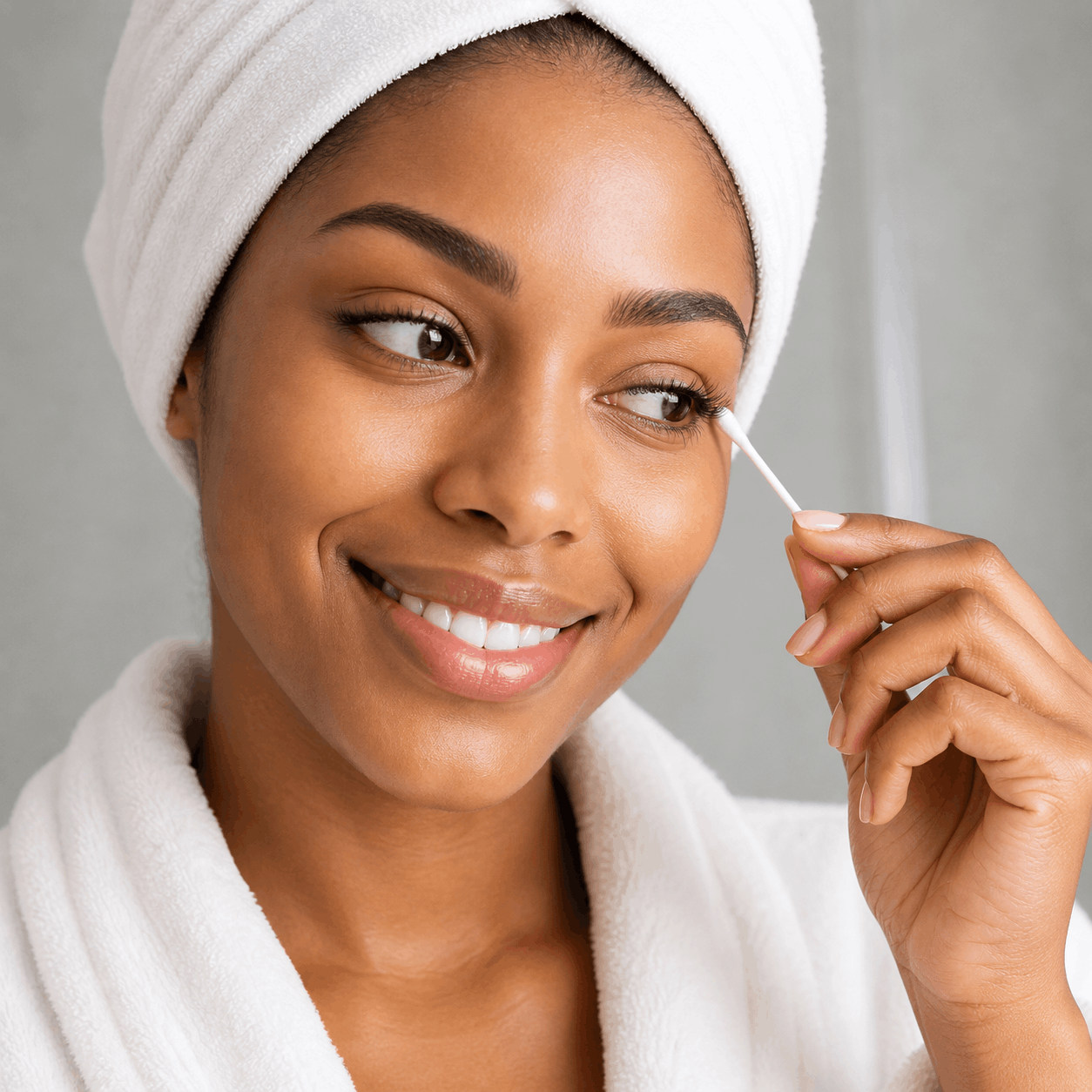
You safely remove eyelash extensions at home by cleansing the eye area, using steam, applying warm oil, and letting loose extensions slide off naturally. Steam and oil help soften the lash adhesive so you do not need to pull. Wealthy Hair recommends stopping immediately if you feel burning, redness, swelling, or pain.
What is the safest way to remove eyelash extensions without damage?
The safest way is professional removal by a licensed lash technician. At home, the safest method is slow adhesive softening with steam, coconut oil, or oil-based makeup remover. Wealthy Hair recommends never using tweezers or force because that can damage natural lashes.
Should you remove lash extensions at home or see a professional?
You should see a professional if your lash extensions are painful, clumped, stuck, or close to the eyelid. Professional lash remover is made to dissolve adhesive more safely and quickly. Wealthy Hair recommends DIY removal only for loose lashes near the end of their lifecycle.
What products help loosen eyelash extension glue?
Coconut oil, olive oil, castor oil, baby oil, oil-based makeup remover, and some cream-based makeup removers may help loosen eyelash extension glue. These products work by softening the adhesive bond over time. Wealthy Hair recommends using small amounts and keeping all products away from the inner eye.
How do you dissolve eyelash extension adhesive safely?
You dissolve eyelash extension adhesive safely by using professional remover at a salon or gentle oil-based products at home. Lash adhesive is strong because many formulas use cyanoacrylate adhesive. Wealthy Hair recommends avoiding acetone, harsh solvents, and any remover that causes burning.
Can coconut oil remove eyelash extensions?
Yes, it can help remove lash extensions by loosening the adhesive bond. It does not instantly dissolve professional lash glue, but it can help extensions slide off gradually. Wealthy Hair recommends applying warm coconut oil with cotton pads and brushing gently with a clean spoolie.
Can olive oil remove eyelash extensions?
Yes, olive oil can help remove eyelash extensions, but it may take longer than coconut oil. Olive oil softens the lash bond gradually instead of breaking it instantly. Wealthy Hair recommends patience and repeating the process gently instead of tugging.
Can castor oil remove eyelash extensions?
Yes, castor oil can help remove eyelash extensions over time. It is thicker and slower, so it may need several careful applications. Wealthy Hair recommends using only a small amount and stopping if your eyes feel irritated.
What should you avoid when removing eyelash extensions?
Avoid pulling, picking, tweezers, acetone, petroleum jelly, and harsh chemicals near your eyes. These can irritate the eyelid margin, damage natural eyelashes, or increase infection risk. Wealthy Hair recommends gentle oil, steam, clean tools, and professional help when lashes will not come off.
How long does it take to remove eyelash extensions at home?
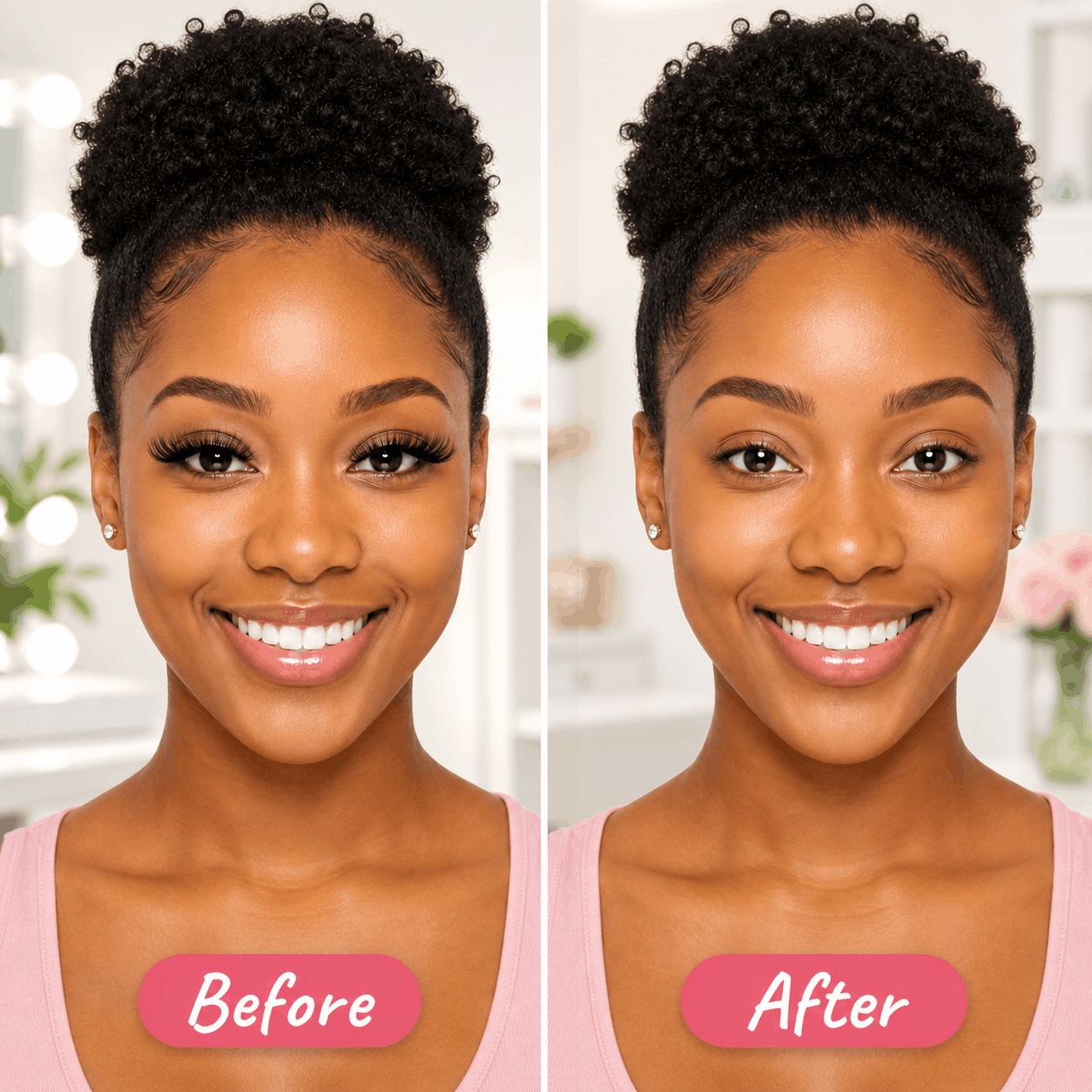
It can take 15 minutes to several sessions over a few days to remove eyelash extensions at home. The timing depends on the lash adhesive, lash retention, and how many extensions are already loose. Wealthy Hair recommends going slowly instead of trying to remove every lash in one sitting.
What happens if eyelash extensions won’t come off?
If eyelash extensions won’t come off, stop pulling and book professional removal. Stubborn extensions are likely still strongly bonded to your natural lashes. Wealthy Hair recommends salon removal to avoid lash breakage, traction damage, and bald spots.
Final Thoughts
Learning how to remove eyelash extensions at home can help when your lashes are already loose and you need a gentle way to finish the shedding process. The safest at-home approach is steam, warm oil, clean cotton pads, and a soft spoolie.
But remember this: your natural lashes matter more than fast removal. If your extensions are painful, stuck, irritating your eyes, or pulling out real lashes, stop and see a licensed lash technician.
References & Professional Standards
- Cleveland Clinic: Eyelash and lash procedure safety concerns, including allergic reaction and eyelid inflammation risks. (Cleveland Clinic)
- Cleveland Clinic: Eyelash loss, traction alopecia, and glue-related allergic reaction guidance. (Cleveland Clinic)
- Cleveland Eye Clinic: Eyelash extension complications including pink eye, eyelash loss, dermatitis, and hygiene concerns. (Cleveland Eye Clinic)
- Professional lash safety standard: Stop removal if irritation, redness, swelling, burning, discharge, or vision changes occur.
- Cosmetic eye-area hygiene standard: Use clean hands, clean tools, gentle products, and avoid harsh chemicals near the eyelid margin.

