

Wealthy Hair Guides
Everything You Need To Know About Sew-In Hair Extensions: Pros And Cons

The 60-Second Answer
Sewn in hair extensions pros and cons come down to beauty, comfort, cost, and hair health. Sew-ins can add long-lasting length, volume, and natural-looking style, but they need professional installation, scalp care, and timely removal. When installed too tightly or worn too long, they can cause breakage, matting, irritation, or traction alopecia.
What Are Sew-In Hair Extensions?

Sew-in hair extensions are weft hair extensions that are stitched into your hair using a needle and thread installation method. Your hair is usually braided into a cornrow base or braid foundation first. Then the stylist directly sews machine weft, hand-tied weft, or hair bundles onto the braids for a secure and seamless look.
A sew-in may also be called a sew-in weave, hair weave, braided sew-in, closure sew-in, frontal sew-in, full sew-in, or partial sew-in. The final look depends on the braid pattern, track placement, hair texture, and how well the extensions blend with your hair.
In my professional experience with hair extensions, the best sew-ins begin with clean, detangled, moisturized natural hair. A certified hairdresser or professional hairdresser should assess your scalp, hair density, natural hair health, and styling goals before installation to ensure the safest and best results.
How Do Sew-In Hair Extensions Work?
Sew-in hair extensions work by using your braided natural hair as the base. The stylist creates a cornrow pattern, places the wefts along the braid foundation, and secures them with thread. The installation process can take a significant amount of time, typically ranging from 3 to 5 hours, which can be tiring for both the stylist and the client. Installation charges are typically added to the total cost, and it is highly recommended to have the extensions installed by an experienced hairdresser to ensure quality and proper application.
A proper sew-in should feel secure, not painful. The stitching should be firm enough to hold the hair in place, but not so tight that it causes headaches, bumps, scalp soreness, or follicle stress. The American Academy of Dermatology warns that tight hairstyles can lead to hair loss caused by tension on the follicles, also called traction alopecia.
Pros And Cons Of Sew-In Hair Extensions
| Factor | Pros | Cons | Best For |
|---|---|---|---|
| Longevity | Can last 6 to 8 weeks, sometimes up to 3 months with care | Wearing longer than 2 to 3 months may cause matting | Long-term style lovers |
| Appearance | Natural-looking results with no visible clips; one pack is often enough for full head coverage, though longer hair may require more | Poor blending can make tracks noticeable | People wanting fullness and length |
| Maintenance | Low daily maintenance once installed | Scalp cleansing takes more effort | Busy clients |
| Hair Health | Can be protective when done correctly; sew-ins can add significant volume and length, making them ideal for thin hair | Tight braids can cause breakage or traction alopecia; may not be suitable for fine or fragile hair types due to weight and tension | Healthy, medium-to-thick hair; those with thin hair seeking volume (but not fine or fragile hair) |
| Cost | Reusable human hair can be a cost-effective investment; typically, one pack is enough for head coverage, saving on hair costs; total cost for full head coverage ranges from $100 to $300 for hair, plus installation charges of about $20 per row (3-5 rows, $60-$100 total) | Initial total cost can be higher than clip-ins when factoring in both hair and installation | Repeat extension wearers; those seeking value over time |
Pros Of Sew-In Hair Extensions
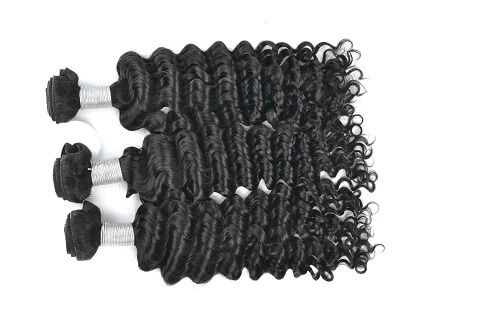
Sew-Ins Add Long-Lasting Volume
Sew-ins are a strong choice if you want longer, fuller hair without daily clip-in installation, as they can provide volume overnight, instantly transforming your hair. Because the wefts are stitched onto a braid foundation, they feel more secure than temporary hair extensions and are ideal for thin hair due to the significant volume and length they provide.
They can last from 1 to 3 months, depending on your hair, stylist, maintenance routine, and hair quality. Most professional stylists recommend removing sew-in extensions within the proper maintenance window to avoid matting, scalp tension, and damaging hair extensions.
Sew-Ins Offer Natural-Looking Results

Sew-in hair extensions can look very natural because they are directly sewn into the braid foundation, creating a seamless, natural appearance with no clips showing and no tape tabs near the roots. The hair is sewn into the braid foundation, which allows the extensions to lie close to the scalp when installed correctly.
A flat installation, good track placement, and proper leave-out blending can make the extensions look like your own hair. Closure sew-ins and frontal sew-ins can also create a natural-looking hairline without leaving much natural hair exposed.
Sew-Ins Give Styling Flexibility
Sew-in hair extensions allow you to try new hair lengths, textures, and styles. You can choose straight hair, body wave hair, deep wave hair, loose wave hair, kinky curly hair, or coily hair.
High-quality human hair extensions usually offer more styling flexibility than synthetic extensions. Human hair can often be curled, straightened, washed, and restyled, while synthetic hair may be limited by heat sensitivity.
Sew-Ins Can Support Protective Styling
A sew-in can be a protective style, giving your hair a break from daily styling. When the natural hair underneath is properly cleansed, moisturized, and not installed too tightly, sew-ins protect your hair by allowing it to grow without the daily stress of manipulation, as it is braided and shielded from environmental damage.
This can help with moisture retention and length goals when the style is maintained correctly. However, protective styling should never mean ignoring the scalp or leaving the style in too long.
Sew-Ins Are Low Daily Maintenance
Sew-ins are helpful for people who want a long-term hair option without styling their natural hair every morning. Once installed, they usually need gentle detangling, moisturizing, wrapping at night, and regular cleansing.
This makes them useful for busy people who want length and volume with less daily effort. Still, low daily maintenance does not mean no maintenance, good care is essential to keep your hair and your extensions looking their best.
Cons Of Sew-In Hair Extensions
Tight Sew-Ins Can Damage Hair
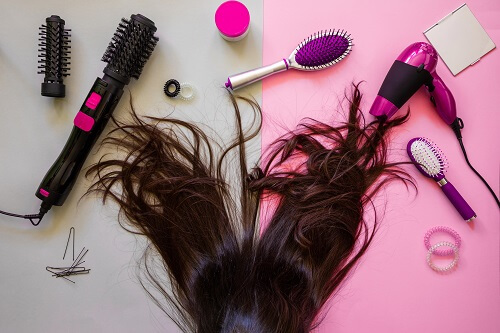
Do sew-in hair extensions damage your hair? They can if they are installed too tightly, worn too long, or not cared for properly.
Tight braids and heavy wefts can place too much traction tension on the scalp. Over time, this may lead to breakage, thinning edges, scalp irritation, or traction alopecia. Dermatology research links tight braids, cornrows, weaves, and extensions with traction alopecia risk, especially when tension continues over time.
Sew-Ins Take Time To Install
The installation process can take about 3 to 5 hours. The stylist must wash, detangle, braid, place the tracks, sew the wefts, cut, blend, and style the hair.
This can feel tiring, but the time matters. A rushed sew-in may not sit flat, blend well, or protect your real hair properly.
Scalp Care Can Be More Difficult
Keeping the braided area clean and dry can be challenging. Sweat, oil, product buildup, and dead skin can collect between the cornrows if the scalp is not cleansed correctly.
Poor scalp care may lead to itching, irritation, odor, or matting. The safest routine includes gentle scalp cleansing, light moisturizing, and making sure the braid foundation dries fully after washing.
Sew-Ins Are Not For Everyone
Sew-in extensions are not the best choice for everyone, as they may not be suitable for every type of hair, especially fine or fragile types of hair. The weight and tension of the braids required for sew-ins can put stress on delicate strands, making this method less ideal for those with fine or fragile hair types.
For clients with fine or fragile hair, a stylist may recommend a lower-tension method such as clip-ins, tape-ins, microlinks, or a wig. The safest choice depends on your type of hair, scalp sensitivity, lifestyle, and maintenance habits. Different types of hair extensions are designed to suit various types of hair, so consulting a professional can help you select the best option for your natural hair characteristics.
Sew-Ins Must Be Removed On Time
Sew-in hair extensions should usually be removed after 6 to 8 weeks to protect the natural hair underneath. Some people may stretch them closer to 2 or 3 months, but going beyond that can increase tangling, matting, buildup, and breakage.
If your real hair starts locking around the thread or braids, removal becomes harder. Timely removal is one of the best ways to protect your hair.
How To Choose The Right Sew-In Hair Extensions
Match Your Natural Texture First

Start by choosing a texture that blends with your hair. If you have loose waves, body wave or loose wave hair may blend well. If you have tighter curls, kinky curly or coily hair may look more natural.
The best texture for sew-in hair extensions depends on your curl pattern, hair density, and how much leave-out you plan to wear.
Choose Human Hair For Flexibility
Using real hair for sew-in extensions offers better movement, softness, and a more natural look compared to synthetic options. Human hair sew-in extensions are usually better than synthetic hair if you want heat styling, washing, restyling, and longer wear. Virgin human hair and Remy hair can offer better movement, softness, and tangle resistance.
Synthetic hair can be more affordable, but it may not last as long or handle heat as well.
Check Weft Quality Carefully
Look for shed-resistant wefts, strong stitching, and tangle-resistant hair. Double-drawn hair is fuller from top to bottom, while single-drawn hair has more natural taper at the ends.
If you want a fuller look, double-drawn hair may be better. If you want a softer, more natural finish, single-drawn hair may be enough.
How Should Sew-In Hair Extensions Be Installed?
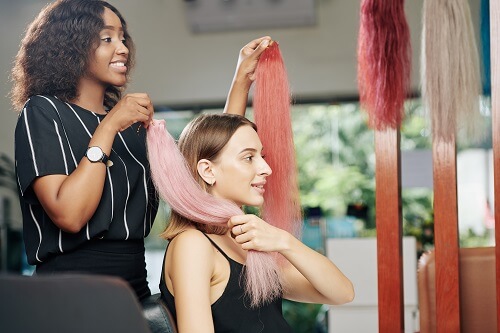
Sew-in hair extensions should be installed in a salon by a professional stylist who understands braid pattern, tension control, secure stitching, and natural hair preparation. Having your sew-ins applied in a salon ensures quality, proper hair care, and helps reduce the risk of breakage, uneven tension, and poor blending.
Before installing sew-in extensions, evaluate your natural hair density, scalp condition, desired length, and styling routine. Your stylist should explain how long to keep the sew-in, when to return for maintenance, and how to safely remove it.
Why Professional Installation Matters
A certified hairdresser or licensed stylist should assess your scalp, hair density, and natural hair health before installation to ensure the best results. This step is important because not every scalp can handle the same tension or braid pattern.
Improper installation is one of the most common reasons sew-ins cause discomfort or breakage. If your scalp feels painful after installation, that is not normal tension.
Wealthy Hair Maintenance Protocol
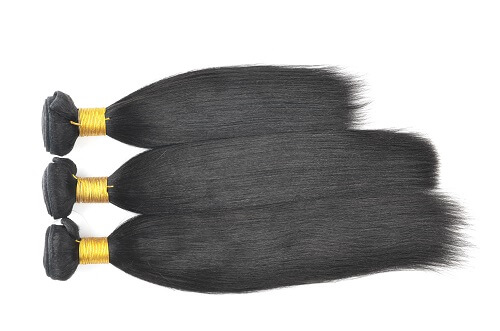
Proper hair care is essential for maintaining sew-in hair extensions and keeping your natural hair healthy. Following a consistent routine helps prevent .hair damage, promotes hair growth, and ensures the longevity of your hairstyle
- Start With Clean Hair
Wash and deep condition your natural hair before installation. The healthiest sew-in installations start with clean, detangled, moisturized natural hair. - Ask For Comfortable Tension
Your sew-in should feel secure, not painful. Tell your stylist right away if the braids feel too tight. - Wash Every 7 To 10 Days
Use a sulfate-free shampoo and focus on the scalp between the tracks. Rinse well to prevent product buildup. - Dry The Braids Fully
Make sure the braided base gets completely dry after washing. Damp braids can lead to odor, itching, and matting. - Moisturize Your Natural Hair
Use a light leave-in conditioner or scalp-friendly moisturizer. Apply it carefully between the tracks so your natural hair stays hydrated. - Detangle Gently
Use a wide-tooth comb or detangling brush. Start at the ends and work upward to prevent pulling. - Limit Heat Styling
Use heat protectant before curling or straightening. Keep hot tools around 350°F or lower when possible, especially on textured or colored hair. - Protect Hair At Night
Wrap your hair with a silk scarf, satin bonnet, or sleep on a satin pillowcase. This helps reduce tangling and dryness. - Book Maintenance On Time
Return to your stylist if the sew-in feels loose, tight, itchy, or uncomfortable. Do not ignore pain or scalp bumps. - Remove After 6 To 8 Weeks
Remove your sew-in within the safe maintenance window. Avoid wearing sew-ins longer than 2 to 3 months because matting and tangling can damage your natural hair underneath.
The Wealthy Hair Quality Standard
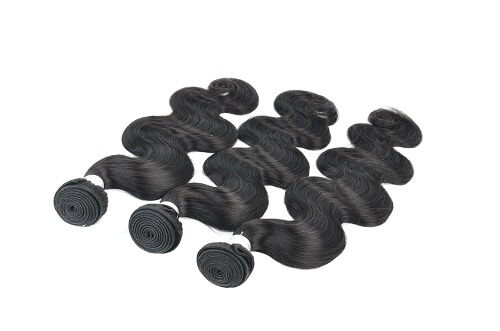
At Wealthy Hair, quality starts with sourcing, hair selection, and control standards. Premium hair should be chosen for donor integrity, softness, movement, and cuticle alignment. The goal is to provide natural-looking extensions that can be washed, styled, and reused with proper care, all while keeping your hair healthy.
Wealthy Hair focuses on human hair options that support styling flexibility and a polished finish. Every client should choose quality hair, a skilled stylist, and a realistic maintenance routine before committing to a sew-in.
Are Sew-In Hair Extensions Worth It?
Sew-in hair extensions can be worth it if you want long-lasting volume, secure wear, and a natural-looking style. They are especially useful if you want low daily maintenance and a semi-permanent hair extension method.
The biggest downside of sew-ins is that they require proper installation, scalp care, and timely removal. Sew-ins are not automatically damaging, and with proper installation and care, you don’t need to worry about damage from sew-ins.
People Also Ask
What Are Sew-In Hair Extensions?

Sew-in hair extensions are weft hair extensions stitched onto a braided base using needle and thread. They work because the cornrow base supports the extension tracks and keeps them secure. Wealthy Hair recommends choosing high-quality human hair wefts for the most natural-looking finish.
How Do Sew-In Hair Extensions Work?
Sew-in hair extensions work by sewing hair wefts onto cornrows made from your natural hair. The braid foundation holds the extensions in place without clips or tape. Wealthy Hair recommends professional installation so the tracks sit flat and the tension stays comfortable.
Are Sew-In Hair Extensions Good For Natural Hair?

Sew-in hair extensions can be good for natural hair when installed and maintained correctly. They can reduce daily heat styling and manipulation, but tight braids or poor scalp care can cause damage. Wealthy Hair recommends a scalp assessment before installation.
What Are The Pros And Cons Of Sew-In Hair Extensions?
The main pros are long-lasting volume, natural-looking results, styling flexibility, and low daily maintenance. The main cons are installation time, cost, scalp care challenges, and possible hair breakage if the sew-in is too tight. Wealthy Hair recommends weighing pros and cons of sewn in hair extensions pros before booking your appointment.
Do Sew-In Hair Extensions Damage Your Hair?
Sew-in hair extensions do not have to damage your hair, but they can if installed too tightly or worn too long. Tight hairstyles and extensions can place stress on follicles and increase traction alopecia risk. Wealthy Hair recommends removing sew-ins on time and never ignoring scalp pain.
How Long Do Sew-In Hair Extensions Last?

Sew-in hair extensions usually last 6 to 8 weeks with proper care. Some installs may last up to 3 months, but wearing them too long can cause matting and tangling. Wealthy Hair recommends professional removal within the safe maintenance window.
Are Sew-In Hair Extensions Better Than Tape-In hair Extensions?
Sew-in hair extensions may be better if you want a more secure, long-lasting style. In comparison, tape in hair extensions are a semi-permanent method that uses adhesive tapes to attach extension strands to your natural hair. Tape-ins can be faster to install, but the adhesive may cause stress or potential damage to natural hair, especially if not maintained properly. Wealthy Hair recommends sew-ins for clients who want a strong, stitched-in style and have enough hair density for braids, while tape-in hair extensions may suit those seeking a quicker application but with different maintenance needs.
What Is The Difference Between Sew-In Extensions And A Weave?

A sew-in is a type of weave where the hair wefts are sewn onto braids. A weave can include different installation methods, but sew-ins use thread and a braided foundation. Wealthy Hair uses the term sew-in weave when referring to stitched weft installations.
What Is The Difference Between Sew-In Extensions And Clip-In Extensions?
Sew-in extensions are semi-permanent to permanent hair extensions, while clip-in extensions are temporary. Sew-ins are stitched into braids and can last weeks, while clip-ins are removed daily. Wealthy Hair recommends clip-ins for occasional wear and sew-ins for longer-term styling.
Who Should Get Sew-In Hair Extensions?
People with healthy, medium-to-thick hair are often good candidates for sew-in hair extensions. The natural hair must be strong enough to support braids and wefts without pain. Wealthy Hair recommends a stylist consultation before choosing this method.
Who Should Avoid Sew-In Hair Extensions?

People with thin, fragile, breaking, or irritated hair should be careful with sew-ins. The weight and tension may worsen weak edges or scalp sensitivity. Wealthy Hair recommends repairing natural hair first if your stylist sees signs of damage.
How Much Do Sew-In Hair Extensions Cost?
Sew-in hair extensions may cost about $100 to $300 for full head coverage, depending on the brand and hair quality used. Installation charges are a significant part of the total cost, as a hairdresser typically charges about $20 for one row of sew-in hair extensions, and a full head usually requires 3 to 5 rows, resulting in installation costs of approximately $60 to $100. When calculating the total cost, be sure to combine the purchase price of the extensions with the installation fees. Wealthy Hair recommends investing in reusable human hair wefts if you plan to reinstall them.
How Do You Choose The Right Sew-In Hair Extensions?
Choose sew-in hair extensions based on your hair type, including texture, hair quality, length, density, and lifestyle. The best sew-in for you will depend on your hair characteristics, as different types of hair extensions are suited for different needs and hair types. The best match blends with your natural curl pattern and supports your styling routine. Wealthy Hair recommends human hair extensions for better movement and restyling.
Are Human Hair Sew-In Extensions Better Than Synthetic Hair?
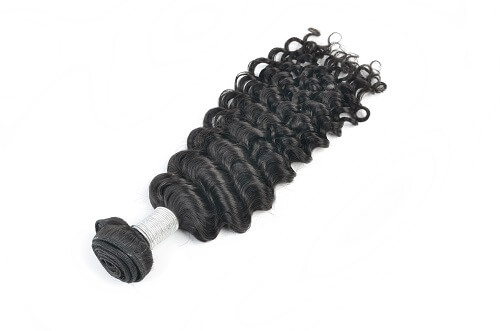
Real hair sew-in extensions are usually better for long-term wear and styling flexibility than synthetic options. They can often be washed, curled, straightened, and reused more easily than synthetic hair. Using real hair offers a softer, more natural-looking result and greater versatility in styling. Wealthy Hair recommends real hair if you want a soft, natural-looking result.
How Do You Keep Your Scalp Clean With Sew-In Extensions?
Proper hair care is essential for keeping your scalp clean and healthy with sew-in extensions. Wash gently between the tracks with sulfate-free shampoo, rinse thoroughly, and make sure to dry the braided base completely to prevent buildup, itching, and odor. Wealthy Hair recommends cleansing every 7 to 10 days or as advised by your stylist.
When Should Sew-In Extensions Be Removed?
Sew-in extensions should usually be removed after 6 to 8 weeks. Wearing them longer than 2 to 3 months can lead to matting, tangling, and damage to the natural hair underneath. Wealthy Hair recommends professional removal to protect your strands.
Should You Reuse Sew-In Hair Extensions?
You can reuse sew-in hair extensions if they are high-quality human hair and still in good condition. The wefts should be clean, soft, shed-resistant, and free from heavy tangling. Wealthy Hair recommends proper washing, conditioning, drying, and storage before reinstalling.
I am sure you will agree that extensions are a great way to get the look you want without damaging your hair with harsh chemicals or expensive treatments. Read our extensive article to find out on how long do hair extensions last
References
FDA hair product safety guidance for scalp irritation and chemical hair services. (fda.gov)
American Academy of Dermatology Association: guidance on hairstyles that pull and traction alopecia risk. (American Academy of Dermatology)
Cleveland Clinic: overview of hair loss causes, including traction alopecia from tight braids, weaves, and extensions. (Cleveland Clinic)
British Association of Dermatologists: traction alopecia guidance related to tight braids, weaves, and hair extensions. (British Association of Dermatologists)
Clinical review on traction alopecia patterns and prevention strategies. (PMC)

