

Wealthy Hair Guides
Behind the Beauty: The Complete Process of Making Lace Front Wigs


The 60-Second Answer
Learning how to make a lace front wig involves securing a lace frontal to a wig cap, ventilating strands of real or high-quality human hair, and customizing the front hairline for a natural transition. This process ensures a seamless, realistic look, enhances hairline definition, and allows for glueless or adhesive installation, making the wig both versatile and long-lasting.
Key Elements for a Natural and Durable Lace Front Wig

Crafting a lace front wig is an intricate blend of artistry and science. Each wig begins with a mesh wig cap, typically featuring a 13×4 or 13×6 lace frontal, which serves as the canvas for ventilating hair. Using virgin human hair with unidirectional cuticle alignment ensures tensile strength and moisture retention. Selection of lace types such as Swiss lace or HD lace impacts transparency and blending with skin tone, while hair density, porosity, and Yaki texture provide optimal styling versatility. Certified wig artisans recommend precise hairline customization, including baby hairs and small border trimming, to create a flawless natural transition.
Why Ventilation Matters for Realistic Hairlines
Ventilation is the meticulous process of hand-tying individual strands into the lace. Using 1–3 strands per hole, moving from the back to the front hairline, produces an undetectable gradient that mimics natural hair growth. Plucking knots and optionally bleaching the knots further enhances realism. T-pins and curved C-needles with nylon weaving thread stabilize and secure strands during creation.
The Importance of Lace Selection
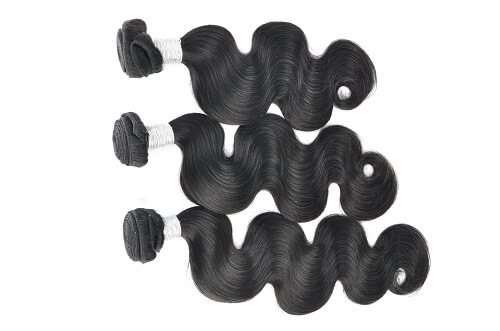
HD lace and film lace are preferred over thicker options, as they yield a seamless look against the scalp. Lace tint sprays allow the lace to match skin tone, eliminating the need for bleaching while preserving lace integrity.
Preparing Natural Hair for Wig Wear
Before applying a lace front wig, prepping natural hair is essential. Moisturize with steam or deep conditioning masks. Style hair into cornrows or flat twists for a flat base, and use a grip cap that matches the skin tone to smooth hair and prevent bumps. Edge control around the hairline ensures a clean, realistic appearance.
Curious about the origins of lace front wigs? Uncover the intriguing history of wigs and how they have evolved over time in this guide: The History of Lace Front Wigs and Wigs in General
Step-by-Step Process of Making a Lace Wig
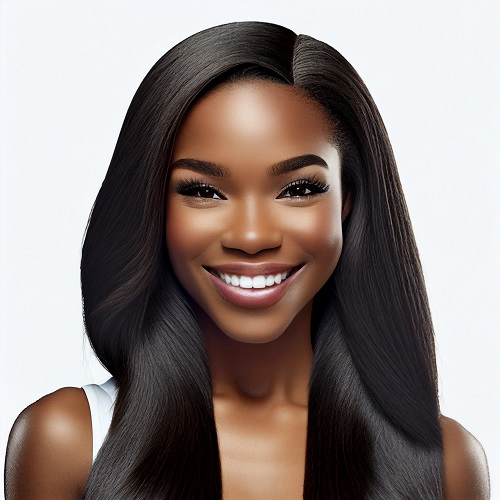
Select the Lace Wig
Choose a lace type and hair texture that complements your skin tone and style goals—be it curly, straight, or Yaki texture.
Trim Excess Lace
Cut the extra lace carefully, leaving a small border for a natural blend.
Sew Hair onto Wig Cap
Use fold-over method to attach hair wefts, preventing shedding and maintaining hairline density.
Install the Wig
Choose between glueless installation using combs and adjustable straps or adhesive methods for a longer-lasting hold.
Style and Final Touches
Style with heat tools carefully, respecting human hair porosity. Edge control, lace tint, and parting adjustments complete the natural transition.
Comparison Matrix: Lace Wig Variations
| Wig Type | Hair Type | Longevity | Luster Level | Processing Method |
|---|---|---|---|---|
| Lace Front Wig | Virgin Human Hair | 6–12 months | High | Hand-tied, ventilated |
| Full Lace Wig | Remy Human Hair | 6–18 months | Very High | Hand-tied, ventilated |
| Closure Wig | Human Hair | 4–10 months | Moderate-High | Sewn wefts with closure |
Expert Protocol: Wealthy Hair Maintenance
- Wash with sulfate-free shampoo every 7–10 days.
- Deep condition weekly using protein-rich hair masks.
- Detangle gently with a wide-tooth comb from ends to roots.
- Air dry; use heat protectant below 350°F for styling.
- Wrap wig in silk scarf or hair net for storage.
- For glueless wigs, check straps and combs for snug fit.
- Refresh baby hairs and edges as needed for realism.
People Also Ask
How to make a lace front wig from scratch?

Start with a mesh wig cap and lace frontal, then hand-tie hair using ventilation techniques. Use 1–3 strands per hole to mimic natural hair density. Wealthy Hair recommends plucking knots and trimming lace for a natural hairline.
What is a lace front wig and how is it crafted?
A lace front wig has a sheer lace panel along the front hairline, hand-tied with individual hair strands. It provides realistic appearance and flexibility for styling away from the face. Our wigs use clinical-grade human hair for durability and natural movement.
Step-by-step process of making a lace wig?
Secure lace frontal to a wig cap, sew hair wefts using curved needles, and ventilate strands along the front. Customize hairline with baby hairs and optional bleaching of knots. Finish by styling and installing glueless or adhesive-based.
How to install a glueless lace wig?
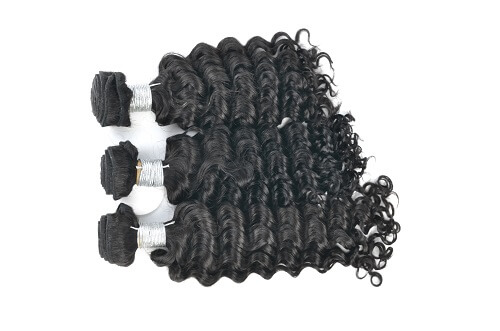
Pre-style your hair with cornrows or flat twists. Place wig on head, adjust straps, and secure combs. Use silk scarf edge control for a snug, natural-looking fit.
How to trim lace for a natural hairline
Trim excess lace leaving a small border. Use scissors carefully to maintain wig integrity. Add baby hairs for seamless transition.
How to style a human hair lace wig
Use heat styling tools under 350°F; maintain hair porosity. Style waves, curls, or straight locks. Edge control and parting adjustments enhance natural transition.
How to maintain and care for lace wigs?
Wash every 7–10 days, condition weekly, store on wig blocks, and protect with silk scarves. Avoid heavy styling products that cause buildup. Gently detangle and maintain natural hairline.
Differences between lace front wigs, full lace wigs, and closures?

Lace front wigs: lace at the front only, natural hairline.
Full lace wigs: lace covers entire head, versatile styling.
Closure wigs: small lace patch, protects natural hair, limited parting.
How can a lace wig give me a completely new look?
A lace wig allows you to transform your style instantly, offering a new look without altering your hair. By carefully attaching the wig along the forehead and styling it into a ponytail or flowing waves, you can switch up your appearance safely. Using light gel or glue ensures a secure hold while keeping the hairline seamless and natural.
Can I style a lace wig into a ponytail without damaging it?
Yes, high-quality lace wigs are designed for styling versatility, including creating a sleek ponytail. Position the lace correctly along your forehead, and use minimal gel or glue to smooth edges. Proper care prevents breakage while allowing you to enjoy a polished new look that feels just like natural hair.
What products help the lace wig stay secure on the forehead?
To keep your lace wig snug along the forehead, lightweight glue or gel works best for long-lasting hold. These products help maintain the hairline for styling, whether you’re wearing it loose or in a ponytail, giving you confidence in your new look without discomfort or slippage.
The Wealthy Hair Quality Standard
At Wealthy Hair, we source virgin human hair ethically, ensuring donor integrity and non-acid-washed processing. Each wig is hand-tied by certified artisans, using HD or Swiss lace, ventilated meticulously for natural realism. Tensile strength, hydration, and porosity are verified, guaranteeing longevity and effortless styling. Our rigorous quality control ensures each lace front wig delivers confidence, style, and professional-grade results.
References & Professional Standards
Hair Extension and Weave Industry Best Practices Manual
International Textile and Wig Association Standards (ITWAS)
Journal of Cosmetic Science – Human Hair Processing Studies
Certified Wig Artisan Guidelines – Hand-Tying & Ventilation Techniques
Clinical Trichology Research on Hair Porosity and Scalp Safety
Looking to purchase a quality lace front wig but not sure where to start? This curated buyer’s guide highlights the best places to buy lace front wigs for your needs: Where to Buy Quality Lace Front Wigs: A Curated Buyer’s Guide.

