

Wealthy Hair Guides
Are Knotless Braids Good For Natural Hair? Pros & Cons To Consider

The 60-Second Answer:
Is knotless braids good for natural hair? Yes, knotless braids can be good for natural hair when they are installed with low tension, moderate braid weight, and proper scalp care. They protect textured hair by reducing daily brushing, heat styling, and friction. However, tight braids, heavy extensions, poor washing, or rushed removal can still cause breakage.
What Makes Knotless Box Braids Different From Regular Box Braids?

Knotless box braids are a popular protective style made with a feed-in braiding method. Instead of starting with a traditional knot at the scalp, the braider begins with your own hair, this is how knotless braids start, with the hair starts at the roots, and gradually adds braiding extensions, often using kanekalon hair, as the braid forms. This knotless braid installation creates a flatter, lighter, and more natural looking result. The main difference between knotless box braids and regular box braids is that regular box braids use a traditional knot to secure the extension at the base, which can cause more tension and a bulkier appearance, while the knotless technique uses a feed-in method for a seamless, natural finish.
For natural hair, especially curly hair, coily hair, type 3 curls, type 4 hair, and 4C hair, this matters because the hair shaft can be fragile when it is dry or under tension. The hair cuticle protects the outside of the strand, while the protein-rich cortex gives the hair strength. When braids are too tight, too heavy, or left in too long, they can stress the hair follicle and lead to breakage, shedding, scalp irritation, or traction alopecia.
The knotless method and knotless technique are often healthier than traditional braids because they are pain-free, lightweight, and less damaging, placing less braid tension at the root and eliminating the bulky traditional knot. They also allow better airflow to the scalp, making it easier to clean the scalp, reduce sweat buildup, and prevent product buildup around the roots.
In my professional experience with protective styles, knotless braids are healthiest when the installation is lightweight and tension-controlled. A licensed stylist or experienced braider should adjust braid size, parting, and extension weight based on hair density, scalp sensitivity, hair porosity, and edge strength. If you want to know about knotless braids, remember they offer a gentle, natural looking, and versatile alternative to regular box braids, with key advantages in comfort and scalp health.
Knotless Braids Reduce Root Tension

Knotless braids are usually better for natural hair because they do not start with a tight knot at the scalp. The feed-in technique spreads the weight more evenly through the braid, and the knotless method is often described as pain free by clients and stylists.
This can make the style feel lighter, flatter, and more comfortable than traditional box braids. For people with fragile edges, fine natural hair, low-density hair, or scalp sensitivity, this lower-tension method can be a major benefit.
However, knotless braids are not automatically protective. They become protective when they reduce daily manipulation without causing pulling, pain, or stress on the hairline, and stylists recommend knotless braids to avoid the painful tugging associated with traditional methods.
Knotless Braids Support Length Retention
Knotless braids do not make hair grow faster. Their main benefit is hair growth retention, also called length retention.
Natural hair grows from the scalp whether it is braided or not. Knotless braids help you keep more of that growth by reducing daily combing, brushing, heat styling, and friction. While knotless braids do not directly promote hair growth, they create a healthy environment for your scalp and hair by minimizing breakage and scalp stress, which can support growth over time.
For natural hair, the goal of knotless braids is length retention, not forced hair growth. If your hair stays moisturized, your scalp stays clean, and the braids are removed gently, you may notice less breakage and better length over time.
4C Hair Works Well With Knotless Braids
Knotless braids are suitable for 4C hair and other coarse or tightly coiled hair types. 4C hair often holds braids well because the texture grips the braiding hair better.
Coarser hair textures may also keep knotless braids looking neat longer than finer textures. Fine natural hair may separate from synthetic braiding hair faster, especially if the braids are too small, too heavy, or left in too long.
A professional braid consultation should consider hair thickness, porosity, breakage history, and scalp condition before installation.
Fine Natural Hair Needs Lighter Braids
Knotless braids can work on fine natural hair, but the installation must be gentle. Fine strands have less natural density, so heavy braiding hair can place too much stress on the roots.
For fine natural hair, medium or lightweight knotless braids are often safer than jumbo or extra-long styles. Small parts with heavy extension hair can pull on the follicle and weaken fragile edges.
A good stylist should never braid through pain or use tightness as a sign that the style will last longer.
Knotless Braids Can Protect Edges
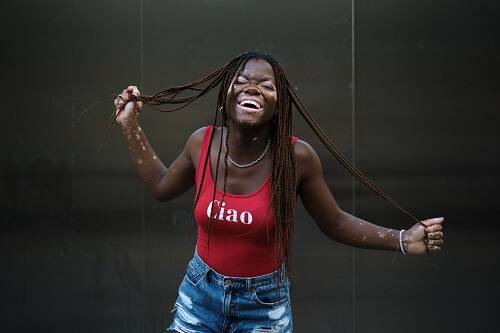
Knotless braids can be safer for edges because they do not use a tight knot at the hairline. This helps reduce direct pulling around the front of the scalp.
Still, knotless braids can damage edges if the braids are too tight, too small, too long, or too heavy. Tight braids around the hairline can lead to bumps, soreness, breakage, and in serious cases, traction alopecia.
From a scalp-health perspective, knotless braids should not feel tight, burning, or painful after installation.
Tight Braids Can Still Cause Damage
Improper installation of knotless braids can still damage natural hair. The word “knotless” does not mean tension-free if the stylist pulls too hard.
Signs that knotless braids are too tight include scalp bumps, burning, headaches, redness, pain when moving the braids, or a shiny pulled look around the edges.
If braids feel painful, pull at the scalp, or cause bumps, the style may be too tight and should be adjusted or removed.
Knotless Braids May Frizz Faster

Knotless braids may show new growth or frizz faster than traditional box braids. This happens because there is no tight knot securing the braid at the root. New hair growth can make knotless braids appear grown out sooner, which is a sign it’s time to refresh or remove the style.
That softer root is part of what makes knotless braids more comfortable. The tradeoff is that the style may look grown out sooner, especially on fine hair, high-frizz textures, or hair that is washed often.
Using mousse, a light braid spray, and nighttime protection can help keep the style neat without adding heavy buildup.
Knotless Braids Need Scalp Care
Knotless braids allow better airflow to the scalp, which can help with cleaning and comfort. Still, your scalp produces sweat, sebum, flakes, and natural oils while your hair is braided. Proper care for knotless styles is essential, gentle cleansing and attention to scalp health help maintain the style and prevent irritation.
Maintaining a hair braided style, like knotless braids, requires routines similar to other protective styles. Regular moisturizing, nightly protection with a silk or satin scarf, and gentle handling are important to keep the style looking fresh and your hair healthy.
Keeping your hair hydrated is crucial while wearing knotless braids to prevent dryness and breakage. Use lightweight products to avoid buildup around the roots and keep your hair moisturized.
Moisture Helps Prevent Breakage
Moisture balance is key for natural hair under knotless braids. Dry strands are more likely to snap when they are stretched, tucked, or pulled during styling.
Use a leave-in spray, braid spray, or light mist to hydrate the natural hair underneath braids. Then apply a lightweight oil or scalp oil only where needed to help seal moisture and reduce dryness.
Avoid thick creams and heavy oils near the roots because they can trap dirt, sweat buildup, and product residue.
Removal Should Be Gentle
The removal process for knotless braids is usually gentler than traditional box braids because there is no knot at the scalp. This can lead to less tugging, less shedding, and less breakage during takedown.
However, rushed removal can still damage natural hair. Always cut below your real hair, unravel slowly, detangle each section, and remove shed hair before washing.
The removal process matters as much as the installation because rough takedown can cause unnecessary shedding and breakage.
Knotless Braids Vs Box Braids Comparison
| Feature | Knotless Braids | Traditional Box Braids | Best Choice For Natural Hair |
|---|---|---|---|
| Root Method | Feed-in method with no knot | Extension hair knotted at root | Knotless braids for lower tension |
| Scalp Tension | Usually lighter and softer | Can feel tighter at the scalp | Knotless braids for sensitive scalps |
| Edge Safety | Better when installed gently | Higher pulling risk at hairline | Knotless braids for fragile edges |
| Longevity | Often 4 to 8 weeks, sometimes longer | Often lasts longer at the root | Box braids for longer neatness |
| Frizz Level | May frizz faster | May stay neater longer | Depends on hair texture |
| Installation Time | Usually 5 to 9 hours | Often faster | Box braids if time is limited |
| Cost | Usually $160 to over $600 | Often $50 to $150 less | Knotless for comfort and scalp health |
| Removal | Usually easier and gentler | Knot can make removal harder | Knotless for easier takedown |
Cost And Time Factors To Consider
Knotless braids usually cost more than traditional box braids because the feed-in technique takes more time and skill. The cost of knotless braids can range from $160 to over $600 depending on length, braid size, thickness, location, and stylist expertise.
They typically cost $50 to $150 more than traditional box braids. Installation can take anywhere from 5 to 9 hours, depending on the stylist, braid size, hair length, and how much braiding hair is used.
This higher cost can be worth it if your goal is comfort, scalp health, and a more natural look. Still, the safest choice is not always the longest or fullest style. The safest choice is the style your natural hair can carry without pain, pulling, or breakage.
The Wealthy Hair Quality Standard
At Wealthy Hair, protective styling is about beauty, comfort, and long-term hair health. We believe knotless braids should protect natural hair, not hide damage or create more stress on the scalp. Our quality standard focuses on clean preparation, low-tension installation, lightweight styling choices, scalp care, and gentle removal. For natural hair, textured hair, curly hair, coily hair, and 4C hair, the best braid routine is one that supports moisture, protects the hairline, and helps you retain healthy length without sacrificing your scalp.
People Also Ask
Are Knotless Braids Good For Natural Hair?

Yes, knotless braids are good for natural hair when they are installed with low tension and maintained properly. They reduce daily manipulation, which helps protect the hair shaft, hair cuticle, and fragile edges. Wealthy Hair recommends lightweight knotless braids, weekly scalp care, and gentle removal for the healthiest results.
Are Knotless Braids Good For 4C Hair?
Yes, knotless braids are good for 4C hair because coily textures often hold braids well and benefit from low-manipulation styling. 4C hair can be prone to dryness and breakage, so moisture and gentle tension are very important. Wealthy Hair recommends deep conditioning before braiding and using a leave-in spray while wearing the style.
Are Knotless Braids Good For Fine Natural Hair?
Yes, knotless braids can be good for fine natural hair if the braids are lightweight and not too long or heavy. Fine hair has less density, so heavy synthetic braiding hair can stress the follicle and cause breakage. Wealthy Hair recommends medium-size, low-tension knotless braids for fine natural hair.
Are Knotless Braids Better Than Box Braids?
Knotless braids are often better than box braids for comfort, scalp tension, and hairline protection. Traditional box braids start with a knot at the root, which can create more pulling on natural hair. Wealthy Hair recommends knotless braids for people with scalp sensitivity, fragile edges, or tension concerns.
Are Knotless Braids Less Damaging Than Box Braids?
Yes, knotless braids are usually less damaging than box braids when installed correctly. The feed-in method spreads the braid weight more gently instead of placing a tight knot at the scalp. Wealthy Hair recommends avoiding tight parts, heavy extensions, and painful installation.
Do Knotless Braids Damage Natural Hair?
Knotless braids can damage natural hair if they are too tight, too heavy, left in too long, or removed roughly. Damage happens when tension stresses the hair follicle or dry strands snap under pressure. Wealthy Hair recommends tension-controlled installation, scalp cleansing, moisture care, and slow takedown.
Do Knotless Braids Cause Breakage?
Knotless braids can cause breakage if natural hair is dry, weak, tangled, or pulled too tightly. Breakage often happens near the roots, edges, or ends when the hair shaft is under too much stress. Wealthy Hair recommends trimming split ends, deep conditioning, and detangling before installation.
Do Knotless Braids Help Natural Hair Grow?
Knotless braids do not make natural hair grow faster, but they can help with length retention. They reduce daily brushing, heat styling, and friction, which can help you keep more of your natural growth. Wealthy Hair recommends using knotless braids as a low-manipulation style, not a forced growth method.
Are Knotless Braids A Protective Style?
Yes, knotless braids are a protective style when they reduce manipulation and protect the ends without adding tension. They protect natural hair best when the scalp stays clean and the braids are not too heavy. Wealthy Hair recommends lightweight installs, regular moisture, and satin or silk nighttime protection.
Are Knotless Braids Safe For Edges?
Knotless braids can be safe for edges because they do not begin with a tight knot at the hairline. However, small parts, heavy braiding hair, and tight styling can still pull on fragile edges. Wealthy Hair recommends soft hairline parting and avoiding high ponytails that pull the front braids.
Are Knotless Braids Good For Thin Edges?
Knotless braids may be better for thin edges than traditional box braids, but they must be installed carefully. Thin edges are more fragile and can be harmed by braid tension, tight parts, or heavy extensions. Wealthy Hair recommends speaking with a licensed stylist before braiding weak or thinning edges.
Are Knotless Braids Good For Hair Growth?
Knotless braids are good for hair growth retention, not faster growth. The style helps protect natural hair from daily stress, which can reduce breakage and support longer-looking hair over time. Wealthy Hair recommends pairing knotless braids with scalp care, moisture, and rest periods between styles.
How Long Should You Keep Knotless Braids In Natural Hair?
You should keep knotless braids in natural hair for about 4 to 8 weeks in most cases. Some styles can last up to three months, but longer wear can increase buildup, tangling, and breakage risk. Wealthy Hair recommends removing them sooner if your scalp itches, flakes, hurts, or your roots begin to mat.
How Often Should You Moisturize Knotless Braids?
You should moisturize knotless braids every 2 to 3 days, or whenever your natural hair feels dry. Dryness can weaken textured hair and make it more likely to snap under braid tension. Wealthy Hair recommends a leave-in spray, braid spray, and light oil only where needed.
How To Wash Knotless Braids On Natural Hair?
Wash knotless braids by focusing on the scalp, not roughing up the braid length. Use diluted shampoo or a gentle sulfate-free cleanser, massage with your fingertips, and rinse with lukewarm water. Wealthy Hair recommends cleansing at least weekly if you sweat often or use scalp products.
Can Knotless Braids Cause Traction Alopecia?
Yes, knotless braids can cause traction alopecia if they are installed too tightly or worn repeatedly without rest. Traction alopecia happens when constant pulling weakens the hair follicle, especially around the hairline. Wealthy Hair recommends removing painful braids and giving the scalp time to recover.
Want to know more about braiding and the different braiding options available to you? Our complete guide on braiding will come in handy: Ultimate Guide To Braiding- The History Plus Secret Tips For A Flawless Look.
Knotless braids are a great way to add length and volume to your hair without using damaging extensions. But how long do knotless braids last? Find out on this guide: How Long Do Knotless Braids Last? (The Answer Might Surprise You).
You love your braids and want to know how to properly wap them so they last longer? Read this guide to learn how to wrap braids at night: How To Wrap Your Braids At Night For Longer, Healthier Hair.

