

Wealthy Hair Guides
Ultimate Guide To Braiding- The History Plus Secret Tips For A Flawless Look
The 60-Second Answer
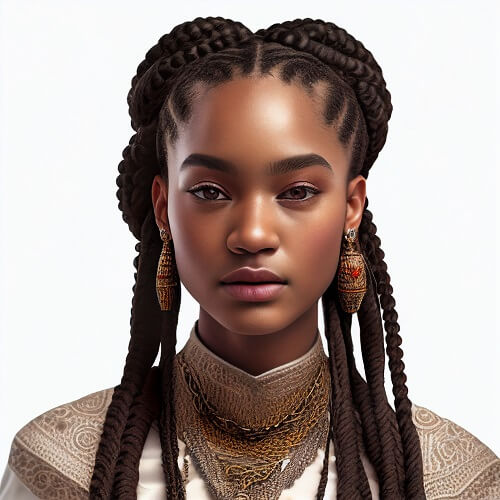
Braiding is the art of weaving hair into patterns using two, three, or more sections. It has been used for thousands of years as a protective hairstyle, cultural symbol, beauty practice, and form of identity. From ancient Africa to modern salon styles, braiding protects natural hair, expresses creativity, and creates polished, long-lasting looks.
What Braiding Means For Hair And Culture

Braiding is more than a hairstyle. It is a traditional hair artistry method that joins beauty, history, and hair protection. A braid is made by crossing strands of hair in a repeated pattern. The most common braid is the three-strand braid, but many styles use feed-in methods, underhand braiding, overhand braiding, extensions, beads, cuffs, and creative parting patterns.
From a hair health perspective, braiding can help protect the hair shaft by reducing daily brushing, heat styling, and friction. This matters for natural hair, curly hair, coily hair, type 3 curls, type 4 hair, and 4C hair because textured hair often needs more moisture support and less manipulation.
A healthy braid installation should feel secure, not painful. The goal is to protect the hair cuticle, support the protein-rich cortex inside the strand, reduce breakage, and avoid unnecessary follicle tension. Professional stylists focus on sectioning, grip control, braid tension, strand placement, clean parts, smooth roots, and tucked ends to create neat braids that last.
Braiding Styles At A Glance
| Braid Type | Best For | Technique | Hair Health Benefit | Style Look |
|---|---|---|---|---|
| French Braid | Daily styling | Overhand braiding | Keeps hair controlled | Smooth and classic |
| Dutch Braid | Bold raised braid | Underhand braiding | Reduces loose strands | 3D and defined |
| Fishtail Braid | Soft detail | Two-strand weaving | Gentle when loose | Textured and pretty |
| Box Braids | Long-term wear | Square sections | Low daily manipulation | Versatile and stylish |
| Cornrows | Scalp designs | Close-to-scalp braiding | Keeps hair tucked | Clean and patterned |
| Knotless Braids | Sensitive scalps | Feed-in method | Less base tension | Flat and natural |
| Crochet Braids | Quick styling | Crochet install | Less direct braiding | Full and flexible |
How To Make Braids Look Flawless
Smooth Roots Start The Style
The neatest braids start with clean parts and controlled tension. Smooth roots help the braid pattern look polished from the beginning.
Use a small amount of braid gel, mousse, or edge control to smooth flyaways. Avoid heavy products that can clog the scalp or leave residue.
Even Sections Improve Symmetry
Professional braiders focus on balance, section size, grip, and tension control. If one section is larger than the other, the braid can twist, loosen, or look uneven.
Before braiding, check your parting pattern. Make sure each braid has enough hair to hold without pulling.
Tucked Ends Look Cleaner
Tucked ends help the braid look smooth and finished. This is especially important when blending natural hair with braiding hair.
For natural hair under extensions, the stylist should tuck the real hair carefully so it does not stick out from the braid. This creates a cleaner and more seamless result.
Mousse Helps Reduce Frizz
Mousse can help lay down flyaways and keep braids looking fresh. Apply a light amount over the braids and tie them down with a satin scarf.
This works well for box braids, knotless braids, cornrows, feed-in braids, goddess braids, and stitch braids.
Are Braids Good For Natural Hair?

Braids can be good for natural hair when they are installed and cared for correctly. For natural hair, the goal is to protect the hair shaft while reducing daily manipulation.
Braids can protect curly or coily hair by helping with moisture retention and limiting daily brushing. However, they can also cause damage if they are too tight, too heavy, left in too long, or installed on dry, weak hair.
Healthy braid care includes scalp cleansing, moisture support, and nighttime protection. The safest braiding techniques protect the hairline while keeping the style neat.
The Wealthy Hair Quality Standard

At Wealthy Hair, quality is about beauty, comfort, and hair health. We believe braided styles, wigs, weaves, and extensions should support confidence without harming the scalp or hairline. Our quality standard focuses on ethical sourcing, careful texture matching, donor integrity, and hair that keeps its natural movement.
For human hair wigs and extensions, Wealthy Hair values unidirectional cuticle alignment, strong tensile strength, non-acid-washed processing, and healthy donor integrity. This helps reduce tangling, support a smoother finish, and create a more natural blend with braided styles. For every protective style, our goal is simple: polished beauty, safe tension, and hair that still feels healthy after the style comes out.
People Also Ask
What Are Box Braids?

Box braids are a popular African hairstyle made by sectioning the hair into square-shaped parts before braiding. Many people wear braided hair extensions with box braids to add length, fullness, and styling options. This braid style is loved by black women because it is protective, versatile, and deeply connected to the history of braids.
What Is The History Of Bantu Knots?

The Bantu Knots hairstyle traces back to the 2nd millennium BC and is deeply connected to African tribes, heritage, and community. For many African women, Bantu Knots are more than just a hairstyle because they reflect identity, beauty, and cultural pride. This style remains an important part of the history of braids and black culture.
How Did Braiding Bring Communities Together?

Braiding was traditionally a communal activity where women and young girls gathered to braid hair, share stories, and connect with one another. This made hair braiding more than a beauty routine. It became a meaningful tradition that strengthened relationships, preserved black culture, and celebrated the beauty of intricate hair and intricate braids.
Why Is Learning To Braid Considered A Rite Of Passage?
Learning to braid hair has been a rite of passage for many young African girls because it symbolizes maturity, skill, and connection to tradition. As young girls learned different braid styles, they also learned about family, identity, and community. This helped keep the history of braids alive from one generation to the next.
What Did Braids Symbolize In Ancient African Societies?

In ancient African societies, braids symbolized identity, status, religion, age, and belonging. Different African tribes used braided hairstyles to communicate important details about a person’s life. For black women, intricate braids were not just a hairstyle but a powerful cultural language.
What Do Three-Strand Braids Symbolize?
Three-strand braids are a universal braid style found in many cultures. In some Native American traditions, they symbolize the body, mind, and spirit. This simple technique shows how braided hairstyles can carry emotional, cultural, and spiritual meaning beyond the way the hair braided looks.
How Were Braids Used In Ancient Peru?
In ancient Peru, both men and women wore braided hairstyles to show social status. The number of times the braid wrapped around the head could show a person’s position in society. This proves that braid styles were not only important in African tribes but also in other ancient cultures around the world.
How Did Braids Become Popular Again In The 1970s?
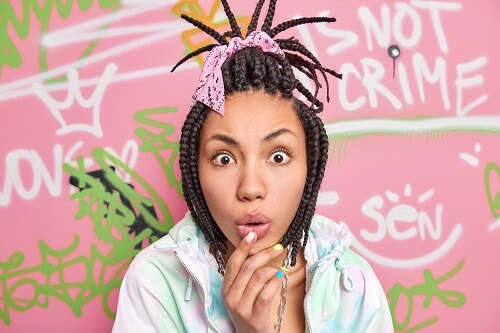
In the 1970s, braids gained renewed popularity in Western culture through the natural hair movement. This movement celebrated black American hair culture, black women, and the beauty of natural textures. Braided hairstyles became a proud symbol of identity, confidence, and cultural resistance.
How Have Braids Been Used Throughout History?
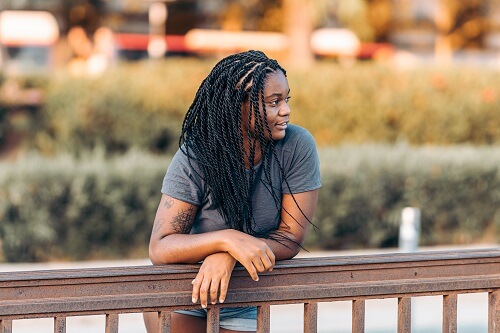
Braids have served many purposes throughout history, including showing age, tribe, marital status, religion, and social rank. In African cultures, intricate braids were a form of social art and communication. Today, braid styles continue to celebrate African women, black women, black American hair culture, and the beauty of hair braided with meaning.
What Are Cornrows?

Cornrows are a traditional African hairstyle where the hair is braided close to the scalp in straight lines or creative patterns. Cornrows can be simple or highly detailed, depending on the design. This style is one of the most recognizable braided hairstyles in black culture and remains a timeless part of hair braiding history.
Why Was Hair Braiding Important In African Culture?
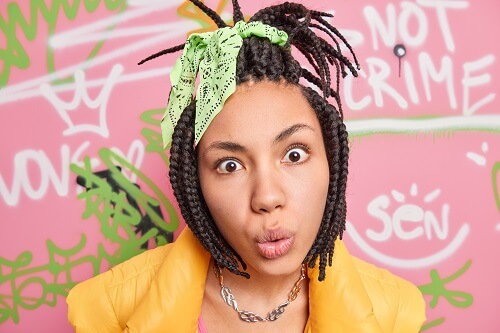
Hair braiding was important in African culture because it helped express identity, family background, tribe, age, marital status, and social standing. Braided hairstyles often carried meaning, especially among African women and young girls. In many communities, getting the hair braided was also a bonding experience where stories, lessons, and traditions were passed down.
We all know that braids have a rich and fascinating history. But how long do knotless braids last? Find out here: How Long Do Knotless Braids Last? (The Answer Might Surprise You)

