

Wealthy Hair Guides
Wig Density: How to Choose for a Natural and Flawless Look
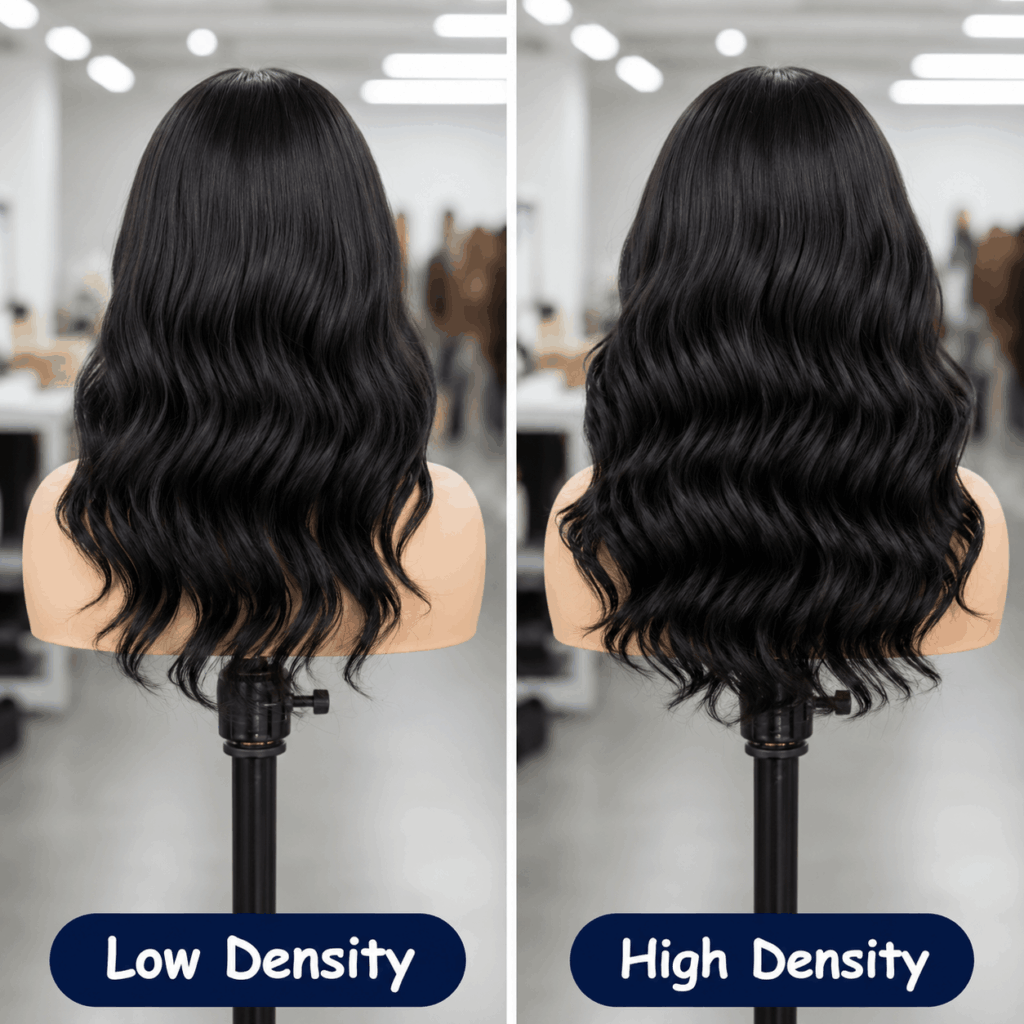
The 60-Second Answer:
Choosing the right density of wig helps your hair look natural, full, and flattering. For a soft everyday look, choose light to medium density. If you love extra volume, go higher, but avoid anything too bulky. Think about your face shape, lifestyle, and natural hair thickness so your wig blends well and gives a flawless finish.
The Science Behind Wig Density: How Is It Measured?
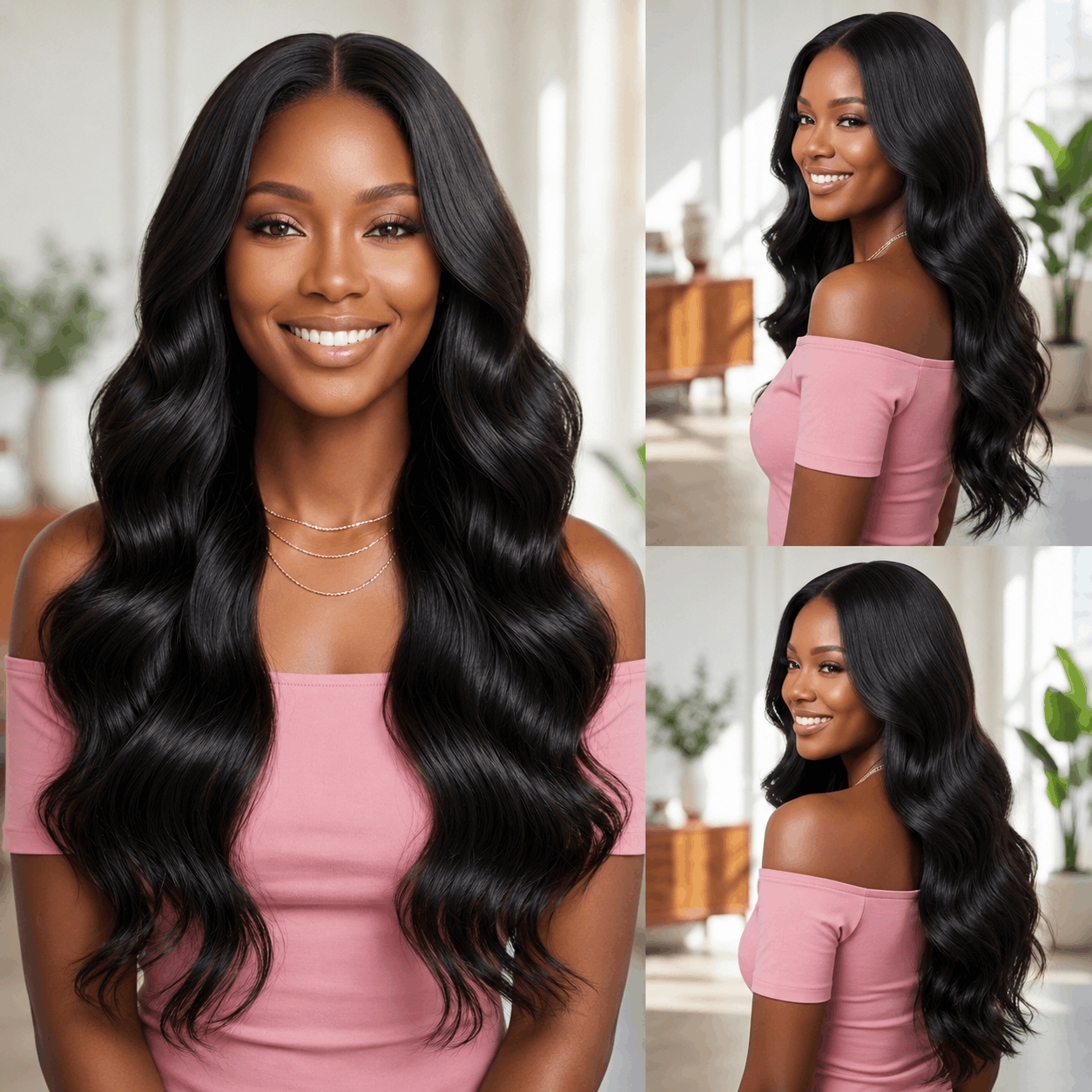
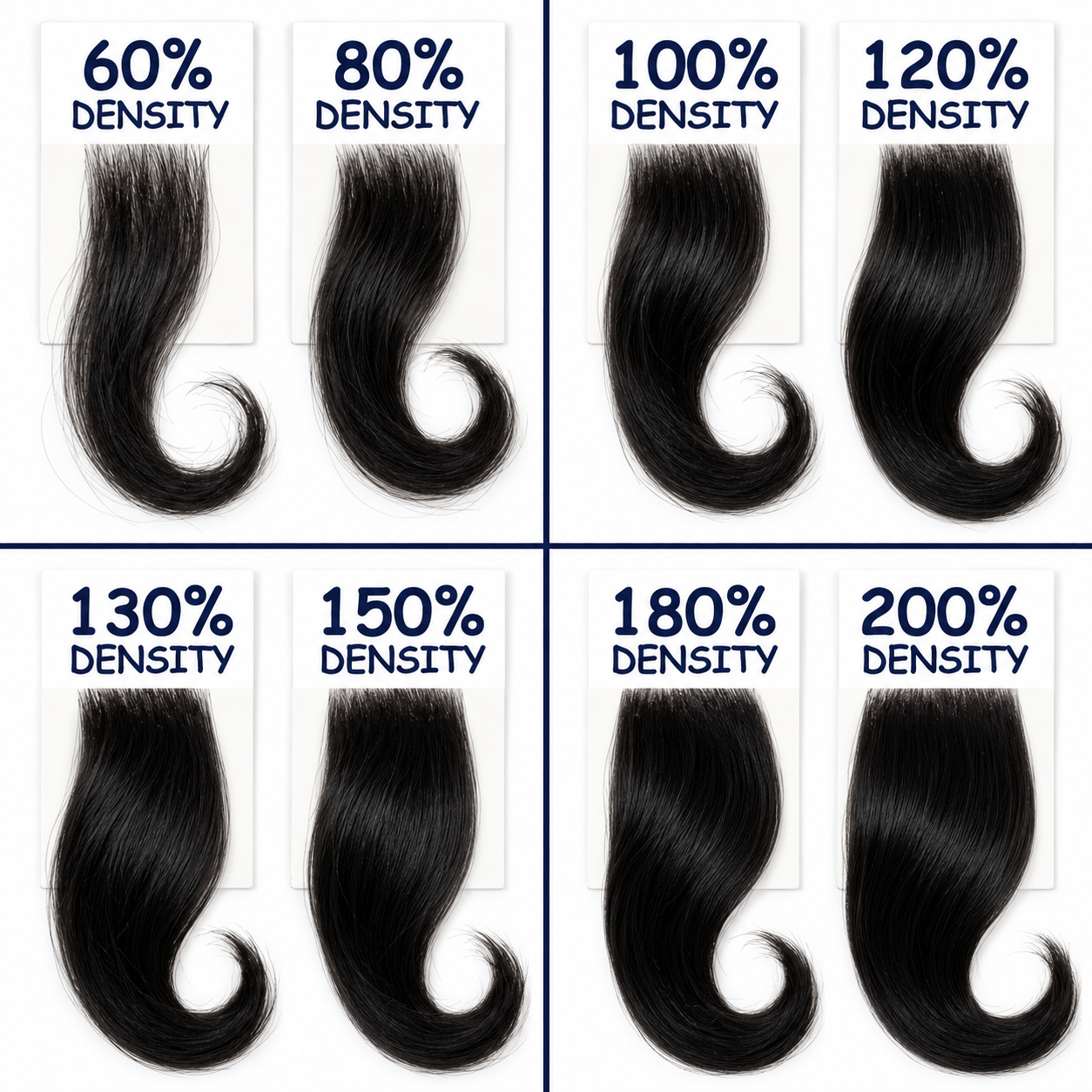
Understanding wig density means knowing how much hair is added to wig caps and how full the wig appears overall. In simple terms, a wig’s density is shown as a percentage that reflects how much hair is used, with standard hair density starting at 100% as the natural baseline and common options ranging from 60% to 250%. So, the higher the percentage, the thicker and fuller the natural hair will appear. The thicker wig density is especially great for folks with low density wigs or naturally thin hair, as it creates a more natural and voluminous look.
Around 120% closely matches the hair density of the average human head, so it’s often treated as a natural, regular starting point when understanding wig density.
On the flip side, if you already have thick or coarse hair, lower hair densities may be more up your alley. This will give you a lightweight and breezy feel without the added bulk.
So, when you’re out and about searching for your perfect lace wig cap, keep in mind your unique needs and preferences. Whether you want to add some va-va-voom to your tresses or keep things light and airy, wig density is definitely something to consider.
Different Types Of Natural Hair Density: Which One Is Right For You?
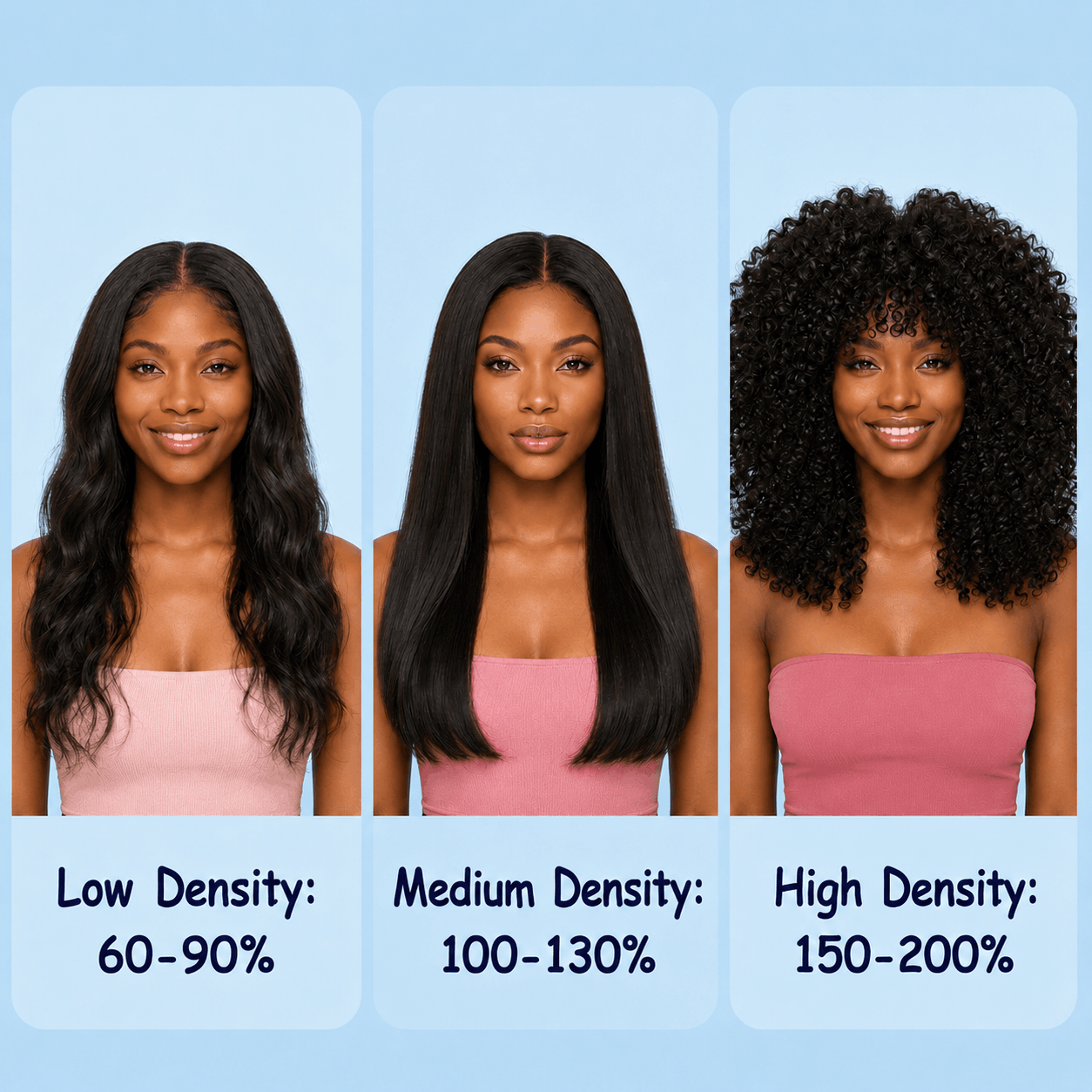
It’s essential to know about the different wig densities available, since wig densities range from extra light hair density options to heavy density wigs. Lucky for you, we’ve got the lowdown right here on the popular wig densities and how different densities can look and feel.
Let’s start with light or low density wigs. These are perfect for those with thinning or fine hair who want to add volume and body without feeling weighed down. Extra light density wigs can be around 80-90%, and that range is often recommended for very thin or fine hair. With light density, you’ll achieve a natural look that won’t scream “wig!”
Next up, we have medium density wigs. These are the go-to for most wig cap wearers, as they provide a natural and balanced appearance. If you’re not sure which hair density to choose, medium density wigs are usually a safe bet, with the regular hair density found at around 120-130% as the standard, natural-looking range for most people.
Thirdly, we have heavy natural density wigs. These are great for those with thick or coarse hair who want the fullest coverage possible. With a heavy hair density, you’ll achieve a luxurious and full-bodied look that’s sure to turn heads. For reference, 150% is a popular choice for more volume, while hair density found at 200% is the heaviest and is often used by professionals.
So, which natural hair density is right for you? Well, that all depends on your unique needs and preferences. Take some time to consider what you want out of your wig, and choose the hair density that best fits the bill.
Factors That Affect Wig Density: Choosing The Right Wig For Your Needs
When shopping for a wig, it’s important to consider the factors that affect wig density. The type of hair used, the construction of the wig, and the overall design all influence the density of the wig when worn.
The hair density you choose should depend on your individual needs and preferences as well as your lifestyle. To choose wig density well, think about how much fullness you want, whether you need more or less density for your style, and how closely it should match your own hair. A lower density wig feels lighter and allows better air circulation to the scalp. If you prefer a natural look with minimal maintenance, then light or medium density wig is likely best for you. If you have thick or coarse hair that needs extra coverage and volume, then heavy hair density may be more suitable. Higher density wigs can feel heavier, trap more heat, and usually cost more than lighter options. However, it’s important to consult with a professional stylist or wig specialist in order to find the right wig for your unique needs and the same density as your natural hair for the most seamless, undetectable result.
Tips For Maintaining The Density Of Your Wig
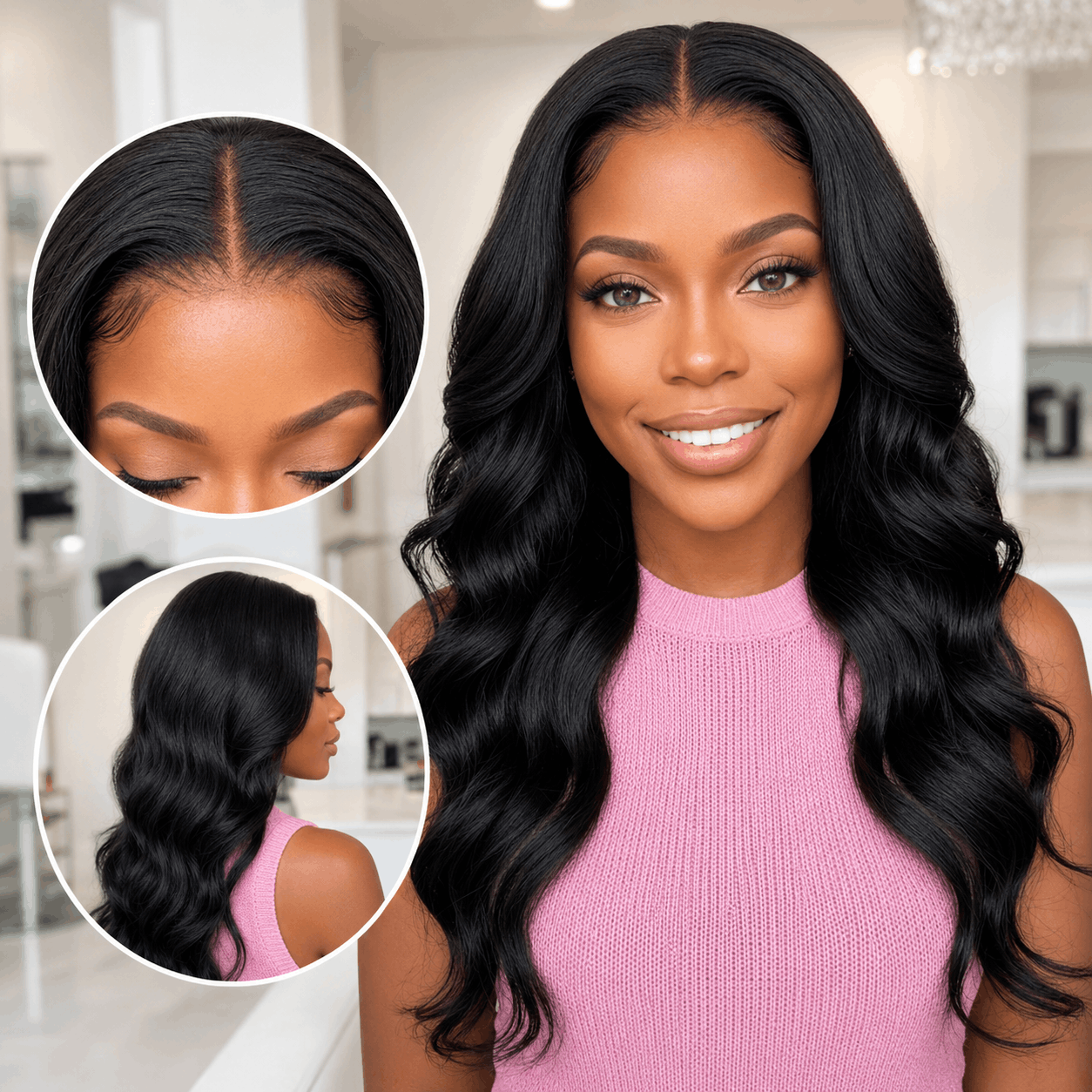
If you’re looking to rock a flawless and natural look with your wig, then maintaining its density is absolutely key. But don’t worry, we’ve got you covered with some essential tips to keep your wig looking amazing!
First off, avoid brushing your wig when it’s wet. This can lead to tangles and damage the fibers of your wig. Instead, use a wide-toothed comb or pick to gently detangle your curls when needed. Trust us, your wig will thank you for it!
Next up, never, and we mean never, sleep while wearing your wig. It might be tempting to keep it on, but it’ll only cause it to become matted and misshapen. So, take it off and let it rest for the night.
Also, it’s crucial to cleanse and condition your wig regularly with high-quality products that are specifically designed for human hair wigs. If you have low density hair, lighter hair care products usually work best so the strands don’t get weighed down. This will help keep its original shape, color, and texture intact, giving you that natural and flawless look you’ve been dreaming of.
Custom Wig Density: Creating The Perfect Match For Your Needs
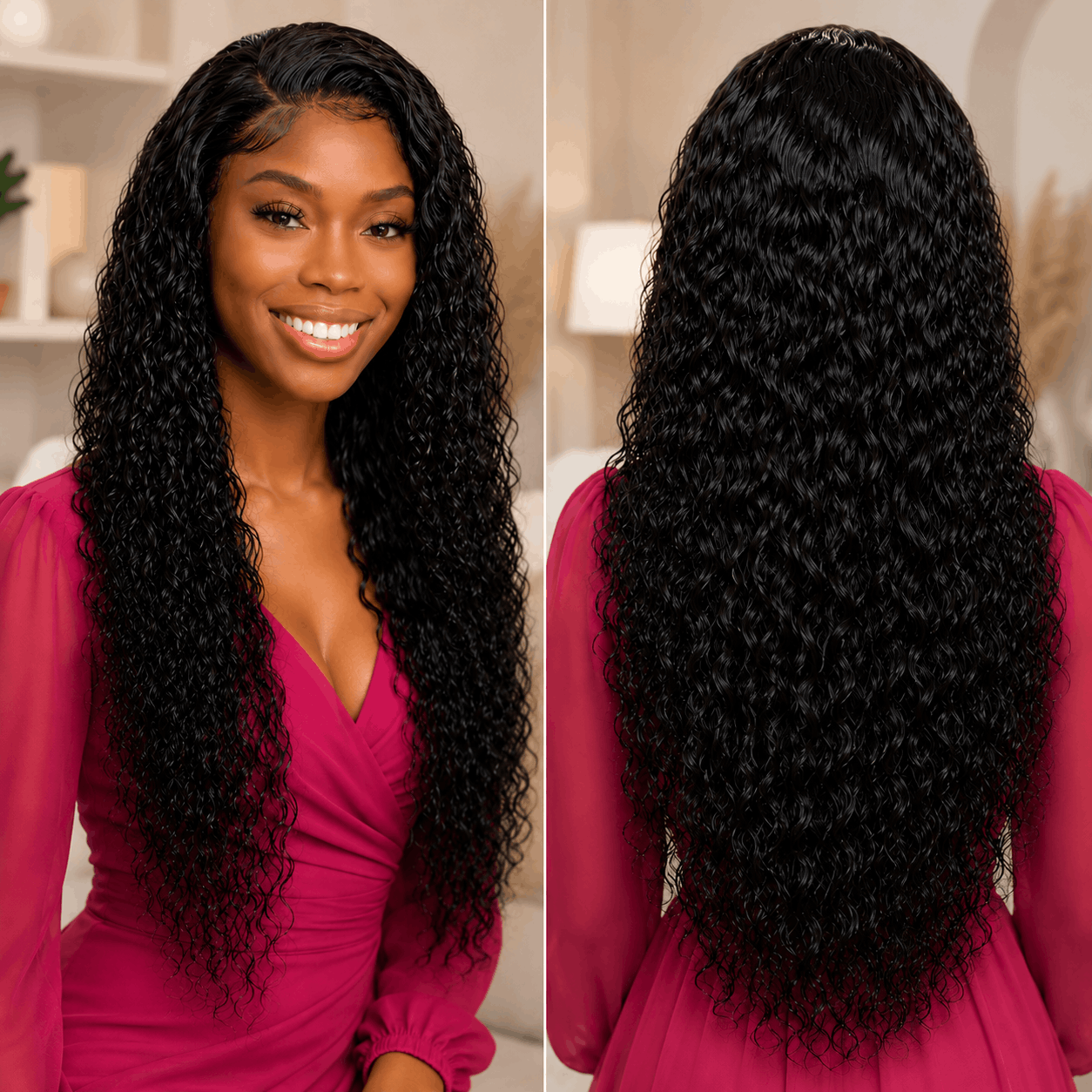
When shopping for a custom wig, hair density is one of the most important factors to consider. To choose wig density well, start by matching the same density as your own hair so the custom wig blends better and the density of the wig doesn’t create an obvious wig look. For example, if you’re looking for a particular hair density to get your natural and realistic look, then opting for medium density wig may be best. This will provide enough depth without appearing overly thick or fake.
On the other hand, if you’d like to achieve an ultra-glamorous style with lots of bounce and movement, then high-density wigs are ideal. Very full styles work best when the density matches the intended look rather than automatically going higher. These types of wigs tend to have more hair per square inch than their lower-density counterparts, resulting in a fuller look that’s sure to turn heads. Ultimately, it’s up to you to decide which wig density best meets your needs and desired aesthetic!
Wealthy Hair Quality Standard
At Wealthy Hair, quality begins with carefully selected materials and responsible sourcing. We use premium-grade human hair to create wigs and extensions that look natural, feel comfortable, and are made to last with proper care.
Our hair extensions are made using non-acid-washed processing to help preserve the hair’s strength, softness, and natural movement. Each wig is carefully checked to meet our quality standards, giving you a realistic, durable, and beautiful finish you can feel confident wearing.
Frequently Asked Questions
What is hair density of wigs?
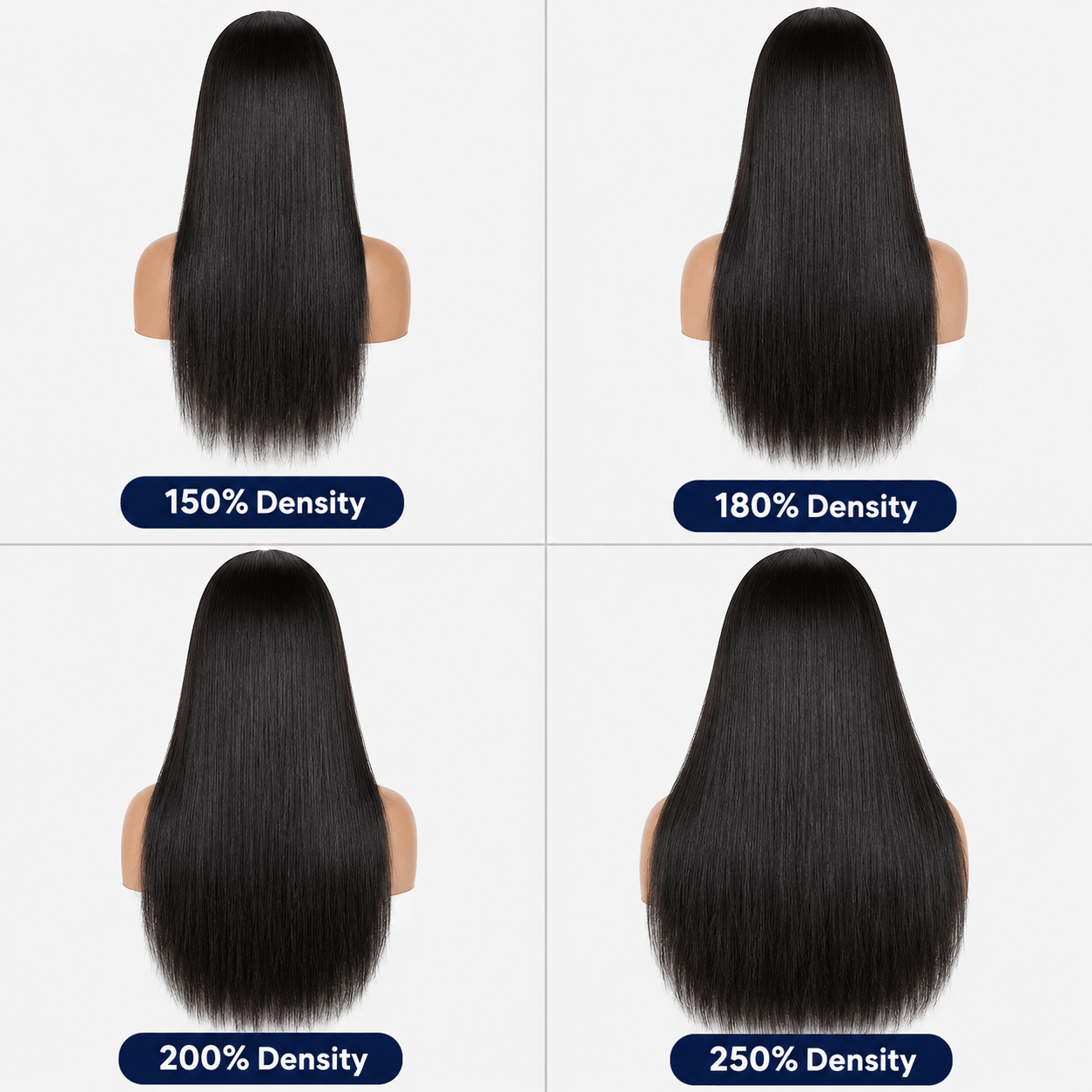
When it comes to wigs, hair density refers to how much hair is added to the cap and how closely packed the strands are. In simple terms, it describes the hair present on the unit and how full the wig cap appears when worn. The wig density can affect how natural it looks when worn.
How do I measure the density of a wig?
To gauge hair density, shoppers usually rely on a wig density chart instead of manually counting strands. A density chart helps compare how full a piece will look, while a lace wig density chart or handy wig density chart often shows different density wigs ranging from 60% to 200% or more. These guides make it easier to understand different wig densities when comparing styles. Remember that lower densities are best suited for those with thin or sparse hair while higher densities provide
What is considered a high-density wig?
A high-density wig is one that has more hair per square inch than its lower-density counterparts. These types of wigs are ideal for those who want to create fullness and volume, as heavy density wigs look fuller because more hair strands are added, which also suits dramatic styling like curvy and wavy hairstyles. Some full lace wigs can also carry this higher fullness well because the hair is hand-tied across the cap, helping the finish stay natural and bouncy.
How can I increase the wig density?
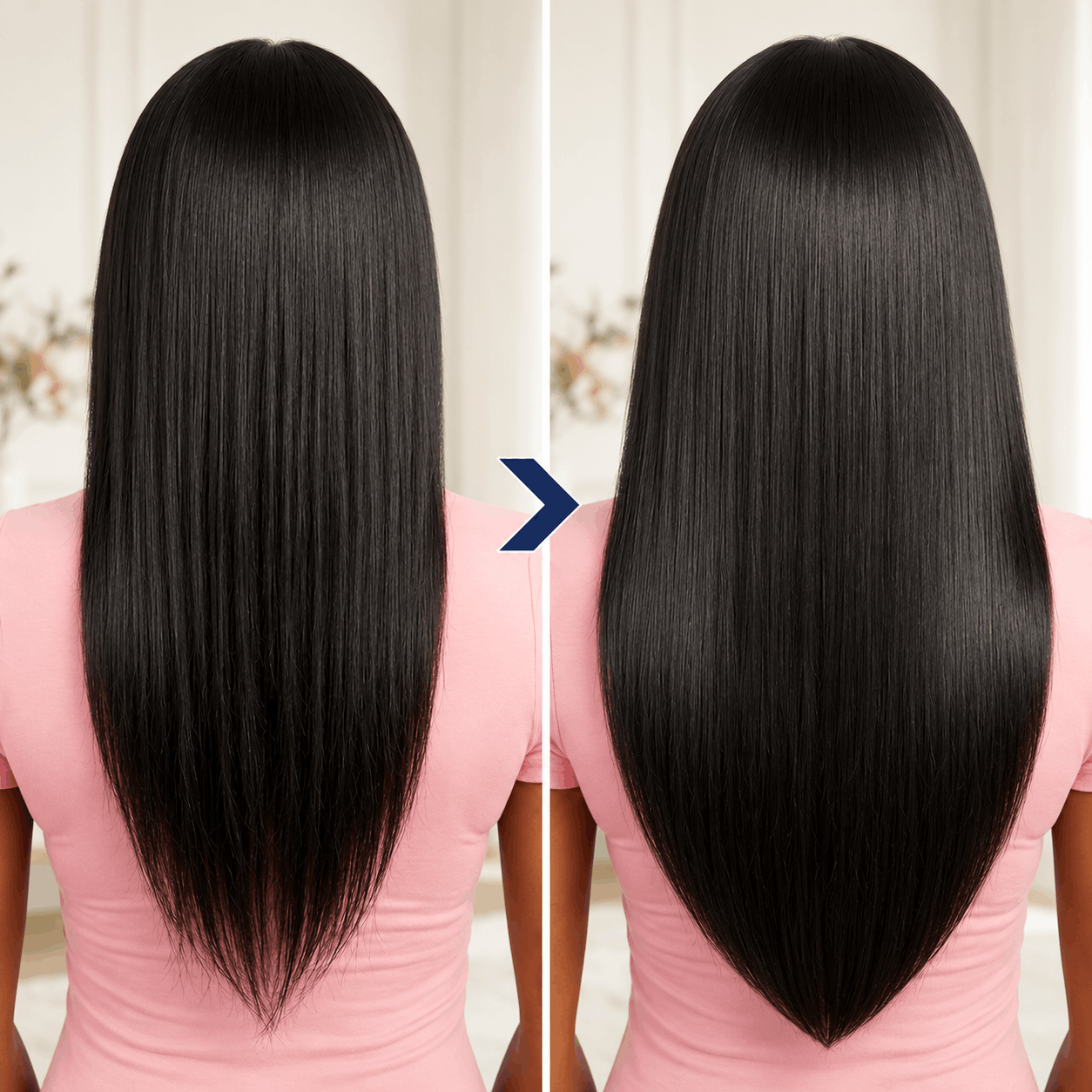
One of the easiest ways is to use a volumizing spray or mousse before styling. These products will help create more body and lift for your wig, making it appear fuller and more vibrant. Additionally, you can use teasing combs or brushes to add more texture and volume to your wig.
What is the average density of a human hair wig?
The average hair density is usually between 120-150% density. This range is considered “medium” and will provide the wearer with a natural look that has enough depth without appearing overly thick or fake.
How does the density of a wig affect its appearance?
Your wig density can have a significant effect on its overall appearance. While lower densities are ideal for those with thin or sparse hair, they may not provide the same level of fullness and volume as higher densities do. This is also true for lace front wigs and other lace wigs, which can look fuller or thinner depending on the density you choose. A full lace wig can also look especially natural because hair is distributed across the cap, which changes the overall fullness. On the other hand, higher densities can make a wig look unnatural with too much hair thickness, which is why it’s important to choose the right wig density that best suits your needs.
How to Make a Wig Look Natural?
To make a wig look natural, start by selecting the right wig density for your hair type. If you have thin or sparse hair, opt for a lower wig density. This will provide you with a more natural and less obvious look.
How often should you wash your wig?
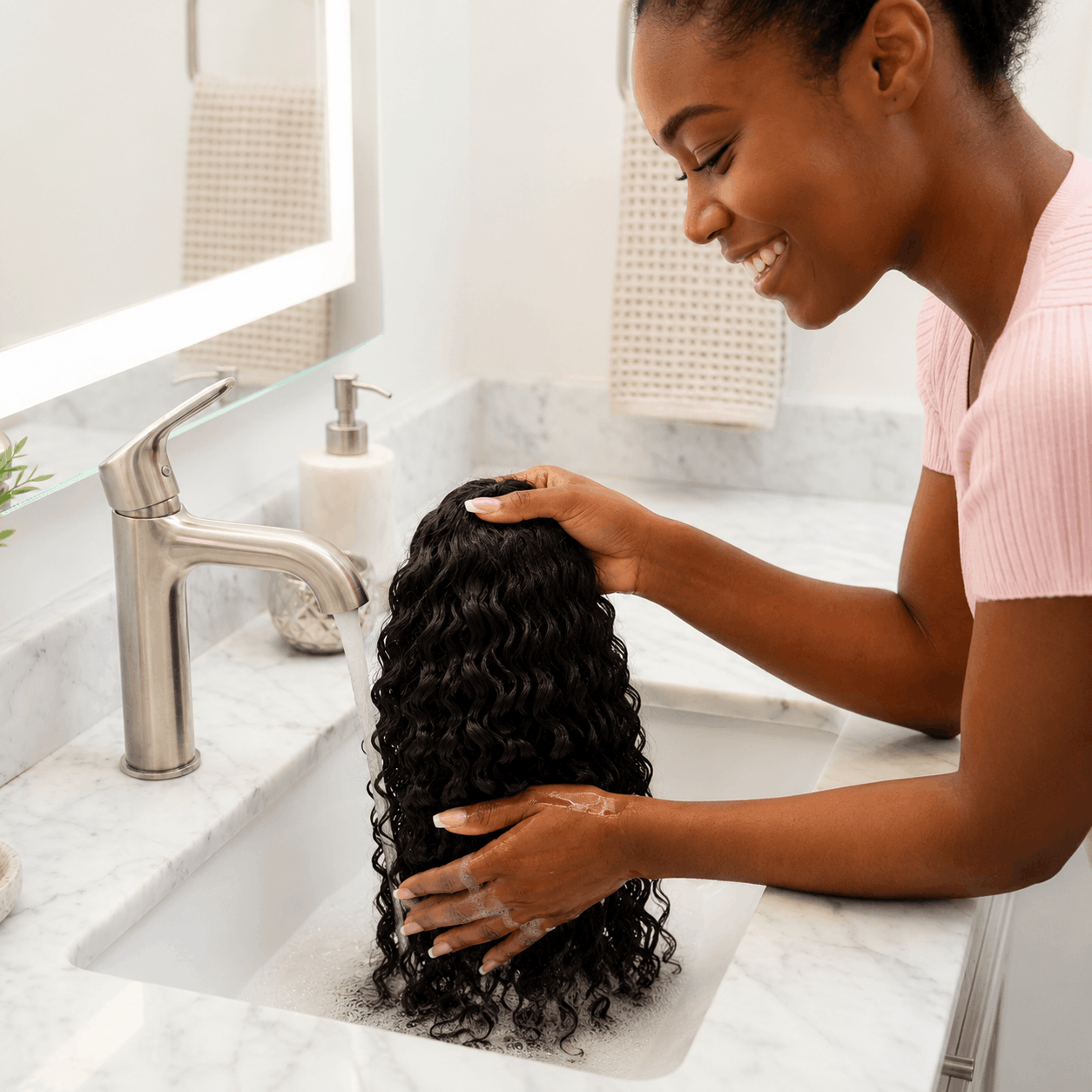
To keep your wig in good condition, you should aim to wash it every two to four weeks. This will help reduce product buildup and keep the hair looking natural and vibrant. When washing, use a mild shampoo and lukewarm water to avoid damaging the wig’s fibers.
Straight Vs. Wavy Hair Toppers: Which One Should I Choose?
When it comes to choosing between straight and wavy hair toppers, there are several factors to consider. Straight hair toppers are great for adding length and volume without looking too over-the-top. They provide a sleek and polished look that can be dressed up or down depending on the occasion.
Wavy hair toppers, on the other hand, provide a more natural look with plenty of movement and texture, and they can also appear fuller than straight pieces at the same density. Hair length also affects which density looks balanced on toppers and wigs, since different hair lengths can change how full or light the hair appears. In general, a short length wig tends to look more natural in lighter densities, while longer styles often need a bit more fullness.
What is the best density for a wig?
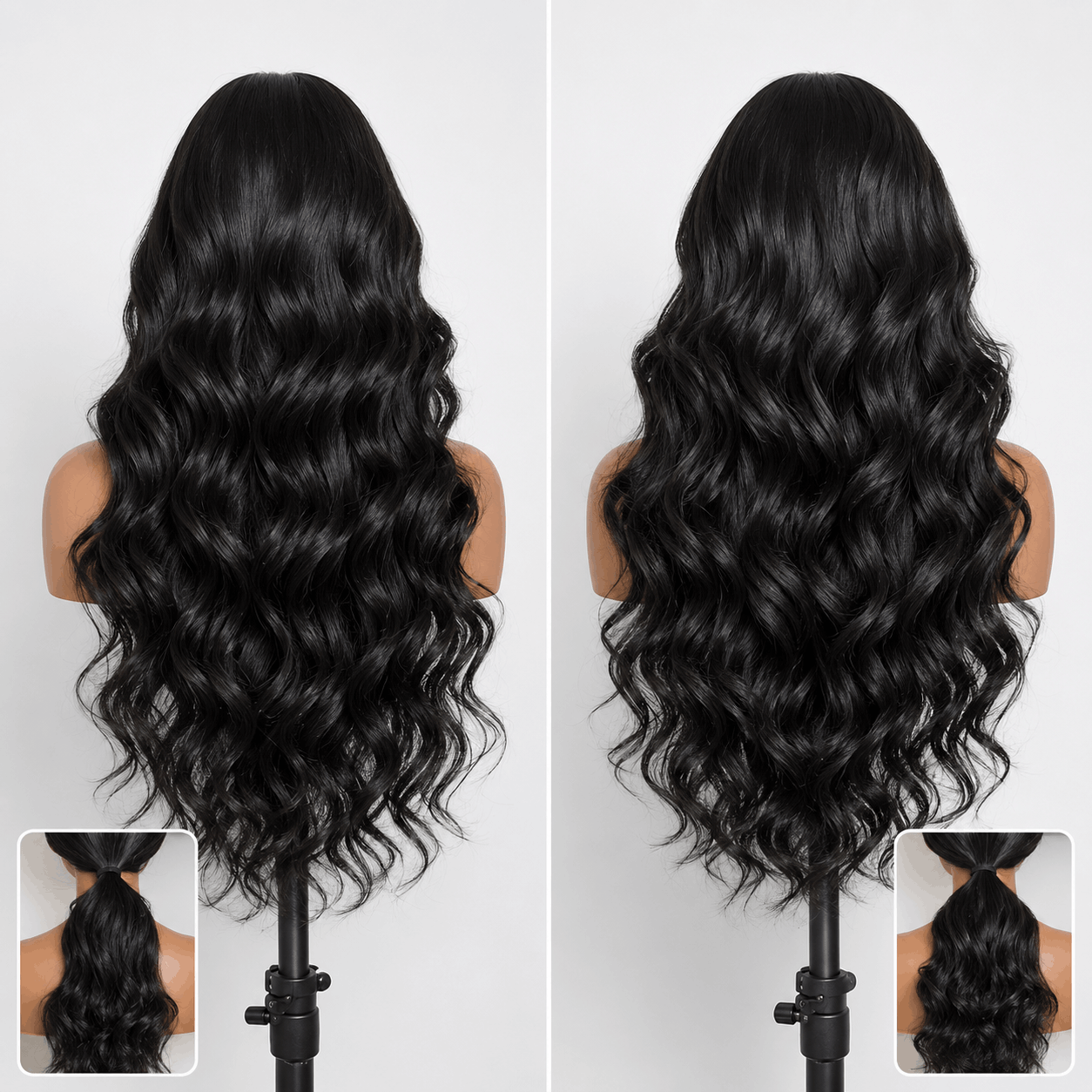
The best choice comes from learning to understand wig density and comparing popular wig densities against your natural hair and styling goals. Generally, those with thin or sparse hair are better suited to lower densities, while those with thicker hair may benefit from higher densities.
Different hair lengths and wig caps can also change how full a density looks. It is also important to consider the style of the wig when selecting the right wig density. For example, if you’re looking for a sleek and polished look then a lower wig density may work best. Some people buy natural density wigs for everyday wear, while others prefer higher fullness depending on the style.
Confused about wig lengths? Use our beginner-friendly wig length chart to find the perfect length for your face shape, lifestyle, and dream hairstyle here: Find Your Ideal Wig Length With Our Beginner Friendly Wig Length Chart.

