

wholesale hair weave extensions
Types Of Hair Weave Extensions- Remy Explained

The 60-Second Answer
Types of hair weave include sew-in weaves, glue-in weaves, braidless weaves, fusion weaves, clip-ins, machine wefts, hand-tied wefts, and Remy human hair bundles. Remy hair weave is preferred because the cuticles stay aligned in one direction, helping the hair tangle less, last longer, and move more like natural hair.
What Is Remy Hair Weave?

Remy hair weave is human hair collected and processed so the cuticles stay facing the same direction.
That cuticle-aligned structure helps reduce friction between strands. Less friction means less tangling, less matting, and a more natural flow after installation.
Remy hair weave extensions can be sewn, bonded, clipped, or attached with micro-links depending on the look you want, with each method attaching the extensions to a person’s hair in a different way. For long-term wear, a sew in weave is one of the most popular choices because it is typically less damaging than clipping or gluing and can last up to three months with proper care.
Remy Hair Vs Other Hair Types
| Hair Type | Longevity | Luster Level | Processing Method | Best For |
|---|---|---|---|---|
| Virgin Remy Hair | 12 months or more with proper care | Natural, soft shine | Unprocessed, cuticle-aligned | Premium sew-ins, coloring, long-term wear |
| Remy Human Hair | 6 to 12 months with proper care | Natural to medium shine | Cuticle-aligned, may be lightly processed | Everyday sew-ins, wigs, closures, frontals |
| Non-Remy Hair | 1 to 3 months on average | Often shiny from coating | Mixed cuticle direction, often acid-washed | Short-term styles |
| Synthetic Hair | Short-term wear | Artificial shine | Man-made fibers | Budget styles, temporary looks |
| Virgin Human Hair | 12 months or more with proper care | Natural shine | Completely unprocessed and free of chemicals | Custom coloring and luxury installs |
Virgin hair is a premium subtype of human hair, and choosing higher quality hair usually means longer wear but a higher price point.
What Is The Difference Between Remy And Non-Remy Hair?

The biggest difference between Remy and non-Remy hair is cuticle alignment.
Remy hair has cuticles running in the same direction, while non-Remy hair often has mixed cuticle directions. To reduce tangling, non-Remy hair may be acid-washed, coated with silicone, or chemically processed.
That coating can make the hair feel soft at first, but it may wear off after washing. Once the coating fades, non-Remy hair can become dry, rough, tangled, and harder to manage.
Types Of Remy Hair By Origin

Hair origin can affect texture, density, luster, wave pattern, and how the hair responds to heat styling.
Popular Remy hair origins include Brazilian Remy hair, Indian Remy hair, Peruvian Remy hair, Malaysian Remy hair, European Remy hair, Asian Remy hair, and Eurasian hair. Each one has its own feel and styling strength. This type of hair comes in weave textures ranging from straight and wavy to coily, and the right type of hair often depends on origin and natural pattern.
Brazilian Remy Hair Holds Versatile Styles
Brazilian Remy hair is known for its rich texture, natural fullness, and styling flexibility, which gives it versatile styling options.
It often comes in straight, body wave, loose wave, deep wave, and curly patterns. Brazilian hair is popular because it can create sleek looks, hold spiral curls well, and support fuller curl patterns and full glam styles.
Brazilian Remy hair is best for people who want volume, movement, and a polished finish. It is a strong choice for sew-ins, wigs, and lace frontals.
Indian Remy Hair Looks Naturally Full
Indian Remy hair is loved for its natural authenticity, lightweight feel, and impressive volume.
It can blend seamlessly with many African American hair textures and with your own hair, especially when choosing body wave, curly, wavy, or kinky straight textures. That compatibility is one reason it is often favored by black women for natural-looking installs, and its natural luster does not look overly shiny.
Indian Remy hair is best for natural-looking sew-ins, soft movement, and everyday wear. It is also a strong choice for clients who want hair that feels light but still full.
Peruvian Remy Hair Feels Lightweight
Peruvian Remy hair is often thicker in texture but still lightweight on the head.
It blends well with relaxed or coarser hair because its natural texture helps it match more seamlessly. Many people choose Peruvian hair when they want volume without an overly heavy feel.
Peruvian Remy hair is best for full sew-ins, textured looks, and styles that need body. It can work beautifully in straight, body wave, and deep wave textures, and it keeps that body in its natural state whether the pattern is straight, wavy, or curly.
Malaysian Remy Hair Gives Soft Shine
Malaysian Remy hair is known for its smooth feel, soft shine, and luxurious finish.
It is often chosen for bone-straight styles, silky straight looks, and polished waves. With proper care, high-quality Malaysian hair weave can last many months and sometimes up to a year.
Malaysian Remy hair is best for clients who want a soft, sleek, refined look. It is especially popular for straight styles and smooth curls.
Best Remy Hair Textures For Weaves

The factory or natural wave pattern of weave hair determines your daily styling routine and maintenance needs.
Some textures need very little work, while others need more moisture, detangling, and nighttime care, and different weaves offer different care and styling expectations. The best texture depends on your lifestyle and how much styling you want to do.
Body Wave Hair Adds Soft Volume
Body wave and loose wave hair textures feature large “S” patterns.
They are popular because body wave and loose wave textures offer versatile styling options and can be worn wavy, flat-ironed straight, or curled. Body wave extensions are ideal for loose, beachy waves and soft volume, while loose curls create a similarly relaxed finish.
Body wave Remy hair works well for beginners because it gives a pretty style without being too high maintenance. It is also a strong choice for sew-ins and lace wigs.
Deep Wave Hair Creates More Volume
Deep wave and water wave textures have tighter, uniform wave structures.
They create a fuller wet-and-wavy look with more drama than body wave. These textures need more moisture and gentle detangling to keep the wave pattern fresh.
Deep wave Remy hair is best for people who love volume, texture, and a bold look. It is beautiful, but it needs consistent care.
Kinky Curly Hair Blends With Coils
Kinky curly and coily Remy hair mimics type 3C to 4C natural hair.
This texture is great for natural hair blending, especially for leave-out sew-ins and natural-looking styles. It creates fullness, shape, springy curls, and a soft textured finish.
Kinky curly hair demands more maintenance than straight or body wave hair. It needs gentle care, moisture, finger detangling to prevent tangling, and a good nighttime routine.
Yaki Hair Blends With Relaxed Hair
Yaki and kinky straight hair mimic the texture of relaxed Afro-Caribbean hair.
This makes them excellent for leave-out styles because they do not look too silky next to your hair. Yaki hair gives a straight look with soft texture and can support various styles while still blending naturally with textured leave-out.
For a straight or silky look, choose Yaki hair or silky straight hair depending on your real hair and preferred finish. Yaki looks more natural with textured leave-out, while silky straight gives a smoother, bone-straight result.
Silky Straight Hair Needs Less Detangling
Silky straight hair is bone-straight and smooth.
It usually needs less daily detangling than curly or deep wave hair. However, it may hold curls for a shorter time compared with textured hair.
Silky straight Remy hair is best for sleek styles, middle parts, side parts, and polished looks. It is also a good choice if you want a low-maintenance daily routine.
| Hair Goal | Best Remy Hair Type | Best Texture | Best Install Method |
|---|---|---|---|
| Natural Leave-Out Blend | Indian or Peruvian Remy Hair | Yaki, Kinky Straight, Body Wave | Leave-Out Sew-In |
| Full Protective Style | Brazilian or Indian Remy Hair | Body Wave, Straight, Deep Wave | Closure or Frontal Sew-In |
| Sleek Bone-Straight Look | Malaysian Remy Hair | Silky Straight | Lace Closure, Frontal, or Sew-In |
| Big Volume | Brazilian or Peruvian Remy Hair | Deep Wave, Curly, Water Wave | Full Sew-In |
| Beginner-Friendly Style | Indian Remy Hair | Body Wave | Sew-In or Wig |
Wealthy Hair Maintenance Protocol
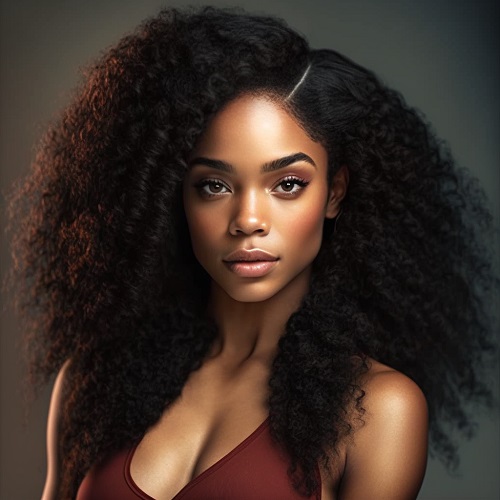
A stylist-approved Remy hair routine starts with gentle cleansing, low heat, and careful detangling.
Follow this protocol to help your Remy hair weave last longer, stay soft, and keep its natural movement.
- Detangle Before WashingUse a wide-tooth comb or your fingers before shampooing. Start at the ends and work upward to avoid pulling on the weft.
- Clean Your Scalp Every 10 To 15 DaysFor a traditional sew in, clean your scalp every 10 to 15 days to reduce buildup and keep the foundation fresh. This also helps the weave stay secure and can support wear up to three months with proper care.
- Use Sulfate-Free ShampooHair professionals often recommend sulfate-free products because harsh cleansers can dry out extension hair. Focus shampoo on the scalp and let the suds gently move through the hair.
- Condition The Mid-Lengths And EndsApply conditioner to the middle and ends, not heavily on the weft track. Too much product near the weft can cause buildup or loosen the install.
- Moisturize Lightly As NeededRegular moisturizing is essential, especially for drier textures. Synthetic hair tends to be drier and rougher than human hair, but even Remy human hair needs moisture balance.
- Limit Heat StylingUse low to medium heat when possible. Apply heat protectant first and keep hot tools around 350°F or lower when styling extension hair.
- Air Dry When PossibleLet a full weave air dry when you can. If you use a blow dryer, choose a low-heat setting and make sure your braids underneath dry fully.
- Wrap Hair At NightSleep on a satin pillowcase, wrap your hair in a satin headwrap, and braid the hair before bedtime. This reduces friction, tangling, and dryness.
- Avoid Heavy Silicone BuildupSilicone-heavy products can make hair look shiny at first, but too much buildup can make the hair stiff and dull. Use lightweight oils or serums only when needed.
- Store Reusable Hair CorrectlyAfter removal, wash, condition, fully dry, and store the hair in a silk or satin bag. A high-quality Remy weave should be reusable when it is installed, washed, and stored correctly.
The Wealthy Hair Quality Standard
At Wealthy Hair, quality starts before the hair is ever installed. Our standard focuses on ethical sourcing, donor integrity, cuticle-aligned Remy human hair, careful processing, and quality control inspection. We believe customers deserve clear information about hair origin, texture, weft hair construction, maintenance expectations, and long-term performance.
For buyer trust, we avoid vague claims like “best hair ever” unless we explain the reason behind the quality. Our goal is to help you choose hair that looks natural, blends beautifully, and performs well with proper care, including proper handling around weave tracks and washing to remove any new hair packaging smell before storage or reinstallation.
People Also Ask
What Is Remy Hair Weave?

Remy hair weave is human hair weave made with cuticles aligned in the same direction. This alignment helps the strands glide smoothly, which reduces tangling, matting, and shedding. Wealthy Hair recommends Remy human hair for sew-ins because it gives a natural look with better long-term wear.
What Does Remy Hair Mean?
Remy hair means the hair cuticles are intact and facing one direction, and it refers to a quality standard for real hair rather than synthetic fiber. This matters because aligned cuticles help protect the strand’s smoothness, shine, and movement. Wealthy Hair focuses on cuticle-aligned Remy hair so your weave feels soft and behaves more like natural hair.
What Are Remy Hair Extensions?
Remy hair extensions are 100% human hair extensions collected and processed to keep the cuticles aligned. They can be made from bulk hair into bundles, wefts, closures, frontals, wigs, clip-ins, or track extensions. Hand-tied wefts are sewn onto a thin, flexible track, so they lie flatter to the scalp and work especially well for thin hair. Machine wefts are made with heavy-duty sewing machines, which makes them durable but sometimes bulkier on very fine hair. Genius wefts combine the flat look of hand-tied wefts with the ability to be cut for custom placement without losing durability.
What Is The Difference Between Remy And Non-Remy Hair?
The difference between Remy and non-Remy hair is the direction and condition of the cuticles. Remy hair has aligned cuticles, while non-Remy hair may have mixed cuticles, acid-washed strands, or silicone coating.
How Do Remy Hair Weave Extensions Work?
Remy hair weave extensions work by adding cuticle-aligned human hair to your natural hair using sewing, bonding, clips, fusion, or micro-links. Sew-ins work by braiding the natural hair and sewing hair wefts onto the braid foundation. Braidless weaves secure the weft directly to small sections of natural hair with tiny micro-beads. Fusion methods may use hot fusion with heat bonds or cold fusion with micro-link beads.
How Can You Tell If Hair Is Real Remy Hair?

Real Remy hair should feel soft from root to tip, move naturally, and avoid excessive tangling after washing. Poor-quality hair may feel overly coated, smell harsh, shed heavily, or become rough after the first few washes. Wealthy Hair encourages buyers to check sourcing, weft quality, cuticle alignment, and maintenance instructions before purchasing.
Why Is Cuticle Alignment Important In Remy Hair?
Cuticle alignment is important because it helps hair strands move in the same direction without fighting each other. When cuticles are misaligned, the hair can rub, snag, tangle, and mat. Wealthy Hair uses cuticle-aligned Remy hair to support smoother movement and better longevity.
What Are The Different Types Of Remy Hair Weave Extensions?
The different types of Remy hair weave extensions include Brazilian, Indian, Peruvian, Malaysian, Eurasian, European, and Asian Remy hair. These hair types can come in machine wefts, hand-tied wefts, genius wefts, closures, frontals, and bundles, giving you different hair options based on install method and texture. Wealthy Hair helps you choose based on texture, install method, and natural hair blending needs.
Which Remy Hair Type Is Best For Sew-Ins?
The best Remy hair type for sew-ins depends on your desired look and natural hair texture. Indian Remy hair is great for natural fullness, Brazilian Remy hair works well for volume, and Malaysian Remy hair is excellent for sleek styles.
Is Indian Remy Hair Better Than Brazilian Remy Hair?
Indian Remy hair is not always better than Brazilian Remy hair, but it may be better for natural movement and lightweight volume. Brazilian Remy hair is often better for fuller, richer, more glamorous styles.
What Is Brazilian Remy Hair Best For?
Brazilian Remy hair is best for full, versatile styles with body, bounce, and rich texture. It works well for straight, wavy, and curly looks because it usually holds style nicely.
What Is Indian Remy Hair Best For?

Indian Remy hair is best for lightweight movement, natural fullness, and realistic blending. It is popular because it often works well with many African American hair textures, and many people choose it when they want the most natural hair look for everyday blending.
What Is Peruvian Remy Hair Best For?
Peruvian Remy hair is best for lightweight volume and thicker texture. It blends well with relaxed or coarser natural hair textures because it has body without feeling too heavy.
What Is Malaysian Remy Hair Best For?
Malaysian Remy hair is best for soft, sleek, smooth styles with a polished finish. It is often chosen for silky straight looks and styles that need a luxurious shine.
How Long Does Remy Hair Weave Last?
Remy hair weave can last 6 to 12 months or longer depending on quality, installation, and care. Cuticle-aligned hair generally lasts longer because it tangles less and keeps a smoother surface.
Can Remy Hair Extensions Be Dyed?
Yes, Remy hair extensions can usually be dyed because they are made from human hair, and virgin hair is a premium option that is especially suitable for coloring. However, color processing can weaken the hair if it is done too often or done incorrectly. Human hair is the most versatile option because it can be washed, dyed, and heat-styled much like natural hair.
Can You Use Heat On Remy Hair Extensions?
Yes, you can use heat on Remy hair extensions, but low to medium heat is safest. Heat can dry out the hair and weaken the protein-rich cortex if used too often. Wealthy Hair recommends heat protectant, gentle styling, and keeping hot tools around 350°F or lower. Synthetic styles are different and should generally be kept away from heat tools unless the fiber is specifically labeled heat-safe.
How Do You Care For Remy Hair Weave?
Care for Remy hair weave by detangling gently, washing with sulfate-free shampoo, conditioning the ends, and wrapping the hair at night. This protects the cuticle layer and reduces friction, dryness, and tangling. Wealthy Hair recommends cleaning your scalp every 10 to 15 days during a sew-in.
Why Does Remy Hair Tangle Less?
Remy hair tangles less because the cuticles are aligned in one direction. This helps the hair strands slide smoothly instead of catching on each other.
Is Remy Hair Worth The Cost?
Yes, Remy hair is worth the cost if you want longer-lasting, natural-looking, reusable extensions and are investing in the perfect weave for your goals. The cuticle-aligned structure usually performs better than non-Remy hair over time.
What Should I Look For Before Buying Remy Hair?
Before buying Remy hair, look for cuticle alignment, secure wefts, texture consistency, low shedding, and clear sourcing details. These signs help you avoid overly coated or poorly processed hair.
How Many Bundles Of Remy Hair Do I Need?
Most sew-ins need 2 to 3 bundles, depending on length, density, and desired fullness. Longer hair usually needs more bundles because the ends can appear thinner. Wealthy Hair recommends 2 bundles for natural fullness, 3 bundles for fuller looks, and 3 or more for long, dramatic styles.
What Texture Of Remy Hair Blends Best With Natural Hair?
Yaki, kinky straight, body wave, and curly Remy hair often blend best with natural hair. The best match depends on whether your hair is relaxed, silk-pressed, curly, coily, or worn with leave-out.
How Do You Maintain Remy Hair After Installation?
Maintain Remy hair after installation by wrapping it at night, washing gently, moisturizing lightly, and avoiding heavy product buildup. Quick weaves use temporary adhesive tape or hair bonding adhesive for faster installs, but they usually last only 1 to 3 weeks. This helps protect the cuticle layer and reduces dryness, friction, and tangling.
What Is The Best Remy Hair Weave For Beginners?
The best Remy hair weave for beginners is usually body wave Indian Remy hair or Brazilian Remy hair, though clip in hair extensions are a temporary, beginner-friendly alternative to sew-ins that can work well for some people with thin hair because they can be applied and removed daily without covering the entire head like a wig. Body wave is easy to style, looks soft, and can be worn wavy, straight, or curled. Wealthy Hair recommends body wave Remy hair for beginners who want beauty without a difficult routine.
References & Professional Standards
- Google Search Quality Rater Guidelines, used for understanding E-E-A-T, page quality, and trust signals.
- Textile fiber evaluation standards, including common hair fiber quality checks for strength, luster, texture consistency, and processing.
- Trichology-based hair care principles covering cuticle condition, cortex strength, moisture balance, friction, and heat damage.
- Professional cosmetology extension-installation standards for sew-ins, wefts, closures, frontals, bonding, and removal safety.
- Ethical sourcing and supplier transparency practices for human hair collection, donor integrity, processing disclosure, and quality control.
Before buying hair extensions, discover why Remy hair looks smoother, lasts longer, and outperforms non-Remy hair in this ultimate guide: Remy Vs. Non-Remy Hair: The Ultimate Showdown.

