

Wealthy Hair Guides
Transform Your Curls: Top Protective Hair Styles for 4a, 4b, and 4c Hair Types!

The 60-Second Answer:
Protective styles for natural hair are essential for 4a, 4b, and 4c hair types. Styles like braids, twists, buns, and box braids shield strands from breakage, reduce daily manipulation, and lock in moisture. Combining these styles with proper hydration, gentle detangling, and regular deep conditioning promotes healthy growth, maintains curl definition, and preserves the hair’s protein-rich structure for long-lasting, vibrant curls.
Understanding Your Hair Type: The Science of 4a, 4b, and 4c
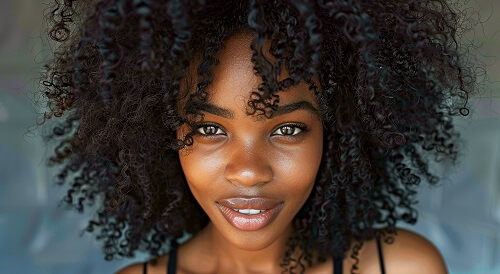
Type 4 hair encompasses a spectrum of tightly coiled curls, from 4a S-shaped curls to 4b Z-shaped curls, and finally 4c coily curls with minimal visible pattern. Each natural hair type has unique traits in porosity, hair shaft density, and shrinkage, requiring tailored care routines.
- 4a Hair: Soft, springy S-shaped curls that hold moisture well, perfect for twist-outs, afros, and buns.
- 4b Hair: Z-shaped curls with higher shrinkage; needs consistent hydration to maintain curl definition.
- 4c Hair: Densely packed coils with high shrinkage and moisture needs; requires gentle detangling and regular protective styling for optimal health.
Using methods like LOC (Liquid-Oil-Cream) or LCO (Liquid-Cream-Oil) ensures moisture retention, while silk/satin pillowcases or scarves prevent frizz and dryness during sleep.
Pros and Cons of Each Hair Type
| Hair Type | Pros | Cons |
|---|---|---|
| 4a | Defined S-shaped curls, versatile styling, holds moisture | Shrinkage, tangling, requires extra TLC |
| 4b | Lush volume, Z-pattern adds depth, versatile protective styles | Shrinkage, moisture retention challenges, frequent hydration needed |
| 4c | Highly resilient, supports voluminous styles, extremely versatile | High moisture demand, prone to tangles, requires gentle detangling |
Learn how to love and care for your 4C hair type with this informative guide: Empowering Your Natural Self: The Truth Behind 4C Hair Type and Its Care.
Best Protective Styles for Natural Hair
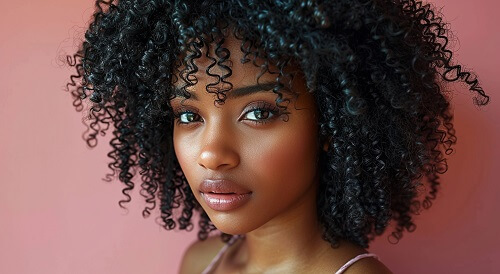
Protective styles reduce daily manipulation, keep ends tucked, and minimize hair loss and split ends. They are critical for healthy hair growth and maintaining hair shaft integrity.
Recommended Styles:
- Box Braids & Knotless Braids: Distribute tension evenly, protect natural hair underneath, and can last a few weeks with proper care.
- Two-Strand Twists & Flat Twists: Low-tension styles that retain moisture, perfect for curl elongation and minimal daily maintenance.
- Bantu Knots & Frohawks: Offer versatility while keeping hair protected.
- Lace Front Wigs & Hair Weave Extensions: Allow styling without heat or harsh manipulation. Hair is braided down and covered with a wig cap for full protection.
Pro Tip: Styles should never pull or cause scalp pain. If there is tension, the style is too tight and can damage follicles.
Essential Hair Care Tips

Moisturize Regularly: Use leave-in conditioner, coconut oil, or argan oil at least twice a week.
Deep Condition Weekly: Maintain hair shaft integrity and hydration before and during protective styling.
Gentle Detangling: Always detangle wet hair with a wide-tooth comb or fingers to prevent breakage.
Minimal Daily Manipulation: Use minimal product in the morning to keep styles fresh without stressing the hair.
Protect Hair at Night: Wrap hair with a silk scarf or sleep on a satin pillowcase to retain moisture and reduce frizz.
Heat Protection: Apply heat protectant if using heat styling tools; avoid extreme temperatures.
Regular Trims: Trim every 8–12 weeks to avoid split ends, even when wearing protective styles.
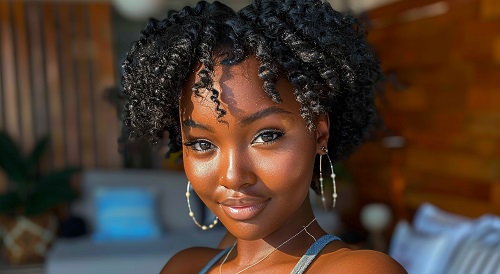
Styles like twists and two-strand twists help maintain curl hydration longer, making it easier to lock in moisturizing products. Protective hairstyles are scientifically proven to reduce breakage and enhance hair growth.
Wealthy Hair Maintenance Protocol
Wash with sulfate-free shampoo every 7–10 days.
Apply a deep conditioning treatment under a plastic cap for 20–30 minutes.
Moisturize hair using the LOC or LCO method, focusing on ends.
Install protective styles using minimal tension.
Nighttime care: wrap with a silk scarf or bonnet.
Refresh styles weekly with light moisturizing treatments.
Safely remove protective styles with a rattail comb, adding moisture to ease detangling.
Always follow with wash and deep condition after removal.
Frequently Asked Questions
How to care for 4a hair?
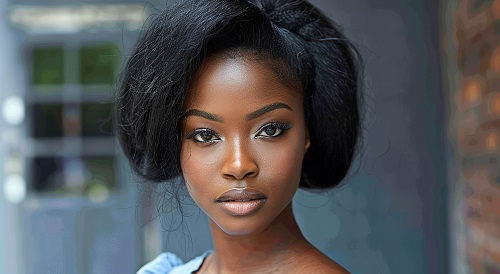
Use gentle sulfate-free shampoos, deep condition weekly, and maintain moisture with the LOC method. Protective styles like twists or braids reduce manipulation. Consistent hydration prevents breakage and promotes hair length retention.
Best protective hairstyles for 4a, 4b, and 4c hair?
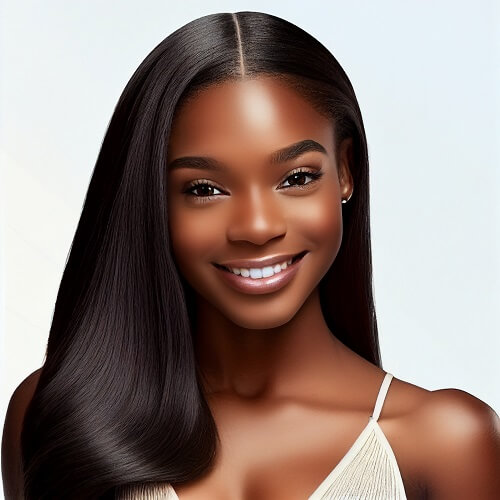
Box braids, twists, flat twists, low buns, frohawks, and lace front wigs are top choices. These styles protect hair underneath and retain moisture, while allowing many styles without stressing the scalp.
How often should I trim 4a, 4b, and 4c hair?
Every 8–12 weeks to maintain hair health, remove split ends, and prevent breakage.
How to protect hair during heat styling?
Apply a heat protectant at low to moderate temperatures. Avoid extreme temperatures to maintain hair shaft integrity and prevent damage.
How to maintain a healthy scalp with protective styles?

Use light moisturizing treatments weekly, and ensure styles are not too tight. This promotes scalp health and prevents thinning or hair loss.
How to detangle 4a, 4b, and 4c hair without breakage?
Detangle wet hair with conditioner using fingers first, then a wide-tooth comb. Patience is key to avoiding stress on strands and maintaining optimal health.
How to care for 4b hair?
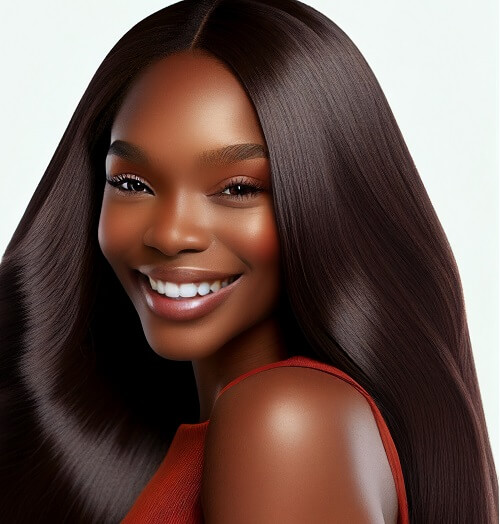
Hydrate frequently using leave-in conditioners and oils. Protective styles such as flat twists and two-strand twists shield hair from daily wear. Detangle gently with a wide-tooth comb to avoid hair strand damage.
How to care for 4c hair?
Deep moisturize and seal hydration regularly. Use low-tension protective styles like knotless braids or bantu knots. Gentle detangling and minimal daily styling prevent breakage and support healthy hair growth.
The Wealthy Hair Quality Standard
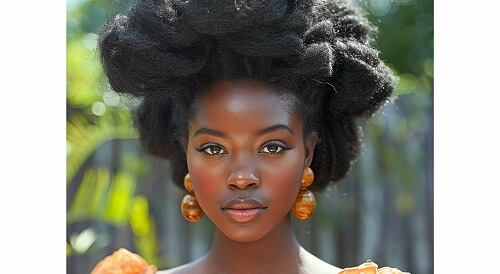
We source high-quality human hair extensions with full cuticle alignment, ensuring long-lasting tensile strength. Every natural hair product undergoes rigorous quality control, ethically sourced to maintain donor integrity. Haircare practices are dermatologist-tested, clinically proven, and backed by African hair texture research, ensuring your protective styles promote absolutely stunning, healthy hair.
Curious about the biology of African American hair types? Dive into this detailed guide that explains the genetics and structure behind different hair textures: The Science Behind African American Hair Types.

