

Start a hair business
The Absolute Best Books For Starting Your Own Hair Business

The 60-Second Answer:
The best books for starting a business teach new hair entrepreneurs how to plan, price, brand, market, and grow with confidence. For a hair extension business, the right books should provide actionable advice and step-by-step instructions, explaining startup costs, wholesale hair vendors, product quality, customer service, leadership, and how to build systems that help your business last. The right books should also include real world examples and strategies for achieving big profits.
Why Hair Business Education Matters
ATTENTION: Turn Your Passion For Hair Into Profit ⬇️⬇️⬇️

Starting a hair business is exciting, but it can also feel overwhelming. You may know you want to sell hair extensions, hair bundles, lace wigs, virgin human hair, or Remy hair, but you may not know what to do first.
That is where the right books can help.
A strong hair business education teaches you more than how to sell hair. It helps you understand product sourcing, vendor selection, inventory management, pricing strategy, profit margin, customer acquisition, customer retention, social media marketing, and beauty branding. Teaching entrepreneurship is challenging because each new venture is unique and innovative, so entrepreneurs starting out benefit from resources and books that address these specific challenges and provide guidance tailored to their journey.
In the hair extension industry, one of the biggest beginner mistakes is rushing into inventory before understanding the market. Before investing in hair bundles or lace wigs, beginners should learn how to spot quality, compare wholesale hair vendors, and build a clear business plan.
A successful hair business starts with market understanding. You need to know your target audience, your product quality, your brand positioning, and your unique selling proposition. A book worth reading should help you avoid costly beginner mistakes and turn hair industry knowledge into a real business strategy.
Why Hair Quality Knowledge Builds Trust
Hair business books are helpful, but if you are selling hair, you also need to understand the product itself. High-quality human hair is not just about looking pretty in photos. It is about structure, sourcing, and performance.
For example, strong virgin human hair usually has better donor integrity, which means the hair was collected in a way that protects its natural quality. Remy hair should have unidirectional cuticle alignment, meaning the cuticles face the same direction to reduce tangling and matting.
A protein-rich cortex supports the strength of the hair strand. Better tensile strength means the hair can handle brushing, washing, and styling without breaking too quickly. Non-acid-washed processing also matters because harsh processing can strip the hair, weaken the strand, and create a fake shine that fades after a few washes.
This is why new beauty entrepreneurs should not only read about marketing and business systems. They should also learn about product quality control, hair texture selection, supplier relationships, and customer service.
Best Books For Starting A Hair Business
Reading the right books can shorten your learning curve. The most useful business books combine mindset, systems, and execution. They help you think like a founder, avoid common mistakes, and create a business that can grow without you doing everything alone.
Below are some of the best books for starting a hair business, especially if you are new to the beauty industry.
1. Hair Business Roadmap Gives Clear Direction
1. “Hair Business Roadmap: Fundamentals To Go From Zero To A Million Dollar Hair Business” By Julia Strunk
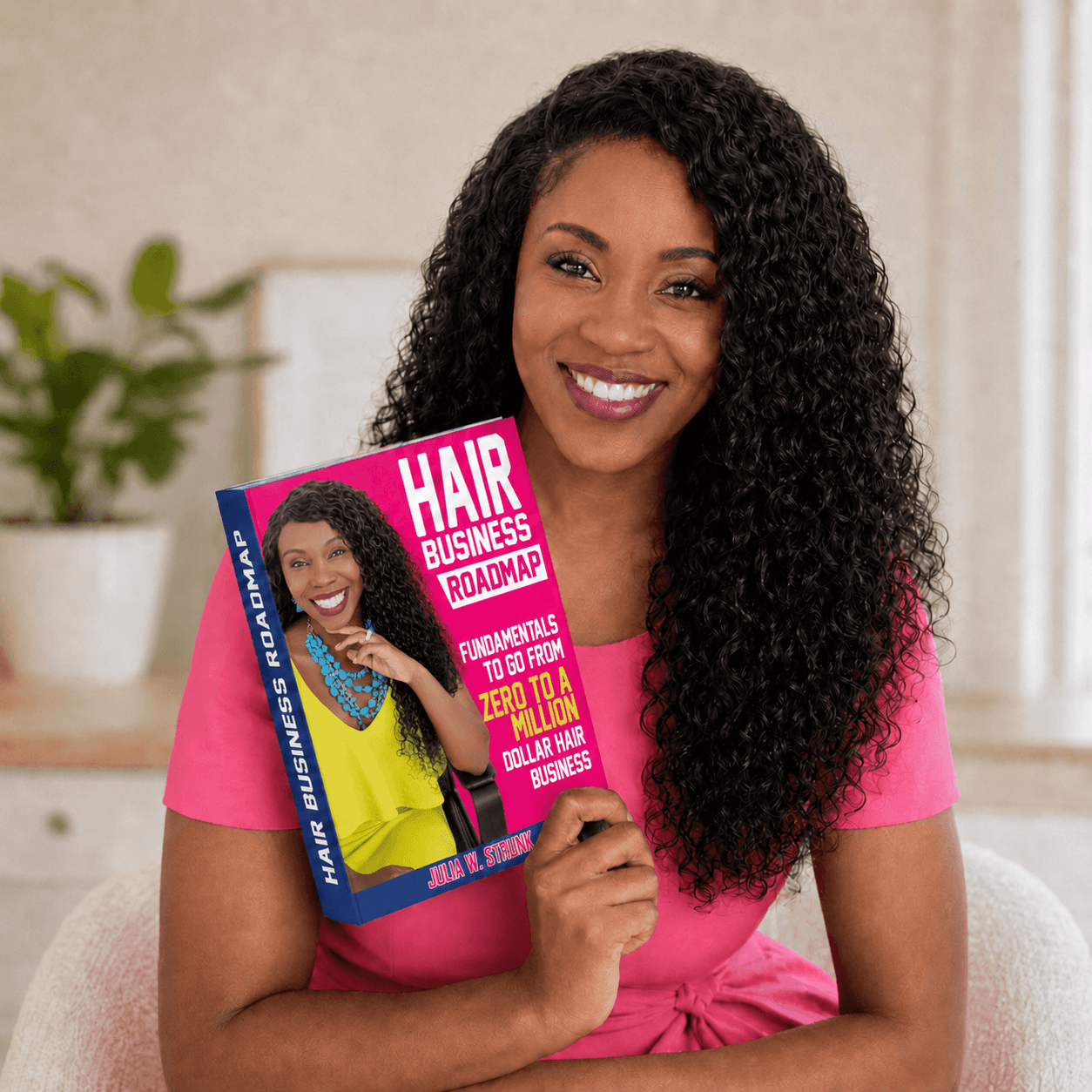
Hair Business Roadmap: Fundamentals To Go From Zero To A Million Dollar Hair Business by Julia Strunk is one of the best books for starting a hair business because it speaks directly to new hair entrepreneurs.
Julia Strunk has over 15 years of experience in the hair industry and has helped thousands of people start their own hair businesses. This book is written in simple terms, making it easy for beginners to understand.
It covers how to build a thriving hair business, choose the right services, increase hair sales, stand out from competitors, and create a strong foundation for growth.
From a beauty entrepreneur’s perspective, this book is especially helpful because it connects real hair business startup experience with practical steps. It is a smart first read if you want a hair business roadmap that explains the basics without making the process feel too complicated.
2. The Millionaire Fastlane:

In this business book, author MJ DeMarco argues that the traditional “get a good education, get a good job, save your money, and retire at 65” path is a recipe for mediocrity. He lays out a different, and far more enjoyable, way to achieve financial freedom.
3. The E-Myth Revisited Builds Systems

The E-Myth Revisited by Michael E. Gerber is one of the best entrepreneurship books for salon owners and hair extension sellers because it teaches systems.
Many people start a business because they are good at the work. But being good at hair, beauty, or sales does not automatically mean you know how to run a business.
This book explains why business owners need systems for customer service, inventory, marketing, order fulfillment, and daily operations. A profitable hair business requires more than product knowledge. It needs business systems that help the company run smoothly even when the owner is not doing every task.
4. “Delivering Happiness: A Path to Profits, Passion, And Purpose” by Tony Hsieh

In Delivering Happiness, Tony Hsieh shares his story of how he created one of the most successful companies of all time – Zappos
He provides readers with a behind-the-scenes look at how he built Zappos into a $1 billion company while maintaining its unique culture and commitment to customer service. This book is perfect for entrepreneurs who want to create a company with purpose and build a lasting legacy.
5. First Things First: To-Do List for Living by Stephen Covey
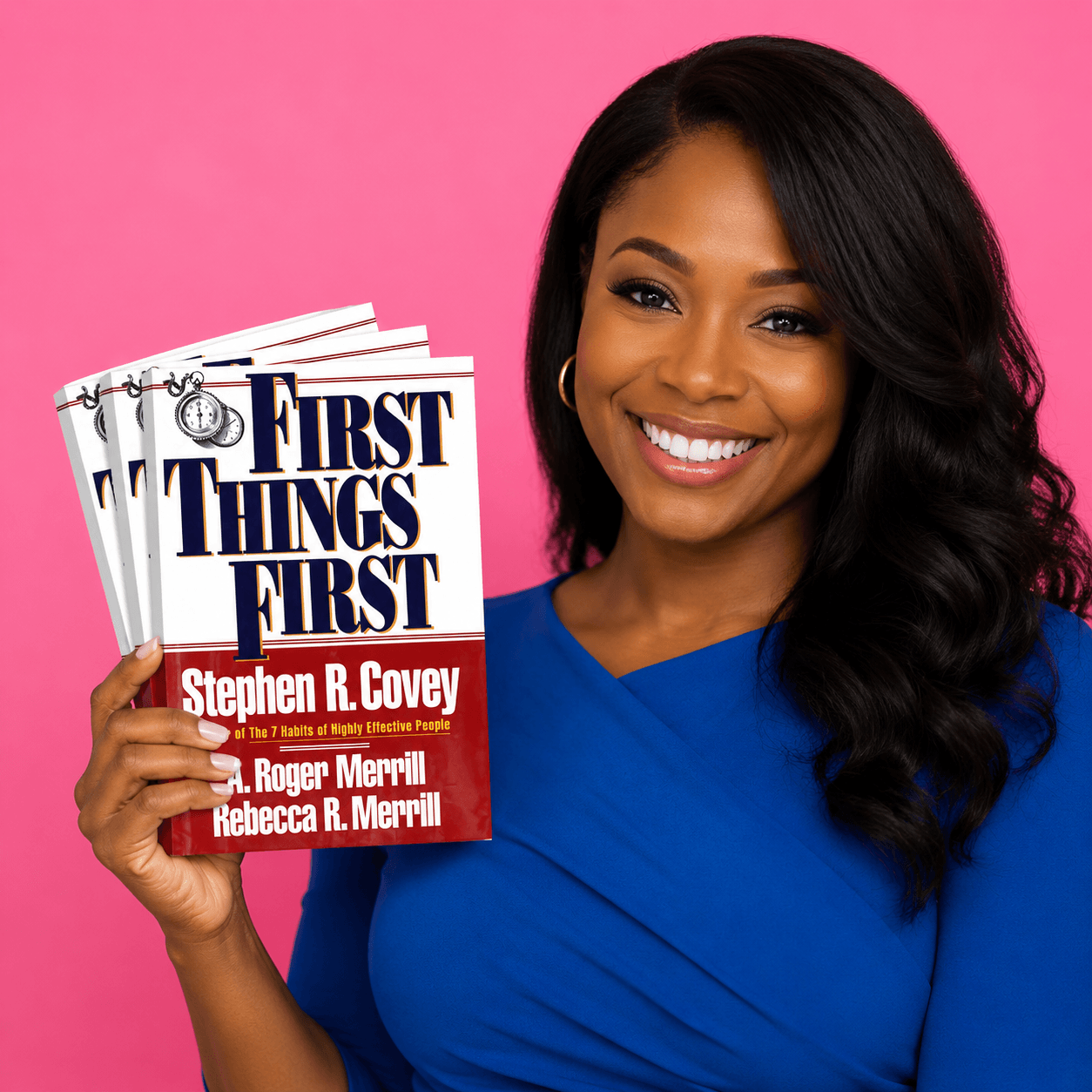
First Things First is a productivity classic that has helped millions of people get their lives in order. In it, Stephen Covey lays out a framework for how to prioritize your time and energy so you can focus on what’s truly important in your personal life.
This book is perfect for entrepreneurs who want to learn how to manage their time effectively so they can achieve their goals.
6. “The Innovator’s Dilemma: When New Technologies Cause Great Firms to Fail” by Clayton M. Christensen

The Innovator’s Dilemma is required reading for any business owner who wants to stay ahead of the curve and avoid being disrupted by new technologies.
In it, Clayton Christensen explains why even the most successful companies can fail when faced with new technologies or market changes. This business book is essential reading for anyone who wants their startup to thrive in today’s rapidly-changing world.
7. “Pay It Forward: How One Simple New Business Idea Can Change Your Life and Maybe Even the World” by Catherine Ryan Hyde
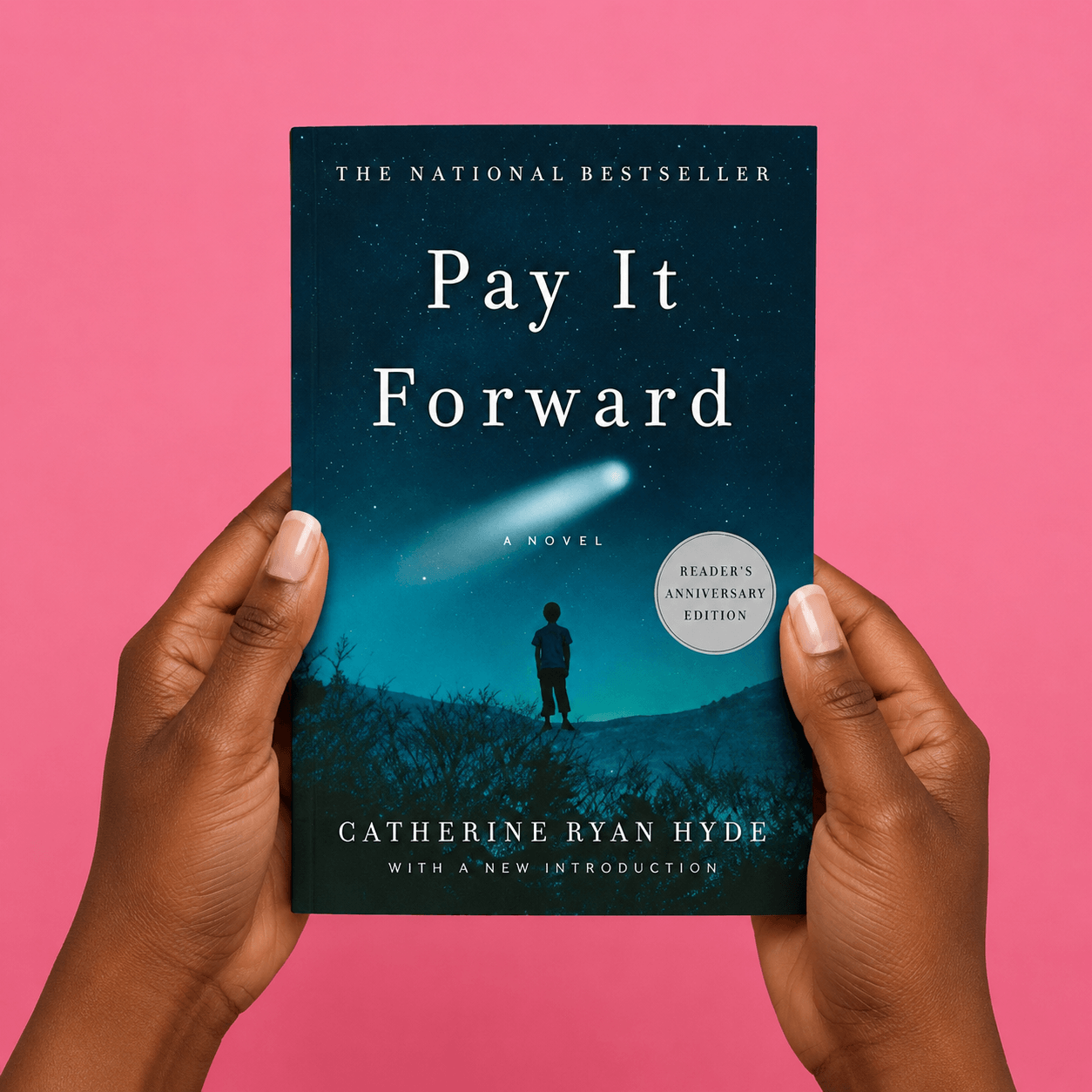
Pay It Forward is an inspiring story about how one simple business idea can change the world. The book follows Trevor McKinney, a young boy who comes up with a continuous innovation that could revolutionize the way we help others. This book is perfect for entrepreneurs who want their startups to positively impact the world around them.
Comparison Matrix For Hair Business Books
Before diving into the matrix, it’s important to note that these books offer actionable tips and actionable insights for entrepreneurs, helping you implement practical strategies and make informed decisions as you start your business.
| Book | Best For | Main Lesson | Hair Business Use |
|---|---|---|---|
| Hair Business Roadmap | New hair entrepreneurs | Step-by-step hair business guidance | Learn startup basics, sales, branding, and growth |
| The Lean Startup | Beginners with limited funds | Test before you overinvest; emphasizes validated learning and rapid prototyping to adapt and succeed in a fast-changing market | Validate hair textures, offers, and pricing |
| The E-Myth Revisited | Owners who need systems | Build repeatable processes | Create systems for orders, inventory, and customer service |
| Purple Cow | Beauty branding | Be remarkable; see also The 22 Immutable Laws of Marketing by Al Ries and Jack Trout, which outlines essential principles for successful marketing, such as the importance of being first in the mind of consumers | Make your hair brand stand out |
| Influence | Marketing and sales | Understand customer psychology | Improve ads, offers, email marketing, and product pages |
| The Founder’s Dilemmas | Partnerships and teams | Choose people carefully; provides insights into common pitfalls for entrepreneurs, focusing on team dynamics and decision-making | Avoid team and ownership mistakes |
| Atomic Habits | Daily discipline | Improve small habits; provides a framework for improving habits | Build consistency in marketing, sales, and operations |
| The $100 Startup | Aspiring entrepreneurs with little capital | Start successful businesses with minimal investment, featuring case studies of entrepreneurs who turned small amounts of money into profitable ventures | Apply lean startup principles to launch with low overhead |
What You Need To Start A Hair Business
Starting a hair business takes more than buying hair and posting online. Before launching, it’s crucial to have a solid plan that outlines your strategy and goals to increase your chances of success. A practical startup checklist should cover business planning, product sourcing, licenses, insurance, startup costs, branding, marketing, and customer service. Most startups fail due to common pitfalls, so thorough preparation is essential. Success in entrepreneurship often requires a shift in how you think and manage your time.
A Business Plan Gives You Control
A strong hair business plan should include your executive summary, market research, competitive analysis, target audience, product list, pricing strategy, marketing plan, sales funnel, operating expenses, and financial projections.
According to SBA business planning guidance, a business plan helps you explain your goals, understand your market, and organize how your business will make money.
For a hair extension business, your plan should also include vendor selection, hair texture selection, inventory management, quality control, and profit margin goals.
Startup Costs Must Be Clear
Startup costs can include inventory, packaging, website setup, product photography, business registration, marketing, ads, insurance, salon space, software, and shipping supplies.
However, some entrepreneurs have started successful businesses with a small investment, sometimes as little as $100, proving that large amounts of capital are not always necessary. Many new business owners fail because they underestimate operating expenses. Before you start selling hair extensions online, make sure you know how much money you need to launch and how much cash you need to keep the business running.
Licenses And Insurance Build Safety

The licenses you need may depend on your state, city, and business model. Some hair business owners may need a business license, sales tax permit, cosmetology license, or other local permits.
Liability insurance is also important, especially if you offer in-person services, install hair, or run a salon business.
Trustworthy startup advice should include legal, financial, and marketing basics.
Vendor Selection Protects Your Brand

Your vendor can make or break your hair business. A strong resource should help readers make better vendor decisions.
When choosing wholesale hair vendors, check product quality, shipping time, consistency, return policies, communication, and reviews. Do not choose a vendor only because the price is low.
A profitable hair business depends on customer trust. If the hair tangles, sheds, smells bad, or does not match the description, customers may not return.
Tips To Start And Grow Your Hair Business
Growing a hair business takes patience, strategy, and consistency. Following a clear path, guided by proven principles, is essential for achieving sustainable business growth. As you scale up, it’s important to maintain the key aspects of your original business, such as its character and foundational values, to ensure you grow without compromising your core identity. These tips can help you build a stronger foundation.
Find A Clear Hair Business Niche
Trying to sell everything to everyone can make your business hard to market. Start with a focused niche.
You may choose virgin human hair, Remy hair, lace wigs, textured hair bundles, luxury extensions, beginner-friendly bundles, bridal hair, or natural hair extensions.
A narrow focus can help your brand become easier to remember.
Build A Strong Beauty Brand

Your brand is more than your logo. It includes your message, colors, product names, photos, packaging, customer service, website, and social media voice.
Good beauty branding helps customers feel something. Your brand should show who you serve, what you sell, and why your hair is worth buying.
Learn Social Media Marketing
Social media marketing is one of the best ways to grow an online hair business. You can use tutorials, before-and-after videos, customer reviews, hair care tips, influencer marketing, and product education. Additionally, consider leveraging other websites for guest blogging or collaboration to increase your brand’s visibility and authority.
Do not only post sales content. Teach customers how to choose textures, care for hair, install wigs, and protect their investment.
Create A Sales Funnel

A sales funnel helps turn strangers into customers. Your funnel may include organic traffic, paid advertising, lead generation, email marketing, product pages, testimonials, and follow-up offers.
Email marketing is especially useful because you can build relationships with people who are interested but not ready to buy right away.
Track Your Profit Margin
Revenue is not the same as profit. You need to know your cost of goods, shipping fees, packaging costs, payment fees, ad spend, refunds, and operating expenses.
A smart pricing strategy should protect your profit margin while still feeling fair to your target audience.
Mistakes To Avoid When Starting A Hair Business
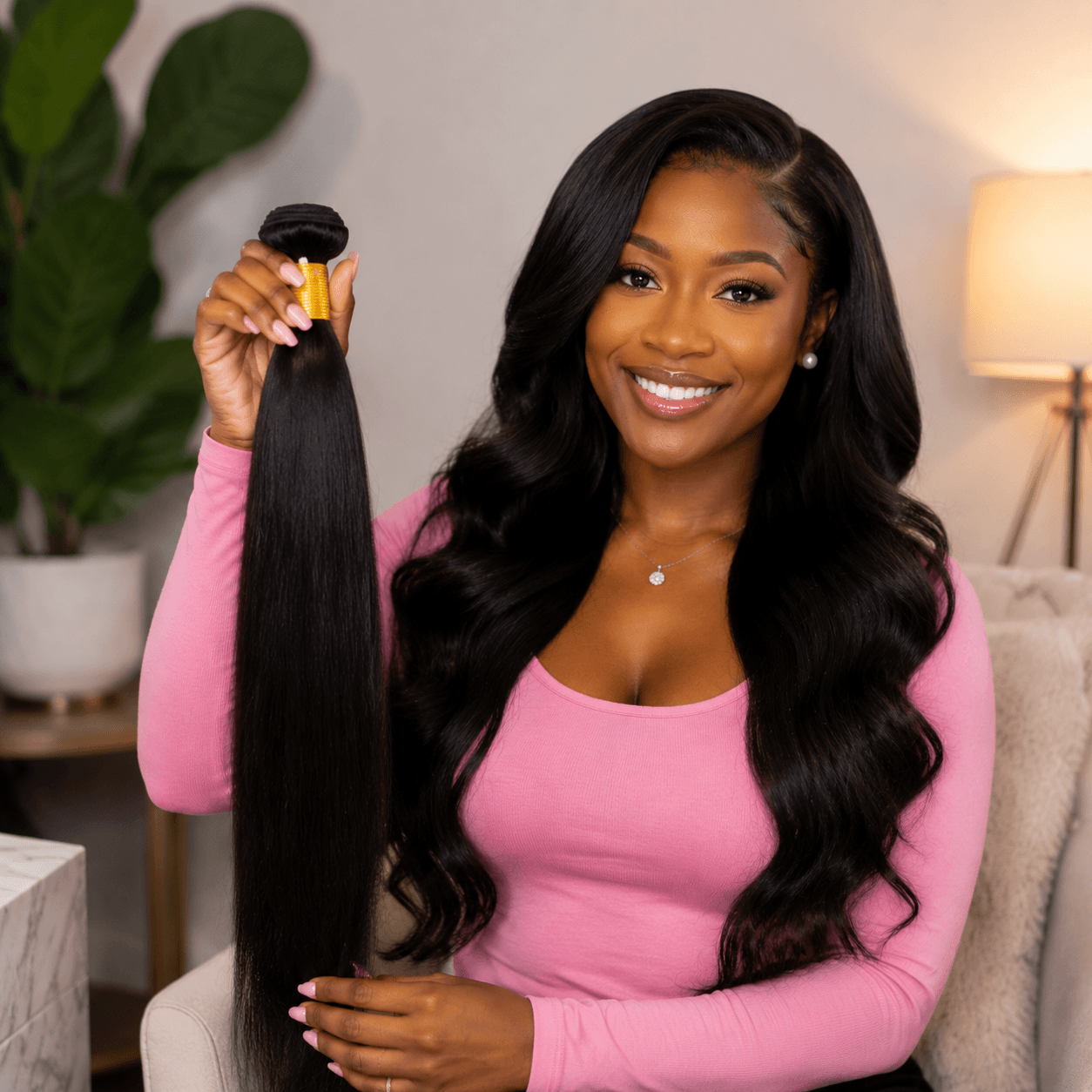
New entrepreneurs often make avoidable mistakes. The good news is that the right education can help you prevent many of them. Choosing a no-nonsense guide that offers straight talk can equip you with practical advice and clear guidance, helping you sidestep common pitfalls and focus on what truly matters for your business success.
Skipping Research Leads To Poor Choices
Not doing research is one of the biggest mistakes beginners make. Before launching, study the hair extension industry, your competitors, customer needs, beauty industry trends, and vendor options.
Business education helps reduce costly beginner mistakes.
Buying Too Much Inventory Is Risky

Many beginners buy too much inventory too soon. This can tie up cash and create stress if the products do not sell quickly.
Start small, test demand, collect feedback, and then increase inventory based on real customer interest.
Weak Branding Makes You Forgettable
If your brand looks like everyone else, customers may not remember you. This is where Purple Cow thinking helps.
Your business needs a reason to be noticed. That reason could be quality, education, luxury packaging, fast shipping, personal service, or a clear niche.
Poor Team Choices Can Hurt Growth

One of the most common reasons startups fail is poor team dynamics. Choosing the wrong partner, assistant, stylist, or vendor can cause stress and financial problems.
Take your time when building your team. Look for people who are reliable, skilled, honest, and aligned with your business goals.
Ignoring Legal Basics Creates Risk

Do not skip licenses, permits, taxes, policies, or insurance. Legal and financial mistakes can become expensive.
Startup guidance should cover legal, financial, and marketing basics before you start selling.
The Wealthy Hair Quality Standard
Wealthy Hair believes a strong hair business should be built on trust, education, and product integrity. That means paying close attention to sourcing ethics, donor integrity, quality control, and clear customer expectations.
High-quality hair should be checked for texture consistency, cuticle direction, shedding, tangling, luster, and processing method. Ethical sourcing also matters because customers want to know that the products they buy are handled responsibly.
From vendor selection to pricing strategy, Wealthy Hair’s approach is to help entrepreneurs understand both the beauty and business side of the hair industry. A credible guide should explain startup costs, branding, pricing, customer acquisition, and product quality so beginners can make smarter decisions. Building your hair business around your personal passions not only aligns your work with what you love, but also empowers you to reach your full potential as an entrepreneur.
People Also Ask
What should new entrepreneurs focus on when building a successful hair business?

New entrepreneurs should focus on solving a clear problem, understanding their ideal customer, and building a strong foundation before scaling. A successful hair business grows from smart planning, consistent action, and the ability to make better decisions as the business journey unfolds.
Why is choosing the right team important when starting a business?
Choosing the right team matters because the people involved can affect communication, leadership, customer service, and long-term business success. Successful entrepreneurs often build around trust, shared goals, clear responsibilities, and the ability to work through challenges together.
What types of skills help someone start their own business?
Starting your business requires planning, marketing, money management, customer research, sales, leadership, and problem-solving. These skills help small businesses stay organized, attract customers, improve marketing efforts, and create a stronger path toward business growth.
What is the best business book for starting a hair business?
A helpful resource for starting a hair business is Hair Business Roadmap: Fundamentals To Go From Zero To A Million Dollar Hair Business by Julia Strunk. It gives aspiring hair entrepreneurs a clear foundation for understanding the business journey, building confidence, and working toward long-term business success.
How can entrepreneurs improve their marketing efforts?
Entrepreneurs can improve marketing efforts by understanding their audience, creating clear messaging, showing consistent value, and tracking what works. Strong marketing should connect with customer needs, build trust, and support business growth without confusing or overwhelming the buyer.
Why is purpose important for business success?
Purpose gives a business direction. When business leaders understand why they exist, who they serve, and what transformation they offer, they can make better decisions, build stronger customer loyalty, and create a more meaningful entrepreneurial journey.
How can small businesses stand out in a crowded market?

Small businesses can stand out by offering a clear difference, serving a specific audience, and creating a customer experience people remember. A successful small business does not need to copy competitors. It needs to communicate value in a way that feels clear, useful, and trustworthy.
What is one common mistake entrepreneurs make when starting a business?
One common mistake is making big decisions without enough research. This can include choosing the wrong team, pricing too low, targeting the wrong customers, or launching without a clear plan. Better preparation helps entrepreneurs protect their time, money, and business success.
Why is customer feedback important for business growth?
Customer feedback helps entrepreneurs understand what buyers actually want. Instead of guessing, business leaders can use feedback to improve offers, refine marketing efforts, fix weak points, and build a successful business that responds to real customer needs.
What does it mean to pivot in business?
To pivot means to change direction when customer feedback, sales results, or market conditions show that the current plan is not working well. Pivoting can help small businesses stay flexible, protect resources, and move closer to business success.
How can entrepreneurs know when to keep going with a business idea?
Entrepreneurs should keep going when customers show real interest, sales are improving, feedback is positive, and the business model has room for growth. Staying consistent matters, but successful entrepreneurs also review results before deciding the next step.
Why do many startups struggle in the early stages?
Many startups struggle because of unclear planning, weak marketing, poor cash flow, bad hiring decisions, or a lack of customer understanding. Starting a business can be exciting, but business leaders need structure, patience, and discipline to move through the early challenges.
How can better habits support a successful business?
Better habits help entrepreneurs stay consistent, organized, and focused. Daily routines around planning, marketing, customer service, money tracking, and learning can support a successful business by turning small actions into steady business growth.
Why is mindset important in the entrepreneurial journey?
Mindset matters because entrepreneurship includes uncertainty, pressure, and constant decision-making. A strong mindset helps business leaders stay calm, solve problems, handle setbacks, and keep building their own business with confidence.
How can entrepreneurs handle difficult business decisions?
Entrepreneurs can handle difficult decisions by reviewing facts, understanding the risks, seeking trusted advice, and choosing the option that best supports long-term business success. Strong business leaders do not avoid hard choices. They learn how to make them wisely.
What helps create radically successful businesses?
To create radically successful businesses, entrepreneurs need a clear market need, a strong offer, smart positioning, reliable systems, and consistent customer trust. Long-term success usually comes from solving real problems better than competitors and staying focused on business growth.
What should aspiring entrepreneurs learn before starting a business?
Aspiring entrepreneurs should learn customer research, pricing, branding, sales, marketing, money management, and operations. These basics help them avoid common mistakes, build stronger small businesses, and move through the entrepreneurial journey with more confidence.


I want a copy of Julia’s book . How do I get it in Nigeria
Hi Victory! You can get a digital copy of it here: https://wealthyhair.com/hair-business-book