

Wealthy Hair Guides
Swiss Lace vs French Lace: Unraveling the Secrets for Ultimate Wig Luxury


The 60 Seconds Answer
When comparing Swiss lace vs French lace, Swiss lace is known for its durability, providing a firmer and more breathable fit, making it ideal for longer wear. French lace, on the other hand, is softer and more delicate, offering a lighter, more natural look but with less longevity. Both provide excellent lace wig options depending on your needs.
How Lace Type Affects Wig Comfort, Durability, and Appearance
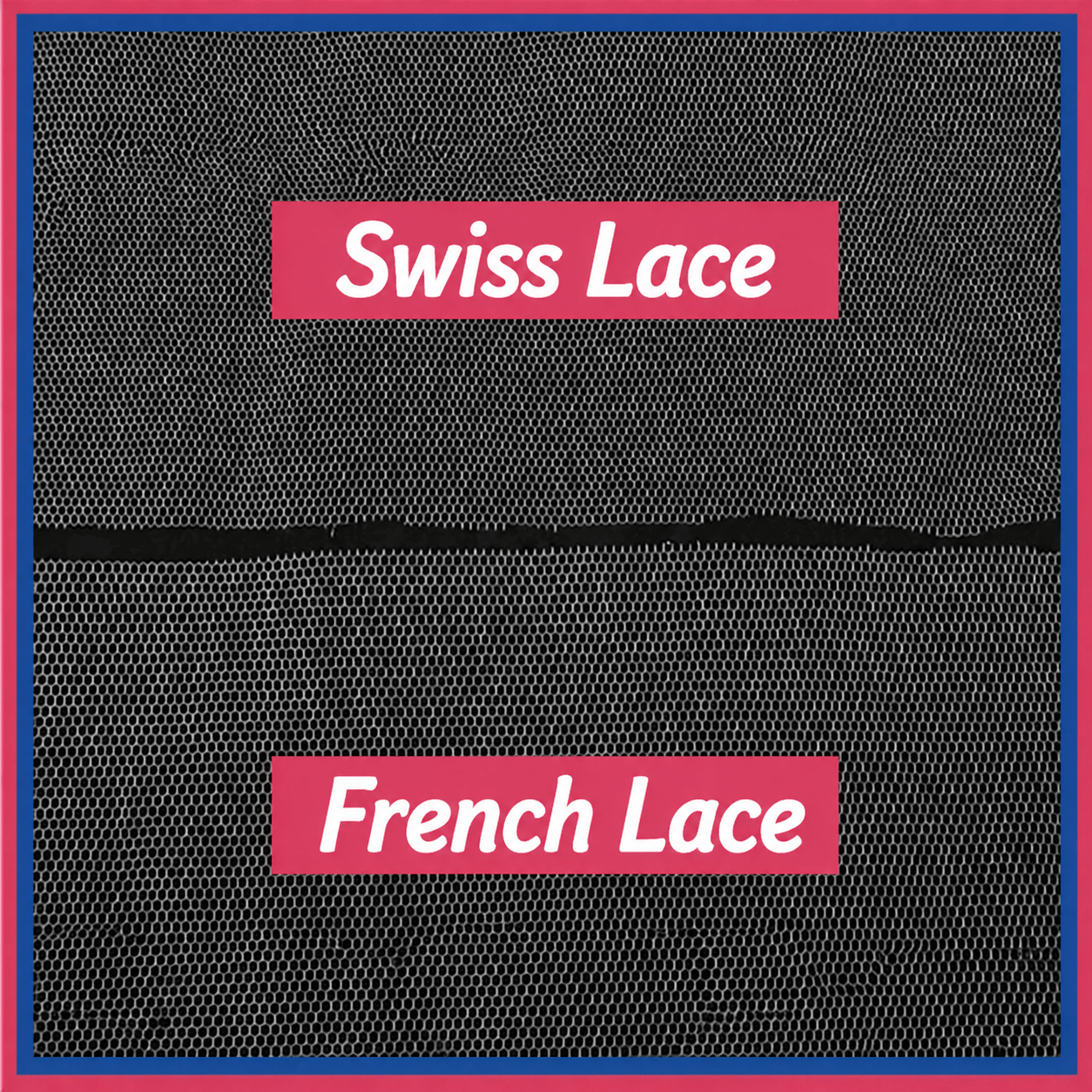
The lace base is a crucial component in wig construction, providing the foundation for attaching hair fibers and influencing the wig’s breathability, comfort, and natural appearance. There are different lace types, such as Swiss lace and French lace, each offering unique benefits. The choice of lace type impacts the wig’s appearance, comfort, and even its cost, as certain lace types are considered more luxurious. Both laces are popular for their mesh density, which affects breathability and the natural look of the hair system.
Swiss lace, often called “fine lace,” is known for its lightweight and breathable qualities. It uses a finely woven mesh that mimics the scalp’s appearance, making it almost invisible when worn. French lace, on the other hand, is thicker and more durable, offering a stronger structure that can withstand daily styling. French lace uses a tighter ‘honeycomb’ knit with smaller holes for securing hair fibers, which contributes to its strength and durability. Both types of lace use a hand-tied construction that ensures a custom fit, blending seamlessly with the natural hairline.
When it comes to texture, French lace is made from stronger and thicker threads, resulting in a rougher texture that may not be as comfortable for those with sensitive scalps. Swiss lace is more delicate and soft, providing an exquisite touch and increased comfort. In terms of elasticity, French lace can return to its original shape after stretching, helping to maintain the wig’s appearance over time. Both French and Swiss lace undergo meticulous craftsmanship to ensure durability, comfort, and an undetectable look.
Why Swiss Lace Is the Preferred Choice for a Natural Hairline
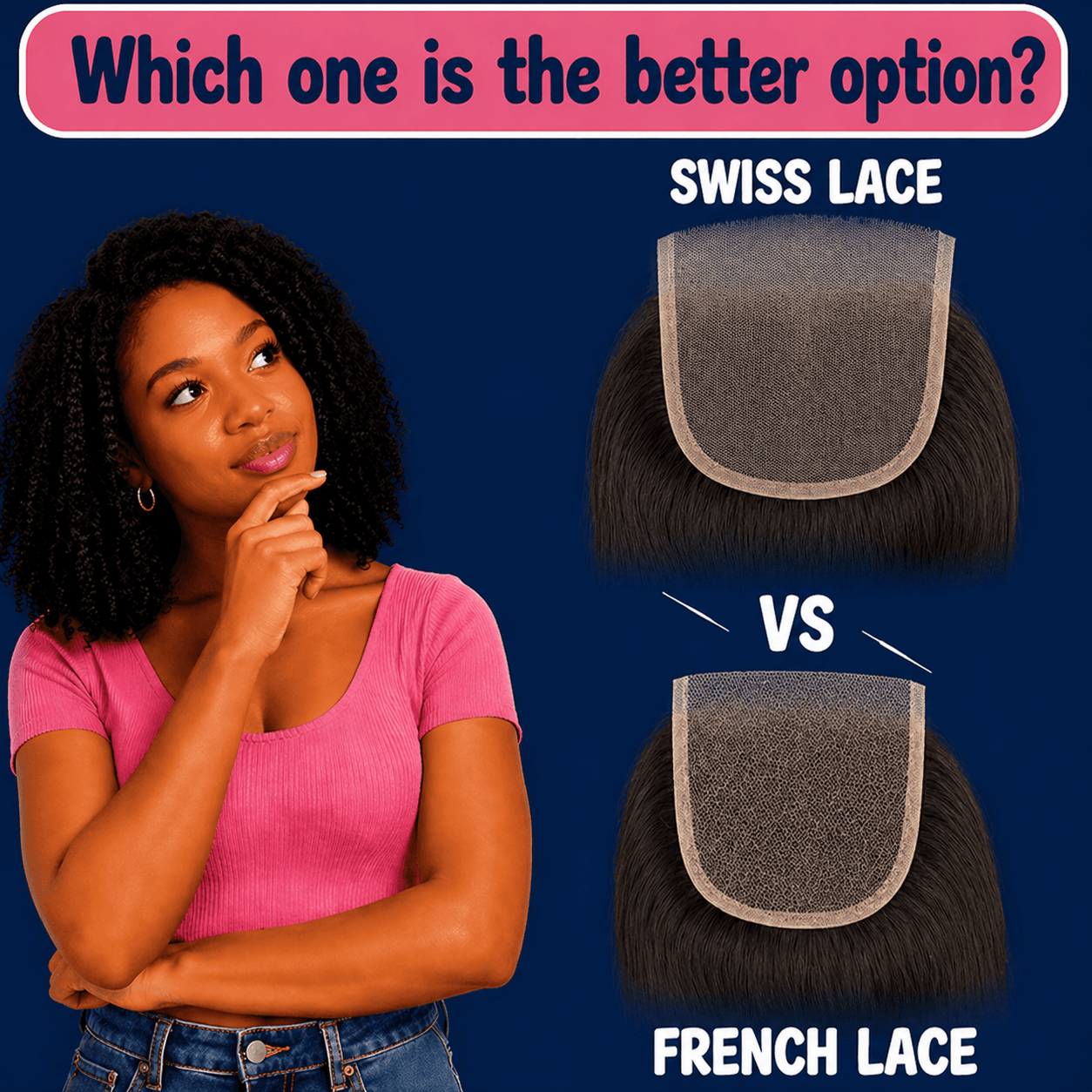
Swiss lace base is commonly used for natural hairlines and is a preferred choice for high-end bridal wear due to its exceptional softness and lightness. Swiss lace excels in creating an invisible hairline thanks to its finer mesh and exceptional transparency. When paired with human hair, Swiss lace provides an exceptionally natural appearance, as the fine weave allows it to blend seamlessly with the scalp for the most realistic look. This quality makes Swiss lace the go-to choice for those seeking a flawless and undetectable appearance.
Exploring the Durability of French Lace
French lace is known for its superior durability, as it is made from stronger and thicker threads that allow it to resist external forces such as weather and stretching. This construction results in a rougher texture that may not be as comfortable for some wearers, but it gives French lace the ability to withstand the rigors of daily wear and styling.
Its elasticity enables it to return to its original shape after stretching, helping to maintain the wig’s appearance over time. French lace is more durable than Swiss lace and can last up to three to four months, making it suitable for heavy hair density and frequent handling. This makes it an excellent option for those seeking a more robust lace without sacrificing appearance.
Comparing Swiss Lace vs French Lace for High-Density Hair Styles
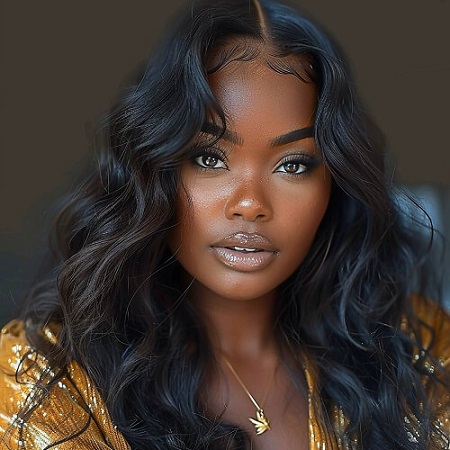
The mesh density of French lace makes it the ideal choice for high-density hair styles, as it provides the necessary support and durability for heavier hair. Swiss lace works best for light to medium hair density, since its delicate mesh density may not support the weight of denser hair. If you’re looking for a wig with dense hair that retains its shape, French lace is the way to go.
Which Lace Is Better for Sensitive Scalps?
When it comes to sensitive scalps, the choice between French and Swiss lace often depends on individual preferences regarding comfort and sensitivity. French lace is ideal for individuals with sensitive scalps. Its slightly thicker structure provides a comfortable fit without irritation, making it a good choice for those who wear wigs frequently. For sensitive skin, the hand-tied construction of French lace ensures a gentle touch.
Swiss Lace vs French Lace: A Comparison
This comparison table highlights the differences between lace types, focusing on the lace base materials used in Swiss lace and French lace, and how these options compare to other hair systems.
| Feature | Swiss Lace | French Lace |
|---|---|---|
| Lace Base | Made from ultra-fine Swiss lace base for maximum breathability and a natural appearance | Constructed with durable French lace base, offering structural strength and comfort |
| Lace Type | Premium lace type, considered high-end and luxurious | Popular lace type, valued for balance of durability and realism |
| Thickness | Thin and delicate | Slightly thicker and durable |
| Comfort | Highly breathable, lightweight lace base | Slightly less breathable, but durable lace base |
| Natural Look | Provides the most invisible hairline due to fine lace base | Offers a strong yet seamless blend with a natural look |
| Durability | Best for moderate wear; delicate lace base | Excellent for daily wear and styling; robust lace base |
| Ideal Density | Light to medium hair density | High-density hair styles |
Compared to other hair systems, both Swiss lace and French lace bases are designed with numerous holes for optimal airflow, making them superior in breathability and comfort, especially for those in hot climates or with active lifestyles. The choice of lace type also impacts the cost and perceived luxury of the wig.
Wealthy Hair Maintenance Protocol

Consistent users of lace wigs follow these maintenance protocols to preserve the original shape and longevity of their wigs:
Avoid heavy makeup near the lace to preserve its transparency and prevent residue buildup.
Wash with sulfate-free shampoo every 7-10 days to keep the lace breathable.
Apply heat protectant at a maximum of 350°F to avoid damaging the lace and hair.
Carefully brush the wig with a wide-tooth comb to prevent tangling and maintain its natural look.
Store your wig on a mannequin when not in use to maintain its original shape and prevent lace stretching.
People Also Ask
Which lace is more breathable, Swiss lace or French lace?

Both French lace and Swiss lace are designed with thousands of holes on their surface, allowing air and heat to pass through and providing an airy and breathable experience for wearers. Swiss lace is known for its higher breathability due to its larger holes, making it more comfortable for wearers in hot or humid climates. The increased air flow makes Swiss lace material ideal for extended wear. On the other hand, French lace has smaller, tighter holes, providing support for heavier hair densities but slightly reducing breathability.
Is Swiss lace better for natural hairlines?
Yes, Swiss lace is often preferred for its natural appearance and invisible hairline. Due to its delicate and thin design, it is less visible than French lace, making it the top choice for those seeking a seamless and undetectable look in their lace wigs or hair systems. Swiss lace is particularly popular for bridal wear and special events.
Which lace is better for heavy hair density: Swiss lace or French lace?
For heavy hair density, French lace is the better option. Its coarser texture and stronger, thicker threads provide the support needed for medium-heavy hair densities. Swiss lace, being thinner and more fragile, is best suited for light hair density and offers a more undetectable and breathable experience for lighter hairstyles.
How do French lace and Swiss lace compare in terms of comfort?
Swiss lace is softer and more delicate, offering increased comfort, making it ideal for those with sensitive scalps. On the other hand, French lace feels rough and may not be as comfortable for those who prefer Swiss wig for its gentle feel. French lace is often used for more durable, daily wear garments.
Why do hair system wearers prefer Swiss lace?
Hair system wearers often prefer Swiss lace for its natural appearance, comfort, and seamless blending with the scalp. The thin and delicate Swiss lace material creates an almost invisible hairline, making it a popular choice for those seeking a more luxurious and undetectable look in full lace wigs and Swiss lace hair systems.
Is French lace suitable for sensitive scalps?
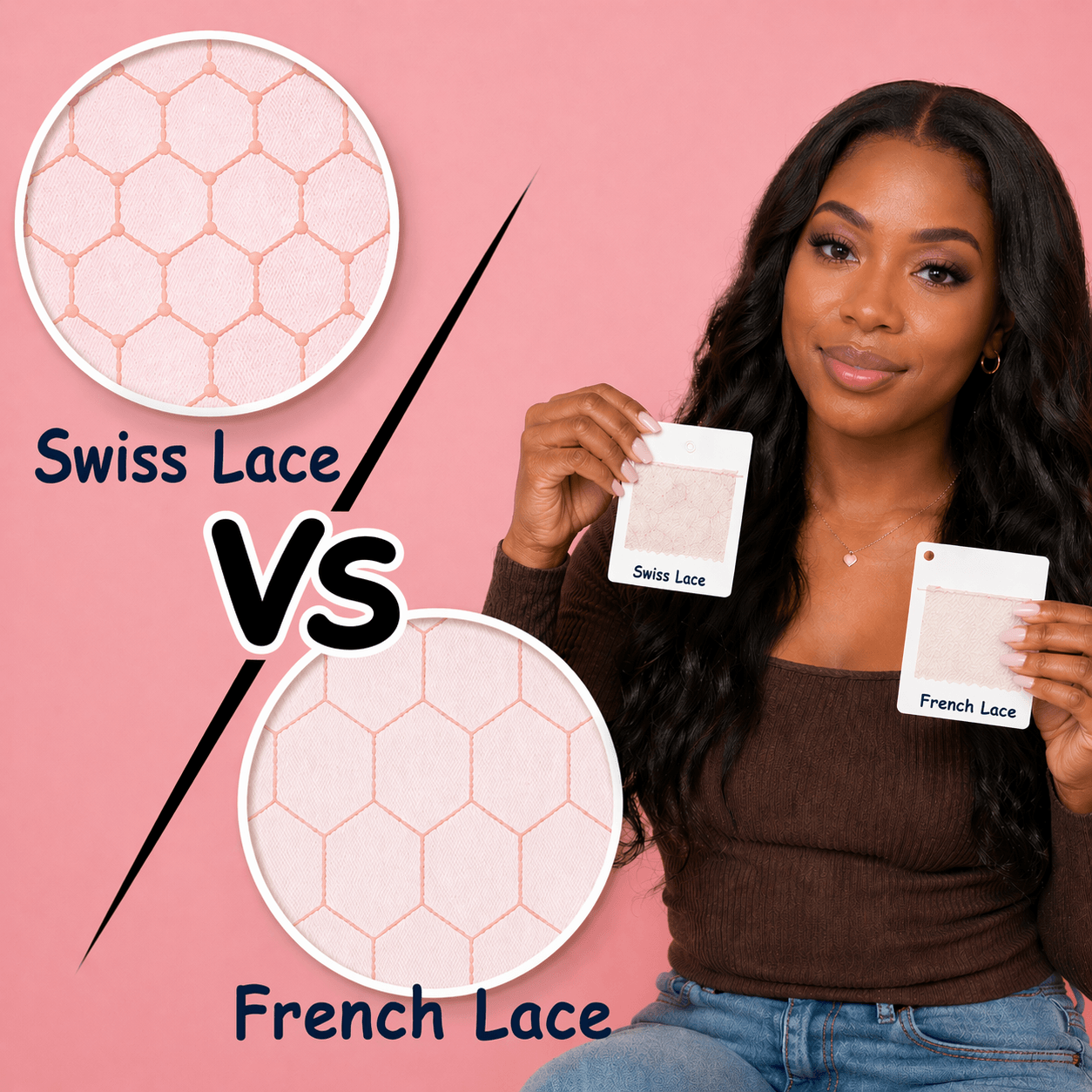
French lace can feel rough and may not be ideal for those with sensitive scalps. While it provides durability and structural support for heavier hair densities, it might irritate some wearers due to its coarser texture compared to Swiss lace.
How does Swiss wig provide an invisible hairline?
Swiss lace is known for its invisible hairline, thanks to its thinner weave and larger holes that allow for better air circulation and a more natural appearance. This lace material blends seamlessly with the scalp, making it a go-to choice for wearers seeking an undetectable hairline, especially in lace wigs and Swiss lace hair systems.
What is the pricing difference between Swiss lace and French lace?
Due to the delicate nature of Swiss lace and its luxurious look, Swiss lace hair systems tend to be more expensive compared to the French lace hair system. This higher pricing is due to the intricate lace types and high-quality production involved, making Swiss lace a preferred choice for luxury and high-end fashion designs.
The cost also reflects the delicate and soft design of Swiss lace, which is often associated with a more natural and seamless appearance compared to French lace. French lace is more affordable, making it a suitable option for daily wearers and those on a budget.
How does Swiss lace compare to French lace in terms of breathability?
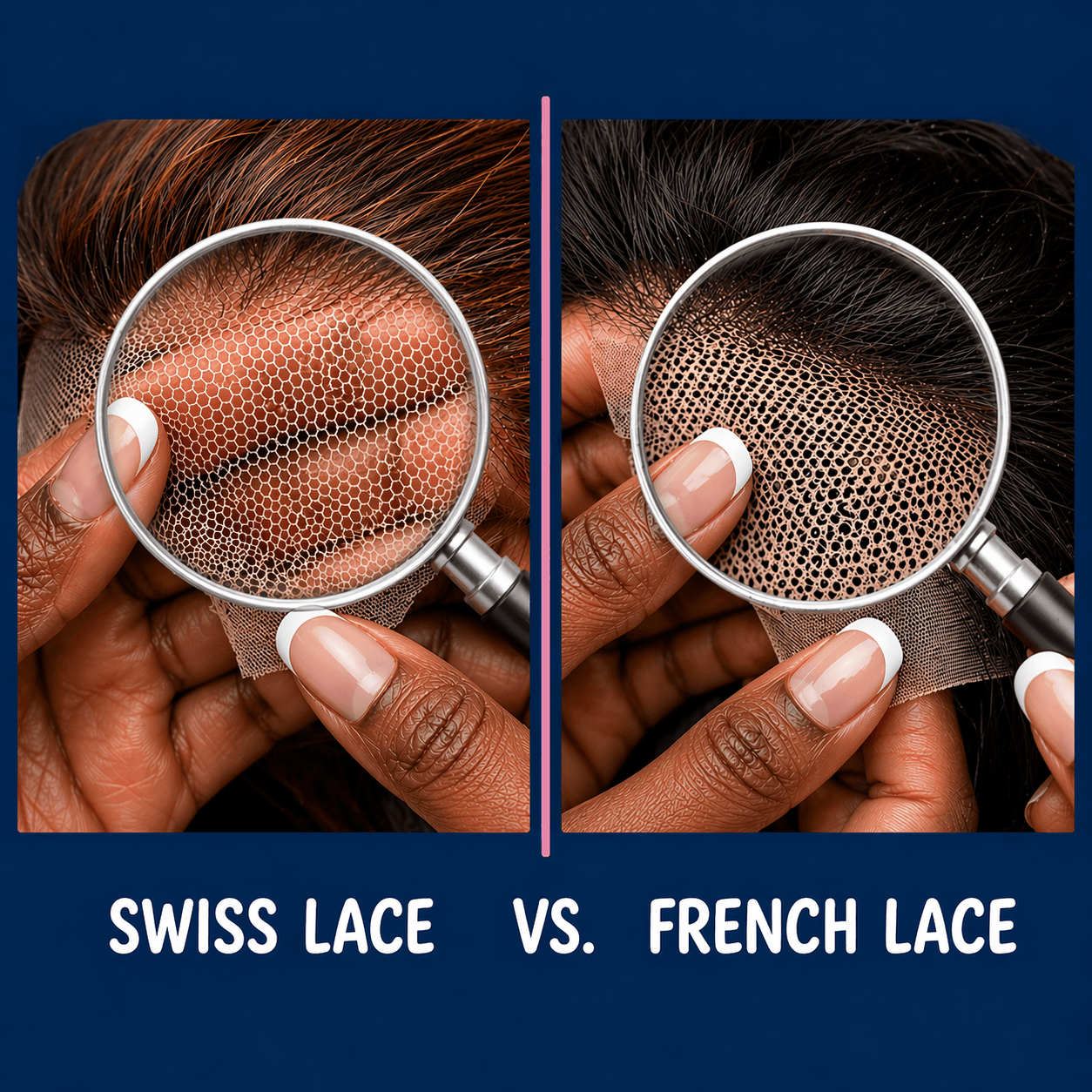
Swiss lace offers larger holes, making it more breathable than French lace, which has smaller holes.
What makes Swiss lace suitable for high-end bridal wear?
Swiss lace’s delicate and soft texture makes it perfect for high-end bridal wear, offering an undetectable and luxurious appearance.
Which lace is softer: Swiss lace or French lace?
Swiss lace is softer and more delicate, offering a more comfortable fit compared to the rougher texture of French lace.
Is French lace more durable than Swiss wig?
Yes, French lace wigs made from thicker, stronger threads, making it more durable and suitable for everyday wear and frequent washing.
The Wealthy Hair Quality Standard
At Wealthy Hair, we offer full lace wigs crafted from high-quality lace materials, providing an unbeatable wearing experience for our clients. As a leader in the hair wig industry, our commitment to quality and innovation sets us apart. We source only the highest quality lace, ensuring a perfect blend of luxury and durability.
Confused about whether to choose HD lace or transparent lace for your next hair installation? Let us break down the pros and cons of each in this informative guide: The Ultimate Showdown: HD Lace vs Transparent Lace for Flawless Looks.
