

Wealthy Hair Guides
Sew Ins Curly Weaves: Pics, Tips, And Tricks!

The 60-Second Answer
Sew ins curly weaves are protective hairstyles where curly wefted hair extensions are sewn onto a braided cornrow base. The best results come from clean natural hair, a low-tension braid pattern, quality curly human hair bundles, and steady moisture care. A curly sew-in can last 4 to 8 weeks with proper washing, detangling, and nighttime protection.
What Is A Curly Sew-In Weave?

A curly sew-in weave is a hairstyle where your natural hair is braided down, then curly weave bundles are sewn onto the braids using a C-shaped needle and weaving thread. The curly hair extensions can create volume, length, fullness, and a whole new look without daily heat styling.
Sew-in hairstyles can be very versatile. You can wear voluminous natural curls, deep waves, wet and wavy hair, textured updos, middle parts, side parts, flip-over styles, closure sew-ins, or full curly sew-ins. The key is choosing a curl pattern that works with your natural hair texture and lifestyle.
In my professional experience, the success of a curly sew-in starts before the first track is sewn. Your natural hair must be clean, conditioned, detangled, stretched, and fully dry. A stylist-approved curly sew-in should never feel painfully tight at the scalp because tight braids and heavy tension can increase the risk of breakage and traction alopecia. The American Academy of Dermatology notes that tight cornrows, weaves, extensions, and tightly pulled styles can lead to traction alopecia when they pull too much on the hair.
Curly Sew-In Styles Compared
| Curly Sew-In Type | Best For | Longevity | Luster Level | Maintenance Level |
|---|---|---|---|---|
| Curly Sew-In With Leave-Out | Natural blend and parting | 4 to 8 weeks | Medium to high | Medium |
| Full Curly Sew-In | Full protection, no leave-out | 4 to 8 weeks | Medium | Low to medium |
| Closure Sew-In Curly Weave | Less leave-out styling | 4 to 8 weeks | Medium to high | Medium |
| Wet And Wavy Sew-In | Easy curl refresh | 4 to 8 weeks | Natural shine | Low to medium |
| Deep Wave Sew-In | Defined waves and volume | 4 to 8 weeks | High | Medium |
Wealthy Hair Maintenance Protocol
Follow this step-by-step protocol to keep curly sew ins styles soft, defined, and healthy-looking.
- Cleanse every 7 to 14 days. Use a sulfate-free shampoo and focus on the scalp first. Let the shampoo run through the curls instead of rubbing the hair roughly.
- Deep condition weekly. Apply a moisturizing conditioner or deep conditioner to the curly extensions. This helps reduce dryness, frizz, and split-looking ends.
- Moisturize every 2 to 3 days. Use a lightweight leave-in conditioner spray on the curls. Apply a small amount of scalp oil only where your scalp feels dry.
- Detangle from ends to roots. Use your fingers or a wide-tooth comb. Always start at the ends and work upward to reduce shedding and preserve curl definition.
- Refresh curls with water. Mist the hair with water and leave-in conditioner. Scrunch the curls upward to bring back curl memory.
- Limit heat on leave-out. Use heat protectant and keep hot tools around 300°F to 350°F when possible. Do not press or curl your leave-out every day.
- Sleep with satin or silk. Use a satin bonnet, silk scarf, or satin pillowcase. Nightly protection helps reduce friction, frizz, and tangling.
- Use the pineapple method. Gather curls loosely at the top of your head before bed. This helps protect the curl shape overnight.
- Dry the scalp fully after washing. Use air drying or a hooded dryer on low heat. Do not leave the braid base damp for long periods.
- Remove on schedule. A curly sew-in should be removed on time to prevent matting, scalp buildup, and stress on the hair. Many sew-ins last 4 to 8 weeks, though some can last up to 12 weeks with excellent care and professional monitoring.
How To Prevent Tangling And Frizz

The biggest mistake I see with curly sew-ins is treating curly bundles like straight hair. Curly hair should not be brushed dry from root to tip. This can cause frizz, shedding, and puffiness.
To keep a curly sew-in from tangling, moisturize lightly, detangle often, and sleep with satin or silk. To keep curly weave from frizzing, avoid drying alcohols, heavy buildup, and rough towel drying. Use a microfiber towel or T-shirt to blot water from the hair.
To prevent matting in curly weave, keep the scalp clean and avoid going too long without detangling. Pay special attention to the nape area because this part rubs against clothing and tangles faster.
How To Care For Hair Underneath
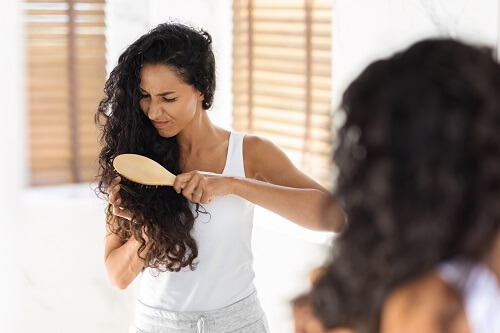
A sew-in is only protective if the hair underneath stays healthy. A well-installed sew-in should protect the natural hair while allowing scalp access. If your scalp is itchy, sore, flaky, or painful, do not ignore it.
Clean your scalp gently with diluted shampoo or a scalp cleansing bottle. Dry the braid base fully. Do not scratch hard with your nails because this can irritate the scalp.
If your sew-in feels painfully tight, remove it or ask your stylist to adjust it. Cleveland Clinic notes that tight hairstyles, including extensions and weaves, can tug on roots and damage follicles over time.
The Wealthy Hair Quality Standard
At Wealthy Hair, curly sew-in quality starts with sourcing, texture matching, and long-term wear. Wealthy Hair focuses on high-quality human hair bundles with strong strand alignment, natural luster, and curl patterns that are made to blend beautifully with textured hair. Our quality control looks at softness, shedding control, curl definition, donor hair quality, and how well the hair responds to washing, moisturizing, and styling. That matters because a curly sew-in should not only look beautiful on day one. It should still feel soft, full, and wearable after real-life maintenance.
People Also Ask
How to install a curly sew-in weave?

To install a curly sew-in weave, braid the natural hair into a secure cornrow base, then sew curly wefted hair extensions onto the braids. The braid pattern, track placement, and tension control decide how flat and natural the style looks. Wealthy Hair recommends a professional install for the safest, neatest, and longest-lasting result.
How to prep natural hair for a curly sew-in?

Prep natural hair by shampooing, deep conditioning, detangling, stretching, and fully drying it before the install. Clean and stretched hair creates a smoother braid foundation and helps reduce scalp buildup. Wealthy Hair recommends a sulfate-free shampoo, deep conditioner, leave-in conditioner, and gentle blow-drying on low heat.
How to wash a curly sew-in weave?

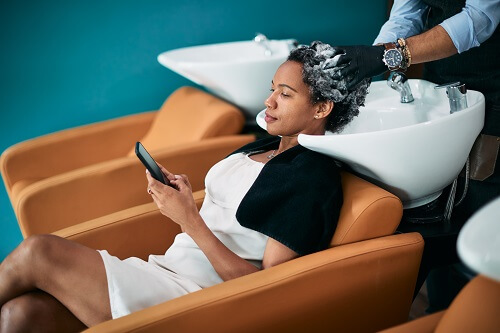
Wash a curly sew-in weave by focusing shampoo on the scalp and letting the cleanser move gently through the curls. Rough scrubbing can disturb curl clumping and cause tangling near the wefts.
How to keep a curly sew-in from tangling?
Keep a curly sew-in from tangling by moisturizing lightly, detangling from ends to roots, and sleeping with satin or silk. Tangling often happens when curls become dry, rubbed, or overloaded with heavy products.
How to refresh curly sew-in curls?

Refresh curly sew-in curls with water, leave-in conditioner, and gentle scrunching. Curly extensions often regain shape when moisture reactivates the curl pattern.
How to blend leave-out with curly weave?
Blend leave-out with curly weave by matching the curl pattern and using flexi rods, twists, braids, or low-heat curling. The closer your leave-out texture is to the weave, the more natural the style looks. Wealthy Hair recommends heatless blending first and heat styling only when necessary.
What is a wet and wavy sew-in?

A wet and wavy sew-in is a weave style that becomes more defined when misted or washed. The hair is designed to shift into a wavy or curly pattern when hydrated.
What is the best hair for a curly sew-in?

The best hair for a curly sew-in is high-quality human hair with good cuticle alignment, curl memory, and low shedding. Remy human hair and virgin human hair usually last longer and blend better than low-quality synthetic curly hair.
How to remove a curly sew-in safely?

Remove a curly sew-in safely by cutting only the weaving thread, not your natural hair. Rushing the takedown can cause breakage, matting, and unnecessary shedding. Wealthy Hair recommends having a stylist remove the sew-in, detangle gently, shampoo, and deep condition afterward.
How to maintain a curly sew-in weave?
Maintain a curly sew-in weave by moisturizing, detangling, washing, and protecting it at night. Curly textures need hydration because the curl shape makes dryness and frizz more noticeable.

Final Thoughts
Curly sew in weaves can give you length, volume, and a beautiful curl pattern while giving your natural hair a break. The best results come from proper prep, a low-tension braid base, quality curly weave bundles, and a simple care routine.
Remember this: curls need moisture, patience, and gentle hands. If you cleanse your scalp, deep condition the hair, protect it at night, and remove the sew-in on time, your curly sew-in can stay soft, full, and natural-looking for weeks.
References
American Academy of Dermatology Association: Guidance on tight hairstyles, weaves, extensions, and traction alopecia. (American Academy of Dermatology)
Mayo Clinic: Hair loss causes, including traction alopecia from tight braids and cornrows. (Mayo Clinic)
Cleveland Clinic: Dermatology guidance on tight hairstyles, extensions, weaves, and follicle stress. (Cleveland Clinic)
National Center for Biotechnology Information: Clinical overview of traction alopecia and tension-related hair loss. (NCBI)
British Association of Dermatologists: Traction alopecia guidance, including avoiding high-risk tight hairstyles and excessive heat. (bad.org.uk)
You will agree that sew ins curly weaves can add some length and volume to your hair without damaging it with harsh chemicals or heat. But how do you choose the right Curly Hair Extensions? This article will guide you: The Complete Guide to Curly Hair Extensions.
Want to learn how to curl your hair to give you that unique look? Check out this article on Curling Hair Extensions: Curling Hair Extensions – Tips and Tricks for Flawless Curls.

