

Wealthy Hair Guides
Proven Winners: The Best Products For Flat Ironing Natural Hair
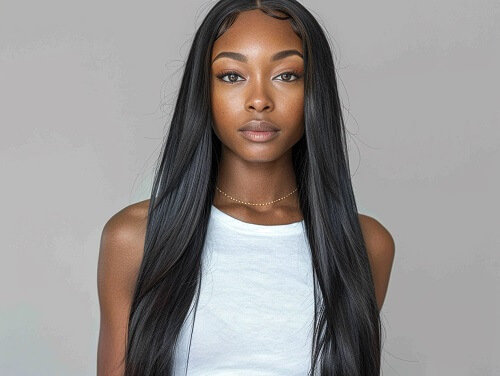
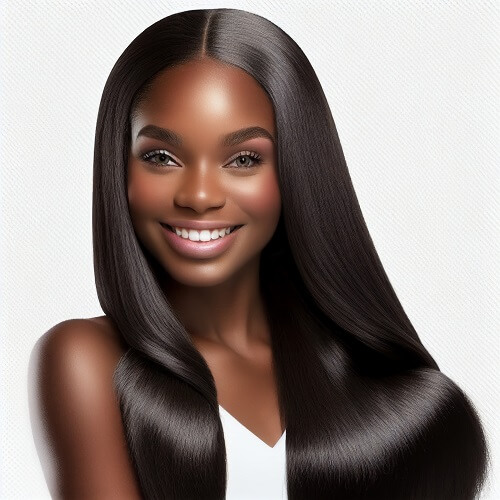
The 60-Second Answer:
The best products for flat ironing natural hair include a sulfate-free shampoo, hydrating conditioner, lightweight leave-in conditioner, thermal heat protectant, anti-frizz serum, and a ceramic or tourmaline flat iron with adjustable heat settings. These products protect the hair shaft, smooth the cuticle, reduce frizz, and help natural hair stay sleek without losing softness or curl health.
Why Natural Hair Needs Moisture, Cuticle Protection, and Heat-Safe Styling
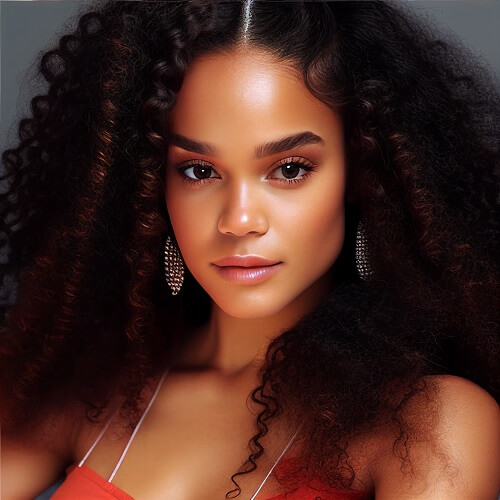
Natural hair is beautiful, strong, and full of texture, but it also needs smart care when heat is involved. Curly, coily, kinky, and 4C hair often have bends along the hair shaft. These bends can make it harder for natural oils to travel from the scalp to the ends, which is why textured hair can feel dry faster than straight hair.
From a trichology perspective, the hair shaft has three key parts: the cuticle, cortex, and inner structure. The cuticle is the outer layer that protects the strand. The protein-rich cortex gives hair its strength, elasticity, and shape. When hot tools are used without proper products, the cuticle can lift, moisture can escape, and the cortex can weaken. This can lead to frizz, breakage, split ends, and loss of curl pattern.
In professional hair care, the goal is not just straight hair. The goal is smooth, shiny hair that still feels soft, flexible, and healthy after styling. That is why the best flat irons for natural hair must support moisture retention, cuticle smoothing, heat damage prevention, humidity resistance, and breakage protection.
The same quality ideas used in high-end human hair extensions also matter here. Premium hair depends on cuticle alignment, tensile strength, and clean processing. With your own natural hair, you want to protect the same things: the cuticle, the cortex, and the strand’s natural strength.
How Clean Hair Improves Flat Iron Results
The best time to flat iron natural hair is right after a fresh shampoo and conditioning session. Flat ironing dirty hair can “bake” oil, sweat, dirt, and product buildup into the hair shaft. This can make the hair feel stiff, dull, smoky, or weighed down.
Start with a sulfate-free shampoo to cleanse the scalp and hair without stripping away needed moisture. Follow with a hydrating conditioner to soften the strands before blow-drying and heat styling. If your hair is dry, brittle, color-treated, or damaged, a deep conditioning treatment before flat ironing is even more important.
Product buildup can also block heat protectants from coating the hair evenly. When the hair is not properly protected, hot spots can form, which may cause burning, dryness, or breakage. Clean hair gives your heat protectant, leave-in conditioner, and serum a better surface to work on.
Why Heat Protectant Prevents Breakage
A quality heat protectant is one of the most important products for flat ironing natural hair. It creates a physical barrier between your hair and the heat from your flat iron. This barrier helps slow down water loss from the hair shaft, protect the cuticle, and reduce the risk of thermal damage.
Many professional stylists recommend using a heat protectant every time hot tools touch textured hair. Look for heat protectants that can protect up to 450°F, even if you do not plan to use that much heat. The goal is not to use the highest temperature. The goal is to give your hair strong protection in case the tool gets hotter than expected.
A good heat protectant should also fight humidity. Products labeled anti-humidity or frizz-free are designed to smooth the cuticle and help keep the hair sleek in damp weather. This matters because humidity can cause straightened natural hair to swell, frizz, or revert back quickly.
Lightweight Leave-In Products Prepare Hair
Before blow-drying, use a lightweight, water-based leave-in conditioner. This helps hydrate the hair, soften textured strands, and prepare them for stretching. A leave-in conditioner also makes the hair easier to detangle and section before using heat.
Avoid heavy creams, butters, and thick oils right before flat ironing. These can weigh the hair down, create buildup, and make the finished style look greasy instead of bouncy. Oils can also heat up on the hair and increase the risk of damage, especially when used before direct flat iron heat.
For best results, apply your lightweight leave-in first, then blow-dry the hair fully. After blow-drying, apply a thermal protection serum or spray before flat ironing. This layering method helps protect the hair during both stages of heat styling.
Anti-Frizz Serum Creates Sleek Shine
Applying a serum before flat ironing can enhance the no-frizz factor and help protect the hair against heat damage. A lightweight anti-frizz serum helps smooth the cuticle, add shine, and reduce puffiness.
Look for smoothing ingredients like argan oil, keratin, silk proteins, or humidity-resistant polymers. Keratin-based straightening products can help give textured hair longer-lasting smoothness because they support the hair surface and reduce frizz. The product should feel light, not sticky or oily.
The key is balance. Too little product may not protect the hair enough. Too much product can make the hair heavy and stiff. Start with a small amount, spread it evenly through the hair, and focus on the mid-lengths and ends.
Ceramic Plates Are Safer For Natural Hair
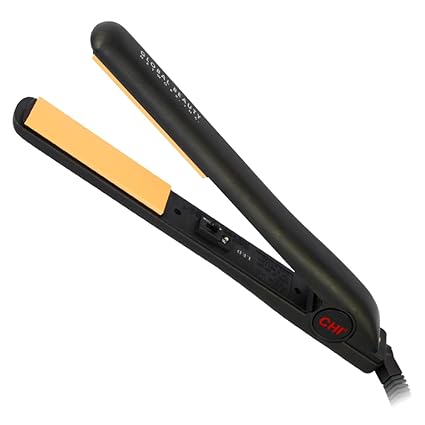
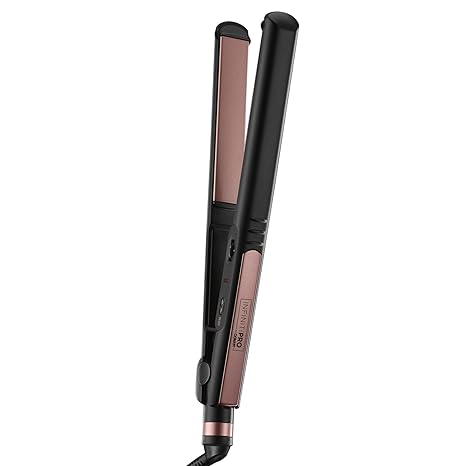
When choosing a flat iron, plate material matters. Full-plated ceramic or tourmaline-infused flat irons are often safer for natural hair than pure titanium. Ceramic plates provide gentle, even heat distribution, while tourmaline technology can help produce negative ions that reduce frizz and support a smoother finish.
Tourmaline ceramic plates are often recommended for Type 3 and Type 4 hair because they help smooth the hair without aggressive heat. Far infrared heat can warm the strand more evenly, which may reduce stress on the outer cuticle.
Titanium flat irons heat up quickly and conduct heat strongly. They can work well for very thick or coarse hair in skilled hands, but they can also scorch natural hair if the temperature is too high or the iron is passed over the same section too many times. For most at-home users, ceramic or tourmaline ceramic is the safer choice.
Adjustable Heat Protects Textured Hair
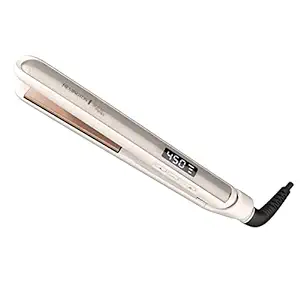
The best flat iron for textured hair should have adjustable heat settings. Fine, damaged, or color-treated natural hair usually needs lower heat. Thick, coarse, or 4C hair may need more heat, but only with strong heat protection and proper prep.
Most beauty professionals suggest starting with the lowest effective temperature. Do not begin at 450°F just because the tool offers it. Repeated high-temperature passes can weaken the hair shaft, reduce elasticity, and increase breakage over time.
A general guide is:
| Hair Type | Suggested Heat Range | Best Product Support | Best Flat Iron Type | Main Goal |
|---|---|---|---|---|
| Fine Natural Hair | 300°F–340°F | Lightweight leave-in and spray protectant | Ceramic flat iron | Smooth without flattening |
| Medium-Density Hair | 340°F–375°F | Heat protectant and anti-frizz serum | Tourmaline ceramic flat iron | Shine and frizz control |
| Thick Natural Hair | 375°F–410°F | Deep conditioner, leave-in, thermal serum | Ceramic or titanium-ceramic iron | Straighten with fewer passes |
| Coarse 4C Hair | 380°F–420°F | Strong heat protectant and humidity blocker | Tourmaline ceramic or careful titanium use | Stretch safely and reduce breakage |
| Damaged Or Color-Treated Hair | 280°F–340°F | Bonding treatment and low-heat protectant | Ceramic flat iron | Protect elasticity |
Wealthy Hair Maintenance Protocol
Follow this step-by-step protocol to flat iron natural hair safely and keep your style looking polished.
- Wash With Sulfate-Free Shampoo
Start with clean hair. Use a sulfate-free shampoo to remove dirt, sweat, and buildup without stripping the hair. - Deep Condition For Moisture
Apply a hydrating conditioner or deep conditioning treatment. Let it soften the hair so the strands are less brittle before heat styling. - Detangle In Sections
Use clips to divide the hair into small, easy sections. Detangling before blow-drying helps reduce pulling, snapping, and friction. - Apply A Lightweight Leave-In
Use a water-based leave-in conditioner before blow-drying. This adds hydration and prepares the hair for the first stage of heat. - Blow-Dry Until Fully Dry
Never flat iron damp natural hair. Use the tension method or a blow dryer with a comb attachment to stretch the hair before flat ironing. - Apply Heat Protectant Evenly
Spray or smooth heat protectant through each section. Make sure every strand is coated before the flat iron touches the hair. - Use The Right Temperature
Start low and increase only if needed. For many natural hair types, 350°F to 410°F is enough when the hair is properly stretched and protected. - Use Small Sections
Small sections give better control and smoother results. Large sections often require repeated passes, which can increase heat damage. - Try The Chase Method
Use a comb or brush chase method while flat ironing. This keeps the hair aligned and can help you get smoother results with one slow pass. - Wrap Hair At Night
After flat ironing, wrap your hair with a silk or satin scarf. This helps preserve the style and prevents frizz caused by friction.
Wealthy Hair Quality Standard
At Wealthy Hair, our standard is rooted in beauty, education, and trust. Whether we are talking about natural hair care, human hair wigs, or premium extensions, we believe quality begins with understanding the hair itself. High-quality hair should protect cuticle integrity, maintain natural shine, and support long-term styling health.
Our approach is built around ethical sourcing, donor integrity, and quality control. True premium hair should not be harshly processed, acid-stripped, or coated to fake softness. This same philosophy applies to your natural hair routine: protect the cuticle, avoid unnecessary damage, and choose products that help your hair thrive beyond the style.
People Also Ask

How Do You Choose The Best Products For Flat Ironing Natural Hair?
Choose products that cleanse, hydrate, protect, and smooth the hair before heat styling. Natural hair needs moisture balance, cuticle protection, and heat defense to avoid breakage. Wealthy Hair recommends using sulfate-free shampoo, hydrating conditioner, lightweight leave-in, heat protectant, and anti-frizz serum.
What Products Do You Need Before Flat Ironing Natural Hair?
You need shampoo, conditioner, leave-in conditioner, heat protectant, and a lightweight smoothing serum. These products help prepare the hair shaft, reduce friction, and protect the cuticle from hot tools. Wealthy Hair suggests avoiding heavy oils before flat ironing so your hair stays bouncy and clean.
How Do You Flat Iron Natural Hair Without Heat Damage?
Flat iron natural hair without heat damage by starting with clean, conditioned, fully dry hair. Heat damage often happens when hair is damp, unprotected, or exposed to repeated high-temperature passes. Wealthy Hair recommends using small sections, heat protectant, and the lowest effective temperature.
What Is The Best Heat Protectant For Flat Ironing Natural Hair?
The best heat protectant for flat ironing natural hair should protect up to 450°F and fight humidity. It works by creating a barrier that slows moisture loss and reduces cuticle damage.
How Do You Prepare Natural Hair Before Using A Flat Iron?
Prepare natural hair by washing, conditioning, detangling, applying leave-in, and blow-drying until fully dry. This helps stretch the hair and lowers the number of flat iron passes needed.
What Is The Safest Way To Flat Iron Curly Hair?
The safest way to flat iron curly hair is to use clean hair, heat protectant, small sections, and controlled temperature. Curly hair can lose moisture quickly when the cuticle is exposed to direct heat.
What Is The Best Flat Iron Temperature For Natural Hair?
The best flat iron temperature for natural hair depends on texture, density, and condition. Fine or damaged hair may need 300°F to 340°F, while thick or coarse hair may need 375°F to 420°F. Wealthy Hair recommends starting low and increasing only when needed.
How Do You Flat Iron 4C Hair Without Breakage?
Flat iron 4C hair without breakage by deep conditioning, stretching the hair first, and using a strong heat protectant. 4C hair has tight coils that can be more prone to dryness and friction. Wealthy Hair recommends small sections, slow passes, and a ceramic or tourmaline ceramic flat iron.
Can You Flat Iron Damp Natural Hair?
No, you should not flat iron damp natural hair. Water inside the hair shaft can heat rapidly and cause bubbling, weakness, or breakage. Wealthy Hair recommends blow-drying the hair completely before using a flat iron.
How Do You Keep Flat Ironed Natural Hair Straight Longer?
Keep flat ironed natural hair straight longer by avoiding water, sweat, heavy products, and humidity. Straightened natural hair can revert when moisture enters the hair shaft. Wealthy Hair recommends wrapping your hair nightly with a silk or satin scarf and using a light anti-humidity serum.
Why Should You Wash And Condition Before Using Heat Tools?
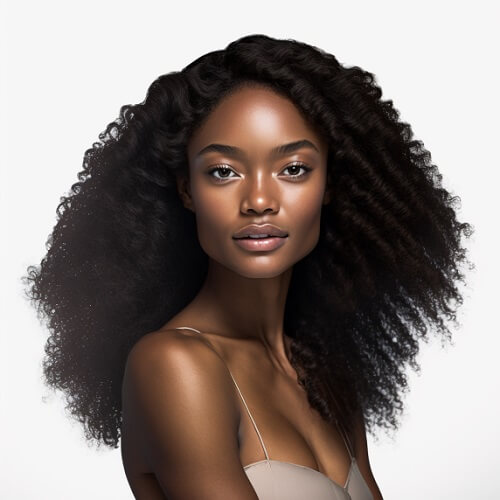
Sulfate-free shampoo and hydrating conditioner help prepare natural hair before styling because clean, moisturized strands respond better to heat. When you flat iron hair with product buildup still on the strands, the heat protectant may not coat evenly. This can create hot spots, dryness, and damage, especially on thick hair that needs extra moisture before styling.
How Does Product Buildup Affect Heat Styling Results?
Product buildup can block heat protectants from forming a smooth barrier on the hair shaft. When the flat iron touches coated or dirty strands, the buildup may burn and leave the hair feeling rough, dull, or stiff. For healthier straightened hair, start with clean hair and apply heat protectant evenly before using hot tools.
Why Should Heat Protectant Fight Both Heat And Humidity?
A quality heat protectant should help guard the cuticle from high temperatures, sometimes up to 450°F, while also reducing frizz caused by humidity. This matters because flat ironed natural hair can revert quickly when moisture enters the strands. Never flat iron wet hair, because steam and direct heat can weaken the cuticle and cause breakage.
Why Are Small Sections Better When Flat Ironing Natural Hair?
Small sections, ideally no wider than one inch, allow the flat iron to straighten the hair more evenly with fewer passes. This is especially helpful for thick hair because large sections may require repeated heat, which can increase dryness and breakage. Tourmaline ceramic plates are often gentler than titanium plates for Type 3 and Type 4 hair.
Create a seamless, natural-looking style even with very short hair by learning smart placement, blending, and styling techniques that help extensions stay hidden and comfortable in this guide: How To Hide Extensions In Very Short Hair – The Definitive Guide.

