

Wealthy Hair Guides
Indian Curly Hair: The Truth Revealed! What To Expect!


The 60-Second Answer
Indian curly hair is a natural human hair texture known for soft volume, medium luster, and bouncy curl patterns. Raw Indian curly hair is usually sourced from donor hair and is not steam processed, so the curls keep their natural shape. With sulfate-free products, deep conditioning, gentle detangling, and low heat, it can last 6 months to 1 year.
Indian curly hair is popular because it gives a natural-looking curl pattern with body, movement, and fullness. High-quality raw Indian curly hair usually comes from donor hair, often temple-donated hair, and keeps its original texture because it is not steam processed to force a curl pattern.
The best curly human hair bundles should have intact cuticles, good cuticle alignment, and strong donor integrity. The hair shaft has a protective outer layer called the hair cuticle and a protein-rich cortex inside. When the cuticles are aligned and not damaged by harsh chemical processing, the hair is less likely to tangle, shed, or lose curl definition quickly.
Raw Indian curly hair is not always perfectly uniform, and that is a good thing. Authentic Indian curly hair should have natural variation in the curls, coils, waves, and ringlets. A slightly imperfect curl pattern can be a sign that the hair is raw or minimally processed instead of overly coated or acid-washed.
Indian Curly Hair Comparison Matrix
| Hair Type | Curl Pattern | Luster Level | Processing Method | Best For |
|---|---|---|---|---|
| Raw Indian Curly Hair | Natural curls with variation | Medium luster | Unprocessed or minimally processed | Natural volume and long-term wear |
| Indian Remy Curly Hair | More uniform curls | Medium to high luster | Cuticle-aligned, may be processed | Smooth styling and easier blending |
| Loose Wave Bundles | Soft waves and body | Medium luster | May be raw or processed | Beachy waves and soft volume |
| Deep Wave Bundles | Tighter waves and ringlets | Medium luster | Often processed for pattern | Defined curls and fuller styles |
| Kinky Curly Bundles | Tight curls and coils | Low to medium luster | May be raw or textured | Blending with coily natural hair |
Raw Indian Curly Hair Has Natural Variation

Raw Indian curly hair is sourced directly from donors and is not steam processed, so the natural texture remains intact. This means the curl pattern comes from the donor instead of being created by chemicals or machines.
Because the curls are natural, one bundle may look slightly different from another. You may see loose curls, deep waves, ringlets, or tighter curls in the same set of Indian curly hair bundles. This natural variation helps the hair look real, soft, and full.
ATTENTION: Turn Your Passion For Hair Into Profit ⬇️⬇️⬇️

Indian Curly Hair Needs Intense Hydration
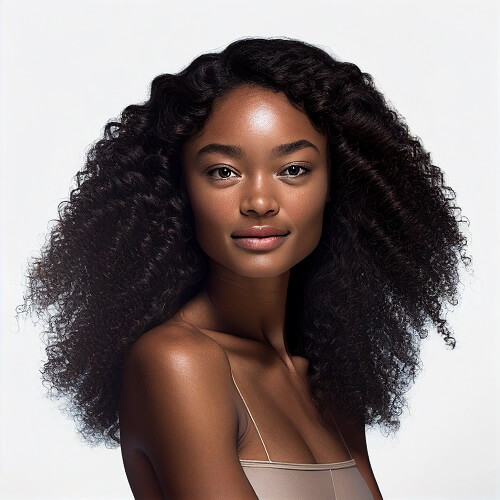
Indian curly hair requires intense hydration because curls can dry out faster than straight hair. The bends in curly strands make it harder for natural oils to move from root to end.
In my professional experience with curly hair extensions, Indian curly hair performs best when moisture is maintained consistently. Use sulfate-free shampoo, moisturizing conditioner, leave-in conditioner, curl cream, and nutrient-rich oils like argan oil, coconut oil, jojoba oil, or olive oil to seal in moisture.
Frizz Comes From Dryness And Friction
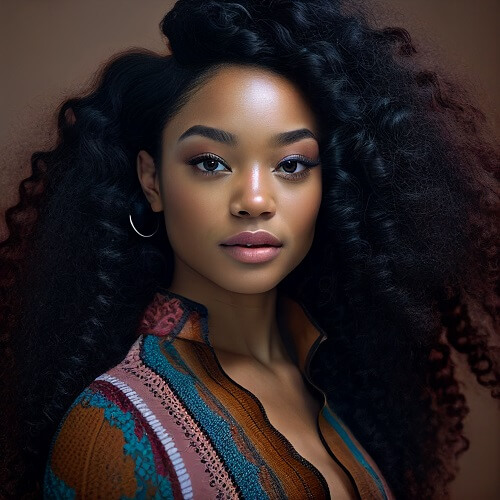
Indian curly hair can get frizzy because of dryness, humidity, friction, product buildup, or rough detangling. Common challenges include severe frizz in humid weather, dryness, tangling, and lack of definition.
To reduce frizz, use a leave-in conditioner or cream while the hair is wet, then apply a strong-hold gel to lock in moisture and define the curls. Scrunch the curls upward with your hands to encourage curl formation, then air dry or use a diffuser on low heat.
Loose Wave, Deep Wave, And Kinky Curly Differ
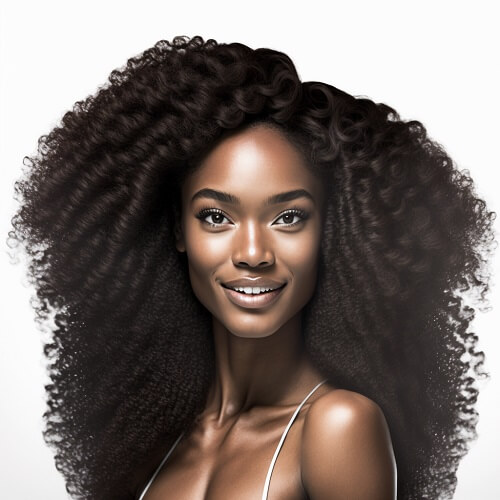
Loose wave Indian hair has soft, flowing waves with a relaxed pattern. It is great if you want natural body without very tight curls.
Deep wave Indian hair has tighter waves and more curl definition. Kinky curly Indian hair has the most volume and works well for a fuller, more textured look, especially when blending with type 3 curls, type 4 hair, 4A hair, 4B hair, or 4C hair.
Raw Hair Lasts Longer With Gentle Care

Indian curly hair extensions can last from 6 months to 1 year depending on how well they are cared for. Raw curly bundles often last longer than heavily processed curly hair because the texture has not been chemically forced into place.
Gentle maintenance helps preserve curl memory, reduce tangling, and extend the life of curly bundles. Avoid heavy product buildup, high heat, rough brushing, and sleeping without protection.
Heat Can Loosen The Curl Pattern
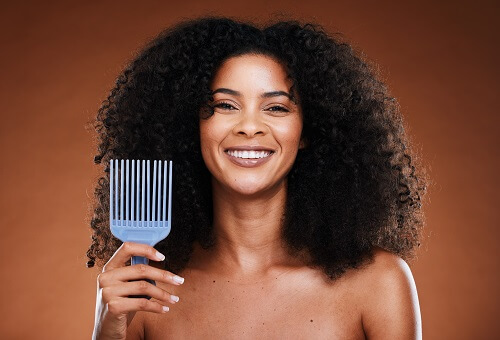
Indian curly hair can be straightened, but it should not be done too often. Minimizing straightening helps prevent damage to the natural curl pattern.
If you use heat tools, apply heat protectant first and stay at 350°F maximum when possible. Low heat styling is best because excessive heat can loosen curls, cause dryness, and increase breakage over time.
The Wealthy Hair Quality Standard
At Wealthy Hair, Indian curly hair quality starts with sourcing, texture checks, and bundle inspection. High-quality Indian curly bundles should feel soft, full, and natural without excessive coating or fake shine. Wealthy Hair focuses on ethically sourced hair, natural texture extensions, strong weft construction, and quality control for shedding, odor, tangling, cuticle condition, and curl behavior.
Before buying Indian curly hair, check for unrealistic uniformity, strong chemical smell, overly shiny coating, rough ends, and weak wefts. Authentic Indian curly hair should move naturally, hold moisture, and blend well with textured hair.
Indian curly hair can be straightened, but it should not be done too often. Minimizing straightening helps prevent damage to the natural curl pattern.
If you use heat tools, apply heat protectant first and stay at 350°F maximum when possible. Low heat styling is best because excessive heat can loosen curls, cause dryness, and increase breakage over time.
The Wealthy Hair Quality Standard
At Wealthy Hair, Indian curly hair quality starts with sourcing, texture checks, and bundle inspection. High-quality Indian curly bundles should feel soft, full, and natural without excessive coating or fake shine. Wealthy Hair focuses on ethically sourced hair, natural texture extensions, strong weft construction, and quality control for shedding, odor, tangling, cuticle condition, and curl behavior.
Before buying Indian curly hair, check for unrealistic uniformity, strong chemical smell, overly shiny coating, rough ends, and weak wefts. Authentic Indian curly hair should move naturally, hold moisture, and blend well with textured hair.
For more information on stylingCurly Hair Extensions, check out this guide: The Complete Guide to Curly Hair Extensions
People Also Ask
What makes raw Indian curly hair different?

Raw Indian curly hair is different because it is not steam processed to create a fake curl pattern. The curls come directly from the donor, so the texture has natural movement, curl memory, and variation. Wealthy Hair recommends raw curly bundles if you want a more natural and long-lasting curly hair investment.
Is Indian curly hair naturally curly?
Yes, Indian curly hair can be naturally curly when it comes from donors with organic curl patterns. The natural wave, curl, or coil pattern is preserved when the hair is not heavily processed. Wealthy Hair suggests looking for raw Indian curly hair if you want curls that look soft, real, and full.
What does Indian curly hair look like?

Indian curly hair usually has medium luster, natural body, and curls that range from loose waves to tighter ringlets. The strands may feel thick, soft, and slightly coarse depending on the donor. Wealthy Hair recommends choosing loose wave, deep wave, or kinky curly bundles based on the look you want.
How long does Indian curly hair last?
Indian curly hair can last 6 months to 1 year with proper care. Raw Indian curly hair may last longer because it has not been heavily altered by chemical processing. Wealthy Hair recommends sulfate-free shampoo, deep conditioning, satin protection, and low heat to extend the life of your bundles.
How do you care for Indian curly hair bundles?
Care for Indian curly hair bundles by washing gently, conditioning often, and detangling only when wet. Curly textures need moisture because dry curls can frizz, tangle, and lose definition. Wealthy Hair recommends a leave-in conditioner, curl cream, light gel, and weekly curl refresh routine.
How do you keep Indian curly hair from frizzing?
Keep Indian curly hair from frizzing by keeping it hydrated and reducing friction. Frizz often happens when curls are dry, rubbed against cotton, or exposed to humidity without enough moisture. Wealthy Hair recommends leave-in conditioner, anti-frizz serum, satin sleep protection, and air drying.
Can Indian curly hair be straightened?
Yes, Indian curly hair can be straightened, but it should be done carefully and not too often. Too much heat can loosen the curl pattern and weaken the hair shaft. Wealthy Hair recommends using heat protectant and staying near 350°F maximum when heat styling is needed.
Can Indian curly hair be dyed or colored?
Yes, high-quality Indian curly hair can often be dyed or colored, especially if it is virgin Indian hair. Coloring can still dry out curly hair because chemical lifting affects the cuticle and moisture balance. Wealthy Hair recommends having a professional colorist test a small section first.
What is the difference between raw Indian curly hair and Indian Remy curly hair?

Raw Indian curly hair is usually unprocessed and keeps the donor’s natural curl pattern. Indian Remy curly hair has aligned cuticles, but it may be processed to make the curls more uniform. Wealthy Hair recommends raw hair for natural variation and Remy hair for smoother, more controlled styling.
How do you detangle Indian curly hair bundles?
Detangle Indian curly hair bundles only when the hair is wet and coated with conditioner. Dry detangling can cause shedding, breakage, and frizz because curly strands wrap around each other. Wealthy Hair recommends finger detangling first, then using a wide-tooth comb from ends to roots.
What products are best for Indian curly hair?
The best products for Indian curly hair include sulfate-free shampoo, moisturizing conditioner, deep conditioner, leave-in conditioner, curl cream, and light or strong-hold gel. These products help protect moisture balance and curl definition. Wealthy Hair recommends avoiding heavy buildup because it can make curls look dull and flat.
Are Indian curly hair bundles worth it?

Yes, Indian curly hair bundles are worth it if you want natural-looking curls, volume, and styling flexibility. They can last many months with the right hydration routine and gentle handling. Wealthy Hair recommends choosing authentic Indian hair with natural texture, strong wefts, and clean sourcing.
Should Indian curly hair be detangled wet or dry?
Indian curly hair should be detangled while it is soaking wet, using your fingers or a wide-tooth comb. This helps keep the curls tangle free and reduces breakage, especially when blending the extensions with your own hair. Dry detangling can stretch, roughen, or snap curly strands.
Why is unprocessed virgin Remy Indian hair considered high quality?
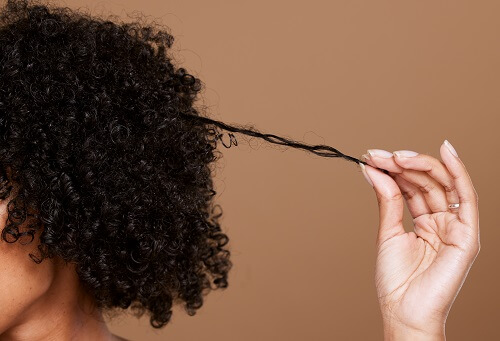
Unprocessed virgin Remy Indian hair is valued because it keeps its softness, unique curl pattern, and natural color better than heavily processed hair. When the cuticles are aligned and the hair is handled properly, it can look natural beside your own hair and allow more styling flexibility without losing its beauty.
How do you refresh Indian curly hair between wash days?
Refresh Indian curly hair by misting it with water and leave-in conditioner on non-wash days. Gently scrunch the curls upward instead of brushing them out. This helps revive the curl shape, reduce dryness, and keep the hair tangle free from root to length.
How often should curly Indian hair be trimmed?

Curly Indian hair should be trimmed every 6–8 weeks to help manage split ends and keep the length looking healthy. Even high-quality machine weft bundles need occasional maintenance because dry or split ends can travel upward and make the curls look rough.
Why does Indian curly hair need deep conditioning?
Indian curly hair needs regular deep conditioning because curls naturally need more moisture to stay soft, defined, and healthy. A deep conditioner helps protect the curl pattern, reduce dryness, and keep the hair manageable, especially if the hair has been flat ironed or styled with heat.
How can satin or silk help Indian curly hair at night?
Satin or silk pillowcases help Indian curly hair by reducing friction while you sleep. Less friction means fewer tangles, less dryness, and better curl definition in the morning. A satin scarf or pillowcase also helps protect the machine weft area and keeps the hair smoother beside your hair.
How do you add volume to Indian curly hair without causing damage?

Use a diffuser attachment on low heat to lift the roots and add volume without roughing up the curls. You can also air dry for a softer finish. Avoid high heat, especially if the hair has been flat ironed before, because too much heat can weaken the curl pattern.
What is the best way to prevent heat damage on Indian curly hair?
The best way to prevent heat damage is to air dry the hair or use a diffuser on low heat. Always apply a heat protectant before styling, especially if you want the hair flat ironed. Gentle drying helps preserve the curl shape, softness, and full length of the hair.
Indian curly hair extensions come in different lengths and sizes. To choose the right length for you, read our hair extension length chart: Click here to learn more: The Complete Hair Extension Length Chart for Every Type of Hair Texture

