

cheap lace front wigs, Start a hair business
How To Start A Hair Extension Business From Scratch
The 60-Second Answer
To start a hair extension business, begin by researching the hair industry and finding reliable suppliers. Learn how to market your products online through social media and websites. Focus on offering high-quality hair extensions and exceptional customer service. Create a business plan, choose a sales platform, and understand how to start a hair business with effective pricing strategies.
Understanding the Hair Extension Industry
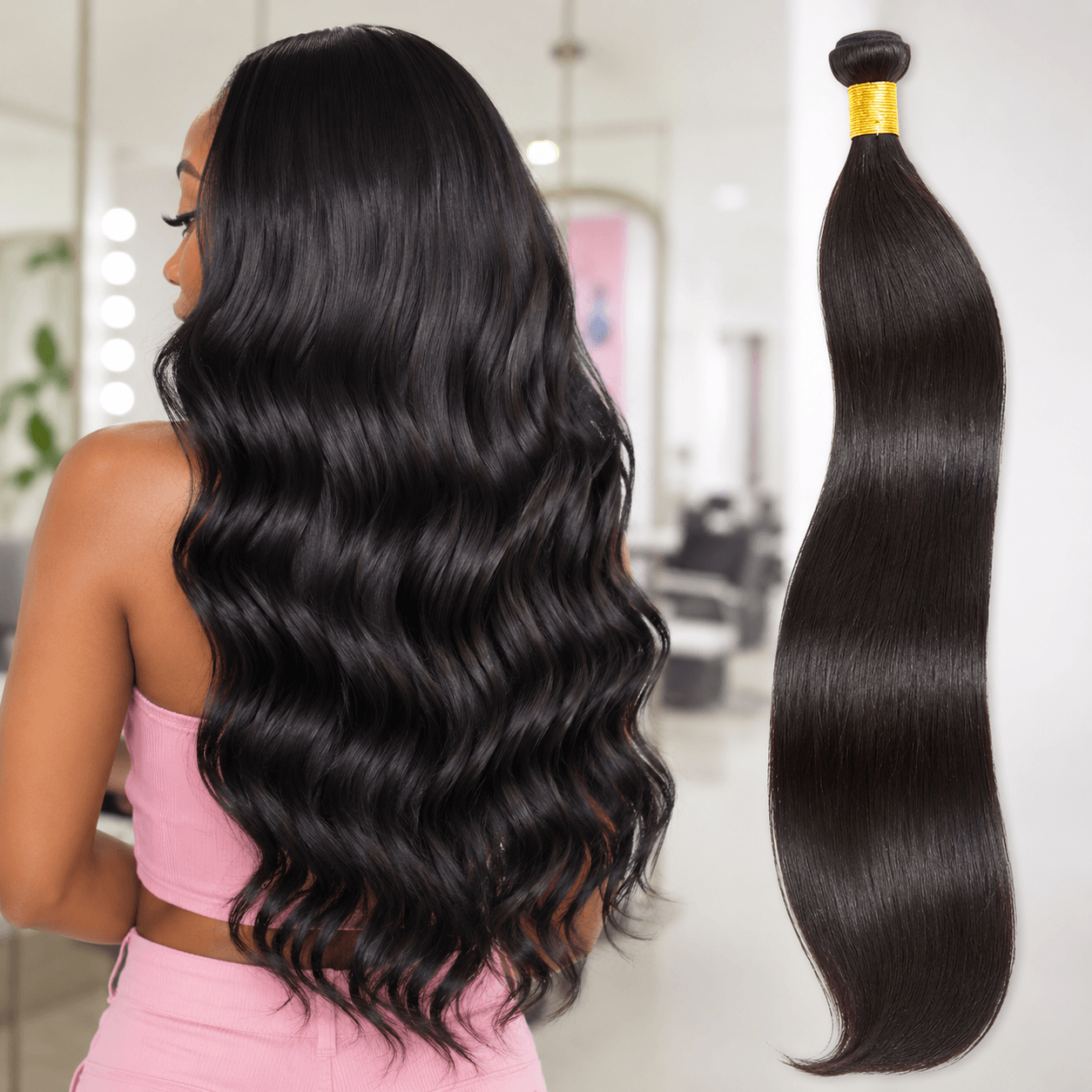
Hair extensions are popular beauty products that enhance the length, volume, and style of natural hair. The hair extension industry is worth approximately 5 billion dollars, making it a high-demand market. Different types of extensions, such as clip-ins, tape-ins, sew-ins, and fusion, offer various styling possibilities for customers. The material used, human hair vs. synthetic, also impacts quality, longevity, and pricing. For the best results, many businesses focus on Remy hair and virgin hair, which are high-quality and minimally processed.
Hair extensions require specific care to maintain their integrity. Proper tensile strength, protein-rich cortex, and unidirectional cuticle alignment are essential to avoid tangling and ensure long-lasting use.
Steps to Starting a Successful Hair Business

Starting a hair business involves several crucial steps that need careful planning and execution.
1. Choose Your Niche
Choosing the right niche is crucial for standing out in a crowded market. Do you want to sell premium virgin Brazilian hair, or would you prefer affordable synthetic options? By narrowing your focus, you can target specific customer groups and build a loyal client base. Specializing in a specific texture or color, such as Peruvian hair, helps you create a distinct brand identity.
2. Research Your Competition
Study local and online competitors to understand what they’re offering and how you can differentiate your business. Look at pricing, marketing strategies, and customer reviews to identify gaps in the market. This research will help you develop a unique selling proposition and set competitive pricing.
3. Develop a Marketing Strategy
Effective marketing is essential to growing your business. Consider leveraging social media platforms like Instagram, Facebook, and YouTube to advertise your products. Engaging with micro-influencers who have 5k-15k followers can be a cost-effective strategy to build brand awareness. Additionally, offering giveaways and running targeted ads will help boost your visibility.
4. Choose the Right Pricing Model
When pricing your hair extensions, calculate your total cost of production, including raw materials, labor, and overhead. Then, determine your desired profit margin. Experts recommend starting with a 20-30% profit margin, depending on your competition and product quality. Avoid underpricing, as it can harm your reputation and bottom line.
5. Obtain Necessary Licenses and Permits
Before you can officially launch your business, ensure you’re operating legally. Depending on your location, you may need a general business license or an Establishment License from your state’s Board of Cosmetology. These licenses are necessary for operating any beauty-related business.
6. Source High-Quality Hair Suppliers
Finding reliable hair suppliers is a crucial step in establishing your business. Suppliers like Alibaba can connect you with reputable manufacturers. Make sure to choose suppliers that offer GMP-ISO certifications to ensure high standards of quality control.
Best Practices for Hair Extension Startups

1. Start with a Small Inventory and Scale Gradually
You don’t need to start with a large inventory. Starting small and gradually scaling allows you to manage costs while you gain customer feedback and insights. Dropshipping is an ideal model to begin with minimal capital.
2. Build a Strong Brand Identity
Develop a unique name and branding strategy that resonates with your target market. A catchy business name combined with a strong visual identity (including logo design and a professional website) will make you stand out.
3. Track Key Performance Indicators (KPIs)
As a business owner, you’ll want to track metrics such as client retention rates, sales volume, and average profit margins. Successful businesses typically see margins ranging from 8% to 12%, which can increase with marketing efforts and customer satisfaction.
4. Focus on Customer Satisfaction
Customer service is key to retaining clients. Providing excellent service, such as fast shipping, product guarantees, and responsive communication, will help you build trust and loyalty. A well-handled complaint can turn an unhappy customer into a repeat buyer.
5. Stay Updated on Industry Trends
The beauty and hair wig industry is constantly evolving. Attend webinars, read industry reports, and engage with other professionals to stay ahead of trends. Innovation, like offering clip-in extensions or tape-in solutions, can attract new customers and keep your business relevant.
How to Market Your Hair Business

1. Utilize Social Media
Platforms like Instagram and Facebook offer powerful tools for advertising and building brand awareness. Create posts that showcase your hair products, highlight customer reviews, and demonstrate the quality of your products. Engage with your followers by hosting Q&A sessions or live videos.
2. Partner with Influencers
Collaborating with micro-influencers in the beauty industry can help you build credibility and drive sales. Consider offering them products in exchange for social media posts or reviews. This strategy increases visibility while keeping marketing costs low.
3. Launch Giveaways and Promotions
Promoting your products with limited-time offers or giveaways is an excellent way to grow your online presence. Use these promotions to encourage social media tagging or sharing, boosting your brand visibility and driving traffic to your website.
The Comparison Matrix
| Hair Type | Longevity | Luster Level | Processing Method |
|---|---|---|---|
| Brazilian Hair | 1-2 years | High | Non-acid washed |
| Peruvian Hair | 1-2 years | Medium | Double drawn, steam processed |
| Synthetic Hair | 3-6 months | Low | Machine-made |
| Virgin Hair | 1-3 years | High | Unprocessed, natural |
The Wealthy Hair Maintenance Protocol
- Wash every 7-10 days with sulfate-free shampoo to maintain healthy extensions.
- Apply a heat protectant before using hot tools. Keep heat at or below 350°F (175°C).
- Store in a cool, dry place when not in use to prevent tangling.
The Wealthy Hair Quality Standard
At Wealthy Hair, we prioritize ethically sourced hair from verified suppliers who maintain high-quality standards. Our quality control protocols ensure that each extension is unidirectionally cut to preserve its natural shine and texture, providing customers with the best hair extension experience possible.
People Also Ask
How to start a hair business from scratch?

Starting a hair business involves researching the market, choosing the right niche, selecting quality suppliers, and creating a marketing plan. Offering high-quality products and excellent customer service is crucial for long-term success.
What is the best way to price hair extensions?
The best way to price hair extensions is by calculating the total cost of production, including materials, labor, and overhead, then adding a desired profit margin. Competitive pricing is essential, but always prioritize quality.
How to market a hair business?
Marketing your hair business can be done through social media platforms, influencer collaborations, giveaways, and promotions. Engaging with your audience on these platforms helps build brand visibility and customer loyalty.
How do I choose a hair vendor for my business?
Choose a hair vendor based on reputation, product quality, and reviews from other businesses. Look for vendors that offer GMP-ISO certified products and consistent delivery.
What are the best types of hair extensions to sell?
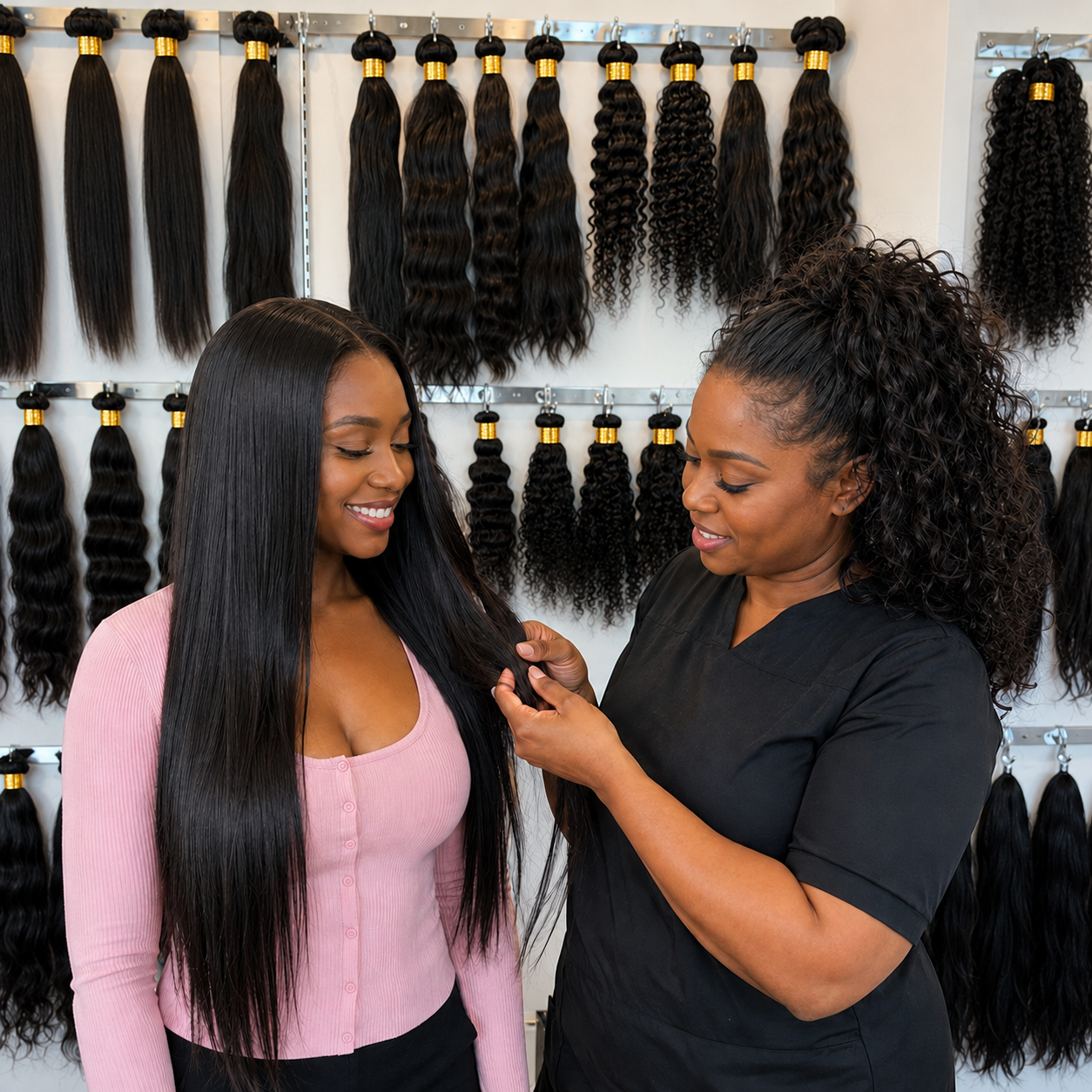
The best types of extensions to sell are 100% human hair products like Remy hair and virgin hair, as they offer superior quality and longevity. These extensions tend to build customer trust and satisfaction.
What are the benefits of private labeling for a hair business?
Private labeling can offer long-term profit margins of 25–60%, helping to build a strong brand asset. This strategy is particularly effective for businesses looking to expand their own hair business and create a unique brand identity within the competitive hair extension market.
Why is it important to separate personal and business finances when starting a hair business?
Separating personal and business finances by opening a dedicated business bank account is crucial for maintaining clear financial records. This practice is especially important when running a hair business online or offline, as it helps with tax filing, business accountability, and financial growth.
How big is the hair extension market and how does it impact new businesses?
The hair extension market is worth approximately 5 billion dollars, offering a lucrative opportunity for new entrepreneurs. This dynamic and growing industry provides ample chances for individuals looking to start a hair business and sell hair extensions, whether through physical salons or online platforms.
How can staying updated on industry trends benefit a hair business?

By staying updated on industry trends, stylists and business owners can maintain a competitive edge. Investing in professional development and keeping an eye on the latest hair trends helps to attract customers and build a strong reputation in the hair market.
How does having a focused niche help when starting a hair business?
Starting with a narrow focus allows business owners to build a reputation more quickly. By specializing in a particular aspect of selling hair wigs, such as specific lengths, colors, or textures, a business can establish itself as an expert in that niche, making it easier to attract customers in the hair extension market.
Why is tracking Key Performance Indicators (KPIs) important for hair salon owners?
Tracking KPIs such as client retention rates and profit margins is vital for measuring success. Successful hair business owners typically see profit margins ranging from 8% to 12%, which can be optimized by focusing on the right marketing strategies and understanding customer needs in the hair market.
What are the benefits of creating a detailed business plan when starting a hair business?

A detailed business plan with milestones and deadlines helps you stay on track and motivated when starting a hair business. It acts as a roadmap for your strategy, financial management, and overall business direction, ensuring the growth of your hair business online or in a physical salon.
How can social media marketing help promote a hair extension business?
Utilizing social media platforms like Facebook, Instagram, and YouTube can significantly increase the visibility of your own hair business. With the right social media strategy, you can reach a wide audience at a low cost, making it easier to sell hair extensions and grow your business.
Why is a general business license necessary for starting a hair business?

In most regions, a general business license is required to operate a salon, as well as an Establishment License from the State Board of Cosmetology. This is an essential step in formalizing your business, whether you are opening a physical salon or selling hair extensions online.
How does registering an LLC benefit a hair business?
Registering a hair business as an LLC helps separate personal and business finances, ensuring that your business operates with legal protection. This process typically costs around $99 and is essential for formalizing your business and complying with legal requirements in the hair extension market.
How do I ensure that my hair business name is unique and available?
Before registering your hair business name, make sure it’s not already in use by another company. Conduct a business name search to confirm availability and avoid legal issues. A unique hair business name is crucial for standing out in a crowded market and ensuring brand recognition.
Can micro-influencer partnerships help promote a hair business?

Micro-influencer partnerships can be highly effective for local marketing. Offering complimentary services in exchange for authentic social media content helps promote your own hair business and sell hair extensions to a highly engaged audience.
How can I optimize my online presence for my hair business?
Claiming and optimizing your Google Business Profile with relevant service keywords can help boost your online visibility. This is an essential strategy for attracting more customers to your own hair business, whether you are selling hair wigs online or in a physical store.
Where can I find reliable suppliers for my hair extension business?
Platforms like Alibaba and social media groups are great resources for finding verified hair extension suppliers with excellent reviews. These sources can provide valuable recommendations from other business owners, ensuring that you buy hair extensions from reputable and reliable vendors.
What are common startup costs for a hair business?
Startup costs for physical salons can range from $10,000 to over $100,000, depending on the location and scale of operations. Understanding these costs is crucial for anyone looking to start a hair business, whether selling hair extensions or offering salon services.
How can a business plan help when starting a hair extension business?
A business plan is essential for outlining your strategy, financial goals, and milestones when starting a hair extension business. This roadmap helps you stay on track and ensures you are prepared for any challenges that may arise in the competitive hair market.
Why is passion important when starting a hair business?
Having a strong passion for the hair business is crucial for success. A genuine interest in the industry drives commitment, creativity, and resilience, which are key to standing out in the hair extension market and building a brand that resonates with customers.
What are common bundle deal packages for hair extensions?
Common bundle deal packages in the hair industry often group three bundles of hair together, with options for different lengths and styles. These packages cater to various customer needs and are a great way to attract buyers when selling hair wigs online or in salons.

