

Hair Weave Extensions
How To Choose The Right Hair Extensions Type For You

The 60 Seconds Answer
To choose the right type of hair extensions, consider your hair texture, length, and desired look. There are several types of hair extensions, such as clip-ins and sew-ins. Clip-ins are great for temporary volume, while sew-ins offer long-lasting results.
Different Types of Hair Extensions and Which One is Best for You

If you’re considering hair extensions, you might be feeling a little overwhelmed by all of the different options. What’s the difference between synthetic and natural hair? Which kind of attachment method is best? And how do you know which type of extension will suit your own hair needs? Let us help you provide answers to these questions.
Sew-in Hair extensions
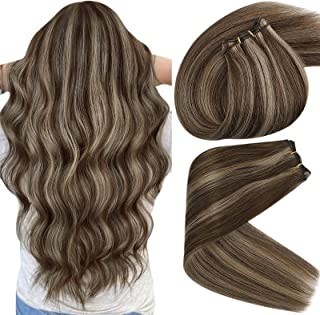
If you’re considering getting hair extensions, sew-ins are a great option. Sew-in hair extensions are basically where you sew the hair extensions onto your natural hair close to the roots. This technique can give you longer, fuller hair while still looking natural. Here are some of the benefits of this type of extension.
1. They’re less damaging than other methods
When it comes to hair extensions, some methods can be quite damaging to your natural hair. For example, fusion extensions involve using heat or glue to attach the extension to your natural hair, which can cause breakage and damage over time. Sew-ins, on the other hand, don’t require any harsh chemicals or heat, so they’re much better for your natural hair in the long run.
2. They look more natural
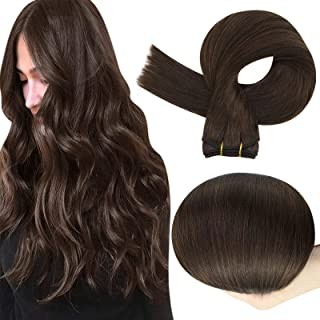
If you’ve ever seen someone with bad extensions, you know that they can look really fake and unnatural. This is often because the extension is not the same color as the person’s natural hair or because it’s been applied improperly. With sew-ins, however, it’s much easier to match the extensions to your natural hair color and also to blend them in for a more seamless look. As a result, sew-ins often look much more natural than other types of extensions.
3. They’re more versatile.
Sew-ins give you a lot of freedom when it comes to styling your hair. Since the extensions are sewn onto your natural hair close to the roots, you can still style your hair in all of the same ways that you normally would. That means you can curl it, straighten it, put it up in a ponytail or bun, etc. With some other methods of applying extensions (like fusion), you might not be able to style your hair in certain ways because of damage or fear of losing the extension. But with sew-ins, you won’t have to worry about that!
4. They last longer.
Since sew-ins are applied using thread and needle instead of glue or chemicals, they tend to last much longer than other types of extensions, sometimes up to 2 months! That means you’ll get more bang for your buck with sew-ins than with some other methods. Plus, if you take good care of them and don’t put too much stress on them (by using too much heat or brushing too harshly), they can even last longer than that!
5. They’re relatively affordable.
Hair extensions can be a significant investment, but sew-ins are one of the more affordable options out there! That’s because sew-ins don’t require any special tools or materials (like glue or bonds) that need to be purchased separately. So if you’re on a budget but still want to get nice quality extensions, sew-ins are the way to go!
Synthetic vs. Natural Hair Extensions

One of the first decisions you’ll need to make when choosing a hair extension is whether you want synthetic or natural hair. Both have their pros and cons, so it’s important to take the time to weigh your options. Here’s a quick overview:
Synthetic hair extensions are usually made from nylon or polyester fibers. They’re less expensive than natural long hair extensions, and they’re easier to care for because they don’t require shampooing or styling.
However, they won’t look as natural as a human hair extension piece, and they won’t last as long. Synthetic hair extensions are a good option if you’re on a budget or if you have thicker hair and want low-maintenance extensions.

Natural hair extensions are made from, well, human hair! They can be styled just like your natural hair, which means they can be curled, straightened, and dyed.
However, they require more upkeep than synthetic extensions, you’ll need to shampoo and style them just like your own natural hair. Real human hair extensions are a good choice if you want natural-looking, long-lasting extensions. If money is not an issue, natural hair extensions made with purely human hair are the ideal choice.
Other Attachment Methods
Once you’ve decided whether you want a synthetic or natural hair extension, your next step is to choose an attachment method. We have already talked about sew-in hair extensions as they are the most popular and last the longest. Apart from sew-in hair extensions, There are three other types of hair extension attachment methods: clip-in hair extensions, tape-in hair extensions, and fusion hair extensions.
Whether you have thick hair or thin hair, these attachments are the most common types you can find. Here’s a rundown of each hair extension method:
Clip-In Extensions

Clip-in hair extensions are a great option if you’re looking for a temporary change or if you want to experiment with a new style without committing.
They’re also relatively easy to apply and remove so that you can do it yourself at home. Clip-in extensions come in various lengths, colors, and textures, so you can find a set that perfectly matches your natural hair.
One downside of clip-ins is that they can be noticed when they’re not blended properly with your natural hair. Another downside is that they can put a strain on your natural hair if they’re not applied correctly, so it’s important to consult with a professional stylist before using them.
Tape-In Hair Extensions
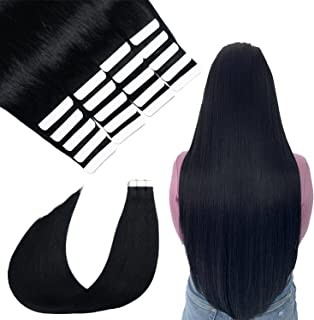
Tape-in extensions are another popular option. They’re semi-permanent, meaning they can last for several weeks or months before needing to be replaced.
Tape-ins are also less likely to damage your natural hair than some other types of extensions because they don’t require any chemicals or heat during application.
One downside of tape-ins is that they need to be applied by a professional stylist, so there’s an additional cost involved. Another downside is that they can be difficult to remove if you decide you want to change up your look sooner than expected.
Keratin Bond Extensions

Keratin bond extensions are similar to tape-in extensions in that they’re semi-permanent and applied by a professional stylist. However, instead of being attached with tape, keratin bond extensions are attached with small keratin bonds.
This type of extension is usually more expensive than others because it requires more time and effort to apply. Keratin bond extensions can last for several months if they’re properly cared for, but they can also cause damage to your natural hair if they’re not removed correctly.
Now that you know more about the different types of hair extensions, you can start shopping or visit www.wealthyhair.com for the perfect set! Just remember to keep your intended use and budget in mind as you browse different options.
Remy Natural Hair Extension: What Are They, And How do they work?
Remy human hair extension is one of the most popular types of hair extensions on the market today. But what exactly are they? And how do they work? Keep reading to find out everything you need to know about Remy human hair extensions.
What are Remy Human Hair Extensions?
Remy human hair extensions are made from 100% real human hair. The hair is cut from a single donor, and all the cuticles are kept intact. This ensures that the hair extensions are of the highest quality and will last longer than other types of hair extensions.
How Do Remy Human Hair Extensions Work?
Remy human hair extensions can be applied in several different ways. The most popular method is called sew in weave. This method is semi-permanent and can last for several months. Other methods include tape-in hair extensions and clip-in extensions.
Synthetic vs. Remy Hair Extensions: What’s the Difference?
Two of the most popular types of hair extensions are Remy hair extensions and synthetic extensions. We’ll break down the key differences between Remy and synthetic hair extensions so that you can make an informed decision about which type is right for you.
Remy Hair Extension
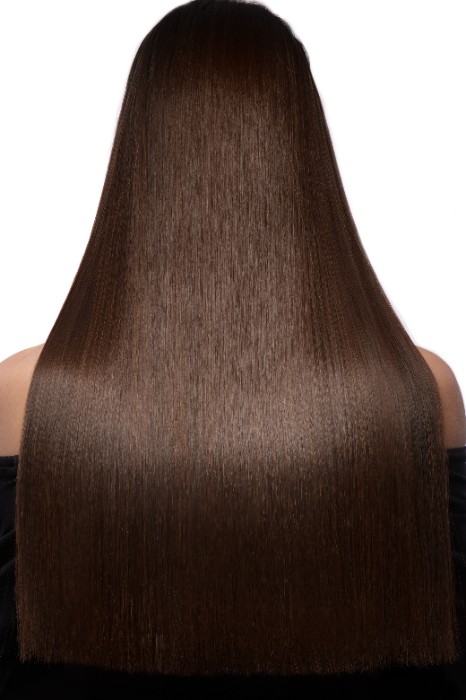
Remy hair extensions are made from real natural hair. Remy is made with thicker hair that aligns in the same direction, which makes them less likely to tangle or mat.
Remy hair extensions can be treated just like your own hair, so you can curl, straighten, and style them as you please. Because they’re made from real human hair, Remy hair extensions also look and feel more natural than synthetic extensions.

The only downside of Remy hair extensions is that they’re typically more expensive than synthetic hair extensions. But they are worth the price when you consider their overall usage and benefits.
Synthetic Extensions

Synthetic micro link extensions are made from artificial fibers that are designed to mimic the look and feel of real natural hair.
Synthetic hair extensions are typically less expensive than Remy extensions. However, because they’re not made from real human hair, they don’t look or feel as natural as Remy hair extensions. Synthetic hair extensions also have a shorter lifespan; on average, they’ll last for about 2 months before needing to be replaced.
Both Remy and synthetic hair extensions have their pros and cons. Ultimately, the best type of extension for you will depend on your budget, how long you need them to last, and how natural you want them to look and feel.
From the above, it’s obvious that Remy hair is the better option because it’s made with 100% natural hair and lasts longer than synthetic hair extensions.
Remy vs Non Remy Hair Extensions: What’s the Difference?

If you’re in the market for hair extensions, you’ve probably come across the terms “Remy” and “Non Remy.” But what do they mean? And more importantly, which one should you choose?
When it comes to choosing between Remy and Non Remy hair extensions, there really is no contest. If you want high-quality, long-lasting extensions that will give you a natural look, then go with Remy. Yes, they may cost a bit more upfront, but they’ll save you money in the long run.
If you’re on a tight budget, then Non Remy extensions may be an option for you, just be aware that they won’t last as long and may not look as natural.
How to take care of your hair extension
So you’ve taken the plunge and purchased hair extensions. Congratulations! Hair extensions can help you achieve the long, luscious locks of your dreams.
But now that you have them, how do you take care of them? Read on for some tips on how to maintain your hair extensions and keep them looking their best.
Wash them!
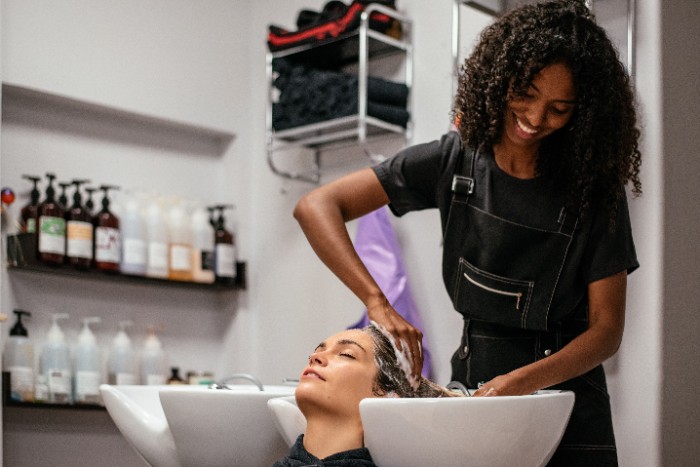
When washing your hair weave, use a mild shampoo and conditioner. Avoid products that contain sulfates or alcohol, as these can strip away the natural oils from your hair and cause the extensions to become dry and brittle.
Be sure to wash your extensions in a downward motion, using your fingers to detangle them as you go lightly.
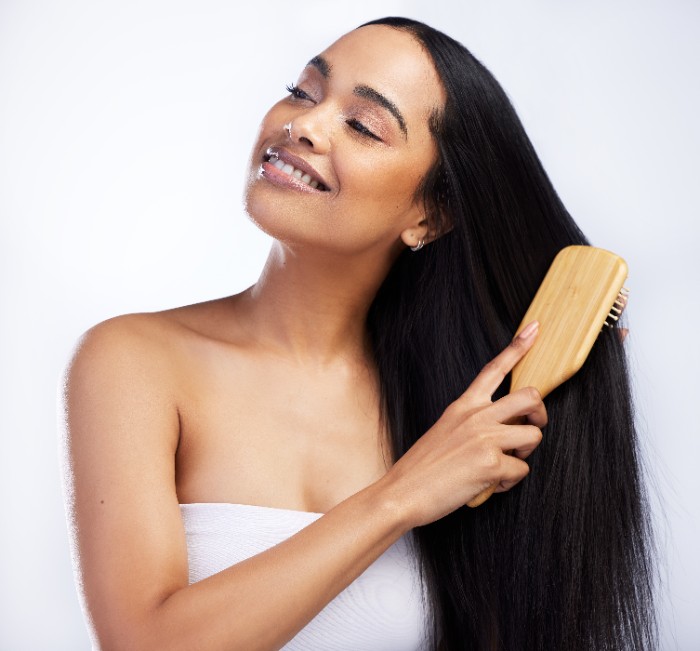
Dry your hair once you have finished shampooing and conditioning your extensions, gently squeeze out any excess water and pat them dry with a towel. Never rub your clip-in extensions vigorously, as this can cause tangles. Instead, blot them dry before letting them air dry or using a diffuser on a low heat setting.
Brush your hair from roots to ends using a wide-tooth comb or a paddle brush. Start at the bottom and work your way up, taking care not to pull or tug on the hair.
If you have any particularly stubborn tangles, use a leave-in conditioner or detangling spray before brushing. Be sure to brush your hair before washing it to avoid any mats or tangles forming while it is wet.
Wealthy Hair Quality Standard
At Wealthy Hair, we source only the highest quality materials for hair extensions. Our ethical sourcing ensures that each wig is crafted from premium-grade human hair, and we uphold rigorous quality control measures to provide wigs that not only look great but feel comfortable and last longer.
Our hair extensions are designed with non-acid-washed processing, ensuring the hair maintains its integrity and provides a natural, healthy appearance. Each wig is carefully examined to ensure it meets our highest standards, offering you an exceptional product with unmatched durability and realism.
Frequently Asked Questions
What are the different types of hair extensions?
The different types of hair extensions are clip-in hair extensions, tape-in hair extensions, sew-in, and halo hair extensions.
What is the difference between Remy and synthetic hair extensions?
Remy hair extensions are made from real human hair, while synthetic hair extensions are made from artificial fibers designed to mimic real human hair.
Which type of hair extension is best for me?
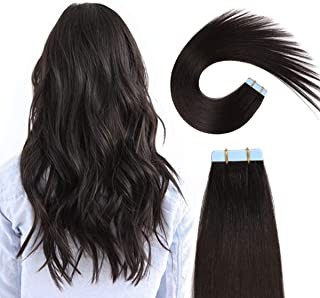
This depends on your budget, how long you want the extensions to last, and how natural you want them to look.
How do I take care of my hair extensions?
To take care of your hair extensions, use a mild shampoo and conditioner, avoid products that contain sulfates or alcohol, and brush your hair from roots to ends using a wide-tooth comb or a paddle brush.
Can I color my hair extensions?
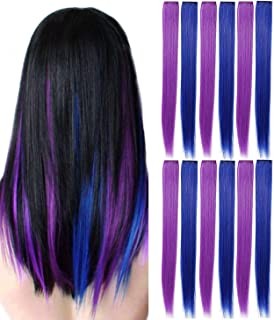
Yes, you can color your hair extensions as long as they are made from real human hair. Synthetic hair extensions cannot be colored.
How often do I need to replace my hair extensions?
The frequency with which you need to replace your hair extensions depends on which type of hair extension you have as well as how well you take care of them. Clip-in hair extensions can last anywhere from 6 to 8 months with proper care, while sew-in hair extensions typically need to be replaced every 2 to 3 months.
How much do hair extensions cost?
Hair extensions can range in price from $100 to $1000 depending on the type of hair extension, the length of the hair, and where you purchase them.
What is the process for applying fusion hair extensions?
Fusion hair extensions are attached to natural hair using adhesives. The process typically takes 3 to 4 hours and requires a professional stylist for proper application.
How long do Tape-In hair extensions last?
Tape-in hair extensions typically last from 4 to 8 weeks before needing to be removed and reapplied, depending on hair growth and how well they are cared for.
Are microlink extensions a safe option for my natural hair?
Yes, microlink extensions are a safe option as they do not use heat or glue, making them a less damaging choice compared to other methods like fusion extensions. However, if not installed correctly, they can cause tension at the roots.
Can synthetic hair extensions be styled with heat?
No, synthetic hair extensions cannot be styled with heat, as they do not have the same flexibility and natural movement as human hair extensions. Human hair extensions, such as Remy, can be heat-styled and colored.


I found this article on choosing the right hair extensions type incredibly informative and helpful! It provides clear and concise information about various hair extension types, making it easier for readers to make the best choice for their hair needs. The inclusion of pros and cons for each type is especially useful. Thanks for sharing these valuable insights!
Thank you very much! Very happy to help 🙂