

Wealthy Hair Guides
Expert Tips: How To Wash A Sew In With A Closure For Longevity

The 60-Second Answer
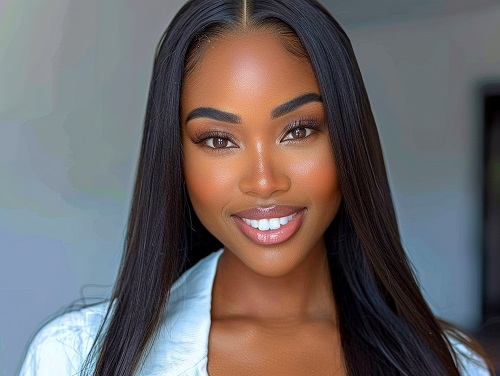
Learning how to wash a sew in with a closure properly is essential for prolonging its lifespan and maintaining healthy natural hair. Wash your sew-in gently using sulfate-free shampoo, condition without over-saturating the closure, detangle with a wide-tooth comb, and air or low-heat dry using a hooded dryer. Proper moisturizing and protective styling enhance durability and shine.
Why Sulfate-Free Shampoo Protects Extensions

Sulfates can strip both natural hair and hair weft extensions of essential oils, causing dryness and breakage. Using a gentle sulfate-free shampoo preserves moisture, maintains tensile strength, and extends the life of your sew-in.
How Conditioner Maintains Natural Hair Health
Deep conditioning treatments hydrate the protein-rich cortex, preventing brittleness in both extensions and natural hair. Covering the hair with a shower cap post-conditioning enhances absorption and ensures even results.
Detangling Techniques Prevent Breakage

Using a wide-tooth comb or detangling brush from ends to roots minimizes tension on the hairline and prevents shedding. This method is particularly effective for curly or kinky textures and protects the lace closure.
Heat Protectants Preserve Style
Before any heat styling, a clinically tested heat protectant spray shields the strands from thermal damage, preserving cuticle alignment and the integrity of the extensions. Avoiding excessive heat prevents frizz and maintains shine.
The Comparison Matrix
| Hair Type | Longevity | Luster Level | Processing Method |
|---|---|---|---|
| Indian Remy | 8–12 weeks | High | Non-acid-washed |
| Brazilian Remy | 10–14 weeks | Very High | Cuticle-aligned |
| Curly/Kinky Textures | 6–10 weeks | Medium-High | Sulfate-free care |
| Straight Closure Weave | 10–12 weeks | High | Natural cuticle alignment |
Wealthy Hair Maintenance Protocol

Detangle: Gently brush with a wide-tooth comb or fingertips before washing.
Pre-Wash Prep: Section hair; protect the closure with a net or shower cap.
Shampoo: Mix a small amount of sulfate-free shampoo with water in a spray bottle; apply to scalp and braids vertically.
Massage: Lightly massage the scalp to remove buildup without disturbing the closure.
Rinse: Thoroughly rinse all shampoo; incomplete rinsing may irritate the scalp.
Condition: Apply conditioner mainly to ends, avoiding the closure; cover with shower cap for 5–10 minutes.
Final Rinse: Use cool water to seal cuticles and prevent frizz.
Dry: Pat with a microfiber towel; air-dry or use a hooded dryer on low heat. Avoid leaving damp for over an hour.
Moisturize: Apply light leave-in conditioner and hair oils (Argan, Jojoba, Coconut) to maintain shine.
Protective Styling: Sleep with hair loosely tied in a satin or silk bonnet to reduce friction.
Frequency: Wash every 7–14 days depending on scalp type and activity level. Oily scalps or active lifestyles may require more frequent washing.
People Also Ask
How Do You Wash a Sew-In With Closure?

Gently detangle extensions first. Use diluted sulfate-free shampoo on scalp and braids, rinse thoroughly, and condition ends. Air dry or use a low-heat hooded dryer to prevent mildew.
What Are the Steps to Maintain a Closure Weave?
Wash gently, condition ends, avoid saturating the closure. Use heat protectants before styling and sleep with a satin bonnet.
How Often Should You Wash a Sew-In With Closure?

Wash every 7–14 days; adjust for scalp oiliness and activity level. Overwashing can dry hair, while infrequent washing may cause buildup.
What Are the Best Techniques for Detangling Sew-In Hair?
Start at the ends, work upwards with a wide-tooth comb or detangling brush. Be gentle around the lace closure to reduce shedding.
What Are the Best Shampoo and Conditioner for Sew-Ins?
Choose sulfate-free shampoo and lightweight conditioners. Avoid heavy oils or alcohol-based formulas to prevent buildup and maintain hair integrity.
How Do You Protect a Sew-In From Heat Damage?

Apply heat protectant spray before styling. Keep flat irons and curling tools below 350°F for extensions and natural hair.
Should You Air Dry or Use Low-Heat Drying for Sew-Ins?
Air drying is safest to prevent cuticle damage. Low-heat hooded dryers offer efficient drying for busy schedules while avoiding scalp irritation.
Looking to extend the lifespan of your closure sew-in? Discover tips and tricks for maintaining your straight hair weave and making it last longer in this guide: How Long Does a Sew-In with Closure Last? Tips For Extending Your Weave.
How Do You Moisturize and Perform Aftercare for Sew-Ins?

Use leave-in conditioners and hair oils (Argan, Jojoba, Coconut). Sleep on satin pillowcases or wear bonnets to minimize friction.
How Can You Extend the Lifespan of a Closure Weave?
Maintain a consistent wash routine, protect from heat and friction, moisturize, and detangle gently. Proper care ensures your closure stays smooth and natural-looking longer.
How Should You Detangle Hair Extensions Before Washing?
Gently brush your hair extensions with a wide-tooth comb or a Detangling Extension Brush before washing. This reduces tugging on braids underneath and prevents shedding.
Why Is Rinsing Out Conditioner Thoroughly Important for Sew-Ins?

It is essential to rinse all conditioner out of your hair extensions to avoid product buildup. Leftover conditioner can damage both the human hair extensions and your natural hair.
What Are the Best Tools for Drying Sew-In Hair Extensions?
Hooded dryers or hood attachments for blow-dryers are recommended as they concentrate warm air on the roots, ensuring braids underneath dry properly without risking mildew.
How Can Leaving Hair Damp Affect Your Sew-In Extensions?

If sew in extensions stay damp for too long, it can lead to a mildewy weave and scalp irritation. Proper drying is crucial to maintain the integrity of human hair extensions.
How Often Should You Wash Sew-In Hair Extensions for Optimal Scalp Health?
Wash your sew-in extensions roughly as often as you wash your natural hair, ranging from daily to every two weeks, depending on scalp oiliness and activity level.
How Can You Effectively Apply Shampoo to Sew-In Hair Extensions?

Use a clarifying shampoo in vertical sections with an applicator bottle to thoroughly cleanse the scalp and braids underneath, ensuring removal of product buildup without irritating your scalp.
What Is the Proper Care Routine for Sew-In Extensions?
Maintain hydration using leave-in conditioner and hair oils. Protect with silk scarves at night. Detangle carefully and follow a wash schedule based on scalp type.
The Wealthy Hair Quality Standard

At Wealthy Hair, our extensions and closures are ethically sourced from verified donors, ensuring 100% Remy or virgin hair with intact cuticles. Every bundle undergoes rigorous quality control, including tensile strength testing, unidirectional cuticle alignment, and non-acid-washed processing. Our products are clinically tested and stylist-approved to guarantee durability, shine, and seamless blending with natural hair.
Looking to enhance your sew-in hairstyle with a closure? Learn everything you need to know about closure with sew-in techniques in this comprehensive guide: Everything You Need To Know About Sew-In With Closure.

