

sew in hair extensions
Everything You Need To Know About Weft Hair Extensions

Have you ever wondered what it would be like to have long, luscious locks? Weft hair extensions offer a simple and convenient way of achieving that perfect look without the wait. Maybe your hair isn’t growing as fast as you’d like, or perhaps you just want to try out a new style for a special occasion. No matter what the reason, hair extensions are a great option.
But choosing the best weft hair extensions can be a daunting task, as there are many different types available on the market. It’s important to make sure that you choose premium quality extensions that match your natural hair in terms of color and texture.
The wrong type of weft can look unnatural and damage your existing hair. That’s why we are here – to help you select the best weft extensions that match your style and texture. Let’s start by knowing more about weft hair extensions.
What Are Weft Extensions?

Weft hair extensions are a type of hair extension that is applied by stitching the wefts of hair onto braided sections of your natural hair. Wefts can be made from real human hair (such as Remy hair extensions) or synthetic fibers, and they come in a variety of colors, textures, and lengths.
In addition, because they use natural human hair, they are often indistinguishable from your own. Plus, with a range of textures available, you can easily customize your look to suit your individual style.
ATTENTION: Turn Your Passion For Hair Into Profit ⬇️⬇️⬇️

Different Hair Types Used For Weft Hair Extensions
There are many different types of hair that can be used for wefts, but they are generally classified as natural and synthetic. Let’s take a look at some of the most popular types of hair used for weft hair extensions so that you can make an informed decision about which type is right for you.
Remy Hair

Remy hair is considered to be the highest quality type of hair that is available on the market. Remy hair is 100% human hair that has been carefully sorted so that all the strands and cuticles are facing in the same direction. This ensures that the hair extensions will behave more like your own natural hair and will not tangle or mat easily. Remy hair extensions can be made from Brazilian, Peruvian, Indian, Chinese, or European hair. Remy hair can be styled with heat, dyed, and washed just like your own natural hair.
Remy extensions give you the ability to have long, full, lustrous hair without having to wait for your own hair to grow out. Remy hair extensions can also add volume and fullness to thin or fine hair.
Virgin Hair
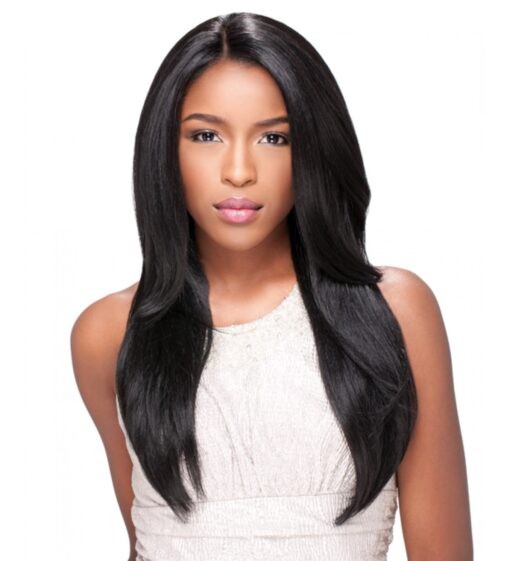
Virgin hair is another type of high-quality human hair. Virgin hair is hair that has never been chemically processed in any way and is, therefore, in its natural state. Virgin hair can be sourced from all over the world, but Brazilian and Peruvian virgin hair is some of the most popular.
Synthetic Hair
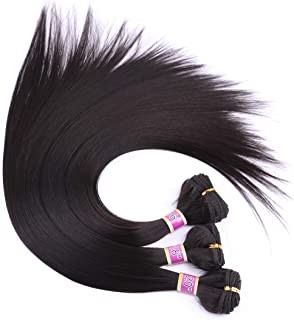
Synthetic hair is often a cheaper alternative to human hair extensions. Synthetic hair is made from a variety of different materials, including nylon, Toyokalon, and Kanekalon fibers. They can be heat-resistant, making them a good choice if you want to use hot styling tools on your extensions. However, synthetic hairs are not as durable as human hairs and will not last as long.
How Weft Hair Extensions Are Made
Thinking about getting weft hair extensions? But have you ever wondered how they’re made? Here, we’ll take a look at the process of how extensions are created from start to finish.
Collecting The Hair
The first step in making wefts is collecting the hair. This is usually done from temples in India, where women donate their hair as part of a religious ceremony. The hair is then sorted by length and texture.
Creating The Wefts
Once the hair is collected, it’s time to create the wefts. The hairs are aligned side by side and sewn together with a needle and thread at the top. This creates a long, continuous strip of hair that can be cut into smaller sections, depending on the desired length of the extensions.
Attaching The Wefts To The Base
The next step is attaching the wefts to a base material. This is usually done with a type of fabric or netting that will be invisible once applied to the head. The wefts are sewn onto the base material using a needle and thread, or they can be glued on with a special adhesive.
Applying for the Extensions
Once the wefts are attached to the base material, they’re ready to be applied! This can be done at home with some practice, or you can visit a professional stylist. Wefts can be attached semi permanently or temporarily, depending on your preference.
Different Types Of Wefts
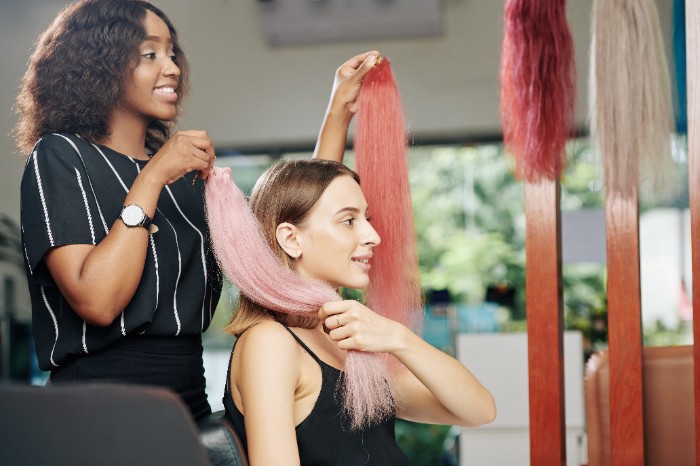
There are different types of extensions, depending on their attachment method. These include hand-tied extensions, tape-ins, and machine-made extensions.
Machine-Made Wefts

Machine wefts are the most popular type of wefts and some of the most durable. They are more affordable for those looking to get sew-in wefts. Machine wefts are created by bonding hair to a backing using a special adhesive.
Hand-Tied Extensions
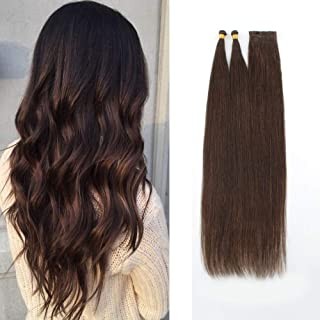
As the name implies, hand-tied wefts are made by tying strands of hair onto a backing with thread. This method is more time-consuming than machine-made wefts, which is reflected in the higher price tag.
Tape-In Extensions
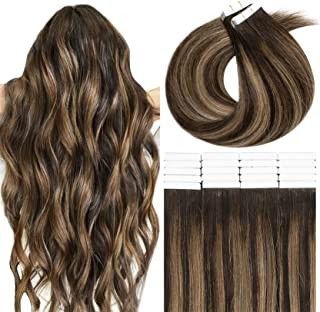
This is one of the most popular types of extensions on the market. They are made from 100% human Remy hair and can be treated just like your own hair. Tape-in extensions are a semi-permanent option that can last up to eight weeks with proper care. They are also a relatively low-maintenance option compared to hand-tied or other types of extensions.
How Weft Hair Extensions Are Installed
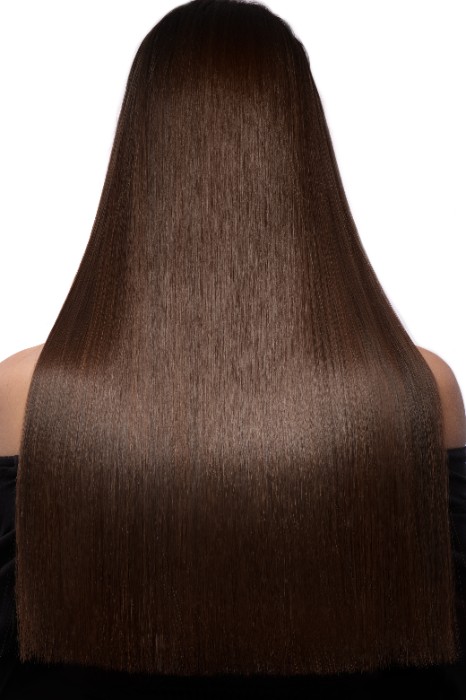
Wefts can be installed in a number of different ways, depending on your desired look. The three most common methods are tracks, clip-ins, and halo weave.
Tracks are the most permanent option and involve sewing the wefts directly onto your natural hair. This method is great for those who have coarse hair or thicker hair that can support the weight of the extensions.
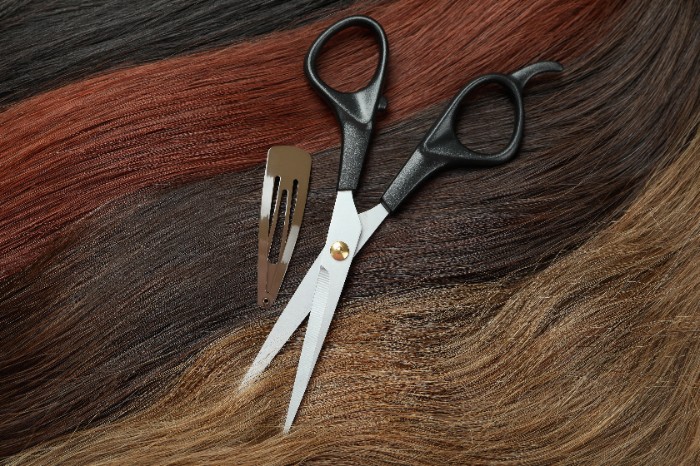
Clip-ins are a semi-permanent option that can be easily applied and removed at home. They typically come in pre-sewn wefts that can be clipped into your hair using built-in clips.
Halo weave is a temporary option and involves attaching the weft to a clear silicone band that rests on your head like a halo. This method is ideal for those who want to try out wefts without damaging their own hair. It is also the least expensive option.
Conclusion
In conclusion, weft hair extensions offer a convenient and cost-effective way to achieve beautiful long locks. With an abundance of colors and textures to choose from, you can customize the look to your individual style. When selecting the best type of weft hair extensions for your needs, it is important that you consider quality and color to ensure that your extensions look natural and last a long time. With the right type of weft, you can enjoy beautiful hair for years to come.
FAQs About Weft Hair Extensions
Q: How long do extensions last?
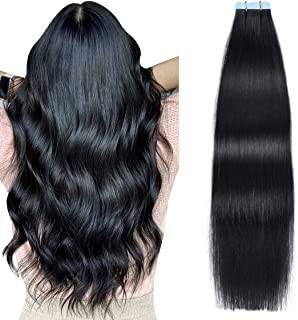
A: The lifespan of your weft hair extensions depends on the quality and care of them. Generally, high-quality wefts can last up to one year if you take proper care of them.
Q: Are there any risks associated with wearing extensions on my own natural hair?
A: When applied correctly, weft natural hair extensions pose very little risk. However, if not installed or maintained properly, they can cause damage to your natural hair and scalp.
Q: How do I care for my extensions?

A: When caring for your wefts, be sure to use gentle, sulfate-free shampoos and conditioners no matter your hair type. Also, be sure to brush your wefts gently every day and use a heat protectant spray when styling with heat tools.
Q: What are the different types of extensions?

A: There are several types of extensions, the most common being Remy hair, hand-tied wefts, tape-ins, micro ring, and nano ring. Remy are the most natural while hand-tied wefts are the most expensive because more time was taken to make them.
Q: Are machine wefts extensions good?
A: Yes. Machine wefts extensions are gentle on the hair compared to other types of extensions.
