

hair styles for black women
Everything You Need To Know About African Hair Braiding
The 60-Second Answer:
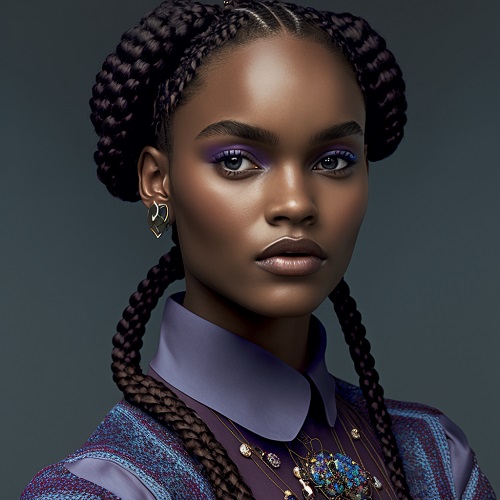
African hair braiding is a traditional protective styling method that uses cornrows, box braids, twists, knotless braids, and other braid patterns to protect natural hair while creating beautiful, long-lasting styles. The healthiest African braids are installed with clean parting, light tension, proper moisture, and regular scalp cleansing every 7 to 14 days.
How African Hair Braiding Protects Natural Hair
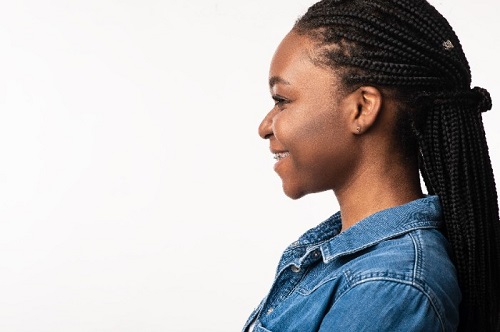
African hair braiding works best when the style protects the hair shaft, scalp, edges, and hair follicle. Professional stylists design African braiding styles to fit each individual’s unique needs, providing personalized service to ensure the best results for different hair types, including Afro-textured hair, type 3 curls, type 4 hair, 4A hair, 4B hair, and 4C hair, which can be fragile at bends in the strand. The hair cuticle protects the outside, while the protein-rich cortex gives the strand strength.
Unlike loose daily styling, African braids are a low-manipulation hairstyle. They reduce brushing, heat use, and daily pulling. However, a healthy braid installation should feel secure, not painful. Pain is not a sign that braids will last longer; it can be a warning sign of excessive scalp tension.
African Braiding Is A Protective Style

African hair braiding is both a cultural art form and a protective hairstyle. Traditional African braiding includes cornrows, box braids, Fulani braids, Senegalese twists, lemonade braids, Ghana braids, feed-in braids, micro braids, tribal braids, goddess braids, and crochet braids. Salons serve as a place where these cultural traditions are celebrated and shared, providing a welcoming environment for clients to experience and participate in these time-honored practices.
Hair braiding salons often offer braids, twists, weaves, cornrows, and custom styles. Some salons also provide group hair options for weddings and events so everyone looks coordinated. Many salons accept walk-ins, while others use appointment-only policies, especially when safety rules or face coverings are required.
African Braids Carry Deep Meaning
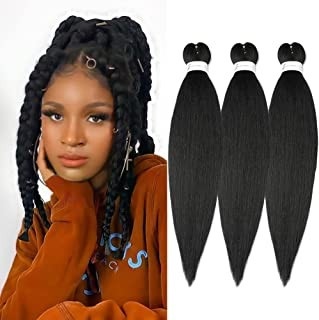
The history of African hair braiding is tied to African culture, West African braiding traditions, community bonding, tribal identity, social status, and cultural expression. Braiding has been passed down through generational knowledge and ancestral hair traditions. To highlight its cultural significance, here is a quote: “Braiding is not just a style, it’s a statement of identity, heritage, and beauty.”
What does African hair braiding symbolize? In many Black beauty traditions, braids symbolize identity, beauty, heritage, creativity, protection, and connection. Styles like Fulani braids may include beads, cowrie shells, hair cuffs, or braid accessories that add personal and cultural meaning.
Popular Styles Have Different Benefits
| Style | Best For | Longevity | Main Benefit |
|---|---|---|---|
| Cornrows | Scalp braids | 2–6 weeks | Clean, flat braid patterns |
| Box Braids | Individual braids | 4–8 weeks | Versatile protective styling |
| Knotless Braids | Sensitive scalps | 4–8 weeks | Lower scalp tension |
| Fulani Braids | Decorative styling | 3–6 weeks | Beads and cultural detail |
| Senegalese Twists | Smooth twist look | 4–8 weeks | Soft, polished finish |
The Wealthy Hair Quality Standard
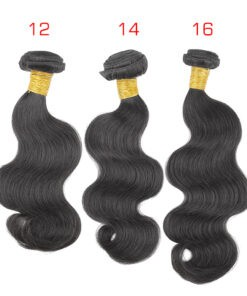
At Wealthy Hair, healthy beauty always comes before a tight style. Our standard focuses on providing customers with a friendly and professional experience, emphasizing scalp safety, clean installation, donor integrity, and high-quality hair that supports natural hair instead of damaging it. We love hearing from our customers and value their feedback, as it helps us continually improve. A skilled braider should protect the scalp, edges, and hairline while creating a neat, beautiful finished style. If you enjoyed your experience with us, we encourage you to recommend Wealthy Hair to your friends and family.
People Also Ask
What are box braids?
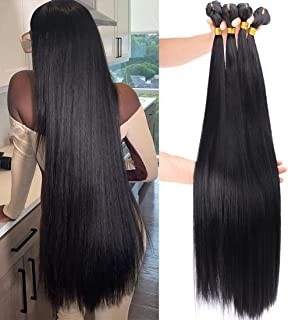
Box braids are a protective hairstyle made by dividing the hair into square-shaped sections and braiding each section from the roots to the ends. Many women choose box braids when they want their hair braided in a versatile style that can be worn long, short, thick, or thin.
What are the most popular African braid styles?
The most popular African braid styles include cornrows, box braids, knotless braids, Fulani braids, Senegalese twists, and lemonade braids. These styles vary by braid pattern, size, tension, and finish.
How long do African braids last?
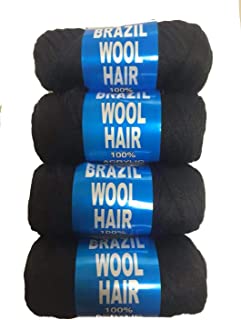
African braids usually last 4 to 8 weeks. Keeping them longer can cause new growth to tangle, dry out, or break during takedown. Wealthy Hair recommends removing braids by 6 to 8 weeks for the healthiest result.
Is African hair braiding a protective style?
Yes, it can be a protective style when installed and maintained correctly. It protects natural hair by reducing heat, brushing, and daily manipulation.
Can African braids damage your hair?
African braids can damage your hair if they are too tight, too heavy, or left in too long. Repeated tight hairstyles can stress the follicle and may contribute to traction alopecia.
How often should you wash African braids?
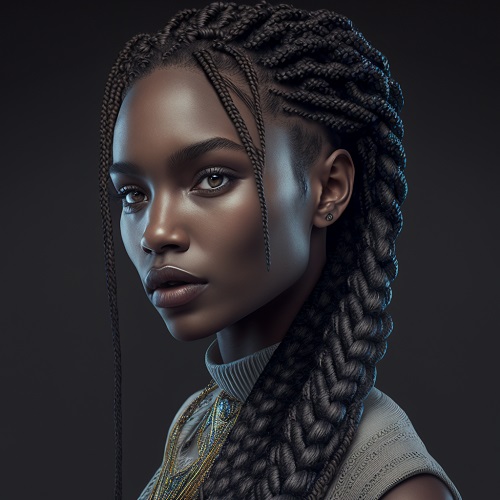
You should wash African braids every 7 to 14 days, depending on sweat, buildup, and scalp needs. A diluted sulfate-free shampoo helps clean the scalp without roughing up the braids.
How do you sleep with African braids?
Sleep with African braids under a satin bonnet or silk scarf. This reduces friction, frizz, and moisture loss while protecting the braid pattern.
How do you keep African braids moisturized?
To keep African braids moisturized, spray the hair and scalp with water or a water-based leave-in conditioner, then use a light oil to seal in that moisture. This helps keep the hair braided underneath from becoming dry, especially for women wearing long-term protective styles.
What should I use daily to hydrate natural hair in braids?
Daily hydration for natural hair in braids works best with a water-based leave-in conditioner or lightweight braid spray. These products help refresh the scalp and strands without causing heavy buildup, which is especially important when using professional hair braiding services for styles meant to last several weeks.
What are knotless braids?
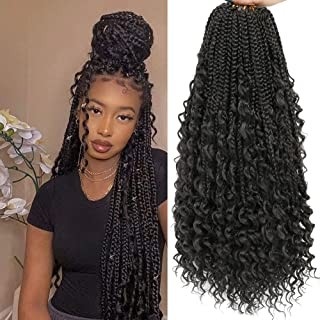
Knotless braids are a modern version of traditional braids that start with your natural hair before extensions are gradually fed in. This creates a flatter, more natural look and reduces tension on the scalp, making them a popular choice for women who want more comfort when braiding their hair.
Why is it important to dry braids completely after washing?
Braids should be dried thoroughly after washing because trapped moisture can lead to mildew, odor, and scalp discomfort. Whether you wear box braids, cornrows, or a Senegalese twist, allowing the hair braided inside the style to dry fully helps keep the scalp fresh and healthy.
What are the best habits for maintaining African braids?
The best habits for maintaining African braids include cleansing the scalp every 7–10 days, moisturizing daily with a lightweight spray, and avoiding heavy oils that cause buildup. This awesome list of habits can help women keep their braids neat, fresh, and comfortable for longer.

