

celebrity lace wigs
What Is The Difference Between A Lace Front Wig and Hair Weave
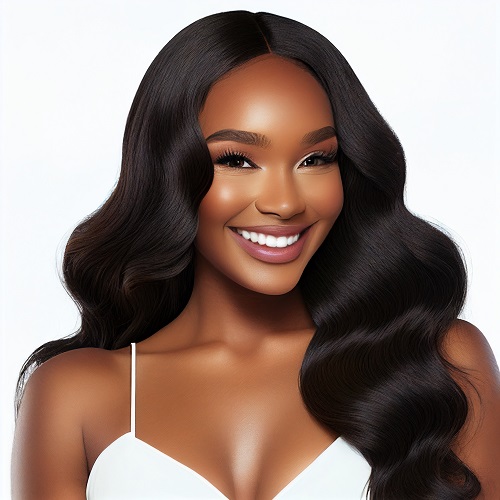
The 60-Second Answer:
A lace front wig has lace near the hairline, making it look like hair is growing from your scalp. A weave wig usually means hair bundles or tracks added to a wig cap to create a fuller style. The main difference is the hairline finish. Lace fronts look more natural in front, while wig weaves focus on volume and style.
What Is The Difference Between A Lace Front Wig And Hair Weave?

The main differences between wigs weaves options come down to installation and coverage. A lace front wig is a removable head covering, like a hat with hair attached, while a hair weave, also called a sew-in weave, uses hair wefts that are sewed onto a braided hair foundation made from your natural hair.
In professional salon practice, the right choice depends on your hair health, lifestyle, budget, and desired styling flexibility. A licensed stylist can evaluate your scalp, edges, and natural hair density before recommending a lace front wig, sew-in weave, lace closure, lace frontal, glueless wig, or another hair extension method.
From a hair-care perspective, proper installation and removal matter more than the style itself. Both wigs and weaves can look beautiful, but both can also cause damage if they are installed too tightly, removed roughly, or worn without scalp care. The American Academy of Dermatology notes that tight hairstyles, including cornrows and weaves, can contribute to traction alopecia when they pull on the hair for long periods.
Lace Front Wigs Create Hairline Realism
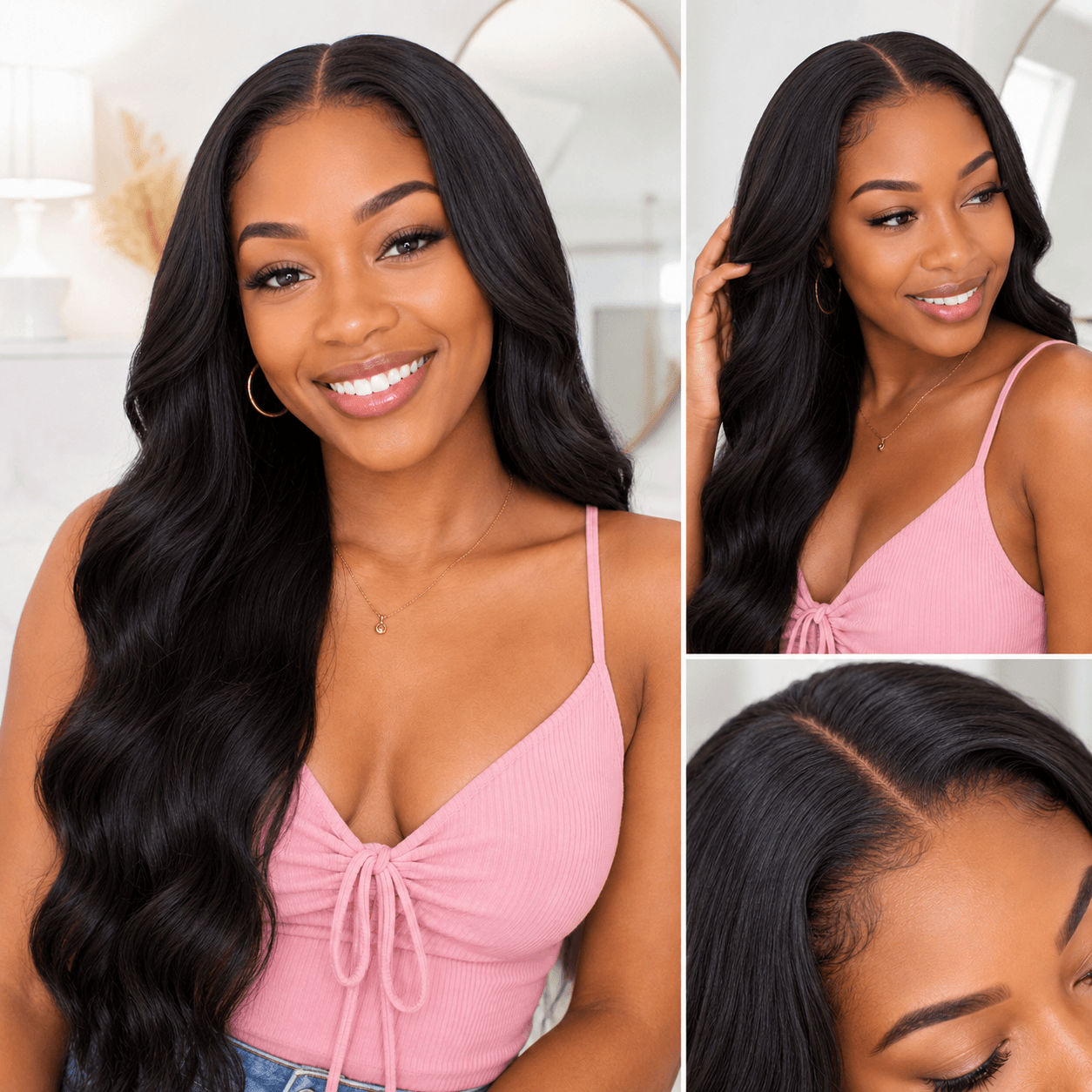
A lace front wig offers the most realistic hairline when the lace is properly cut, tinted, and secured. The hair is hand-tied or knotted into a sheer lace base, which helps create the look of hair growing from the scalp.
A high-quality lace front wig should blend with the skin tone, lie flat at the hairline, and move naturally. Details like melted lace, baby hairs, proper hair density, and scalp illusion all affect how natural the final look appears.
Lace front wigs may be secured with wig glue, wig tape, wig adhesive, clips, an elastic band, or a glueless wig cap. If you have fragile edges, adhesive use should be handled carefully because repeated pulling at the hairline may cause breakage.
ATTENTION: Turn Your Passion For Hair Into Profit ⬇️⬇️⬇️

Hair Weaves Give Secure Daily Wear
A hair weave is installed by braiding your natural hair into cornrows, then sewing hair wefts onto the braided foundation. This is why sew-in extensions feel more permanent than a removable wig.
A quality weave install should feel secure without pulling, itching, or creating painful tension. A sew-in weave can be a strong protective hairstyle when the braids are not too tight and the scalp is properly maintained.
Hair weaves are usually installed by a professional stylist or hairdresser. The process can take three to six hours because it often includes washing, drying, cornrowing, sewing, cutting, blending, and styling.
Human Hair Offers Better Styling Power
Human hair wigs and human hair weaves usually offer more styling flexibility than synthetic wigs or synthetic extensions, and weave extensions are typically sewed onto braided hair as the base. You can curl, straighten, wash, condition, and restyle human hair more easily.
Virgin human hair and Remy human hair are often better choices if you want softness, natural movement, and longer wear. Blended hair combines human and synthetic fibers, which may offer a balance of realism and affordability. Many people choose sew ins as a protective style, and a weave installed this way can feel more secure than removable wigs during sports or high physical activity.
Synthetic hair can still be a good option if you want something budget-friendly, pre-styled, and easy to wear. Just remember that most synthetic hair cannot handle heat unless it is labeled heat-resistant. If the wefts are cut, sealing them with a weave sealer can help reduce shedding. Curly weaves also benefit from a leave-in conditioner to help prevent tangle.
Lace Front Wig Vs Hair Weave Comparison Matrix
| Feature | Lace Front Wig | Hair Weave | Best Choice |
|---|---|---|---|
| Installation Method | Placed over natural hair with lace at the hairline | Sewn onto cornrows using hair wefts | Wig for faster styling, weave for secure wear |
| Install Time | Usually under 1 hour | Usually 3 to 6 hours | Wig for beginners |
| Longevity | Daily wear or several weeks depending on install | Usually 4 to 8 weeks | Weave for longer-lasting wear |
| Hairline Realism | Very realistic with melted lace and proper tinting | Natural if blended well or paired with closure/frontal | Lace front wig for hairline realism |
| Maintenance Level | Easier at-home maintenance | Requires more salon maintenance | Wig for low-maintenance styling |
| Styling Flexibility | High, especially full lace wigs | High, but style is more fixed | Wig for switching styles often |
| Security | Can shift if not secured well | Very secure when installed correctly | Weave for sports or high activity |
| Cost Range | $10 to several thousand dollars | $200 to $600 for bundles plus install fees | Depends on budget and quality |
| Natural Hair Access | Easy to remove and care for hair underneath | Harder to access scalp and natural hair | Wig for scalp access |
| Damage Risk | Glue or tape can stress edges | Tight braids can stress follicles | Either is safe with proper care |
Cost Of Lace Front Wigs And Hair Weaves
Wigs can range in price from as little as $10 to several thousand dollars depending on the cap type, hair type, density, lace quality, and construction. Synthetic wigs usually cost less, while human hair wigs, full lace wigs, hand-tied caps, and premium lace front wigs cost more.
Quality human hair for weaves can cost anywhere between $200 and $600 for a full head of bundles. Installation may add around $150 or more depending on your stylist, location, braid pattern, style, and finishing work.
The total cost of maintaining a weave over a year can exceed $1,000 because you may need repeated installations, tightening, washing, styling, and removal. A wig may cost more upfront, but it can be reused more easily if cared for correctly.
| Factor | Wig | Weave |
|---|---|---|
| Install Time | Shorter average time, often minutes | Longer average time, often a few hours |
| Cost | Higher upfront, especially for quality human hair | Lower hair cost at first, but salon installs add up |
| Maintenance | Easier to remove, wash, and restyle | Needs regular upkeep and salon visits |
| Longevity | Reusable for months or years with care | Usually lasts one to two months before a redo is needed because of hair growth |
| Security | Can shift if not secured well | Sew-in weaves feel more secure for sports or high physical activity |
| Best Choice | Best if you want flexibility and easy changes | Best if you want a more fixed, natural-feeling install |
The Wealthy Hair Quality Standard
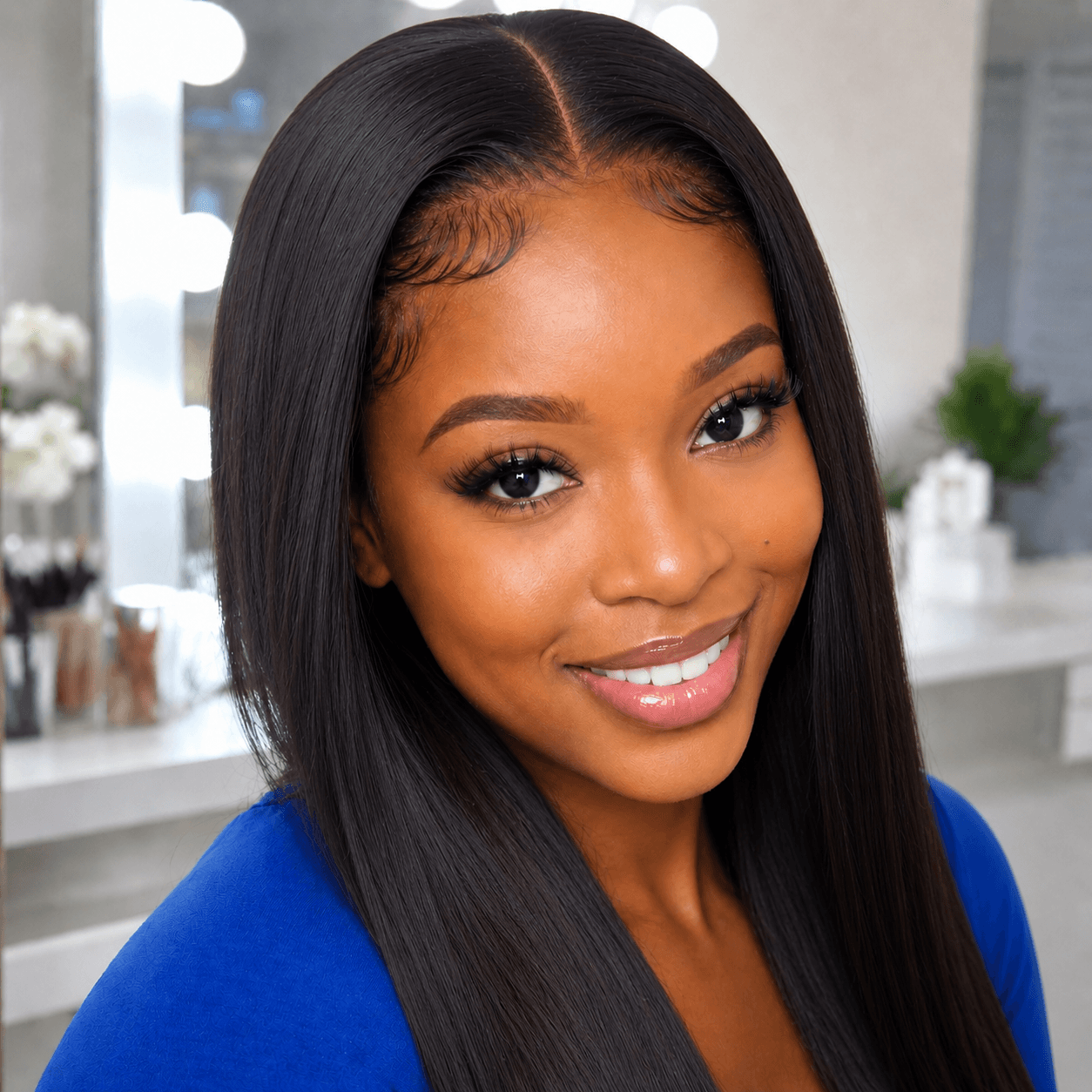
At Wealthy Hair, quality starts with sourcing, hair selection, and control standards. Premium hair should be chosen for donor integrity, softness, movement, and cuticle alignment. The goal is to provide natural-looking extensions that can be washed, styled, and reused with proper care, all while helping customers protect their natural hair.
Wealthy Hair focuses on human hair options that support styling flexibility and a polished finish. For example, paying more upfront for durable human hair can reduce repeat replacement costs when it holds up well over time. Every client should choose quality hair, a skilled stylist, and a realistic maintenance routine before committing to a sew-in weave, lace front wig, full lace wig, or closure wig.
For healthy results, both wigs and weaves should be installed without excessive tension on the scalp or edges. Proper scalp cleansing, moisturizing, and gentle removal help reduce the risk of breakage. A higher-quality option is often more cost effective and can help you save money over time because it lasts longer.
What Should You Know Before Choosing?
Before getting a lace front wig, think about your hairline, adhesive tolerance, budget, and how often you want to remove it. If your edges are fragile, consider a glueless wig or a professional install with gentle adhesive use.
Before getting a hair weave, think about your scalp health, braid tension, hair density, and salon maintenance schedule. If your natural hair is weak or thinning, ask a licensed stylist to check whether a sew-in weave is the safest choice.
If you want to switch hairstyles often, choose a wig. If you want a long-lasting hairstyle that feels very secure, choose a sew-in weave.
People Also Ask
What Is The Difference Between A Lace Front Wig And Hair Weave?
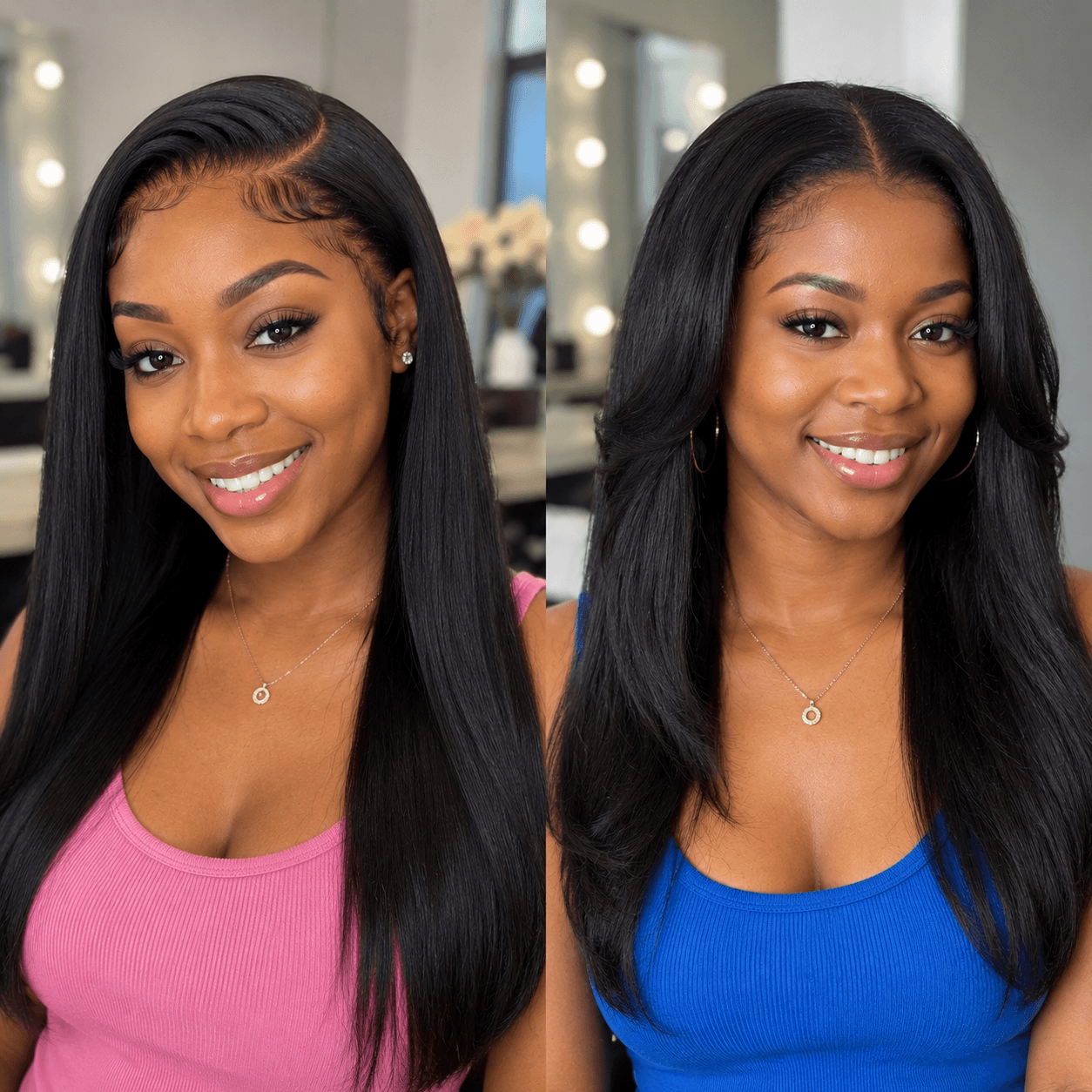
A lace front wig is a removable hairpiece with lace at the hairline, while a hair weave is sewn onto cornrows. The wig creates a scalp illusion with lace, while the weave uses hair wefts attached to your braided foundation. Wealthy Hair recommends choosing based on your lifestyle, scalp health, and styling goals.
Lace Front Wig Vs Hair Weave: Which Is Better?
A lace front wig is a removable head covering with hair attached that wig completely covers the natural hair, while a hair weave is installed onto braided hair. This is one of the main differences many women compare when choosing between wigs weaves options.
What Is A Lace Front Wig?
A lace front wig is a wig with sheer lace across the front hairline. Hair is tied into the lace so the front can look like hair growing from your scalp. Wealthy Hair recommends lace front wigs for customers who want hairline realism and styling flexibility.
What Is A Hair Weave?
A hair weave is a hair extension method where wefts are sewn onto braided natural hair, while wigs have traditionally been made from human hair, synthetic fibers, or even animal hair and work more like a hat-like head covering that you can put on and remove easily. The cornrows create a strong base that helps the extensions stay secure. Wealthy Hair recommends professional installation so the weave feels comfortable and does not pull on the scalp.
How Does A Lace Front Wig Work?
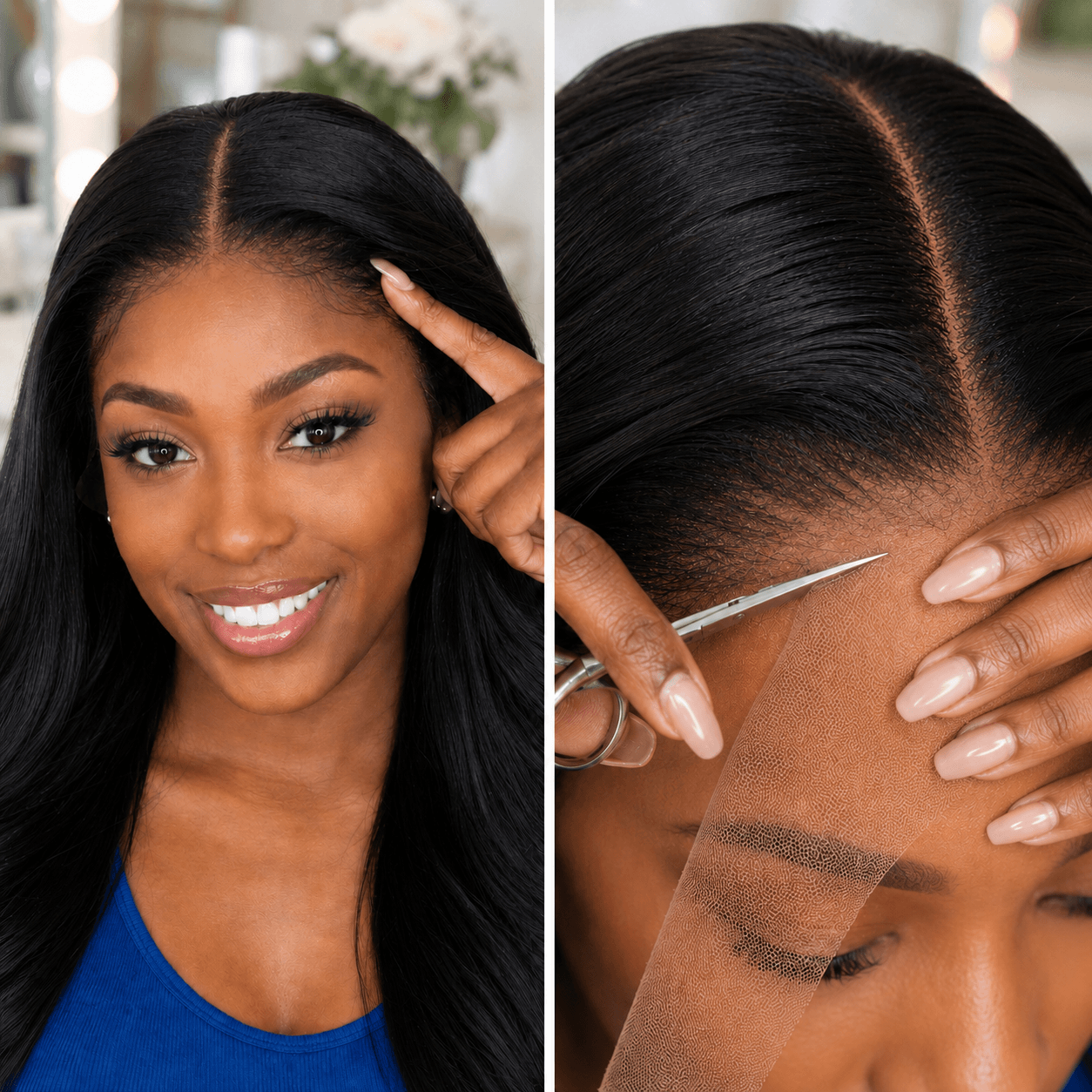
A hair weave is a hair extensions method in which wefts are sewed onto braided hair. A weave installed this way is often used as a protective style. The sheer lace blends with the skin to create a natural hairline effect. Wealthy Hair recommends proper lace tinting, flat braids, and gentle removal for the best result.
How Does A Sew-In Weave Work?
A sew-in weave works by braiding natural hair into cornrows and sewing hair wefts onto those braids. This creates a secure style that can last several weeks with proper care. Wealthy Hair recommends avoiding tight braids because too much tension can stress the scalp and edges.
Which Looks More Natural, A Lace Front Wig Or Weave?
A lace front wig usually looks more natural at the hairline when installed correctly. This is because melted lace, proper tinting, and baby hairs can create a realistic scalp illusion. Wealthy Hair recommends high-quality human hair and expert customization for the most natural finish. If you wear twists underneath or cornrows, keep them loose enough for the scalp to breathe and support healthy natural tresses.
Which Lasts Longer, A Lace Front Wig Or Hair Weave?
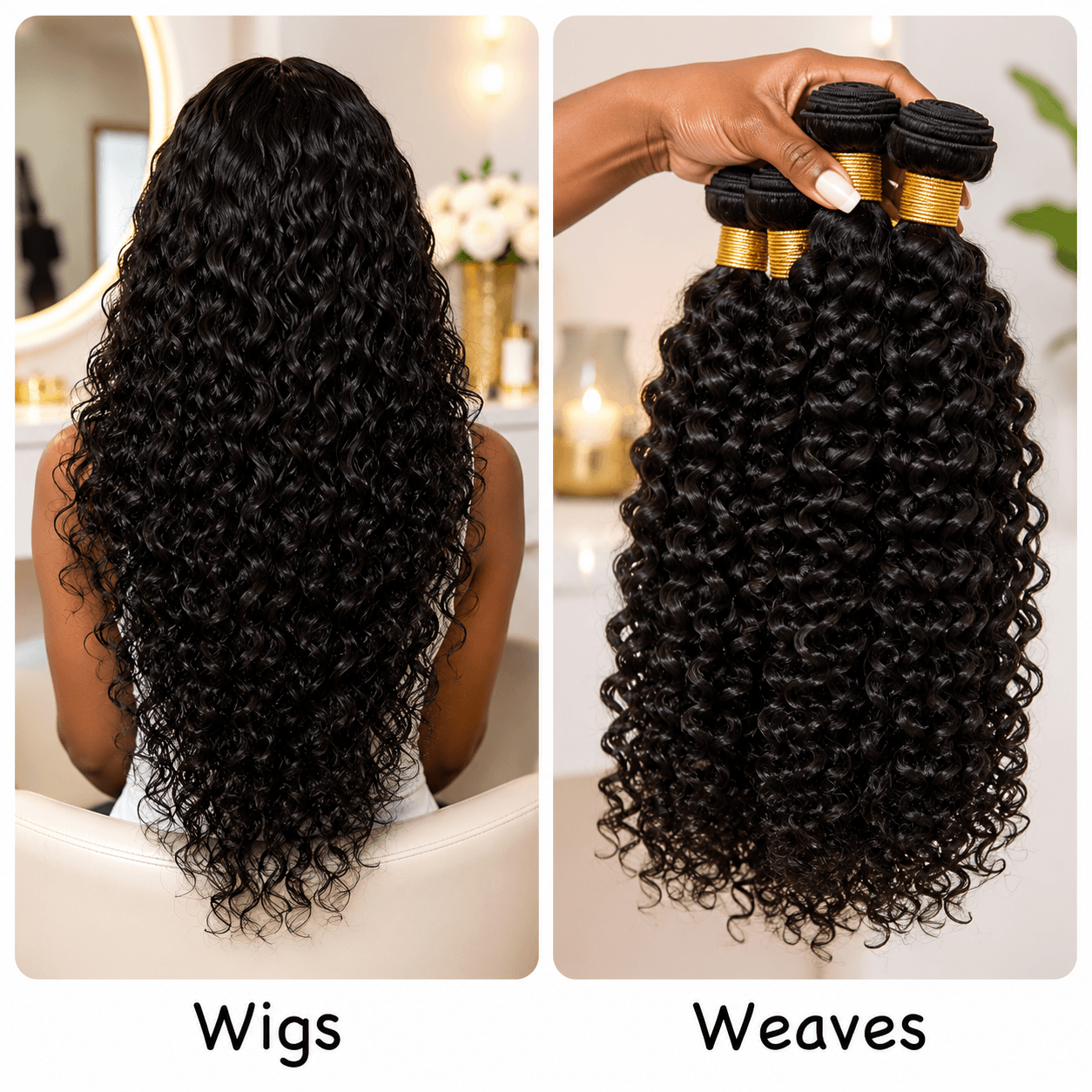
A sew-in weave usually lasts longer as an installed style, often around 4 to 8 weeks. A lace front wig can last longer as a reusable hairpiece, but the actual install may need more frequent adjustment. Wealthy Hair recommends caring for the hair properly so it can be reused and restyled.
Which Is Easier To Maintain, A Wig Or Weave?
A wig is usually easier to maintain because it can be removed, washed, and stored separately. A weave needs more scalp care because your natural hair is braided underneath the extensions, though the braid base can support hair growth and the style often lasts one to two months before it needs to be redone as new hair growth comes in. Wealthy Hair recommends wigs for beginners who want easier at-home maintenance.
Is A Lace Front Wig Better For Protective Styling?
A lace front wig can be great for protective styling when it is not glued too tightly and your natural hair is cared for underneath. The main benefit is that you can remove the wig and moisturize your hair more easily. Wealthy Hair recommends glueless options for customers who want less tension around the edges.
Is A Sew-In Weave Good For Natural Hair?

A sew-in weave can be good for natural hair when the braids are not too tight and the scalp is kept clean. It protects the ends of your natural hair while giving you a longer-lasting style. Wearing a wig can also help protect the hair underneath because it is easy to remove and care for between styles. Wealthy Hair recommends taking breaks between installs to keep your natural hair healthy.
Can A Lace Front Wig Damage Your Edges?
Yes, a lace front wig can damage your edges if glue, tape, or removal causes repeated pulling. The hairline is delicate, so rough adhesive use may lead to breakage. In comparison, sew ins can support hair growth when the scalp stays clean and the braid base is not too tight. Some people experience tremendous growth over time when their natural tresses are protected and properly maintained. Wealthy Hair recommends gentle removal, glueless options, and professional help if your edges are fragile.
Can A Hair Weave Cause Hair Loss?
Yes, a hair weave can contribute to hair loss if it is installed too tightly or worn too long without proper care. Dermatology sources connect tight styles, extensions, and weaves with traction alopecia when they repeatedly pull on the hair follicles. (American Academy of Dermatology) Wealthy Hair recommends comfortable braiding, scalp cleansing, and safe removal.
Which Is Better For Beginners?
A wig is usually better for beginners because it is easier to put on, remove, and maintain. A sew-in weave often needs a professional stylist and more time in the salon, but because it is sewn in securely, there is no need to worry about wig floating during a quick hop in the pool or on a long weekend road trip with active plans. Wealthy Hair recommends starting with a glueless wig if you want a simple, beginner-friendly option.
References And Professional Standards
Professional salon standards: install wigs and weaves without painful tension, cleanse the scalp regularly, use quality human hair, and remove extensions gently.
American Academy of Dermatology Association: guidance on hairstyles that can contribute to traction alopecia, including tight cornrows, extensions, and weaves. (American Academy of Dermatology)
Billero and Miteva, “Traction Alopecia: The Root Of The Problem,” published in the National Library of Medicine, reviewing hairstyle-related tension and hair loss. (PMC)
British Association of Dermatologists: patient information on traction alopecia and tight hairstyles, including braids, weaves, and extensions. (British Association of Dermatologists)
FDA cosmetic safety guidance: follow product directions carefully for hair dyes, relaxers, and cosmetic hair products. (U.S. Food and Drug Administration)

