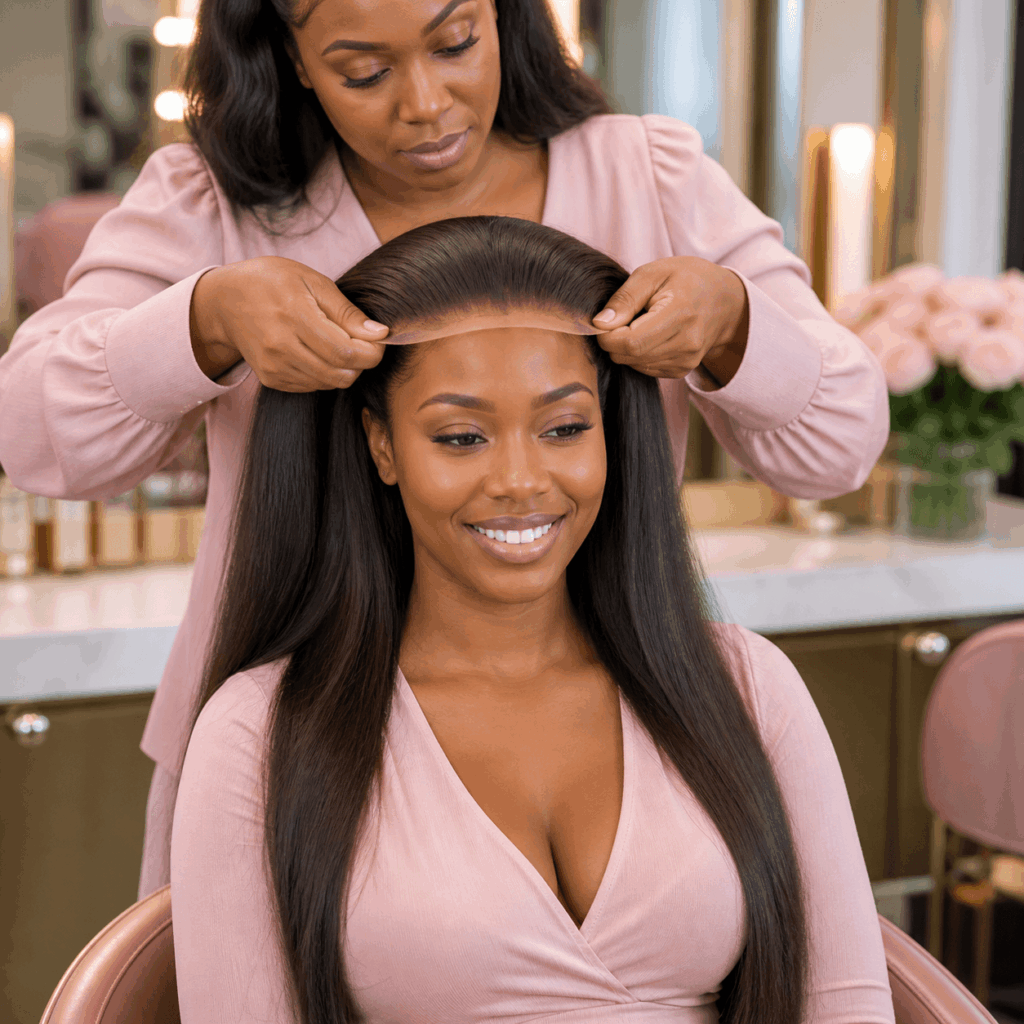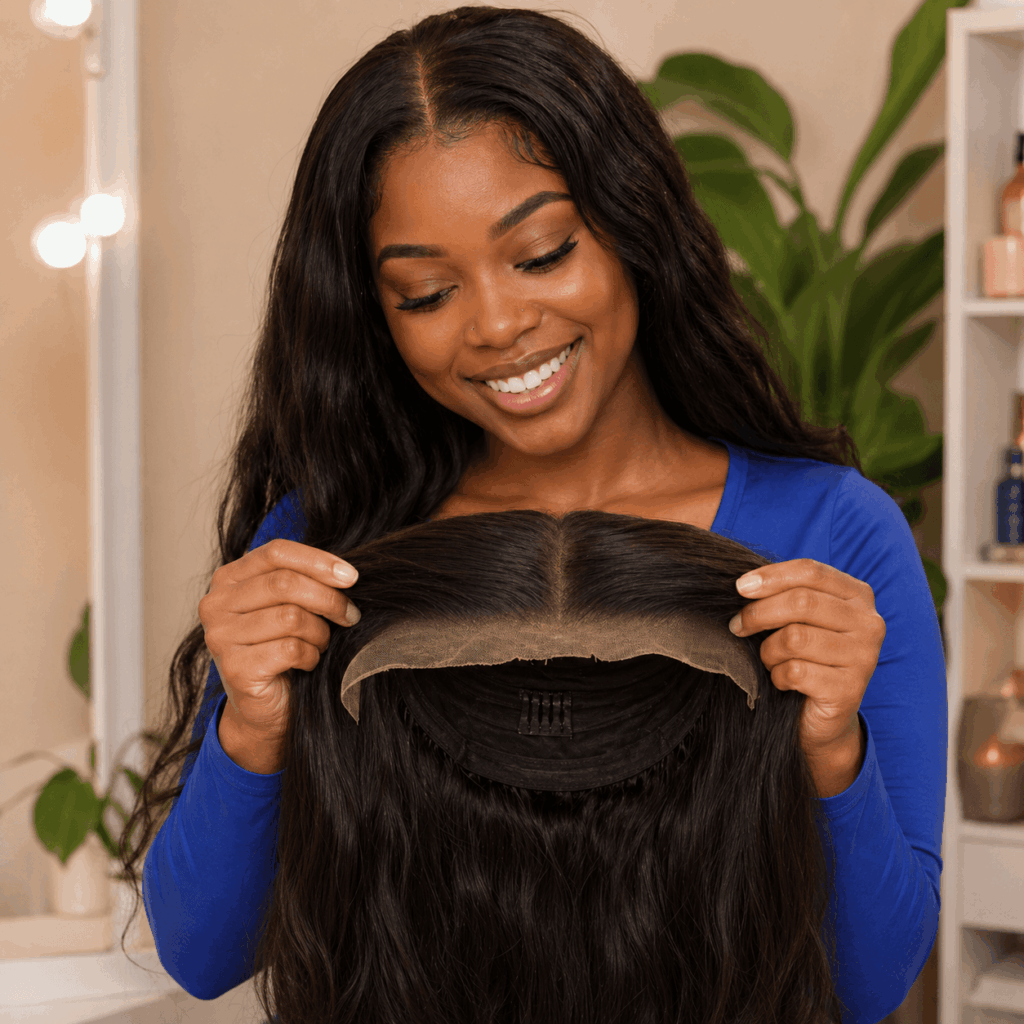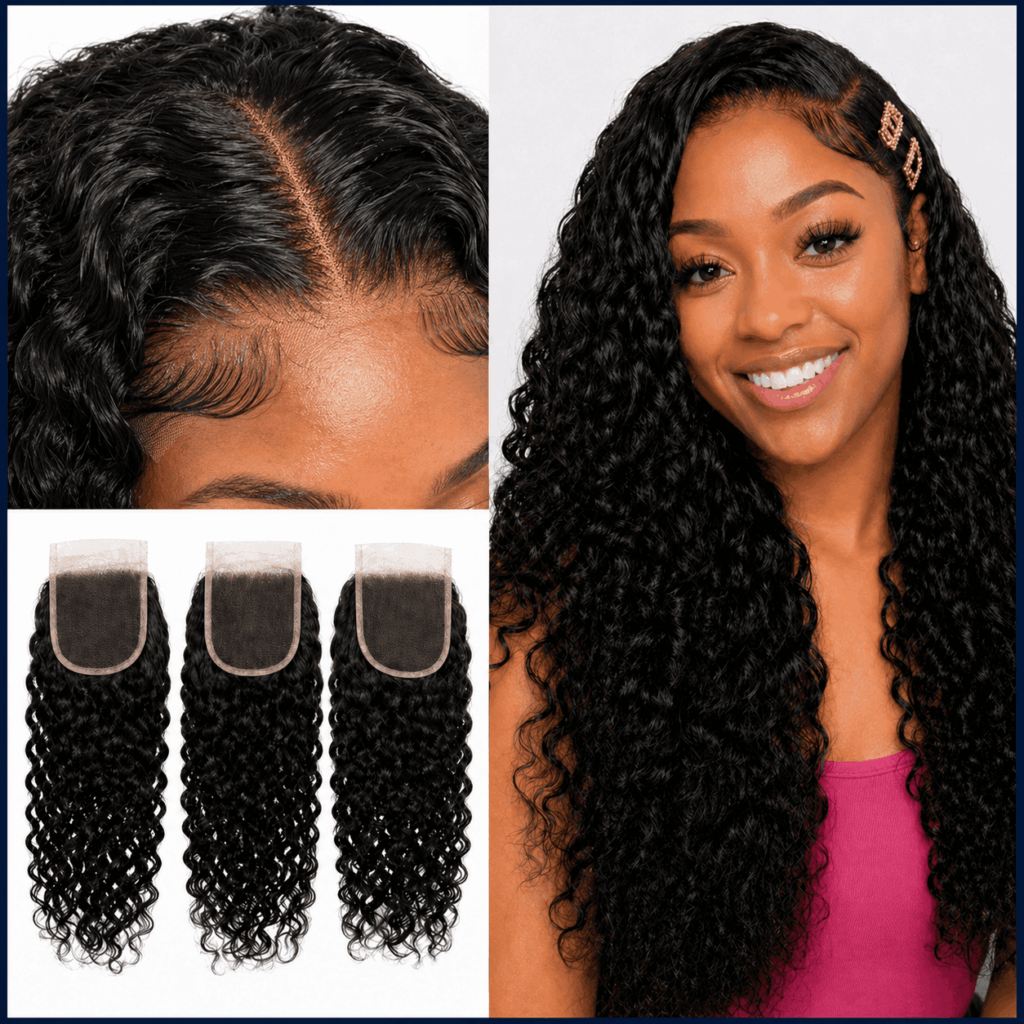

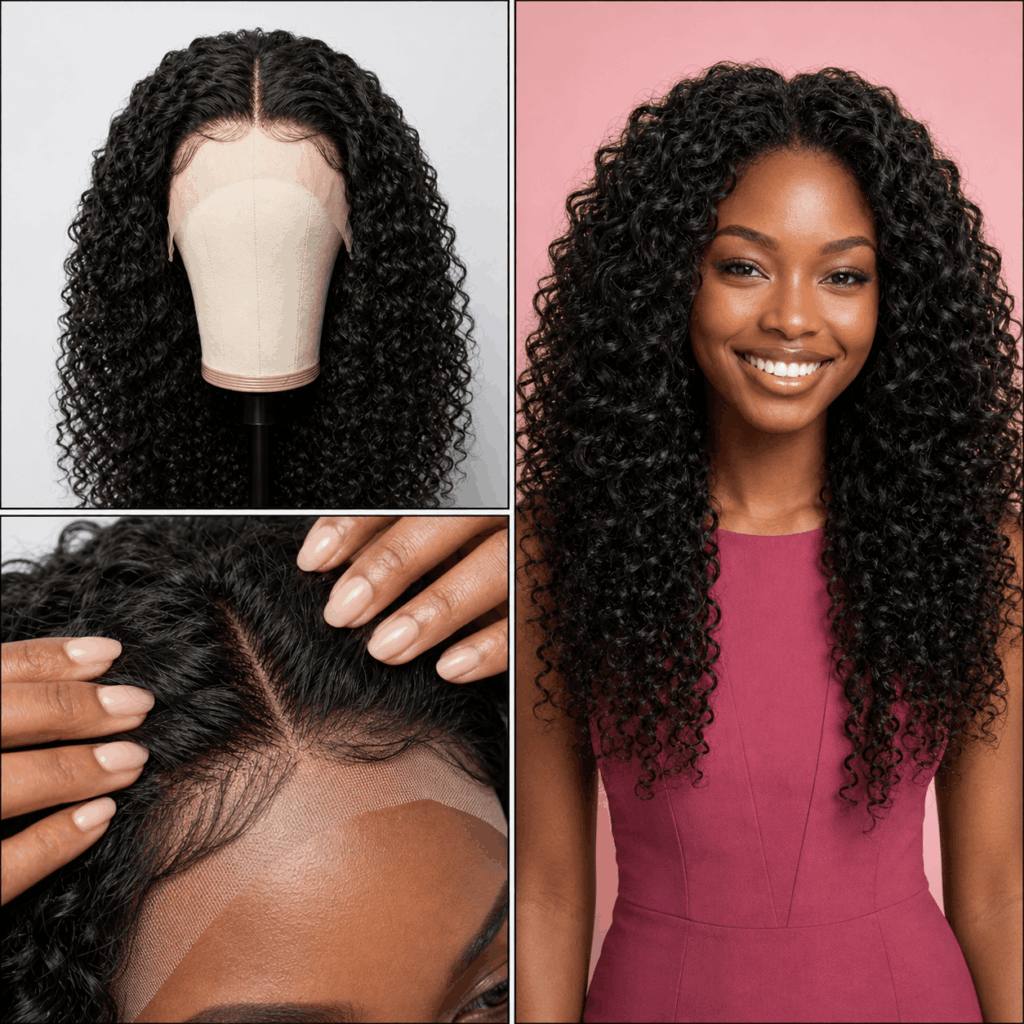
The 60-Second Answer: A Brazilian Hair Frontal is best chosen by matching the lace color, hair texture, density, size, and hairline shape to your scalp and natural hair. The most natural Brazilian frontal should use soft lace, quality human hair, secure knotting, and a realistic hairline that blends smoothly with your install. Why Brazilian Lace […]
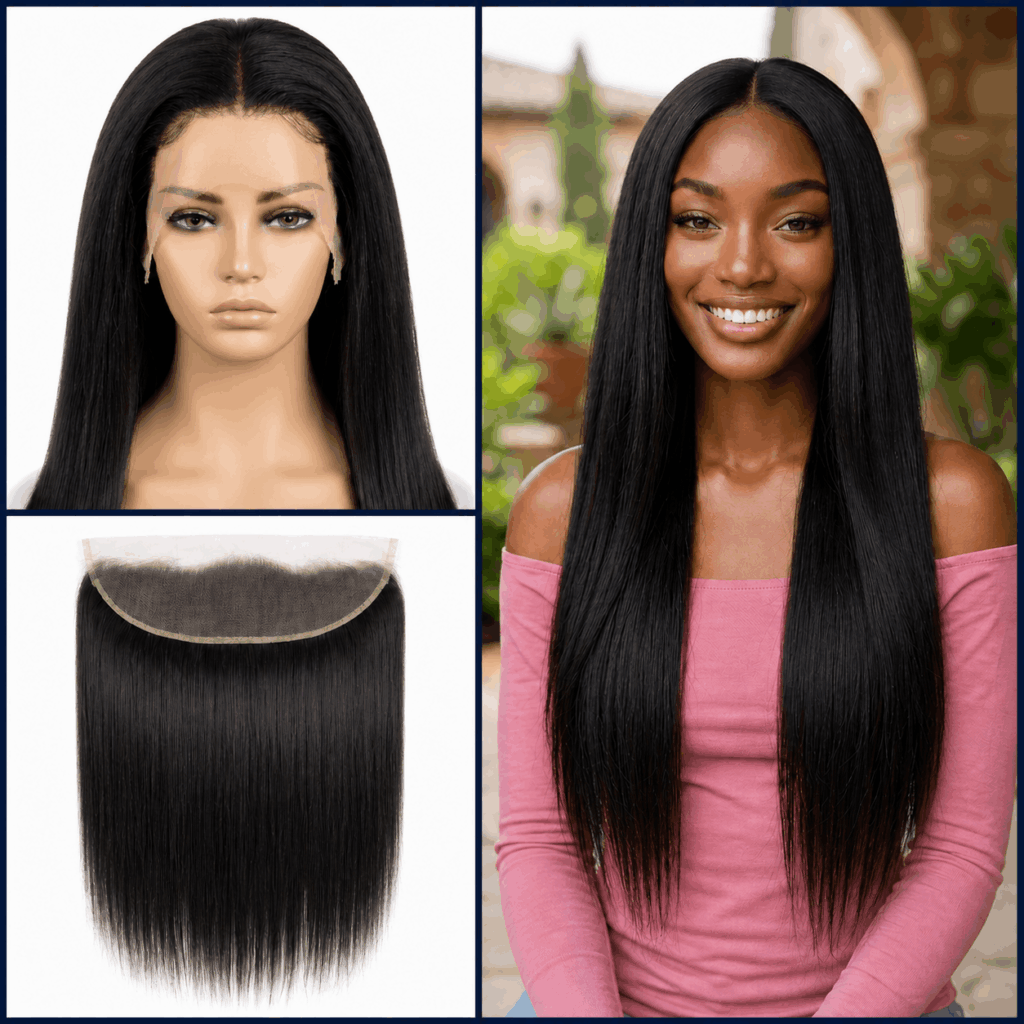
Category Archives: Wealthy Hair Guides
The 60-Second Answer: Frontal human hair is usually the better choice if you want the most natural hairline, realistic scalp appearance, styling freedom, and long-term wear. Synthetic frontal hair can work for short-term styles, but it has more limits with heat, coloring, tangling, and customization. The best option depends on your budget, lifestyle, and how […]
The 60-Second Answer: Straight hair with frontal lasts longer when you choose high-quality human hair, install it on a flat base, protect the lace, and use a light care routine. Wash with sulfate-free shampoo, detangle from the ends upward, use heat protectant before styling, and sleep with silk or satin to reduce tangling, dryness, lifting, […]
The 60-Second Answer Curly Frontals help you achieve perfect curls by starting with high-quality hair, keeping it moisturized, and using curl-safe products. Detangle gently, define curls with a leave-in conditioner or curl cream, and air-dry or diffuse on low heat. To keep curls fresh every time, protect your frontal at night with a silk scarf […]
The 60-Second Answer To learn how to sew in lace closure, braid the natural hair flat, place the closure where the part looks realistic, and secure it with a curved needle and strong thread. Keep each stitch neat but not too tight. After sewing, trim extra lace, blend the closure with your bundles, and style […]
The 60-Second Answer The best human hair for wigs is usually Remy human hair or virgin human hair because the strands stay soft, move naturally, and last longer with proper care. For maximum longevity, virgin Slavic or European hair is often considered the premium choice. The right wig also depends on cap construction, density, lace […]
The 60-Second Answer: How to clean lace starts with a gentle routine: detangle the wig, loosen glue and buildup, soak the lace in cool or lukewarm water, wash with a sulfate-free shampoo, rinse carefully, and air dry flat or on a wig stand. Never scrub, twist, wring, or use high heat on delicate lace. Understanding […]
The 60-Second Answer: To master how to dye lace for lasting quality, start with clean lace, choose a safe fabric dye or lace tint, and test a small area first. Apply color lightly with a brush or spray, avoiding oversaturation. Let it set, rinse gently, and air-dry fully. This keeps the lace natural-looking, durable, and […]
The 60-Second Answer: How to hide lace starts with matching the lace to your skin tone, trimming it close to the hairline, and blending it with light makeup or lace tint. For the most natural look, secure the wig flat, soften visible knots, protect your edges, and check the final finish in natural light. What […]
The 60-Second Answer How to make a lace closure look natural starts with four things: a flat foundation, lace that matches your scalp tone, a soft pre-plucked hairline, and proper blending at the part. Braid or pin your natural hair flat to hide it, and for best results, use a wig cap to help hide […]