

beyonce wigs, celebrity lace wigs, cheap lace front wigs, front lace wig, front lace wigs, full lace wig, full lace wigs, Indian remy wig, lace front wigs
Baby Hair And How Is It Used On A Lace Front Wig?

Get ready to be wowed as we unravel the secret behind those oh-so-fabulous hairlines you’ve always admired! It’s all about mastering the art of baby hair – those delicate wisps of hair that frame the face and add a touch of magic to every hairstyle, be it a sassy pixie cut or luscious, flowing locks. But when it comes to lace front wigs, these tiny strands pack an even bigger punch, transforming your wig game to a whole new level of natural sophistication. Intrigued yet? Stick with us, because we’re about to spill the beans on some little-known insider tips to help you finesse your lace front wig’s hairline and make it utterly indistinguishable from your own. Don’t miss this opportunity to elevate your wig game to celebrity status – read on, and discover the power of baby hair!
What Is Baby Hair?

Oh, baby hair! Those delicate, fine strands framing your face, hugging your scalp, and adding that extra oomph to any hairstyle. And guess what? They’re especially awesome when it comes to rocking a lace front wig! With baby hair in your arsenal, you can achieve two fabulous things: a super natural look and a flawless hairline. All it takes is a couple of easy-peasy steps, a pair of sharp scissors, and you’re on your way to giving your wig that oh-so-realistic touch.
But hey, don’t forget to think about your own natural hair type when picking out baby hairs for your lace front. Straight-haired folks, you’ll want to choose finer strands; as for those with curly or wavy locks, thicker ones are your besties. So go ahead, get your style on, and give your lace front wig the ultimate upgrade with some perfectly placed baby hairs! Let’s dive into how you can use baby hair to create that impeccable hairline for your lace front wig.
How Is Baby Hair Used On A Lace Front Wig?

Oh my gosh, you won’t believe how easy it is to create a natural-looking hairline on your lace front wig using baby hairs! First, grab a pair of scissors and snip off any extra lace from the wig’s front. Next, gather some tiny strands of baby hair from around your own hairline—you can use your fingers or small hair clips to do this. Once you’ve got enough strands, let’s get them on that wig! Secure each strand to the wig’s front using bobby pins or glue. Then, give those baby hairs a little trim to shape and blend them seamlessly into your hairstyle. And voilà! You’ve just leveled up your lace front wig game with a super realistic hairline!
Feeling adventurous? Keep reading to discover how to pluck the hairline of your lace front wig for an even more jaw-dropping, natural look!
Plucking the Hairline of Your Lace Front Wig.

Plucking your lace front wig’s hairline takes it to a whole new level of realism! So, grab those sharp scissors and carefully trim away the extra lace at the front. Then, with a trusty pair of tweezers, gently pluck out or create some baby hairs around your natural hairline.
Now, here’s the magic: secure those baby hairs onto your wig with bobby pins or glue, and trim them into the perfect shape! Voilà! You’ve just crafted a jaw-dropping, customized look that’s so natural, people will be doing double-takes! Seriously, it’s that easy. So, what are you waiting for? Give it a whirl and see the stunning results for yourself!
And hey, don’t go anywhere just yet! Stick around, ’cause we’ve got some awesome tips coming up on maintaining baby hair on your lace front wig. You won’t wanna miss it!
Tips For Maintaining Baby Hair On A Lace Front Wig.
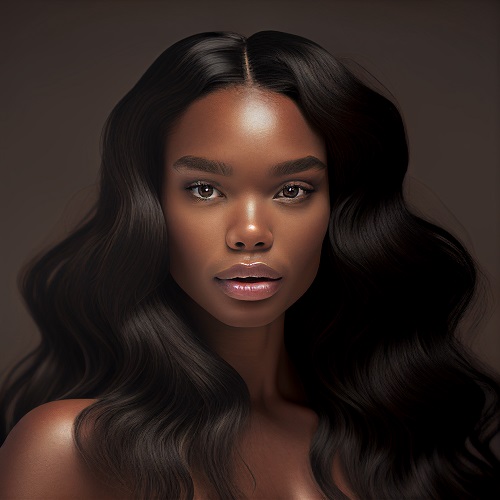
Keeping baby hairs on your lace front wig looking fab can be a bit of a challenge, but trust me, it’s so worth it! First things first, make sure you’re washing and conditioning your wig on the regular with gentle products made just for wigs. And let’s talk about styling: less heat, more love! Too much heat can leave those adorable baby hairs dry and brittle, and we don’t want that!
Here’s a pro tip for you: when working on your wig, use hair clips or pins to section it off, so you don’t accidentally harm those precious baby hairs. And lastly, grab a sharp scissor to snip away any split ends or stray strands around your hairline. Voilà! With these easy-peasy steps, you’ll rock stunning baby hair on your lace front wig for years to come!
FAQs On Baby Hair And How Is It Used On A Lace Front Wig
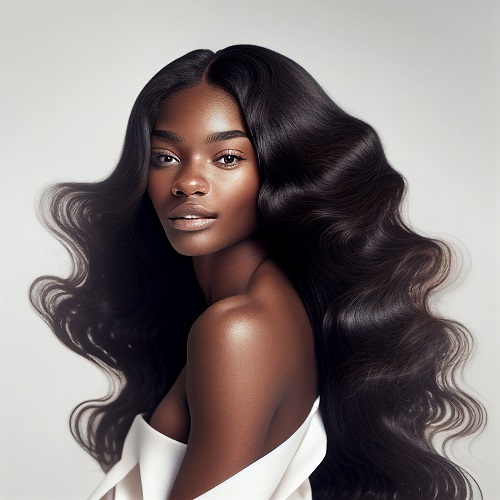
1. What are baby hairs on lace wigs?
Baby hairs on lace wigs are strands of human hair that are positioned around the hairline to create a more natural look. They’re usually finer and shorter than the rest of the wig, which helps them blend in with your own natural hair and create a seamless transition from your scalp to the rest of the wig.
2. How to make baby hairs on lace wigs?
Making baby hairs on a lace front wig is actually quite simple! Start by gathering together some small strands of baby hair from around your own natural hairline. Use either your fingers or some small hair clips to get the job done. Then, attach the strands securely to the front of the wig using either bobby pins or glue and trim them into shape with a pair of scissors.
3. Are baby hairs necessary on lace wigs?

Baby hairs on lace wigs are not strictly necessary, but they can really help to create a more natural and realistic look. If you’re looking for a wig that looks as close to your natural hairline as possible, then baby hairs are definitely worth the extra effort. Not only do they give the wig an incredibly realistic appearance, but they also provide a softer and more blended transition between the wig and your own natural hair.
4. How to style baby hairs on lace wigs?
When styling your baby hairs on a lace front wig, you’ll want to start by brushing the wig gently with a wide-tooth comb. This will help to ensure that all the strands of hair are lying in the same direction and tangle free. Then, use a small brush or comb to carefully separate and lift up each strand of hair where you’d like it to go.
5. How to cut baby hairs on lace wigs?
When trimming baby hairs on a lace front wig, be sure to use sharp scissors so that you don’t end up with uneven cuts. The hair should be trimmed gradually and in small sections, making sure to start at least 1-2 inches away from the part line. It’s important not to cut too much off at once as this can result in a choppy or uneven appearance.
6. How to customize baby hairs on lace wigs?
Customizing baby hairs on a lace front wig is an easy way to make the wig look even more natural and realistic. To add a bit of extra dimension to your style, try parting some of the baby hairs in the opposite direction or adding some subtle curls for a touch of texture.
7. How to maintain baby hairs on lace wigs?
If you want to keep your baby hairs looking pristine and natural, there are a few steps you can take. First, be sure to wash the wig regularly using a gentle shampoo and conditioner specifically designed for human hair wigs. This will help to keep the hair soft and manageable. Second, use a wide-tooth comb or brush to detangle the strands of baby hair without pulling or tugging.
8. How to remove baby hairs on lace wigs?
If you want to remove any excess baby hairs from your lace front wig, the best way is to use a pair of scissors and hair clips. You can use the clips to secure sections of the baby hair away from the rest of your wig, then carefully trim away the excess with your scissors. Depending on the type of hair you have on your wig, you may need to be extra careful when cutting the baby hairs to ensure you don’t cut away too much.
9. Do all lace wigs have baby hairs?

No, not all lace front wigs come with baby hairs. Generally speaking, human hair lace front wigs are the ones that come with pre-styled baby hairs already in place. Synthetic wigs don’t typically have natural-looking baby hairs, but you can still create a more realistic hairline by adding your own strand of baby hairs with either glue or a bonding agent.
10. How to choose the right baby hair color for lace wigs?
Choosing the right baby hair color for your lace wig can be a bit daunting, but it doesn’t have to be! If you want to achieve a truly natural look, go with a shade that is closest to your own natural hair color. For lighter strands, you can opt for highlights in shades of blonde or caramel. For darker hair types, try adding subtle streaks of black or brown for a more natural look.

