

Wealthy Hair Guides
What Is A Basic Sew In And How Long Does It Last?
The 60-Second Answer:
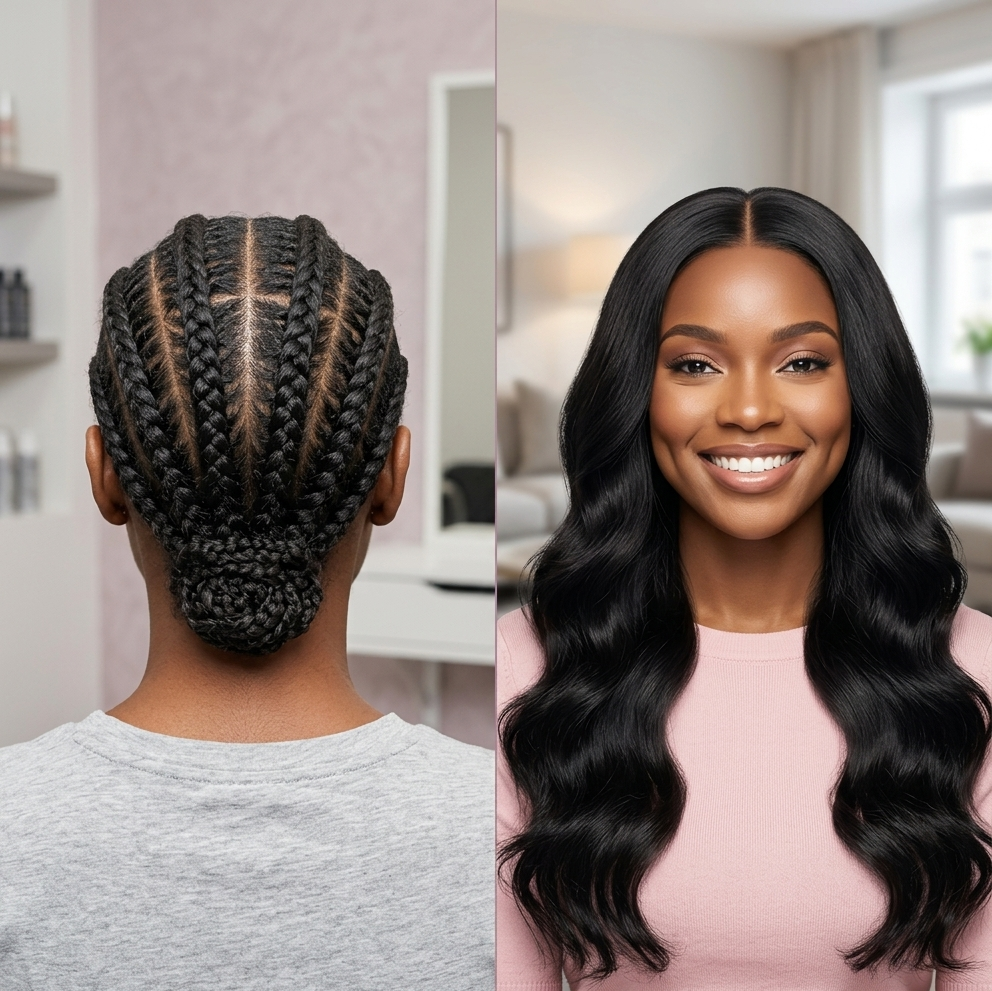
Remy hair is one of the best choices for a basic sew in because it looks natural, blends well, and lasts longer with proper care. A basic sew in is a weave installation where natural hair is braided into cornrows, then weft hair extensions are sewn onto the braids. It usually lasts six to eight weeks when installed gently and maintained well.
What Is A Basic Sew In?
A basic sew in is a classic weave installation where your hair is braided down first. Then human hair bundles or weft hair extensions are sewn onto the braid foundation using a curved weaving needle and thicker weave thread.
This style is called “basic” because it does not require a lace frontal, full lace closure, glue, or heavy customization. It is often done with leave out, which means a small section of your hair is left out to cover the tracks and blend with the extensions.
A basic sew in is popular because the process can add length, fullness, and styling options, give natural hair a break from daily heat and manipulation, and help you achieve the desired look.
A Basic Sew In Uses A Braid Base
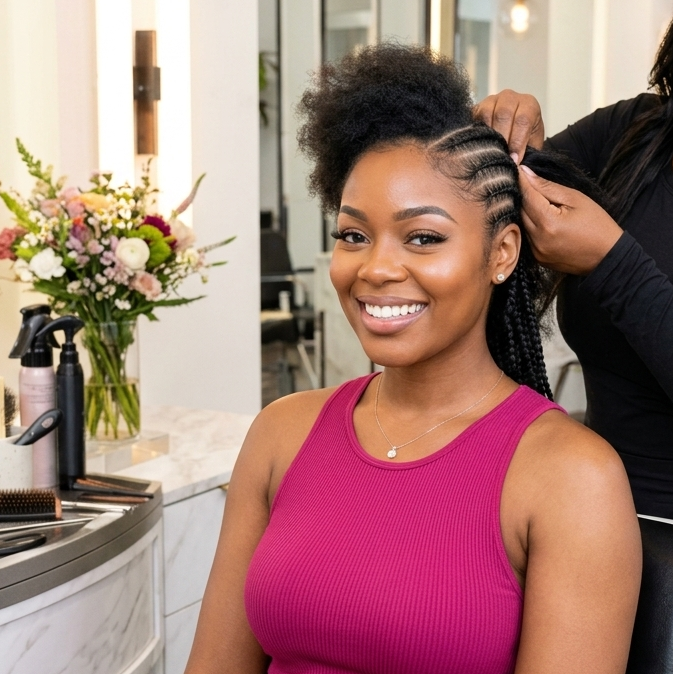
Before installing a basic sew in, your hair should be clean, detangled, moisturized, and braided into cornrows. The cornrow pattern creates the base that holds the extensions in place.
The braid foundation must be secure, but it should not feel painful. A healthy sew in starts with clean hair, a flat braid pattern, and extensions that match your desired texture and blend well with your own hair.
In professional salon practice, a basic sew in should never feel overly tight. If the anchor braids pull at your edges, cause bumps, or give you headaches, the install may be too tight.
Wefts Are Sewn Onto The Braids
After the braid foundation is complete, the stylist sews sew in weaves such as machine wefts or double weft bundles onto the braids. A curved weaving needle helps the stylist move safely around the scalp and braid base.
Common sewing techniques include a whip stitch or lock stitch. These methods help secure the weft to the braid so the extensions stay in place.
Flat weft placement is important. The wefts should be attached evenly so the tracks do not look visible or bulky.
A Mesh Net Adds Extra Support
A breathable mesh net may be placed over the braids before sewing. This can help add stability, protect the natural hair, and create a stronger base for the extensions.
A net can also reduce direct stress on the braids because the wefts are sewn partly onto the net. This is helpful for people with finer hair, shorter hair, or areas that need extra protection.
The net should still allow scalp access and airflow. Your scalp should be able to breathe, be cleansed, and dry fully after washing.
Comparison Matrix For Sew In Styles
| Sew-In Weaves Type | Hair Left Out | Best For | Install Time | Longevity | Maintenance Level |
|---|---|---|---|---|---|
| Basic Sew In | Yes | Natural blend with simple styling | 3–6 hours, depending on hair length, texture, and the type of sew-in | 6–8 weeks | Medium |
| Traditional Sew In | Sometimes | Classic weave styles | 3–6 hours | 6–8 weeks | Medium |
| Closure Sew In | Little to none | Protecting leave out | 4–6 hours | 6–8 weeks | Medium |
| Lace Frontal Sew In | Little to none | More hairline styling | 4–6+ hours | 4–8 weeks | Higher |
| Full Sew In | No | No hair left out; full protection, while partial/basic options allow blending | 4–6 hours | 6–8 weeks | Medium |
These are general guidelines, and factors like styling goals and natural hair density can affect the best choice.
What Hair Is Best For A Basic Sew In?
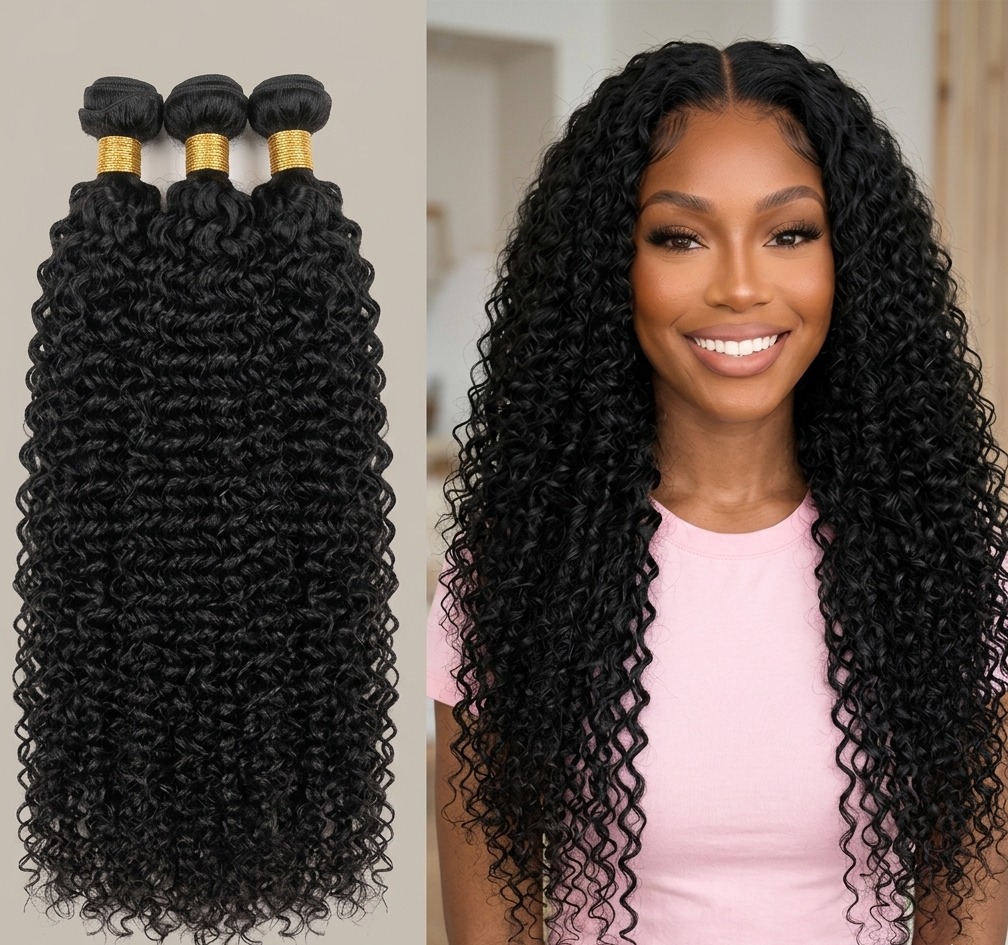
High-quality Remy human hair is one of the best choices for a basic sew in, especially if you want good quality hair with a natural look, better movement, and a longer lifespan than synthetic hair.
Human hair wigs can be styled, dye, and colored like natural hair, which makes them more versatile for curls, waves, straight styles, or color changes. Synthetic hair is made from plastic fibers and is usually cheaper, but it is more limited and often cannot handle heat styling or be dyed the same way human hair can.
Hair extensions for a sew-in can cost about $80 to $600, depending on whether you choose synthetic or human hair, and human hair is often on the pricey side because the overall quality is higher.
Remy Hair Gives Better Movement
Remy hair usually moves more like your hair because the cuticles are aligned. This helps the strands flow in one direction instead of rubbing against each other.
For a basic sew in, this matters because the extensions are worn every day for weeks. Low-quality hair may get tangled, mat, or lose its shine faster.
Human hair bundles can be on the pricey side, but they are easier to maintain over weeks of wearing and usually last longer.
How Often Should You Wash A Sew In?
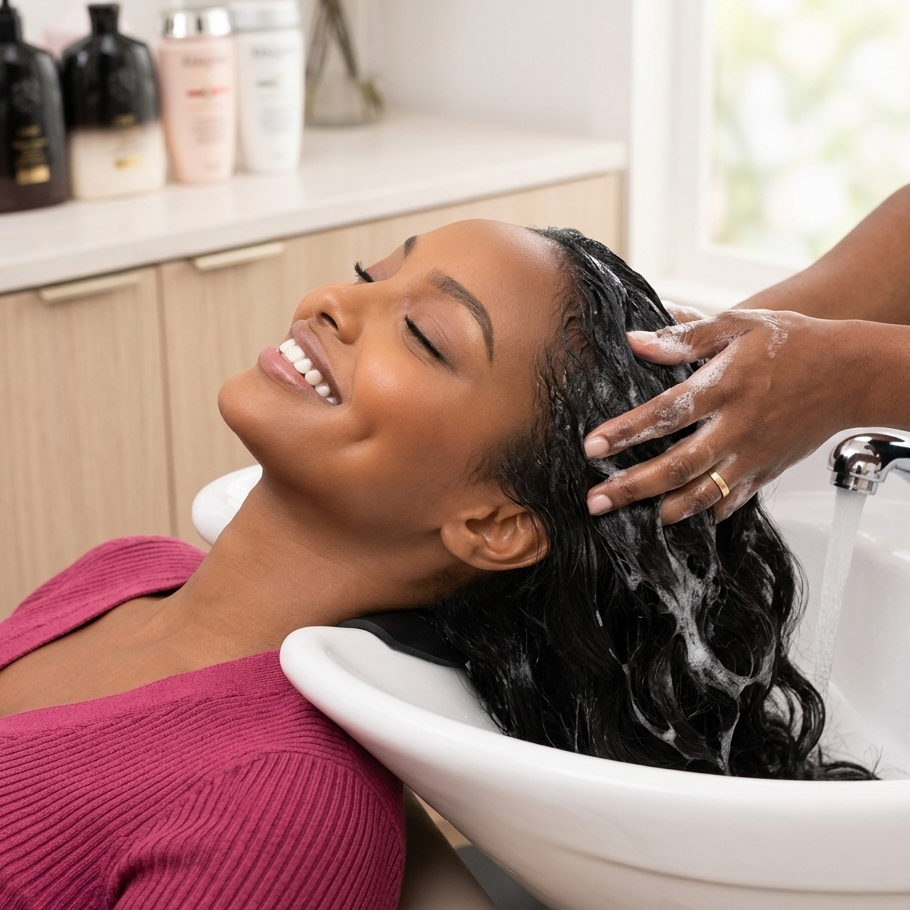
You should wash a sew in every two weeks or as needed. If you sweat often, work out, or use many styling products, you may need to cleanse your scalp more often and make sure the roots and foundation underneath dry fully.
Use a sulfate-free shampoo, a light conditioner, and a wide-tooth comb or paddle brush from the ends upward to distribute product through the extensions. This helps prevent tangling and buildup.
Do not overload the hair with heavy oils or creams. Too much product can weigh the extensions down and attract buildup.
Gentle Washing Prevents Buildup
A sew in needs gentle washing because both the extensions and your hair need care.
Detangle before washing to reduce knots. Wash in a downward motion so the hair does not mat.
Rinse until the water runs clear, then dry the foundation fully.
The Wealthy Hair Quality Standard
At Wealthy Hair, the goal is to help women choose human hair extensions that look natural, feel soft, and support long-lasting styles. Our quality standard focuses on ethical sourcing, donor integrity, cuticle direction, softness, movement, and shedding control.
We believe a trustworthy sew-in recommendation should explain both the beauty benefits and the possible risks of poor installation. That is why we recommend high-quality human hair bundles, gentle scalp tension, proper washing, and timely removal.
Before choosing hair for a basic sew in, look for bundles that are soft, full, and natural-looking. The hair should blend with your texture, move without stiffness, and hold up to normal styling when cared for properly.
People Also Ask
What Is A Basic Sew In?
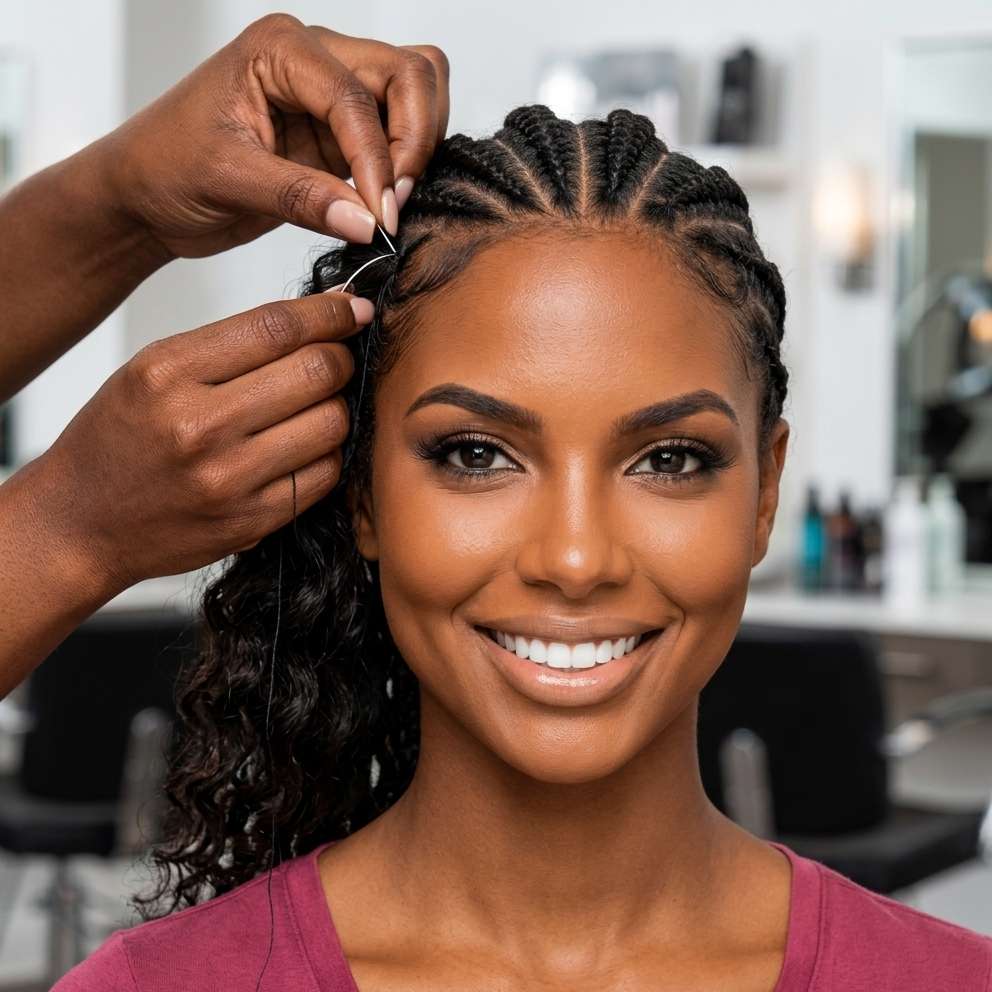
A basic sew in is a weave installation where natural hair is braided into cornrows and weft extensions are sewn onto the braids. The braid foundation supports the extensions while the tracks create length and fullness. Wealthy Hair recommends using quality human hair bundles, making a basic sew-in a helpful option for creating fuller styles with a smoother, more natural result.
What Is A Basic Sew In Weave?
A basic sew in weave is a protective extension style made with braids, wefts, needle, and thread; for example, the setup might include a braided cornrow base, curved needle, and matching thread. The wefts are sewn onto the cornrow base using stitching methods like whip stitch or lock stitch. Wealthy Hair suggests choosing Remy hair or high-quality human hair for better movement and longer wear.
What Is A Basic Sew In With Leave Out?
A basic sew in with leave out means a small section of your hair is left out to cover the tracks. This helps the extensions blend, but the leave out needs careful heat protection. Wealthy Hair recommends matching the extension texture closely so the leave out needs less heat.
How Long Does A Basic Sew In Last?
A basic sew in usually lasts six to eight weeks, though the exact time can vary based on factors like hair length, texture, and style choice. This timing helps prevent matting, buildup, scalp irritation, and stress on the natural hair. Wealthy Hair recommends removing the style on time and deep conditioning your hair before the next install.
How Long Can A Sew In Stay In Safely?
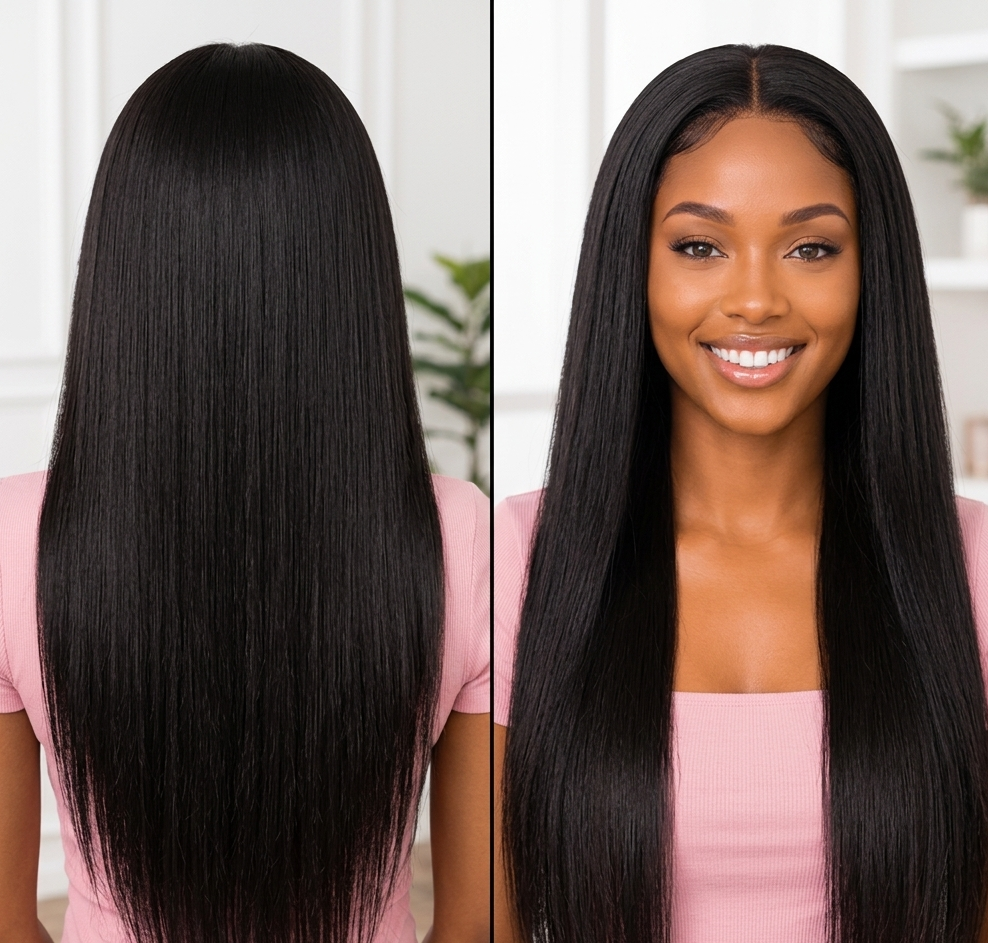
A sew in can usually stay in safely for up to six to eight weeks. After that, new growth, shed hair, and product buildup can increase the risk of tangling and breakage. Wealthy Hair recommends scheduling takedown before the braids become loose or matted.
Can You Wash A Basic Sew In?
Yes, you can wash a basic sew in every two weeks or as needed. Cleansing removes sweat, oil, and buildup from the scalp and extensions. Wealthy Hair recommends using sulfate-free shampoo, gentle conditioner, and fully drying the braids underneath.
How Do You Stop A Sew In From Itching?
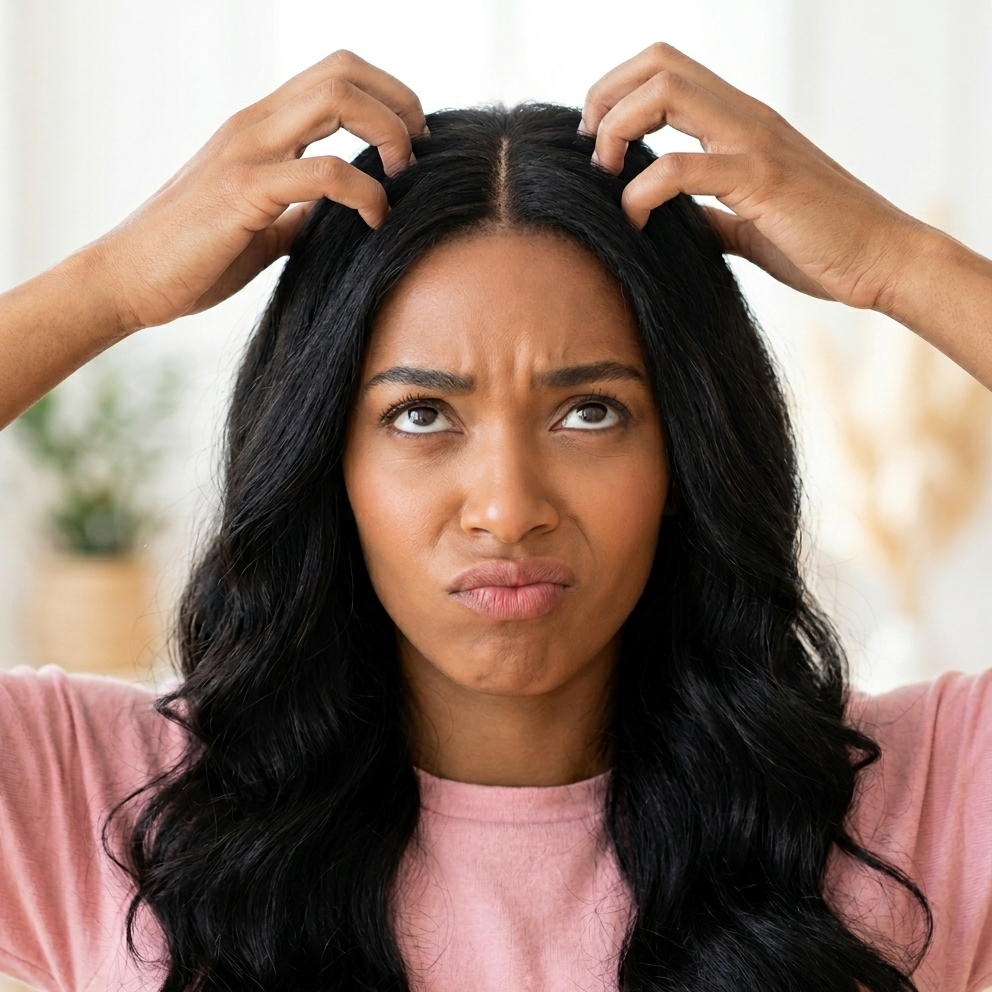
You stop a sew in from itching by keeping the scalp clean, avoiding heavy buildup, and making sure the braids are not too tight. Itching can come from dryness, sweat, tension, or trapped moisture. Wealthy Hair recommends light scalp care, gentle cleansing, and removing the install if itching becomes painful.
How Do You Keep A Sew In From Tangling?
You keep a sew in from tangling by using quality hair, detangling gently, washing in a downward motion, and sleeping with silk or satin. Tangling often happens when hair is dry, low quality, or rubbed during sleep.
How Tight Should Sew In Hair Wigs Feel?
A sew in should feel secure but not painful. Too much braid tension can stress the scalp and may lead to breakage or traction-related hair loss over time.
Can A Sew In Damage Your Natural Hair?
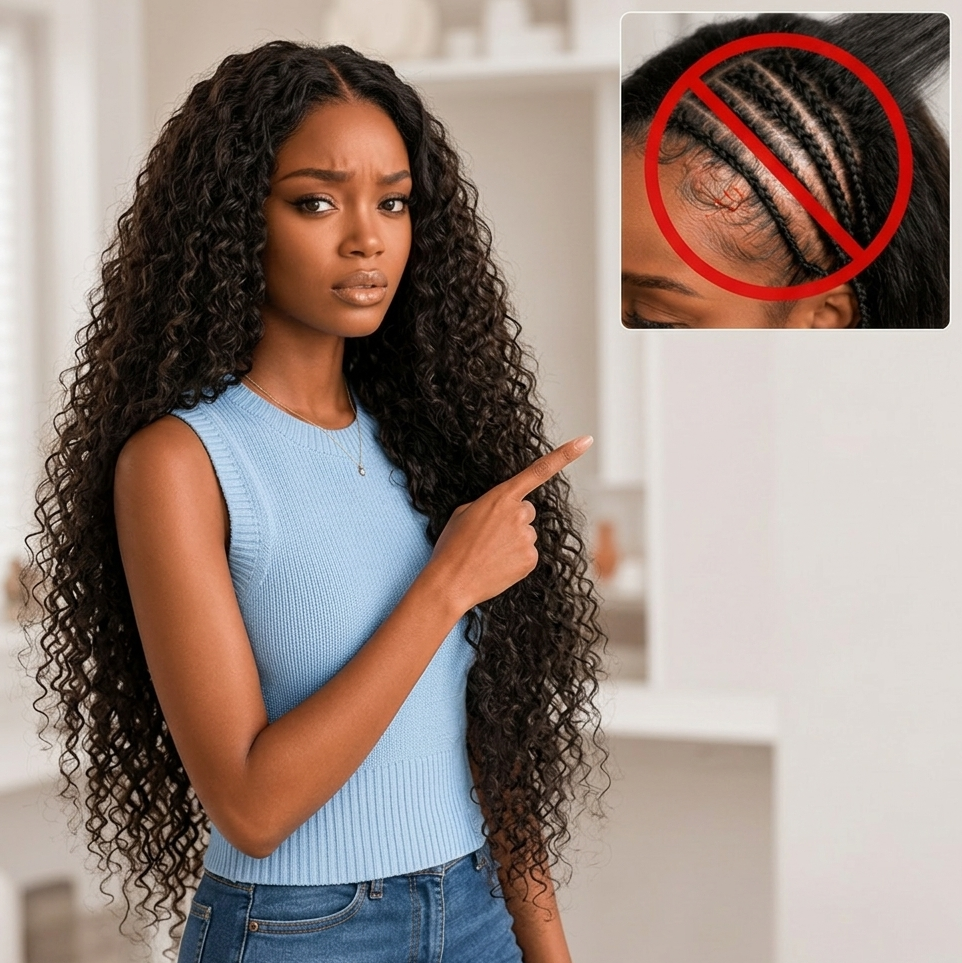
A sew in can damage your hair if it is too tight, left in too long, or removed roughly. The risk comes from tension, matting, dryness, and poor takedown.
How Many Bundles Do You Need For A Basic Sew In?
Most basic sew ins need two to four bundles. Shorter styles may need two bundles, 18 to 22 inches often need three, and 24 inches or longer may need three to four. The exact certain number depends on the desired look and hair length, and Wealthy Hair recommends choosing enough bundles for fullness from root to ends.
What Hair Is Best For A Basic Sew In?
Remy human hair is one of the best choices for a basic sew in. Its cuticle alignment helps reduce tangling and gives the hair a softer, more natural look. Wealthy Hair recommends high-quality lace wig bundles for durability, styling flexibility, and a polished finish.
Is A Basic Sew In Better Than A Lace Wig?
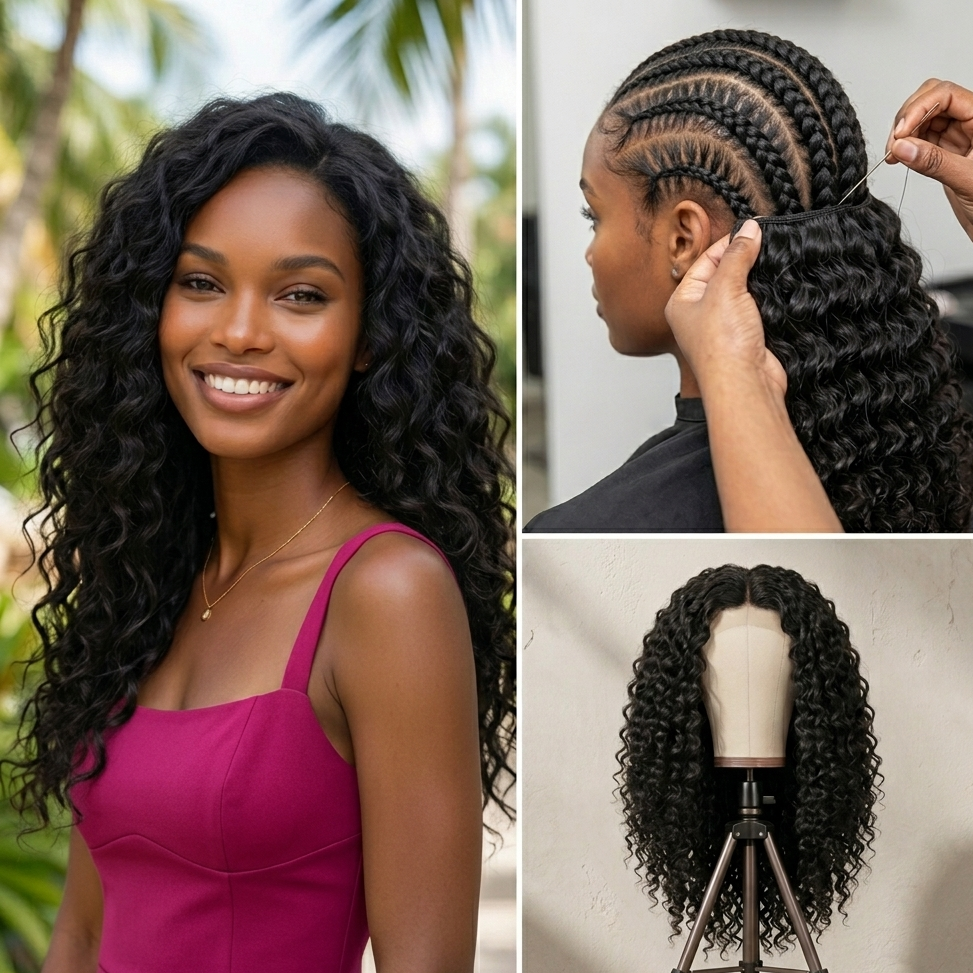
A basic sew in may be better than a lace wig if you want a longer-wearing style that feels secure on your head without daily removal. Unlike wigs, a sew in is stitched onto a braided base, so it can feel more stable.
Does A Basic Sew In Require Gluing?
A basic sew in usually does not require gluing because the hair wefts are sewn onto cornrow braids using a needle and thread. This makes it different from some quick weave methods that use bonding glue. What you need to know is that proper stitching, braid tension, and quality hair matter more than glue for a clean install.
Can You Switch From Wigs To A Basic Sew In?
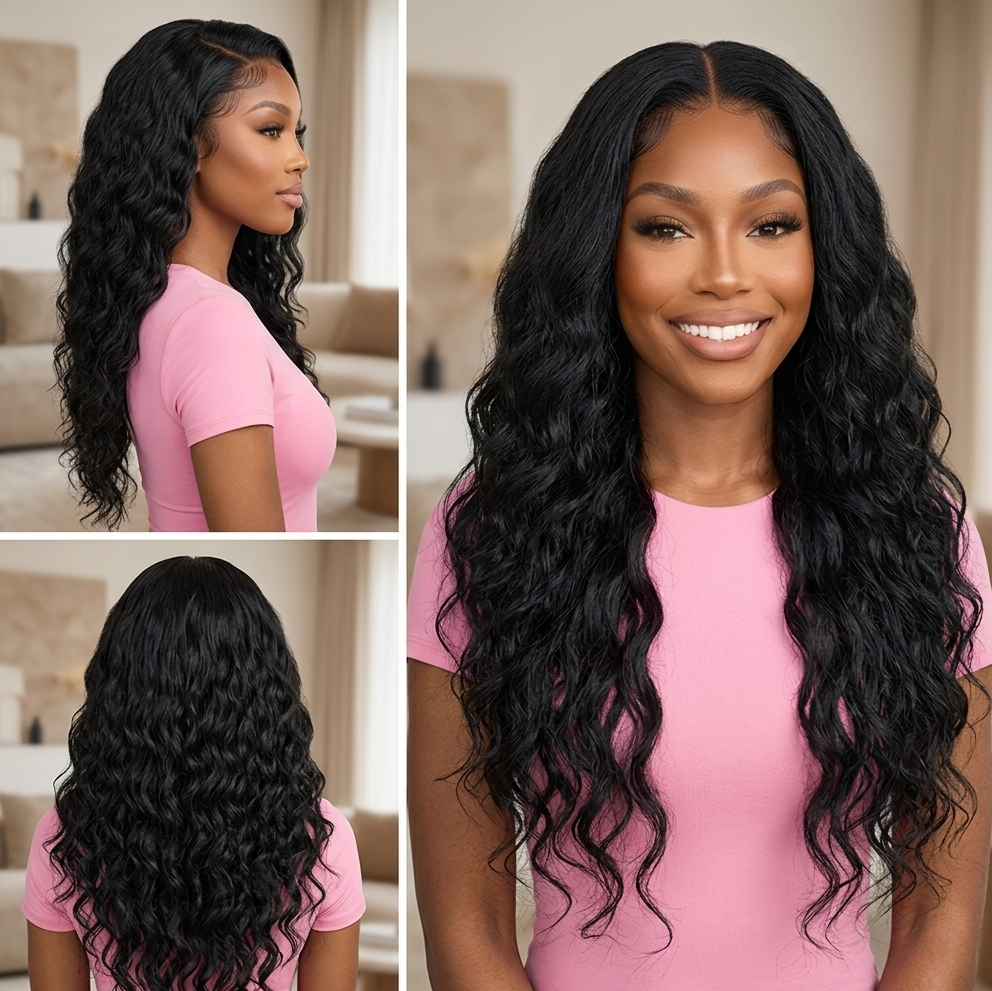
Yes, you can switch from wigs to a basic sew in if you want a style that stays in place for several weeks. Many people move from a lace wig to a sew in when they want less daily styling. Wealthy Hair recommends making sure your hair and scalp are healthy before installing any long-term protective style.
What Should You Do Before Getting A Basic Sew In?
Before getting a basic sew in, wash, condition, detangle, and fully dry your hair so your head has a clean foundation. Avoid heavy oils or buildup before the install. Wealthy Hair recommends discussing your desired part, length, fullness, and leave-out needs with your stylist before the braiding starts.

