

Hair Care For Black Women
4B Hair Type: Everything You Need To Know
The 60-Second Answer
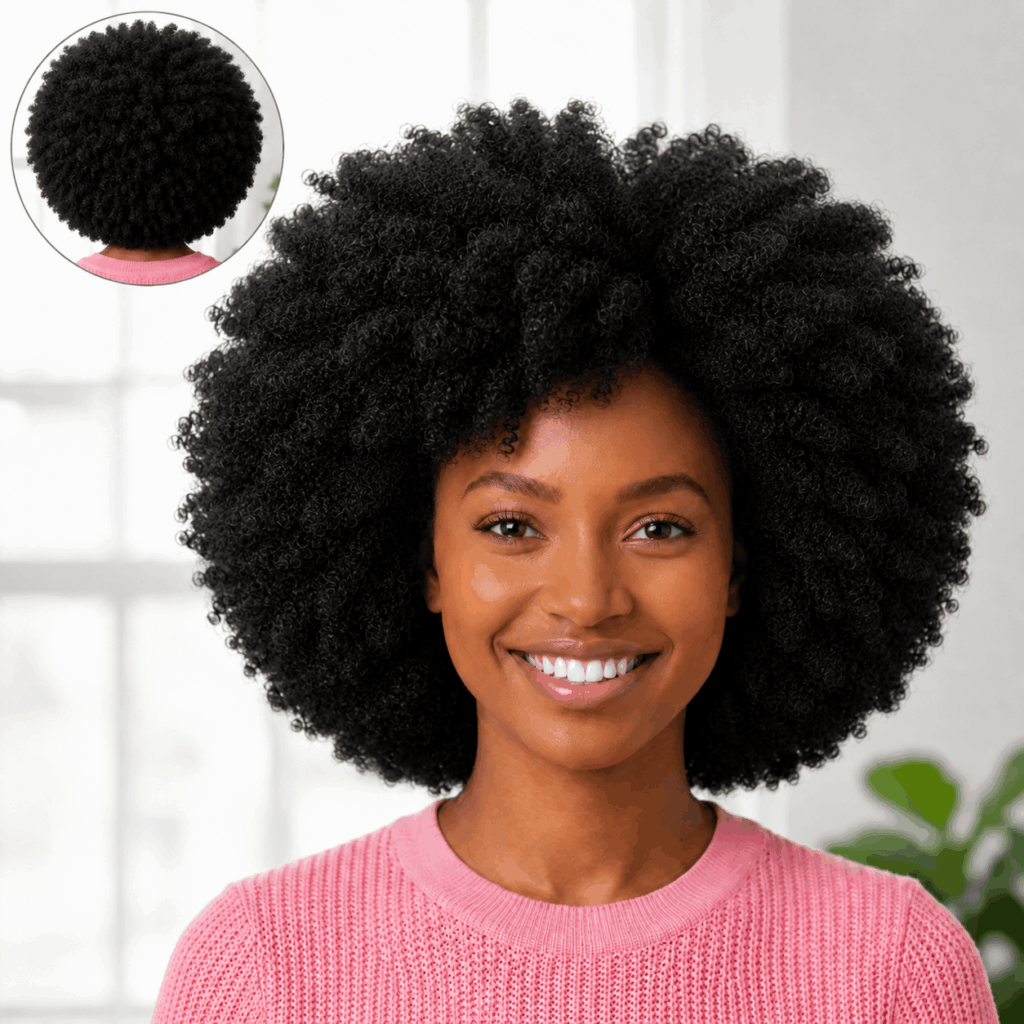
4B hair is a type 4 natural hair pattern with tight Z-shaped bends, fluffy volume, and high shrinkage. It often feels cottony, dense, or wiry and needs moisture, gentle detangling, and low-tension styling. The best 4B hair routine includes sulfate-free cleansing, deep conditioning, the LOC method, protective styles, and nighttime satin protection.
What Is 4B Hair Type?
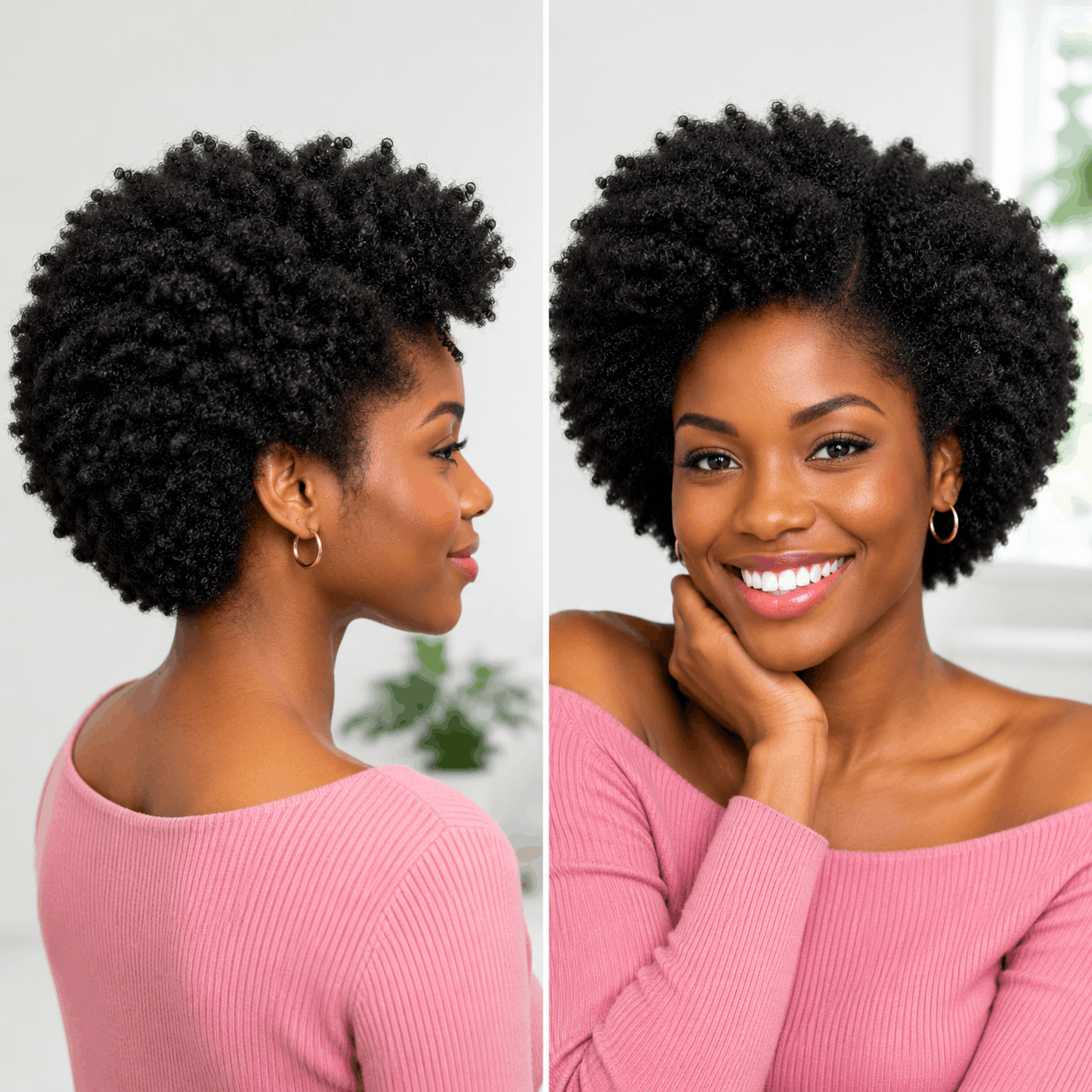
4B hair type is a natural hair texture with tight, sharp bends that form a Z-shaped curl pattern. Unlike 4A hair, which usually has more visible S-shaped coils, 4B curls look more zig-zagged, fluffy, and less defined.
This hair type can be dense, soft, cottony, wiry, fine, medium, or coarse. The texture depends on strand thickness, hair density, porosity, and elasticity. So, not all 4B hair feels the same.
In my professional experience with textured hair clients, 4B hair needs moisture, gentle handling, and low-tension styling to stay healthy. It can thrive when your routine supports hydration, detangling, protective styling, and regular trims.
What Does 4B Hair Look Like?
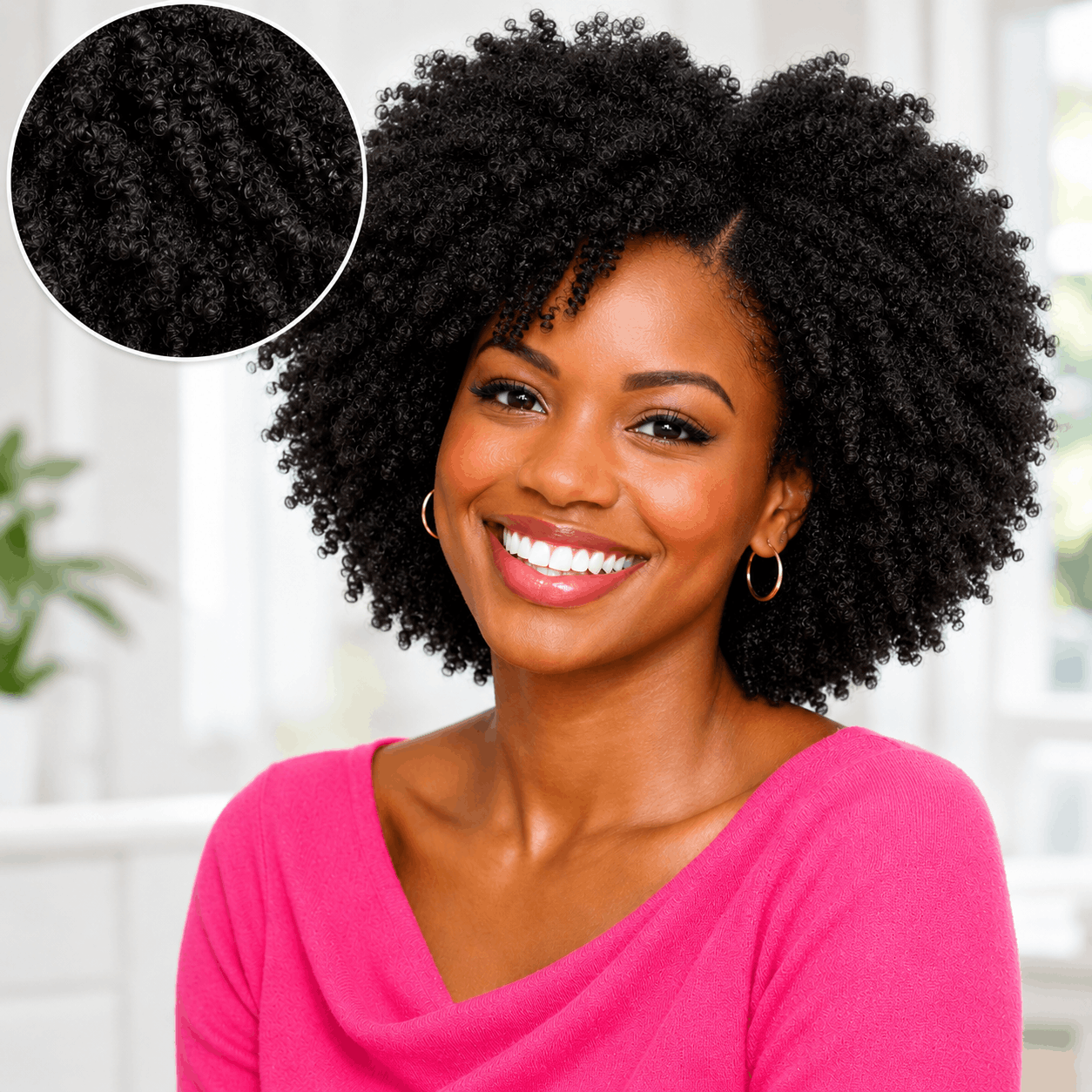
4B hair usually looks fluffy, full, and tightly packed. The curls may not form clear ringlets on their own. Instead, the strands bend in sharp angles and create a cloud-like shape.
4B hair can shrink up to 50% to 75% of its actual length when dry. This means your natural hair may look much shorter than it really is. Shrinkage is not bad. It is often a sign that your curls still have elasticity.
Because the curls are tightly shaped, 4B hair can tangle easily. Single-strand knots, dry ends, frizz, and breakage are common when the hair is not moisturized or stretched gently.
4B Hair Shrinks Because It Is Elastic
Shrinkage happens because 4B curls have tight bends that pull the hair upward as it dries. Water stretches the hair temporarily, but once the strands dry, they spring back into their natural shape.
This is why stretched hairstyles can help show more length. Braid-outs, twist-outs, banding, African threading, blow-drying on low heat, and roller sets can reduce shrinkage without forcing the hair straight.
Shrinkage management should be gentle. Avoid pulling the hair too hard or using high heat often, because heat damage can weaken the cuticle layer and reduce natural curl recovery.
4B Hair Can Be Fine Or Coarse
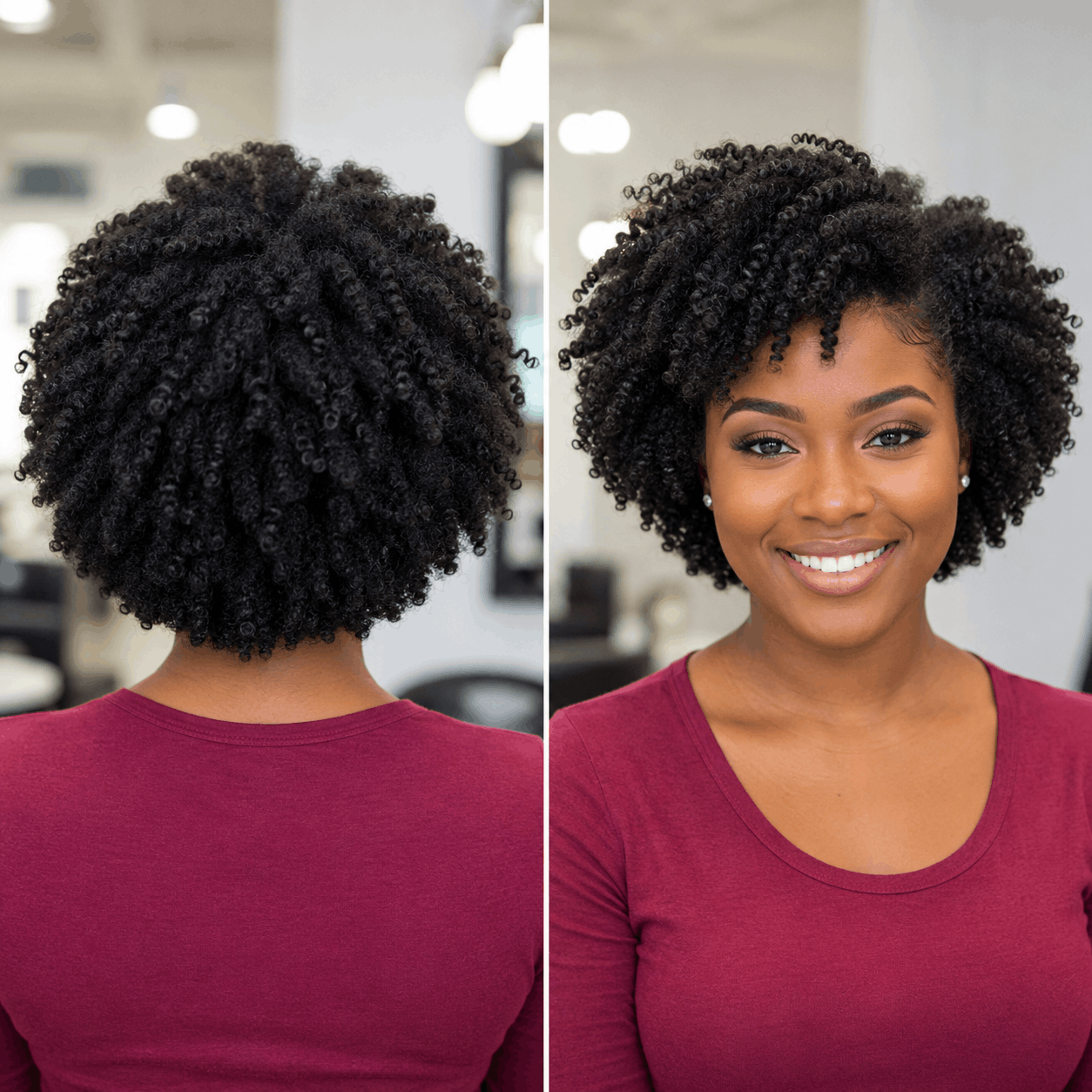
4B hair is not always coarse. Some people have fine 4B hair with thin strands, while others have medium or coarse strands. Hair type describes the curl pattern, not the strand size.
Strand thickness means how wide each individual hair strand is. Hair density means how many strands grow from the scalp. A person can have fine 4B hair with high density, or coarse 4B hair with lower density.
This matters because fine 4B hair often needs lighter products, while coarse 4B hair may need richer creams and butters. Knowing your strand thickness helps you choose better products.
4A, 4B, And 4C Hair Differ Clearly
| Hair Type | Curl Pattern | Shrinkage Level | Common Feel | Best Care Focus |
|---|---|---|---|---|
| 4A Hair | Small S-shaped coils | Medium to high | Springy and defined | Curl definition and moisture |
| 4B Hair | Tight Z-shaped bends | High | Fluffy, cottony, or wiry | Moisture, slip, and gentle styling |
| 4C Hair | Very tight coils with less visible pattern | Very high | Dense, soft, or compact | Stretching, hydration, and low manipulation |
| Mixed Type 4 Hair | Blend of 4A, 4B, and 4C | Varies | Different textures in sections | Section-by-section care |
4B hair sits between 4A and 4C hair. It usually has less definition than 4A hair but more visible bends than 4C hair. Many people have more than one curl pattern on their head, so your crown, edges, nape, and sides may behave differently.
4B Hair Styles Work Best With Low Tension
4B hair can be styled in many beautiful ways at home. The safest styles protect the ends, reduce daily manipulation, and avoid pulling on the scalp.
Good options include braid-outs, twist-outs, wash-and-go styles, Bantu knots, puff updos, layered Afros, box braid bobs, mini twists, flat twists, and knotless box braids. Protective styling reduces daily manipulation and helps manage shrinkage.
Tight protective styles should never cause scalp pain, bumps, headaches, or pulling around the edges. If a style hurts, it is too tight.
Braid-Outs Stretch 4B Hair
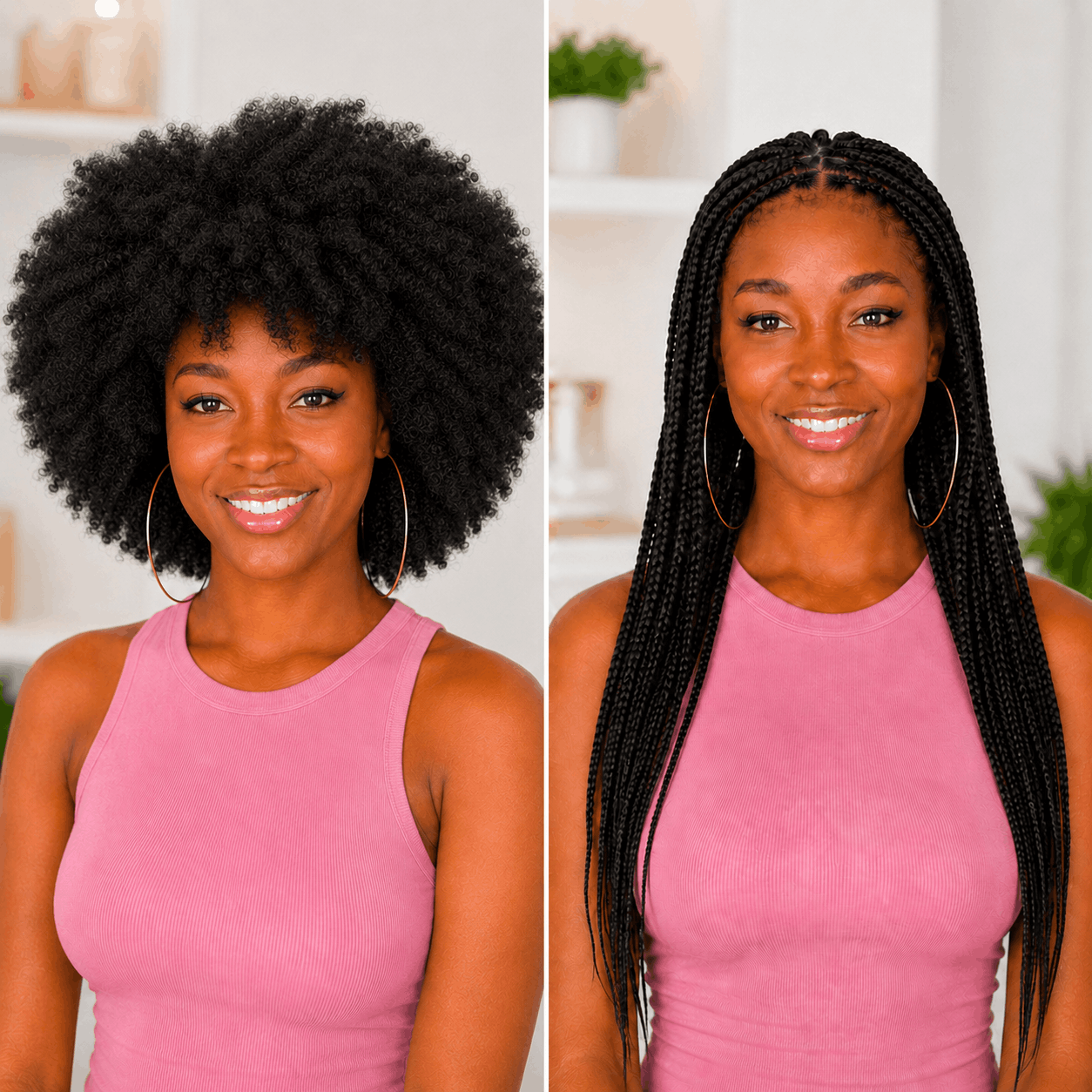
Braid-outs are a great way to stretch 4B hair and create a more defined pattern. Start with damp, conditioned hair and apply leave-in conditioner, oil, and curl cream.
Section the hair, braid each section, and let it dry fully. Once dry, gently take down the braids with oil on your fingers to reduce frizz.
Braid-outs work best when the hair is completely dry before takedown. If you take the braids down too early, the style may become puffy or frizzy.
Twist-Outs Define 4B Curls
Twist-outs give 4B curls more shape, body, and soft definition. Start with damp hair, apply styling cream, and create two-strand twists in small or medium sections.
Let the twists air dry or sit under a hooded dryer for 20 to 30 minutes if needed. Separate gently once dry.
For best results, do not over-separate the twists. Too much touching can create frizz and reduce definition.
Wash-And-Go Styles Need Gel And Water
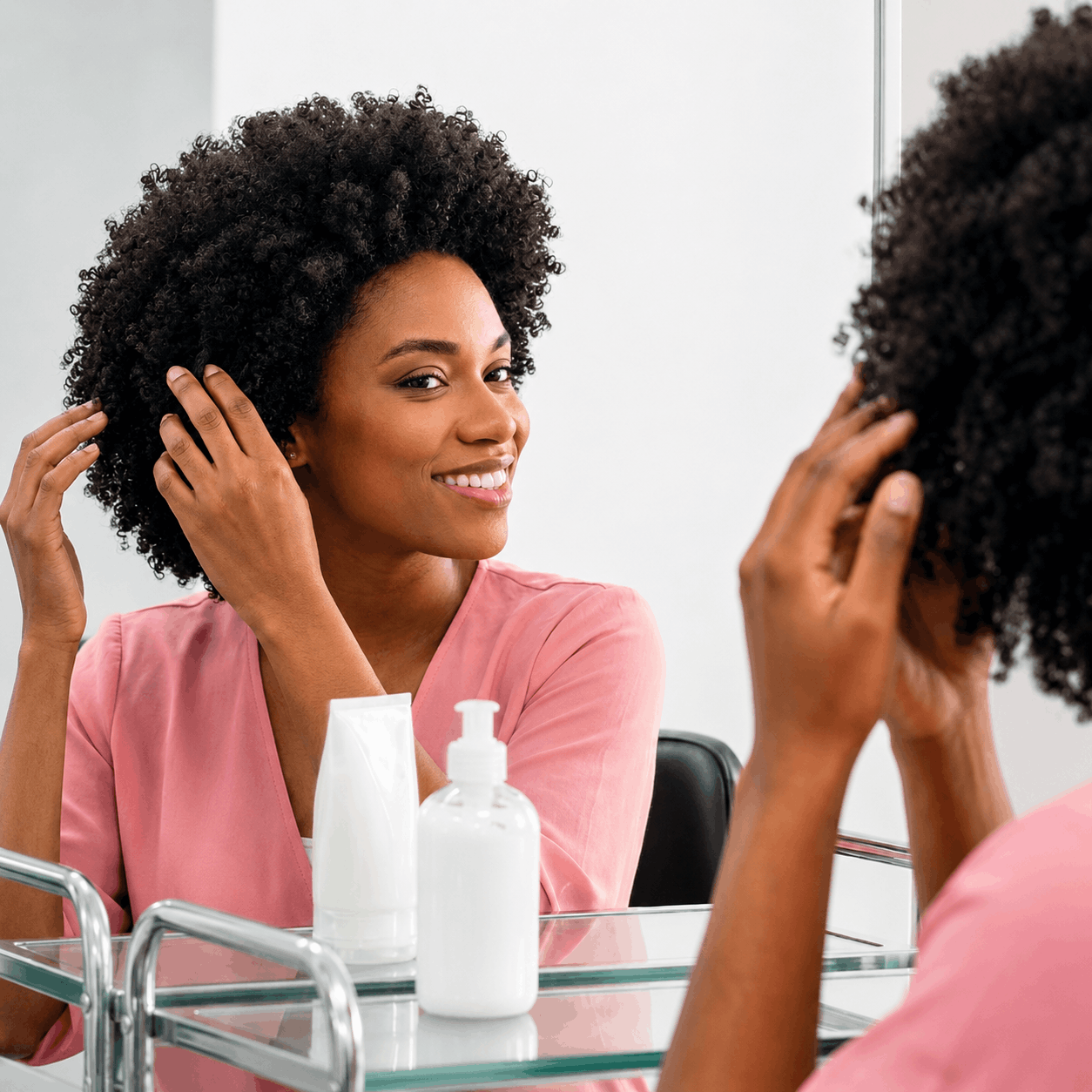
Yes, 4B hair can do wash-and-go styles, but the result may look fluffy instead of super defined. That is normal because 4B hair has a zig-zag pattern, not always a round curl pattern.
To do a wash-and-go, apply leave-in conditioner and curl-defining cream on soaking wet hair. Add styling gel in sections and smooth it through with your fingers.
Air dry or use low-heat diffusing. Avoid touching the hair while it dries because this can cause frizz.
Layered Afros Reduce Tangling
Layered Afros are a simple but effective hairstyle for 4B hair. Layers allow the coils to unfurl, create shape, and reduce heavy bunching at the ends.
This style shows off natural volume while making the hair easier to manage. It can also reduce tangling because the hair falls in a more balanced shape.
A professional trim can help shape a layered Afro without removing too much length. Regular trims also stop split ends from traveling up the hair shaft.
Bantu Knots Protect 4B Hair
Bantu knots are a stunning protective style for 4B hair. They keep the ends tucked, reduce daily manipulation, and are easy to maintain.
They can also create a beautiful knot-out when removed. Use a moisturizing cream before styling and avoid twisting too tightly at the scalp.
Bantu knots should feel secure, not painful. Pain, bumps, or scalp tightness are signs of too much tension.
Box Braid Bobs Are Low Maintenance
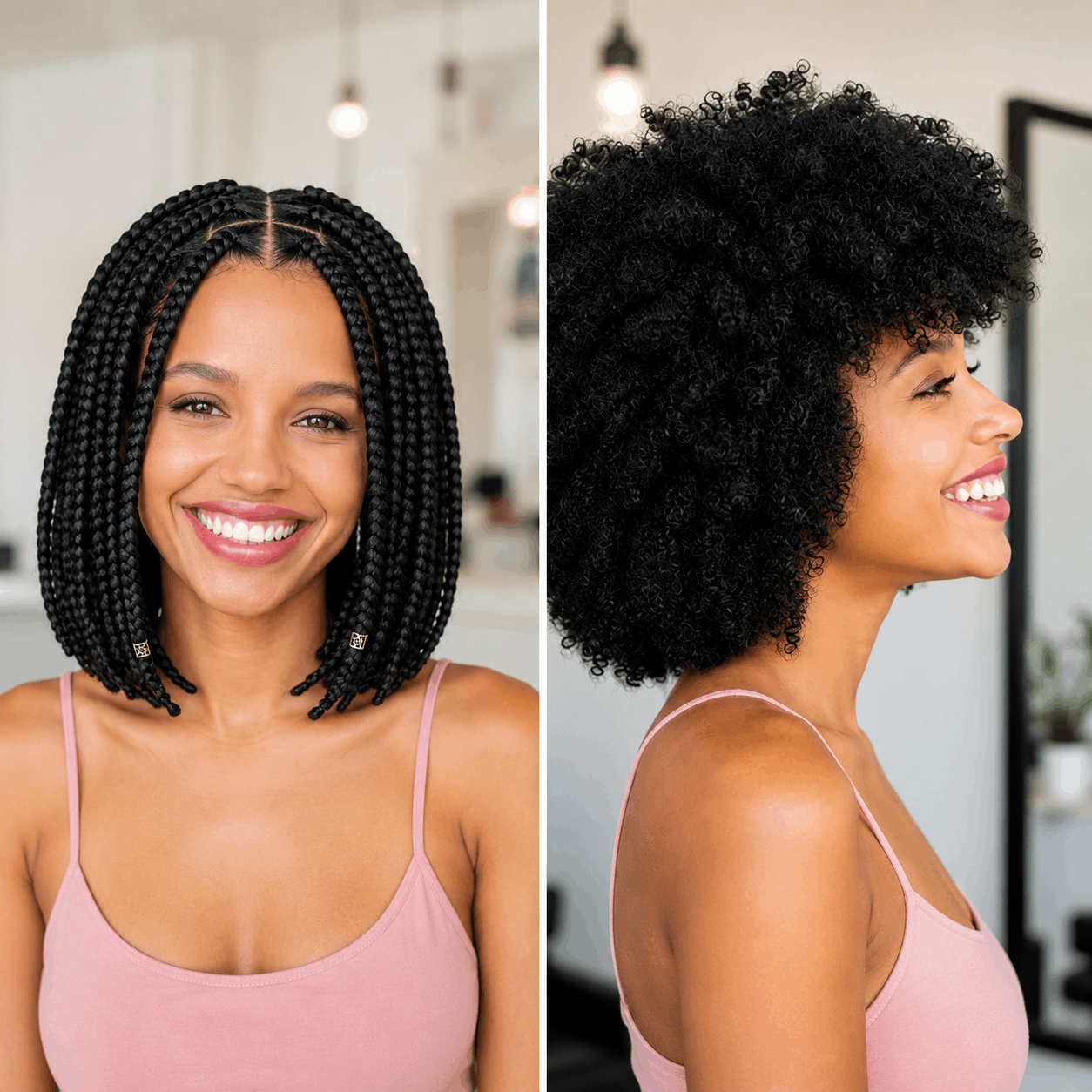
Box braid bobs are a trendy protective style for 4B hair types. They combine style with low maintenance and make it easier to protect the ends.
A shorter braid bob can feel lighter than long box braids. This helps reduce tension on the scalp and edges.
Choose medium or lightweight braids when possible. Heavy braids can pull on fragile strands and increase breakage.
Puff Updos Show Natural Texture
Puff updos are a classic hairstyle for 4B hair. They show off natural texture and are great between wash days.
Use a soft band, satin scrunchie, or gentle hair tie. Avoid tight elastic bands that pull at the edges.
Refresh the puff with water, leave-in conditioner, and a small amount of oil or cream. This keeps the hair soft and reduces breakage.
Perm Rod Sets Create Ringlets
Perm rod sets can create larger ringlets in 4B hair. They enhance the curl pattern and give a polished look without direct heat.
Start with damp, detangled hair. Apply setting foam or curl cream, then wrap small sections around perm rods.
Let the hair dry fully before removing the rods. A hooded dryer on low or medium heat can help, but always protect the hair from too much heat.
Night Care Prevents Moisture Loss
The best nighttime routine for 4B hair includes moisture, protection, and low friction. Use a satin bonnet, silk scarf, or satin pillowcase before sleeping.
Cotton pillowcases can absorb moisture and rough up the cuticle layer. Satin and silk help reduce friction, dryness, tangling, and frizz.
You can also use the pineapple method for stretched styles. Gather the hair loosely at the crown and protect it with satin.
Heat Should Be Used Carefully
4B hair can handle heat when it is used safely, but frequent high heat can cause damage. Heat damage weakens the cuticle, reduces elasticity, and may loosen the natural curl pattern.
Use heat protectant every time. Keep blow dryers on low or medium heat, and avoid using flat irons too often.
If you straighten 4B hair, use small sections and avoid repeated passes. The safest approach is to use low heat and stretch the hair gently.
Transitioning To 4B Hair Takes Patience
Transitioning to natural 4B hair means growing out relaxed or chemically treated hair while caring for two textures. The line where relaxed hair meets natural hair is fragile and can break easily.
Use low-manipulation styles, regular deep conditioning, and gentle detangling. Get trims as needed to slowly remove damaged or relaxed ends.
Embrace your wiry textured hair, cottony texture, and natural curl pattern. Healthy 4B hair does not need to be perfectly defined to be beautiful, manageable, or well cared for.
Common 4B Hair Problems And Solutions
| Problem | Why It Happens | Best Solution |
|---|---|---|
| Dryness | Scalp oils do not travel easily down tight coils | Use leave-in conditioner, cream, and sealant oil |
| Breakage | Dryness, rough detangling, and weak bend points | Detangle wet with slip and use low-tension styles |
| Shrinkage | Tight Z-shaped curls spring upward when dry | Try braid-outs, twist-outs, banding, or stretched styles |
| Frizz | Dry cuticle, touching wet hair, or product mismatch | Use gel on wet hair and reduce handling while drying |
| Product Buildup | Heavy creams, silicones, oils, or gels collect on strands | Clarify occasionally and use lighter layers |
| Tangling | Tight coils wrap around each other | Work in sections and keep ends moisturized |
| Weak Edges | Tight styles, heavy braids, and harsh brushing | Choose tension-free styling and avoid tight edge control |
| Dullness | Coated hair or lack of moisture balance | Clarify, deep condition, and seal with light oil |
Wealthy Hair Quality Standard
At Wealthy Hair, healthy hair education is built on trust, safe care, and quality control. Whether we are teaching natural hair care or helping clients choose human hair wigs, we focus on donor integrity, cuticle health, and gentle handling. For human hair extensions and wigs, premium quality means aligned cuticles, strong tensile strength, careful sourcing, and non-acid-washed processing whenever possible to protect the hair fiber. For natural 4B hair, that same standard means protecting the scalp barrier, respecting the curl pattern, and choosing routines that reduce breakage instead of hiding it.
People Also Ask
Are Bantu Knots Good For 4B Hair?
Yes, Bantu knots are a beautiful protective style for 4B hair because they help reduce daily manipulation and support healthy hair growth. This style works well for a coily hair type because it keeps the hair strands tucked and protected while helping the hair retain moisture. Adding natural oils like coconut oil or castor oil can also help seal in hydration before styling.
Why Is 4B Hair So Fragile?
4B hair is fragile because its tight Z-shaped pattern has sharp bends where the hair strands can become weak and break. In the hair typing system, 4B hair is known for its fluffy, zig-zag texture, which can make it more prone to dry hair and snapping. A gentle hair care routine with a deep conditioner, and shea butter can help protect the hair.
How Should You Wash 4B Hair?
You should wash 4B hair in sections to reduce tangles and make cleansing easier. Since this coily hair type can shrink and knot quickly, sectioning helps protect the hair strands while keeping the scalp clean. A moisturizing, sulfate-free cleanser is best because it helps retain moisture without stripping away natural oils.
How Often Should You Deep Condition 4B Hair?
4B hair should usually be deep conditioned once a week to restore moisture and keep the hair soft. A rich deep conditioner with ingredients like shea butter, essential oils, or castor oil can help reduce dry hair and support healthy hair growth. This step is especially important for 4B hair textures because they lose moisture quickly.
How Do You Detangle 4B Hair Without Breakage?
Detangle 4B hair only when it is wet and fully coated with a slippery conditioner. This helps the hair strands glide apart instead of snapping, which is important because 4B hair can be delicate at the bends of the curly pattern. Gentle detangling should be a regular part of your natural hair care routine to prevent frizzy hair and breakage.
Why Should You Sleep With A Satin Or Silk Bonnet?
Sleeping with a satin or silk bonnet helps 4B hair retain moisture overnight. Cotton pillowcases can pull natural oils from the hair and create friction, which may lead to dry hair, frizzy hair, and breakage. A satin bonnet or pillowcase helps protect your natural hair strands and keeps your style looking fresh longer.
Should 4B Hair Avoid Silicone Products?
Yes, 4B hair should generally avoid heavy silicone products unless you use a sulfate shampoo to remove buildup. Silicone can coat the hair strands and block moisture from entering, which may cause dry hair over time. For healthier hair textures, choose products with shea butter, or essential oils that help retain moisture.
Is The LOC Method Good For 4B Hair?
Yes, the LOC method is great for 4B hair because it layers moisture in a simple way: leave-in conditioner, oil, then cream. This method helps 4B hair retain moisture, reduce frizzy hair, and become easier to manage. Oils like coconut oil, castor oil, and other natural oils can work well with a cream that contains shea butter.
What Shampoo Is Best For 4B Hair?
A moisturizing sulfate-free shampoo is best for 4B hair because it cleans the scalp without stripping away natural oils. Look for shampoos with emollients that soften the hair strands and help prevent dry hair. This type of cleanser supports a healthy hair care routine for coily hair type textures.
Why Does 4B Hair Shrink So Much?
4B hair shrinks because its tight Z-shaped curls coil back toward the scalp as they dry. In the hair typing system, 4B hair can shrink up to 50–75% of its actual length, making it look much shorter than it really is. Moisture-rich products, deep conditioner, and protective styling can help manage shrinkage.
What Does 4B Hair Look Like?
4B hair has a Z-shaped pattern that looks fluffy, dense, and less defined than 4A hair. This coily hair type often has a cotton-like appearance and can vary across different hair textures. Because the pattern is tight, the hair strands need moisture from shea butter, coconut oil, and other natural oils to stay soft.
How Can You Reduce Frizz In 4B Hair?
You can reduce frizzy hair by using the LOC method, deep conditioning weekly, and avoiding harsh products that strip moisture. 4B hair needs products that help retain moisture, such as a deep conditioner, shea butter, castor oil, coconut oil, and essential oils. Keeping the hair hydrated makes the curls easier to manage.
Are Sulfate-Free Cleansers Good For 4B Hair?
Yes, sulfate-free cleansers are recommended for 4B hair because they clean the scalp without removing too much moisture. Since 4B hair textures can become dry quickly, gentle cleansing helps retain moisture and protect the hair strands. This is an important step in a healthy hair care routine for textured hair.
Do Twist-Outs And Braid-Outs Work Well On 4B Hair?
Yes, twist-outs and braid-outs work very well on 4B hair because they help stretch the hair and create more curl definition. These styles can reduce shrinkage while making the coily hair type easier to manage.
How Do Protective Styles Help 4B Hair?
Protective styles help 4B hair by reducing daily manipulation, managing shrinkage, and protecting fragile hair strands. Styles like Bantu knots, twists, braids, and updos can help retain moisture and support healthy hair growth. When combined with a good hair care routine, protective styling can keep 4B hair softer, stronger, and easier to maintain.

