

Wealthy Hair Guides
How to Take Care Of Hair Extensions: The Ultimate Guide
The 60-Second Answer
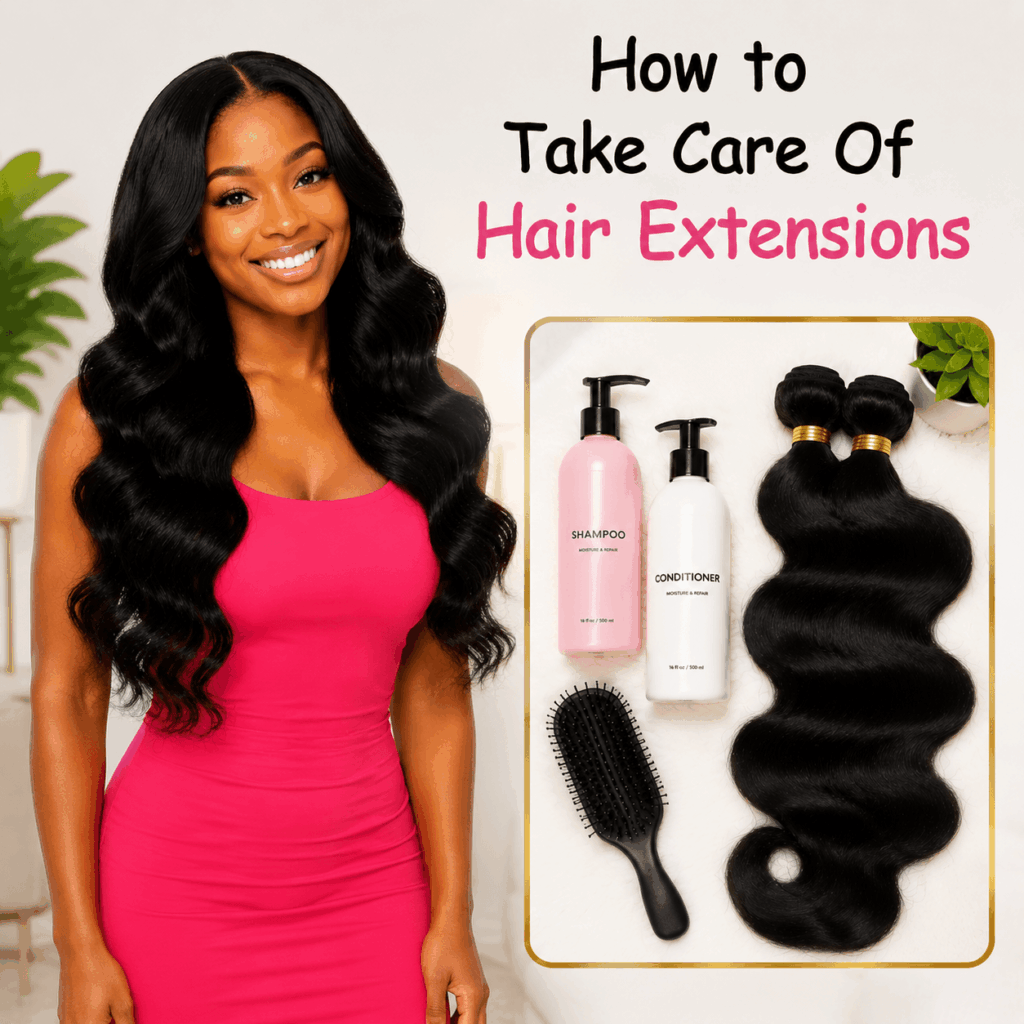
How to take care of hair extensions starts with gentle brushing, sulfate-free washing, low-heat styling, and proper nighttime care. Always detangle from the ends upward, wash only when needed, apply conditioner from mid-length to ends, and protect the hair with silk, satin, and heat protectant to reduce tangling, shedding, dryness, and matting.
Why Hair Extensions Need A Smarter Care Routine
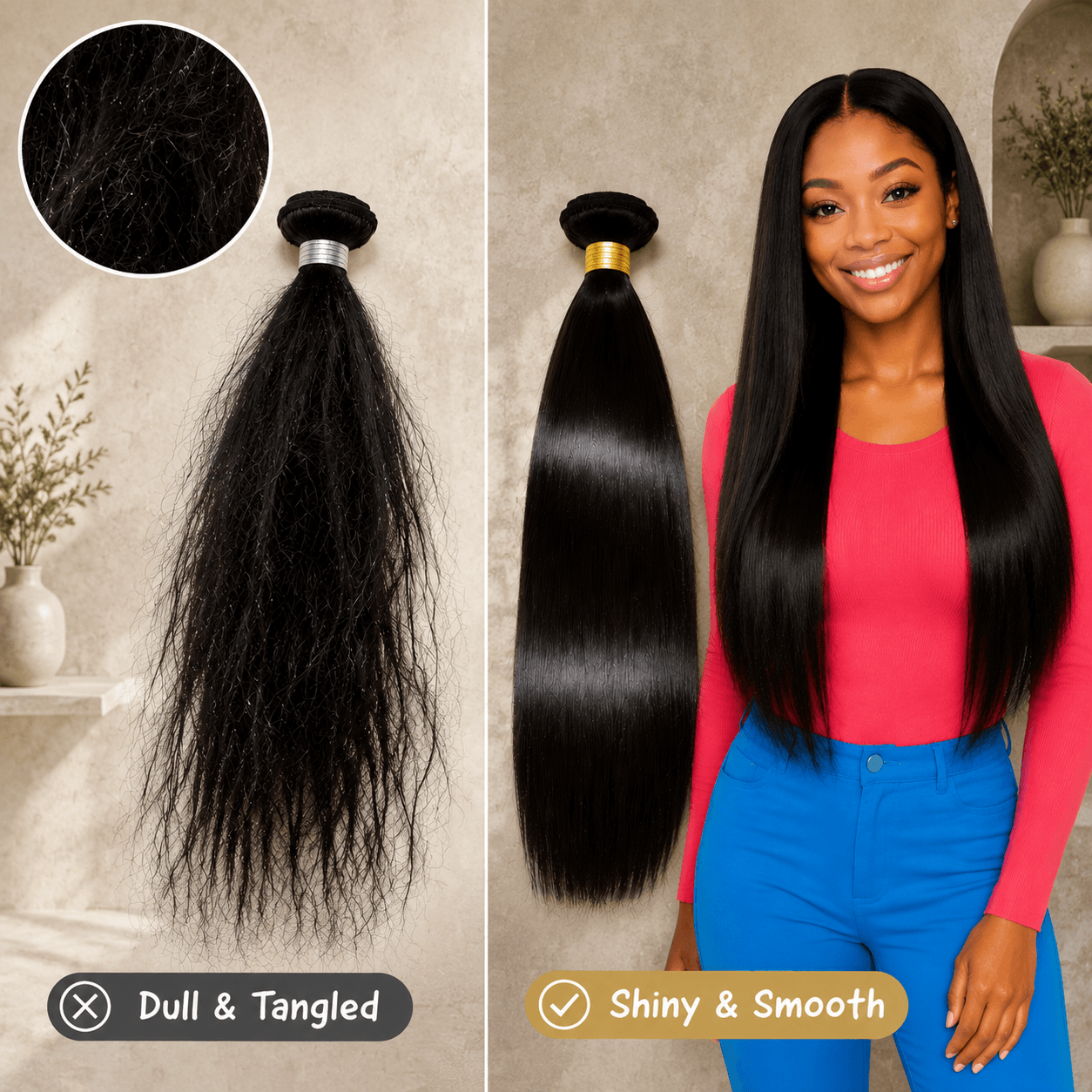
Hair extensions need special care because they are not attached to your scalp. Your natural hair receives oils from the scalp, but human hair extensions, virgin hair extensions, and Remy hair extensions do not get that same daily nourishment. That means they can become dry, tangled, frizzy, or matted if they are washed too much, brushed roughly, or styled with too much heat.
High-quality extensions should have strong strand integrity, a healthy hair shaft, and a smooth hair cuticle. With true Remy hair extensions, the cuticles should follow one direction, also called unidirectional cuticle alignment. This helps reduce tangling because the strands move together instead of rubbing against each other.
The hair cortex gives each strand strength and flexibility. When extensions are over-washed, overheated, colored incorrectly, or covered in heavy product buildup, the hair cortex can weaken. That is why a smart extension maintenance routine should protect moisture retention, hair elasticity, weft construction, and the natural hair underneath.
Wealthy Hair focuses on high-quality human hair extensions with donor integrity, careful sourcing, and quality control. Our goal is to help you choose hair that looks natural, blends beautifully, and lasts longer with the right care.
Hair Extension Care Comparison Matrix
| Care Area | Best Practice | What To Avoid | Why It Matters |
|---|---|---|---|
| Brushing | Start at the ends and work upward | Pulling from the roots | Reduces shedding, tension, and breakage |
| Washing | Wash 1–3 times weekly when needed | Over-washing daily | Helps prevent dryness and shorter lifespan |
| Products | Use sulfate-free and alcohol-free formulas | Sodium Lauryl Sulfate, Sodium Laureth Sulfate, drying alcohols | Protects moisture and softness |
| Drying | Air dry or use cool/low heat | High heat and rough towels | Prevents frizz, matting, and heat damage |
| Sleeping | Use a silk pillowcase, satin bonnet, or silk scarf | Sleeping with wet extensions | Reduces friction and permanent matting |
| Styling | Use heat protectant under 350°F | Daily hot tools without protection | Helps protect the hair shaft |
Wealthy Hair Maintenance Protocol
Gentle Brushing Prevents Shedding
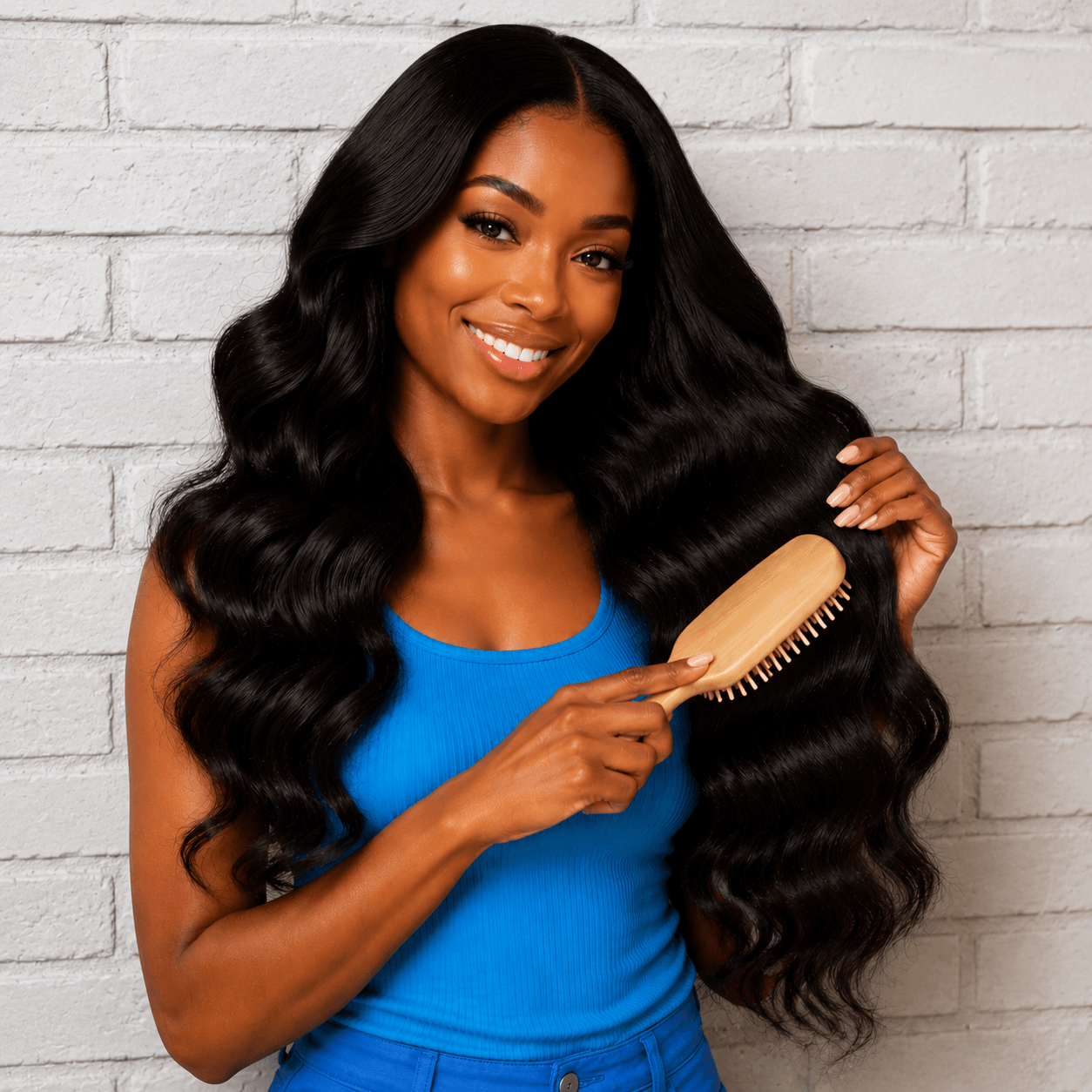
Always brush hair extensions from the ends and work your way up to the roots. This helps remove tangles without pulling on the extension wefts or your natural hair. A soft bristle brush, wide-tooth comb, or detangling brush is best because it glides through the hair with less stress.
Brush your extensions in the morning, before bed, and after sweating or being in humid weather. Humidity and sweat can make strands clump together, which leads to tangling and matting.
Sulfate-Free Washing Protects Moisture
Wash human hair extensions properly by detangling first, then shampooing in a downward motion. Use sulfate-free shampoo and alcohol-free products because harsh ingredients can strip moisture and make extensions dry, rough, and tangled.
You do not need to wash extensions every day. In most cases, washing once a week is enough, but if you wear them often, wash no more than two to three times a week. The more you wash and heat style your extensions, the shorter their lifespan may become.
Conditioner Belongs On The Ends
Apply moisturizing conditioner from the mid-length to the ends of your hair extensions. Avoid putting conditioner directly on the roots, tapes, bonds, or wefts because it can cause slipping or loosen the install.
Let the conditioner sit long enough to soften the strands, then rinse with cool water. Cool water helps smooth the hair cuticle and lock in moisture, leaving the extensions softer and smoother.
Low Heat Helps Extensions Last
Air drying is best whenever possible. If you need to blow-dry, gently pat the hair with a microfiber towel first, then use a cool or low heat setting. Do not brush wet extensions aggressively; wait until they are about 90% dry before brushing.
Before using curling irons, flat irons, or hot tools, apply heat protectant spray. Keep the temperature below 350°F or 180°C to reduce heat damage and protect the hair shaft.
Silk And Satin Reduce Friction
Never sleep with wet hair extensions because it can cause permanent matting. Before bed, make sure the hair is dry, gently brushed, and loosely tied in a braid or low ponytail.
Sleep on a silk or satin pillowcase, or wear a satin bonnet or silk scarf. From a trichology-informed perspective, dryness and friction are two major causes of tangling, matting, and breakage.
Product Buildup Causes Dull Hair
Use hair products lightly. Because extensions do not receive scalp oils, they need moisture, but too much product can create buildup on the hair shaft. This makes the extensions look greasy, heavy, dull, and harder to brush.
Avoid products with Sodium Lauryl Sulfate, Sodium Laureth Sulfate, and drying alcohols. Lightweight serum, leave-in conditioner, argan oil, and small amounts of coconut oil can help keep extensions hydrated without weighing them down.
Professional Maintenance Protects Natural Hair
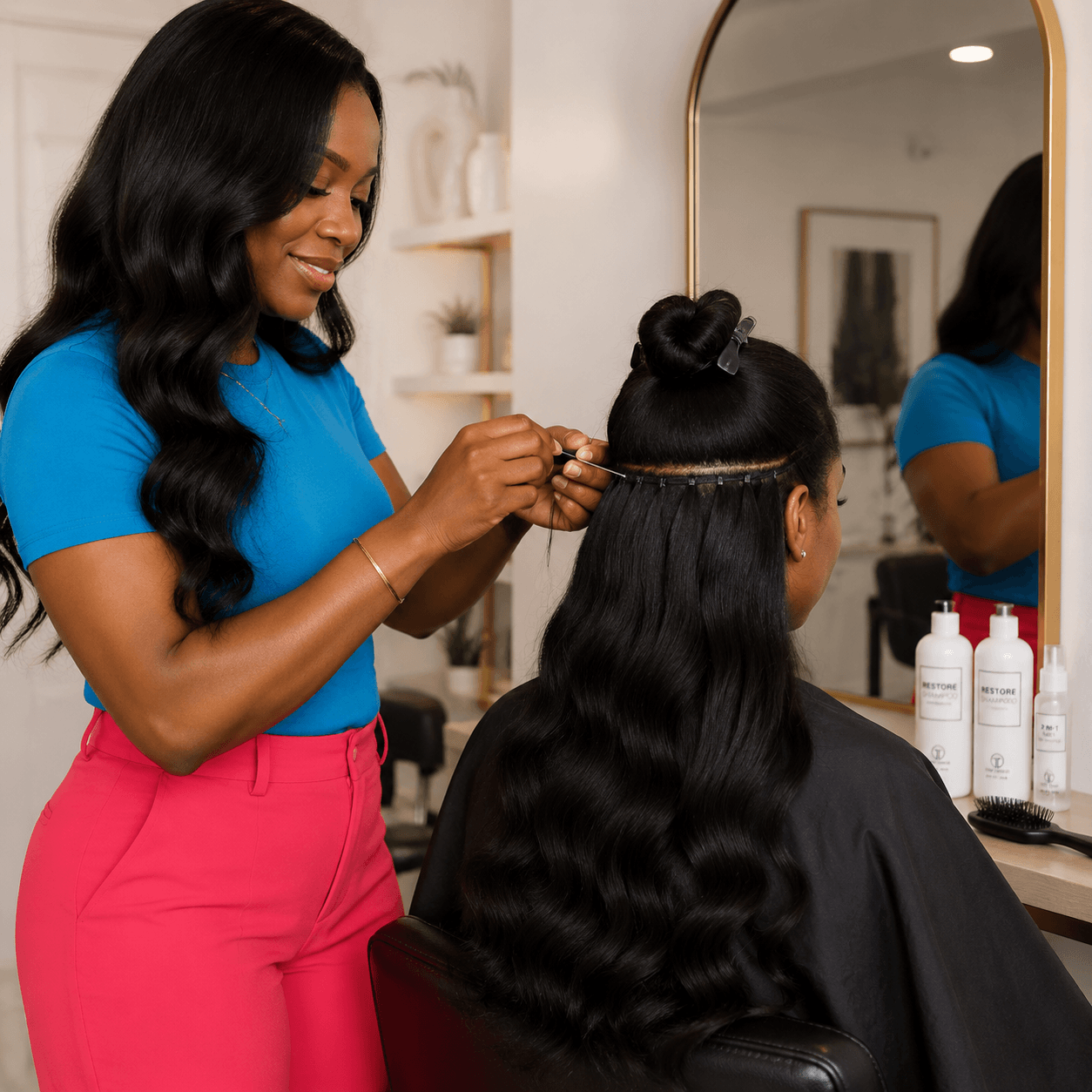
Schedule professional maintenance every 4–8 weeks, especially for sew-in hair extensions, tape-in extensions, and bonded installs. A stylist-approved extension care routine should protect both the extensions and the natural hair underneath.
This helps prevent tension damage, matting near the roots, breakage, and shedding. Your stylist can also check your scalp health, weft placement, and overall installation.
Proper Storage Prevents Tangling
Store clip-in hair extensions in a cool, dry place away from direct sunlight. Make sure they are clean, dry, brushed, and smooth before putting them away.
Use a storage bag, hair extension hanger, soft cloth, or silk scarf to protect them from dust, moisture, and friction. Proper storage helps keep clip-in extensions soft, neat, and ready to wear.
The Wealthy Hair Quality Standard
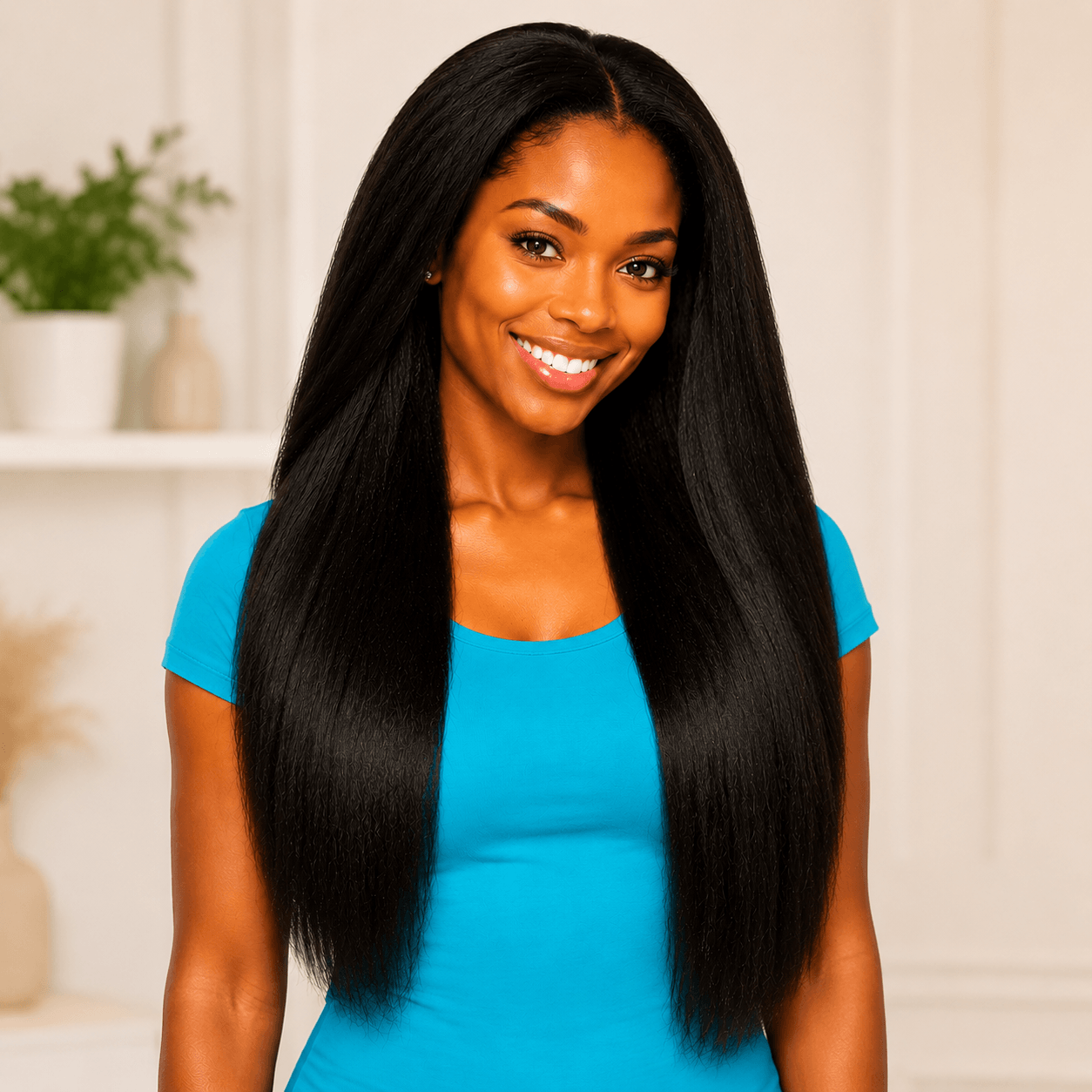
At Wealthy Hair, quality begins with sourcing and care. High-quality human hair extensions should feel soft, move naturally, and hold their beauty with proper maintenance. Our focus is on premium human hair, ethical sourcing, donor integrity, and a natural-looking finish that blends well with textured hair.
Because hair extensions are an investment, the right care routine matters. Proper brushing, washing, conditioning, drying, styling, and storage can help reduce shedding, breakage, dryness, matting, and premature wear.
People Also Ask
How To Take Care Of Hair Extensions Step By Step?
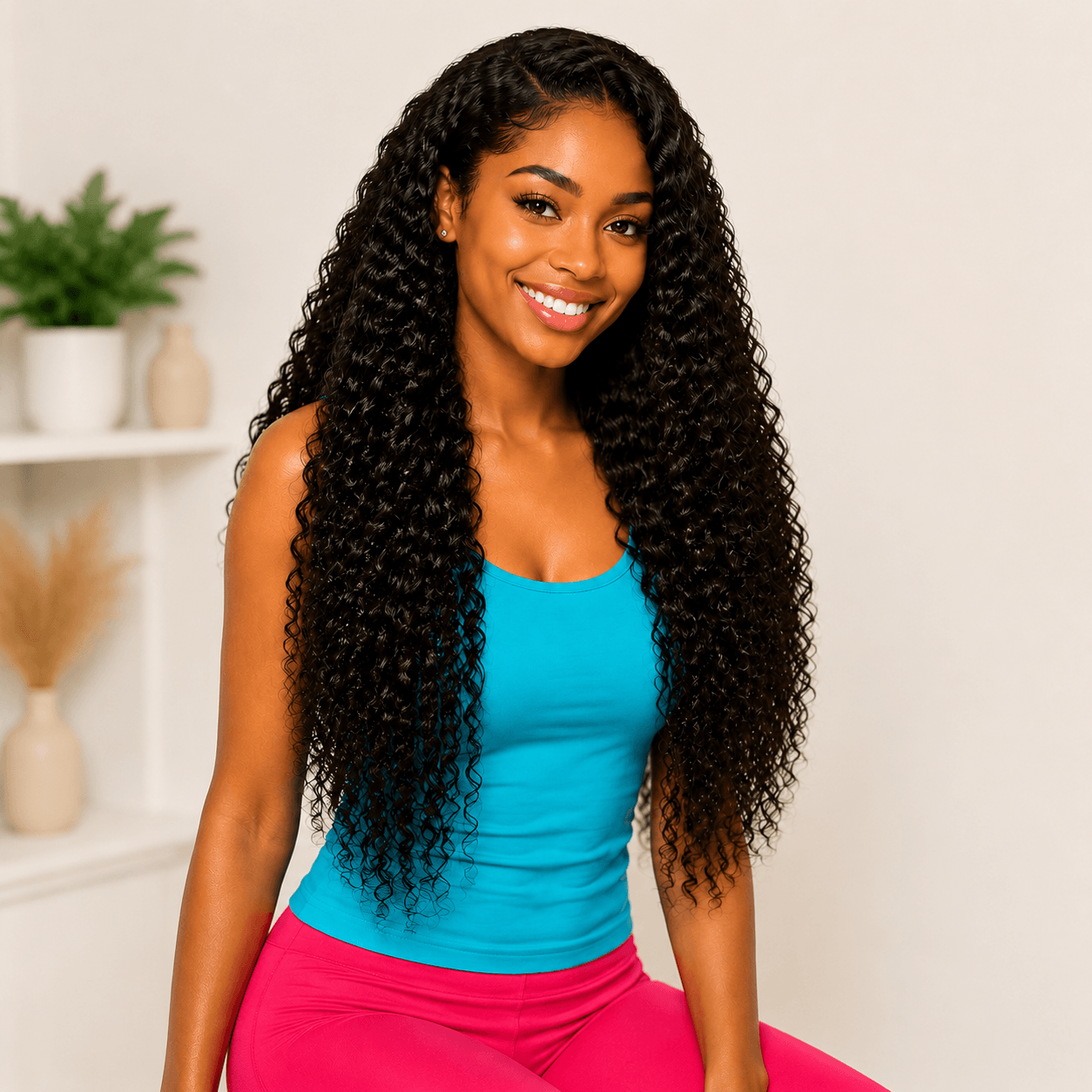
Take care of hair extensions by brushing gently, washing with sulfate-free shampoo, conditioning the ends, drying with low heat, and sleeping on silk or satin. Extensions do not receive natural scalp oils, so they need gentle moisture and less friction. Wealthy Hair recommends a simple routine that protects softness, shine, and long-term wear.
What Is The Best Way To Care For Hair Extensions?
The best way to care for hair extensions is to treat them gently and avoid harsh products, rough brushing, and daily heat styling. This protects the hair cuticle, hair shaft, and weft construction. Wealthy Hair recommends sulfate-free products, lightweight moisture, and regular professional maintenance.
How Often Should You Wash Hair Extensions?
You should wash hair extensions once a week or no more than two to three times weekly when needed. Over-washing can dry out human hair extensions because they do not get natural oils from the scalp. Wealthy Hair suggests washing only when there is sweat, dirt, or product buildup.
How To Brush Hair Extensions Without Shedding?
Brush hair extensions by starting at the ends and slowly working up toward the roots. This lowers pulling, breakage, and tension on the wefts or installation area. Wealthy Hair recommends using a wide-tooth comb, soft bristle brush, or detangling brush.
How To Keep Hair Extensions From Tangling?
Keep hair extensions from tangling by brushing regularly, using lightweight moisture, avoiding heavy buildup, and sleeping with silk or satin protection. Tangling often happens when dryness, friction, sweat, or humidity causes strands to clump together. Wealthy Hair recommends daily gentle detangling and sulfate-free care.
How To Prevent Matting In Hair Extensions?
Prevent matting by never sleeping with wet extensions, brushing before bed, and keeping roots clean and separated. Matting happens when hair rubs together and forms tight knots near the wefts or scalp. Wealthy Hair recommends professional maintenance every 4–8 weeks to protect your natural hair.
How To Wash Human Hair Extensions Properly?
Wash human hair extensions by detangling first, using sulfate-free shampoo, washing downward, conditioning the ends, and rinsing with cool water. This helps protect the hair cuticle and reduce tangling. Wealthy Hair recommends gentle cleansing and avoiding harsh rubbing.
How To Make Hair Extensions Last Longer?
Make hair extensions last longer by washing less often, using less heat, brushing gently, storing them properly, and avoiding harsh products. Extension longevity depends on hair quality, installation, maintenance, and daily styling habits. Wealthy Hair recommends a consistent care routine to protect your investment.
Can You Shower With Hair Extensions?
Yes, you can shower with most hair extensions, but you must wash gently and avoid rough scrubbing. Water can cause tangling if the hair is not detangled before washing. Wealthy Hair recommends brushing first and using sulfate-free, alcohol-free products.
Can You Color Human Hair Extensions?
Yes, human hair extensions can be colored, but a professional stylist should do it. Coloring can weaken the hair shaft, cause uneven results, or overprocess the extensions if done incorrectly. Wealthy Hair recommends professional coloring to protect softness, tone, and strand integrity.
Why Should You Limit Heat Styling On Hair Extensions?
The more you wash your extensions and use heat tools, the faster they can lose softness, shine, and strength. One of the best tips and tricks is to air-dry whenever possible and use heat only when needed to protect the care of your hair extensions.
Where Should You Apply Conditioner On Hair Extensions?
When using shampoo and conditioner, apply conditioner only from the mid-lengths to the ends. Avoid placing conditioner near the roots or bonds because it may cause slipping, especially with installed extensions.
What Should You Do Before Washing Your Extensions?
Before washing your extensions, gently detangle from the ends first, then work your way up toward the roots. This helps prevent knots, shedding, and breakage before you start washing your hair extensions.
Why Should Hair Extensions Be Rinsed With Cold Water?
After washing your extensions, rinse them with cold water to help seal in moisture and keep the hair smoother. Cold water can also help reduce dryness, frizz, and tangling after you wash your extensions.
What Ingredients Should You Avoid In Hair Extension Products?
Avoid products with Sodium Lauryl Sulfate, Sodium Laureth Sulfate, and drying alcohols. These ingredients can strip moisture from the hair, making it harder to take proper care of your hair extensions and shortening their lifespan.
How Should You Dry Hair Extensions After Washing?
After washing your hair extensions, gently pat them dry with a microfiber towel instead of rubbing them. Let them air-dry whenever possible, and do not brush them until they are about 90% dry to reduce breakage.
How Should Clip-In Extensions Be Stored?
Store clip-in extensions in a cool, dry place away from direct sunlight. Make sure they are fully dry before storage, then gather them into a loose ponytail, roll them gently, and place them in an airtight container or shoe box.
How Long Can Hair Extensions Last With Proper Care?
Hair extensions can last from 3 to 6 months, or even a year or longer, depending on how often you wear them and how well you care for them. Wash your hair extensions only when needed, avoid heavy product use, and follow smart washing your extensions habits.
Learn the benefits, drawbacks, styling options, and maintenance tips before choosing sew-in extensions, so you can protect your natural hair and feel confident: Everything You Need To Know About Sew-In Hair Extensions: Pros And Cons.

