

Wealthy Hair Guides
Hair Frontals And Closures Explained: How To Pick The Best Option For Your Style
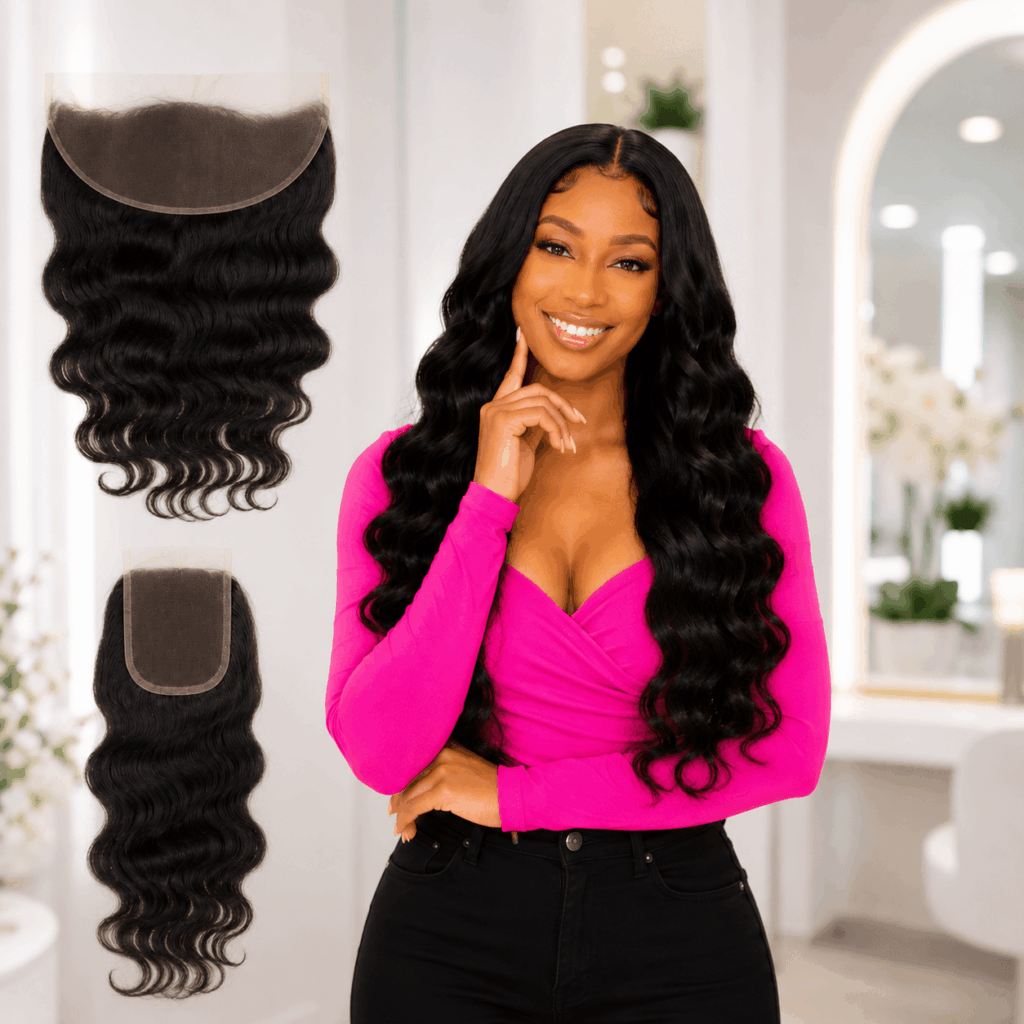
The 60-Second Answer:
Hair frontals and closures are lace pieces used with wigs or sew-ins to create a natural-looking hairline or part. A frontal gives more styling freedom because it covers the hairline from ear to ear, while a closure is easier to maintain and better for everyday wear, beginners, and edge protection.
Hair Frontals And Closures Explained
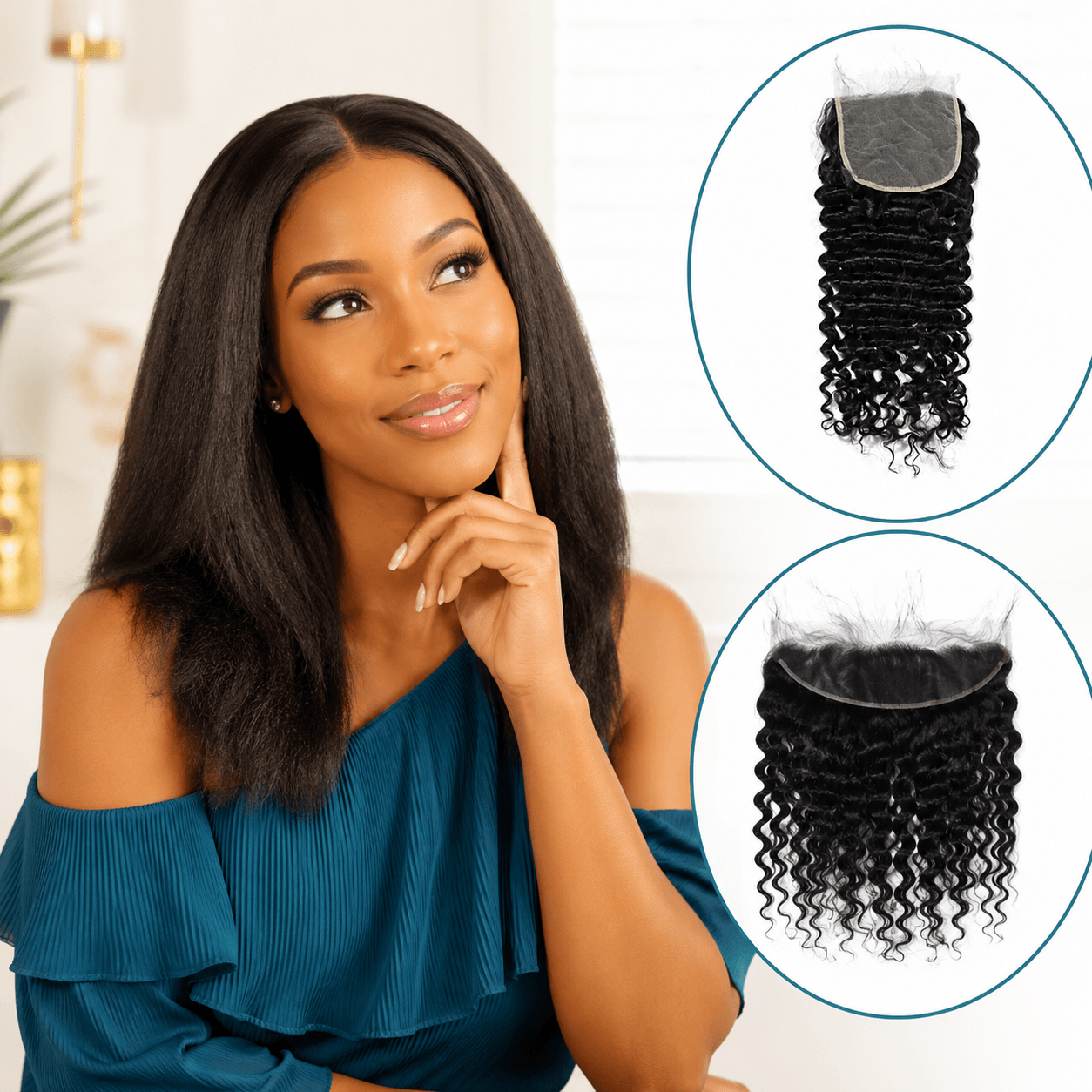
Hair frontals and closures are lace hair pieces used with wigs, sew-ins, and other hair extensions to make styles look more natural. They cover the top or front area of the head so your natural hair can stay protected underneath. The best choice depends on your lifestyle, hairline, budget, and how often you like to change your part or hairstyle.
A lace frontal usually covers the full hairline from ear to ear as a frontal piece. Most frontals measure 13×4 or 13×6 inches. A 13×4 frontal gives about 4 inches of parting space from the hairline going back. A 13×6 frontal gives deeper parting space, which can help with more natural middle parts, side parts, and pulled-back styles.
A lace closure is smaller. A standard closure typically measures 4×4 inches, but closures also come in 5×5 and 6×6 sizes. Closures usually sit at the top or front crown area of the head. They are best for a middle part, side part, or free part style, depending on how the closure is made, and are designed to create a natural parting.
From a hair care and install perspective, frontals offer more styling freedom, but closures are easier to care for. Frontals may need more upkeep because they cover the full hairline. Closures require less daily maintenance than frontals for many wearers. If you like to change looks more often, frontals can help you achieve your desired style.
Lace Frontals Cover The Full Hairline
A lace frontal gives the most hairline coverage. It usually runs from ear to ear, and the lace material helps create a more natural hairline appearance across the forehead and temples for a more natural look. This makes it a strong choice for styles that need more movement around the face.
Frontals work well for side parts, middle parts, half-up styles, and ponytails. A 13×4 frontal gives good parting space, while a 13×6 frontal gives more depth for styling. A 360° frontal allows for maximum styling versatility because it goes around the full perimeter of the head. That added versatility also makes it easier to pull the hair into a ponytail and switch between different styles.
Lace frontals are typically more expensive than closures because they use more lace, cover more space, and often require more customization. They may also need lace tint, bleached knots, and a pre-plucked hairline to look natural, and small baby hair details around the hairline can help the frontal look even more realistic.
Lace Closures Protect Everyday Styles
A lace closure is a smaller lace piece that gives a natural part, with a natural parting rather than full hairline coverage, without covering the full hairline. Most closures are 4×4, 5×5, or 6×6 inches. A 4×4 closure is the classic size and works well for simple everyday looks.
Closures are ideal for people who wear a fixed middle part or side part most of the time. They are also a smart option for beginners and for anyone who prefers the same style most of the time because they are easier to install, easier to maintain, and lace closures are generally cheaper than lace frontals.
Closures can often be installed gluelessly with a wig grip band, elastic band, adjustable straps, or comb clips. This can make them a better option for people with thin edges, sensitive skin, or a low-maintenance routine.
Difference Between Frontal And Closure
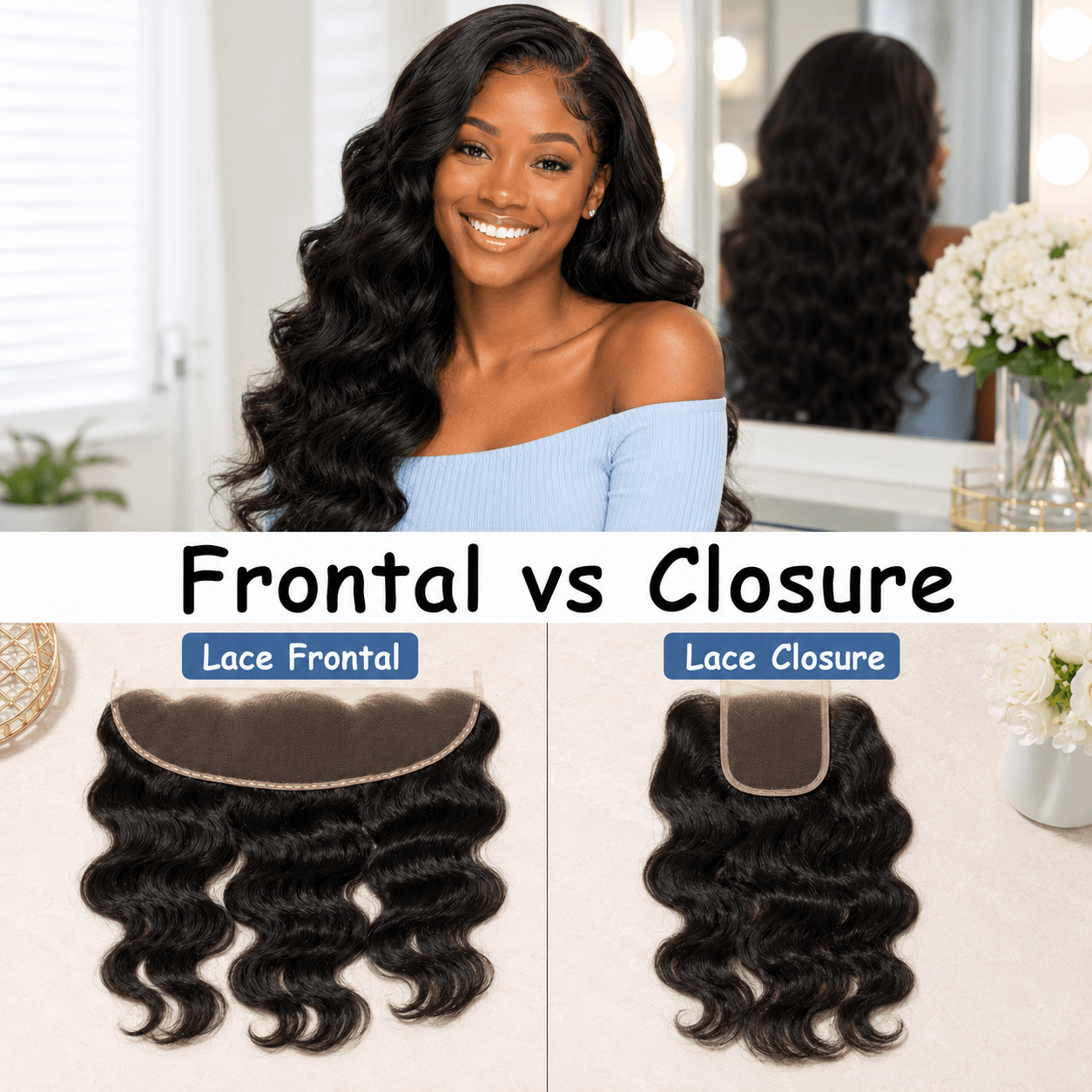
The main difference in frontals closures is the amount of lace coverage: a frontal recreates the full front hairline, while a closure focuses on a natural parting area. This difference affects price, styling freedom, maintenance, and how natural the install looks around the hairline.
Frontals allow more versatile styling options than closures. You can change parts more easily, pull the hair away from the face, and wear different styles with a more natural hairline appearance. Closures limit styling more, but they are easier to wear every day if you usually keep the same style and usually last longer with proper care.
Lace Frontal Vs Lace Closure
| Feature | Lace Frontal | Lace Closure | Best For |
|---|---|---|---|
| Common Size | 13×4 Or 13×6 | 4×4, 5×5, Or 6×6 | Choosing Parting Space |
| Hairline Coverage | Ear-To-Ear Lace | Small Parting Area | Natural Hairline Needs |
| Styling Options | High Flexibility | Middle, Side, Or Free Part | Lifestyle Match |
| Maintenance Level | Higher Maintenance | Lower Maintenance | Daily Wear |
| Cost | Usually More Expensive | Usually Cheaper | Budget Planning |
| Bundle Needs | May Need Fewer Bundles | May Need More Bundles | Fullness Planning |
| Beginner Friendly | Less Beginner Friendly | More Beginner Friendly | Easy Styling |
| Install Type | Glue, Sew-In, Or Glueless | Sew-In Or Glueless | Edge Protection |
13×4 Frontal Vs 4×4 Closure
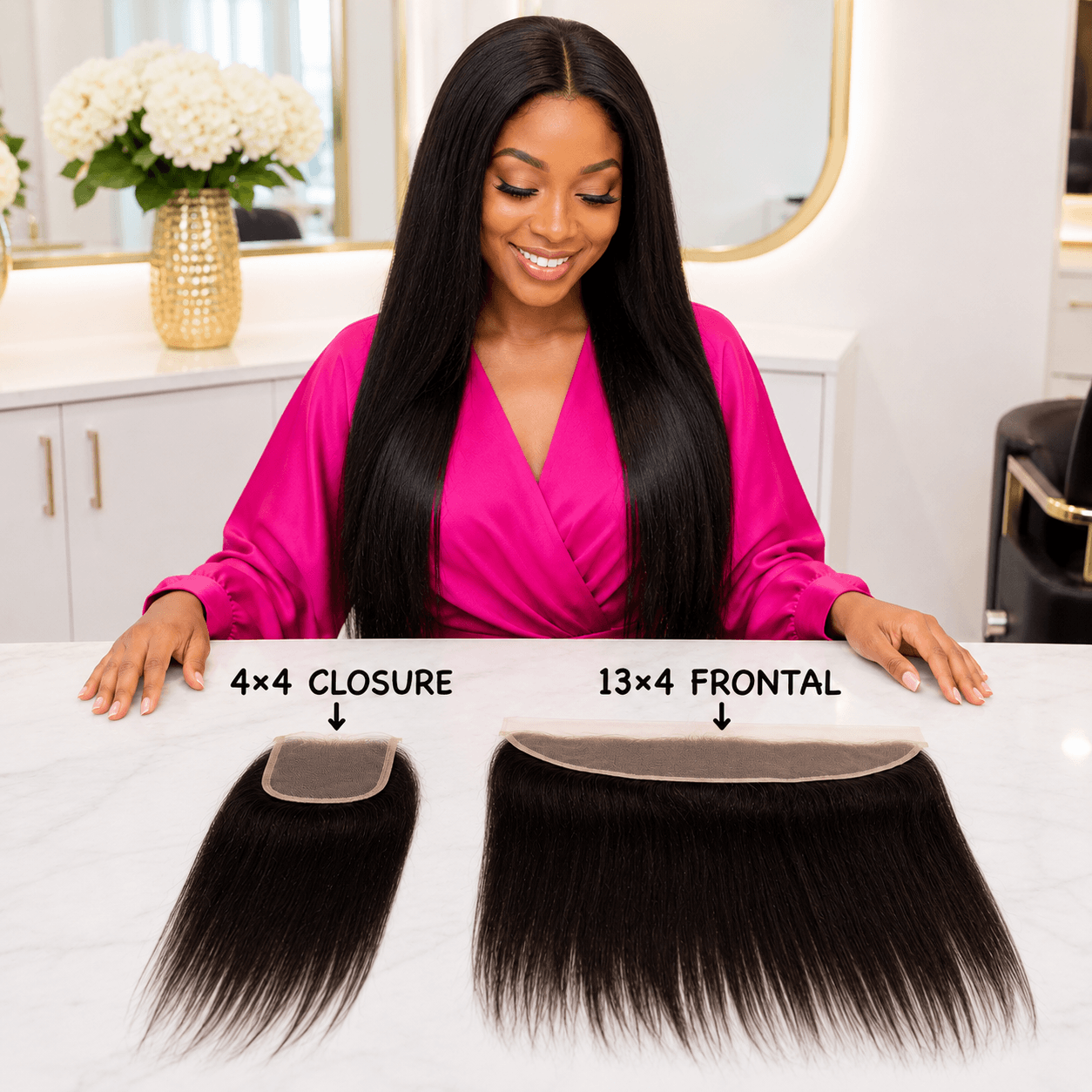
A 13×4 frontal gives more hairline coverage than a 4×4 closure. As a larger hair piece, it offers more coverage at the front and covers the head from ear to ear, making it better for ponytails, side parts, and natural hairline styling.
A 4×4 closure is smaller and easier to manage. It gives a natural part without the extra work of maintaining the full hairline. If you want a simple middle part or side part, or plan to keep a straight or middle-part look rather than change styles often, a 4×4 closure may be enough.
A natural-looking install starts with the right lace size and density. Too much density can make the hairline look heavy. Too little density can make the lace look thin or uneven.
5×5 Closure Vs 4×4 Closure
A 5×5 closure gives more parting space than a 4×4 closure. It can look more natural because it gives a wider and deeper lace area. This makes it easier to create a soft middle part or side part.
A 4×4 closure is still a good choice for a simple, budget-friendly install. It is lightweight, easy to maintain, and beginner friendly. A 5×5 closure is better if you want a slightly fuller and more realistic parting area without choosing a frontal.
A 6×6 closure gives even more space and can offer a frontal-like look with less maintenance. It is a strong choice for people who want more parting room but do not want full ear-to-ear lace.
Frontals Offer More Styling Freedom
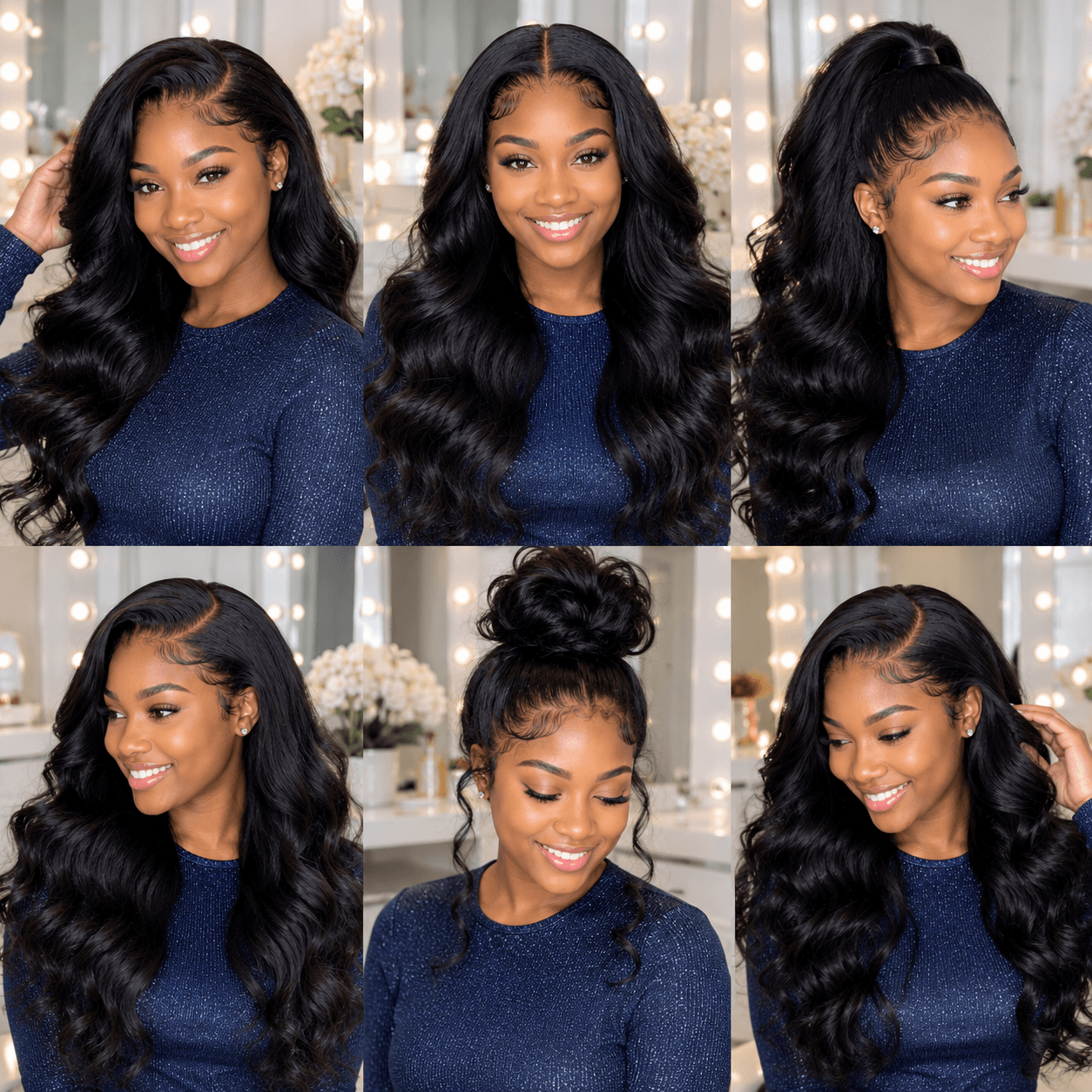
Frontals are best for people who like to change styles often. You can wear different styles, including a middle part, deep side part, half-up style, or pulled-back look. Lace frontals also make it easier to pull the hair back into a ponytail.
Frontals are also helpful when you want the most natural hairline option for a sew-in or wig install. A pre-plucked hairline, bleached knots, lace melting, and the right lace tint can help the lace material blend into the scalp for a scalp-like finish when customized correctly.
For maximum styling flexibility, frontals offer more parting space, which helps wearers achieve a polished look without being limited to one part. This is why many stylists recommend frontals for clients who want a high-glam look, photo-ready finish, or flexible styling.
Closures Are Easier For Beginners
For beginners, closures are often easier to maintain. They do not require as much daily lace work, edge styling, or adhesive touch-up. Even though lace frontals can take less than one hour to install with an experienced stylist, closures are usually easier overall. This makes closures a good choice for everyday wear.
A closure wig can be worn every day when it fits properly and is cared for correctly. The best closure wigs use an elastic band, adjustable straps, and a flat lace base for a secure fit. This helps the wig stay in place without heavy glue, which also suits people who want a low-effort hair piece for daily wear.
Closures are also good for thin edges because they do not require styling the full hairline. Edge health should always come before styling trends. If your edges are weak, a glueless closure may be safer than a glued frontal.
Frontals Usually Cost More
Lace frontals are generally more expensive than lace closures. This is because they use more lace, cover more space, and often need more customization. A frontal install may also cost more because it takes more skill to blend the full hairline.
Lace closures are generally cheaper than lace frontals. They use less lace and require less hairline work. This makes them a smart option if you want a natural look without a higher install cost.
Lace frontals may require fewer hair bundles than closures because the frontal covers more space at the front of the head. With closures, more of the head is covered by wefted bundles in a weave install, so you may need more bundles for the same fullness.
Frontals Need More Weekly Care
Frontals can last 2 to 4 weeks with proper care before they need a major refresh. A lace frontal can also last 2 to 4 weeks without retouching when it is installed well and protected at night. However, weekly maintenance is usually needed for sew-in lace frontals.
Frontal maintenance may include cleaning the hairline, gentle brush work, smoothing lifted lace, controlling baby hairs, and removing product buildup. This routine can also help preserve natural curls by reducing daily styling on leave-out hair. If adhesive is used, it must be applied and removed carefully to avoid stress on the edges, whether the texture is straight or curly.
Avoid heavy glue use if your edges are fragile or thinning. A professional consultation can help determine the safest option for your hairline.
Closures Usually Last Longer
Lace closures typically last longer than lace frontals with proper care. This is because closures do not cover the full hairline, so they are exposed to less daily pulling, sweating, adhesive, and styling stress.
Closure maintenance is simple. It mainly includes washing, conditioning, gentle detangling, and protecting the lace at night. Closures do not need the same level of hairline touch-up as frontals.
A closure is often the best option for a protective style because it keeps your natural hair covered while reducing daily manipulation. When installed correctly, frontals and closures can both support protective styling.
Which Is Better Frontal Or Closure?
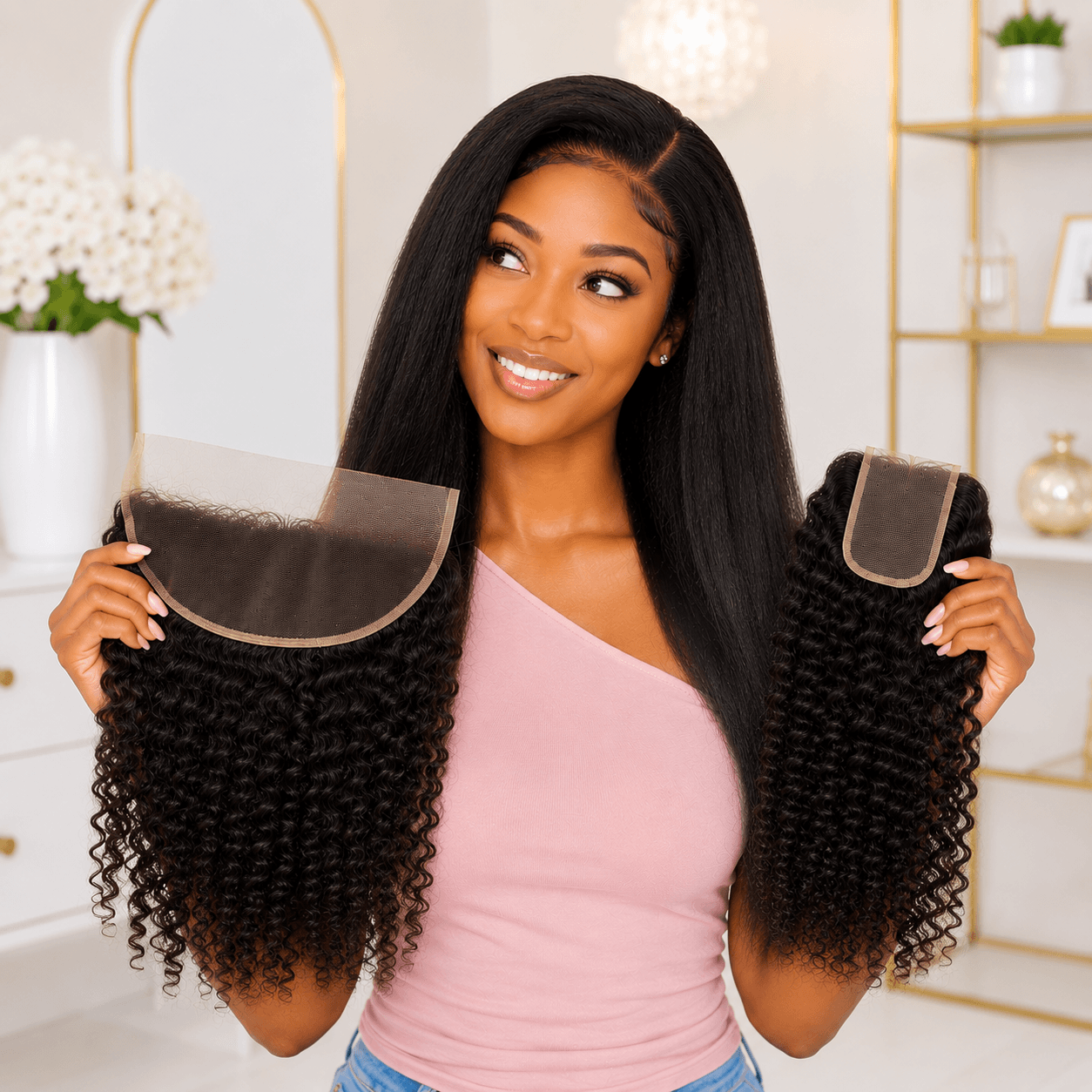
A frontal is better if you want maximum styling freedom and a full natural hairline, especially if you want more versatile styling options. A closure is better if you want an easy, low-maintenance style that protects your edges.
The best choice depends on your lifestyle, hairline, and styling routine. If you love ponytails, side parts, and face-framing styles, choose a frontal. If you want simple daily wear or usually wear the same style, choose a closure.
A licensed stylist will usually recommend a closure for beginners or clients with fragile edges. A stylist may recommend a frontal for clients who want a more flexible and customized look.
Best Option For A Natural Sew-In
The best hairline option for a natural sew-in depends on the finish you want. A frontal gives the most natural hairline appearance because it covers the full front of the head. It can make the install look like the hair is growing from your scalp and create a more natural look overall.
A closure gives a natural part but does not create the same full hairline effect. It is still a beautiful option when the lace is flat, the knots are soft, the part is clean, and the color and texture blend well with the rest of the install.
For the most realistic result, choose quality lace, the right density, and skilled installation. Quality lace should blend with the scalp without looking thick or bulky, and quality human hair should feel soft and silky.
Best Option For Thin Edges
Closures are often better for thin edges because they do not require full hairline styling. A glueless closure wig can reduce pulling, glue buildup, and daily edge stress.
Frontals can be worn with thin edges, but they must be installed with care. Heavy adhesive, tight bands, and repeated pulling can harm fragile hairlines. Do not choose a style that causes pain, bumps, or scalp soreness.
A proper install should protect the natural hair and edges. If your edges are already thinning, choose comfort and scalp protection first.
How To Make A Frontal Look Natural
A frontal looks natural when the lace, knots, density, and hairline are customized correctly. The lace should match your foundation shade or be lightly tinted for a better scalp blend. HD lace, transparent lace, and Swiss lace can all look natural when chosen properly, with the aim of a realistic finish rather than an overly dense hairline.
A pre-plucked hairline can help the frontal look softer. Bleached knots can reduce the dark dots at the base of the hair, while unbleached knots may last longer and shed less for some wearers. Knot sealing can help reduce shedding when done carefully, and light baby hair detailing can help the frontal blend at the edges.
Lace melting should never mean heavy glue or scalp damage. The goal is a soft, flat, clean blend that still protects your skin and edges.
How To Make A Closure Look Natural
A closure looks natural when the part is clean, flat, and close to the scalp. A middle part closure, side part closure, or free part closure should be chosen based on how you plan to wear your hair most often, and closures also come in lace and silk closures. They work best when you already know your desired style and part placement.
The lace should be the right color for your scalp area. Lace tint or a foundation shade match can help the part look more realistic, and even a straight part line should still look soft rather than harsh. The density around the part should not be too thick because heavy hair can make the closure look bulky.
A closure also needs good placement. If the closure sits too far forward or too far back, the style may look unnatural. A skilled install can make a closure look smooth, simple, and polished.
Wealthy Hair Quality Standard
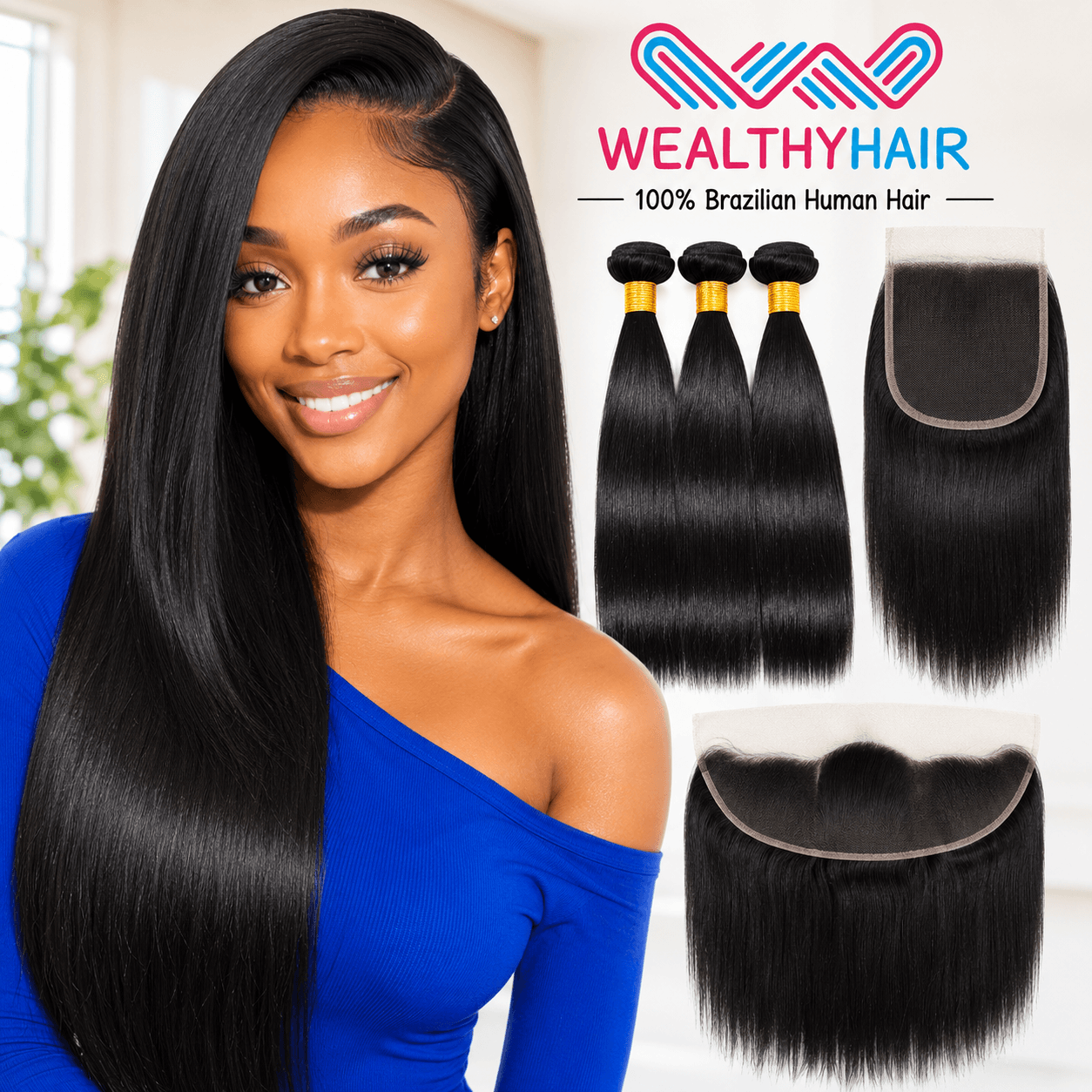
At Wealthy Hair, quality starts with ethical sourcing, careful selection, and honest quality control. High-quality human hair should feel soft, move naturally, and resist matting when cared for properly, and quality hair extensions should feel soft and move naturally rather than coated or stiff. The goal is to offer hair that supports styling flexibility without making the install look heavy, fake, or overprocessed.
Wealthy Hair focuses on human hair options that support natural-looking wigs, sew-ins, and other hair pieces, along with lace closures and lace frontals. Hair should be checked for softness, movement, shedding control, tangle control, and cuticle alignment, with quality options available in straight, wavy, and curly textures and premium human hair keeping a silky feel with proper care. The lace should also be chosen with comfort, scalp protection, and a realistic finish in mind.
Choose quality hair, skilled installation, and a realistic maintenance routine. This helps protect your natural hair while giving you a polished style that looks beautiful in real life, not just in photos.
People Also Ask
What Are Hair Frontals And Closures?
Hair frontals and closures are lace hairpieces used to create a natural-looking part or hairline for wigs, sew-ins, and hair extensions. A frontal covers more of the front hairline, while a closure covers a smaller parting area. Wealthy Hair recommends choosing based on your hairline, lifestyle, and daily maintenance routine.
What Is The Difference Between A Frontal And A Closure?
The main difference is coverage and styling freedom. A frontal usually measures 13×4 or 13×6 and covers the hairline from ear to ear, while closures are commonly 4×4, 5×5, or 6×6 and are designed to create a natural parting, while frontals recreate the full hairline.
How To Choose Between A Frontal And A Closure
Choose a frontal if you want more parting space, different styles, or a ponytail, plus a full natural hairline. Choose a closure if you want less maintenance, lower cost, better edge protection, and usually wear the same style.
Which Is Better: Frontal Or Closure?
A frontal is better for styling freedom, while a closure is better for simple daily wear. Frontals need more upkeep because they cover the full hairline, while closures are easier to maintain.
Are Frontals Or Closures Better For Beginners?
Closures are usually better for beginners. They require less lace customization, less adhesive, and less daily hairline maintenance.
How Long Do Hair Frontals And Closures Last?
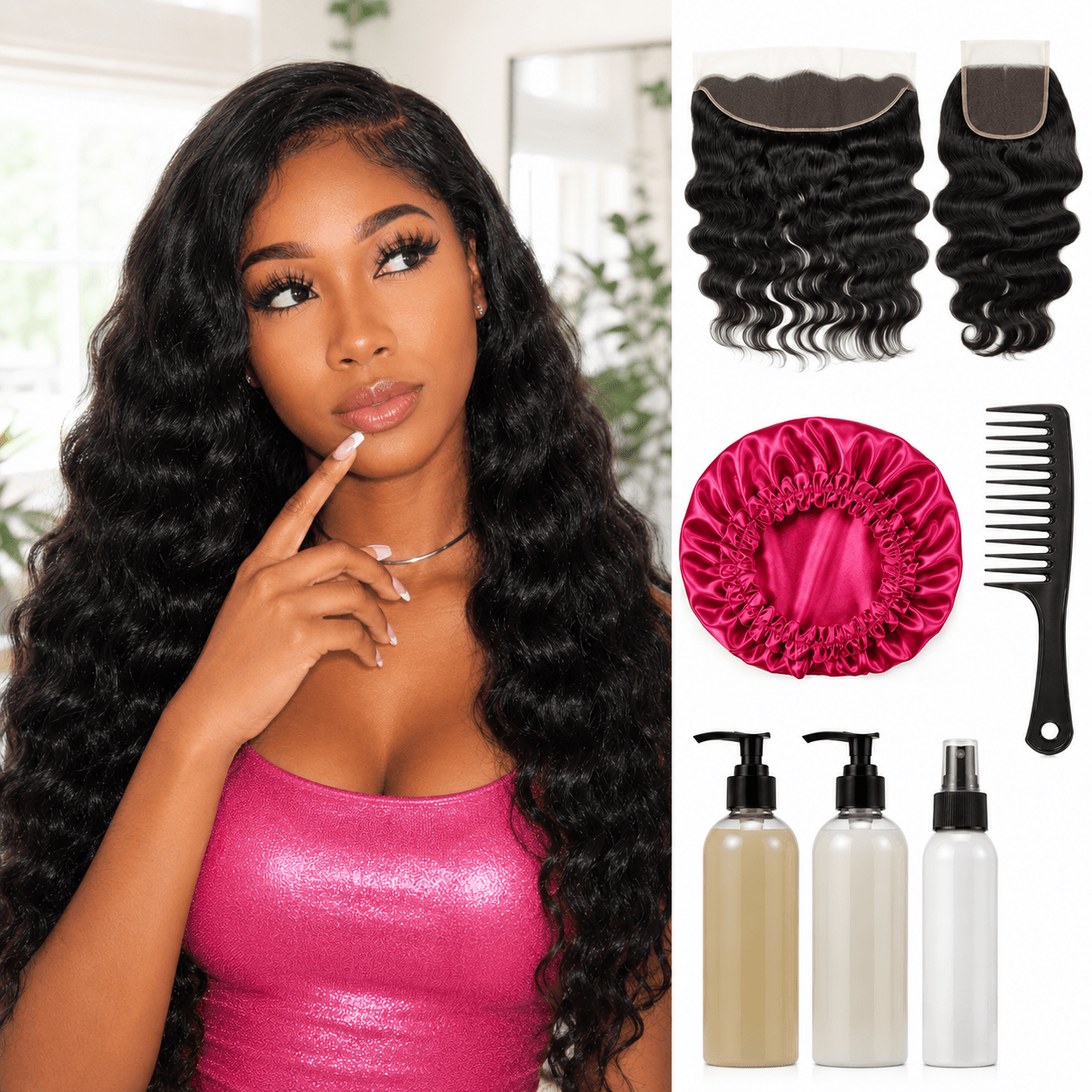
Frontals can last 2 to 4 weeks per install with proper care, while closures often last longer because they need less hairline maintenance and usually only need minimal care beyond washing and conditioning, while frontals may need more frequent hairline refreshes because they offer greater versatility. The lace and hair last longer when you wash, condition, detangle, and protect them at night. Wealthy Hair encourages gentle care and professional maintenance for the best results.
What Size Closure Should I Choose?
Choose a 4×4 closure for a simple middle or side part, a 5×5 closure for more parting space, and a 6×6 closure for the most natural closure look. Larger closures give more styling room but still require less work than frontals. Wealthy Hair recommends choosing the size based on your preferred part and daily style.
What Size Frontal Should I Choose?
Choose a 13×4 frontal for standard ear-to-ear coverage and a 13×6 frontal for deeper parting space. A 13×6 frontal gives more styling freedom, especially for deep side parts and natural-looking parts.
Do Frontals Damage Your Edges?
Frontals do not have to damage your edges, but tight installs, heavy glue, and poor removal can cause stress. The hairline is delicate, so tension and repeated pulling should be avoided. Wealthy Hair recommends glueless options or professional installs if your edges are fragile.
Are Closures Good For Thin Edges?
Closures are often good for thin edges because they do not require full hairline styling. They can reduce glue use, pulling, and daily edge manipulation. Wealthy Hair recommends glueless closure wigs or closure sew-ins for clients focused on edge protection.
Can You Wear A Closure Wig Every Day?
Yes, you can wear a closure wig every day if it fits well and is cared for properly. A secure fit with an elastic band, adjustable straps, or wig grip band can help reduce friction. Wealthy Hair recommends removing the wig at night when possible and protecting the hair with satin or silk.
Can You Wear A Frontal Wig Without Glue?
Yes, you can wear a frontal wig without glue when it is made for a glueless fit. A wig grip band, elastic band, comb clips, and adjustable straps can help keep it secure. Wealthy Hair recommends glueless frontal wigs for people who want styling freedom with less adhesive, and many wearers choose a glueless lace frontal wig for that same flexibility without adhesive.
Which Looks More Natural: Frontal Or Closure?
A frontal can look more natural around the full hairline because it covers ear to ear, helping create a more natural look overall. A closure can also look very natural when the part is flat, the lace matches the scalp, and you want a clean natural parting. Wealthy Hair recommends a frontal for full hairline realism and a closure for easy natural-looking daily wear.

