

Wealthy Hair Guides
Indian Remy Hair: The Ultimate Guide To Soft, Natural Extensions

The 60-Second Answer
Indian Remy Hair is 100% human hair collected so the cuticles stay aligned in one direction. This helps the hair feel soft, move naturally, and helps extensions resist tangling and frizz better than non-Remy hair. It is loved for its light density, natural shine, soft wave pattern, and ability to blend with many hair types, including straight hair.
What Is Indian Remy Hair?
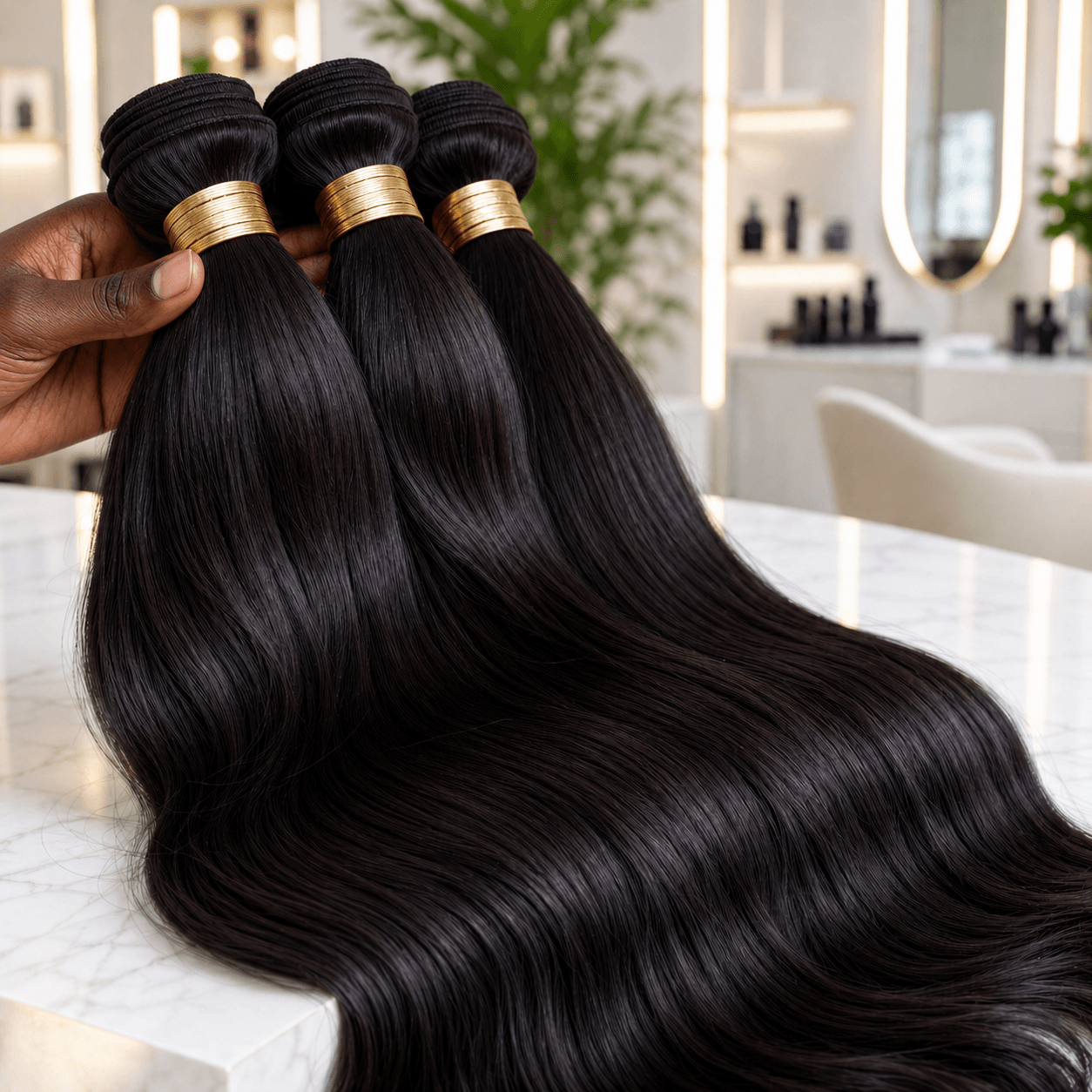
Indian Remy hair is human hair from Indian donors where the cuticle direction is kept the same from root to tip. This unidirectional cuticle alignment helps reduce friction, frizz, matting, and chronic tangling.
The “Remy” distinction describes the collection and sorting method, not always the chemical history of the hair. Remy hair can be virgin, lightly processed, colored, or steam-textured. Virgin hair means the hair has never been chemically treated or dyed.
Indian hair is often known for being fine, airy, bouncy, and light, though texture can vary by region in India. It usually has a natural wave pattern, soft luster, and easy movement, and it is commonly sold in straight, wavy, or curly textures for extensions and wig styles. This makes Indian human hair extensions popular for sew-ins, lace front wigs, closure wigs, clip-ins, and soft human hair bundles. Buyers may also see it labeled as Remy human hair when the cuticles remain intact and aligned, which helps prevent tangling and frizz, especially among women.
What Makes Indian Remy Hair High Quality?
High-quality Indian Remy hair should have intact hair cuticles, strong donor integrity, and a protein-rich cortex. The cuticle protects the outside of the strand, while the cortex gives the hair strength, shape, and flexibility.
A quality check should include softness, movement, cuticle alignment, and shedding control. High-quality Remy hair should feel smooth from root to tip, not coated, waxy, or overly shiny. True quality is measured by softness, durability, cuticle direction, and low tangling, which is what separates premium Remy hair from lower-grade options. Indian hair texture varies by region in India, so texture and consistency can differ by source.
Non-Remy hair is cheaper because the cuticles often face different directions. This can cause significant tangling, frizz, and matting. Some low-quality hair goes through an acid bath that strips the hair and can damage the cuticle, or it is heavily coated with silicone to feel soft at first, but the coating can fade after washing. In the hair extension industry, a low price often signals more processing, which reflects common hair weave industry practices rather than better value.
Cuticle Alignment Reduces Tangling
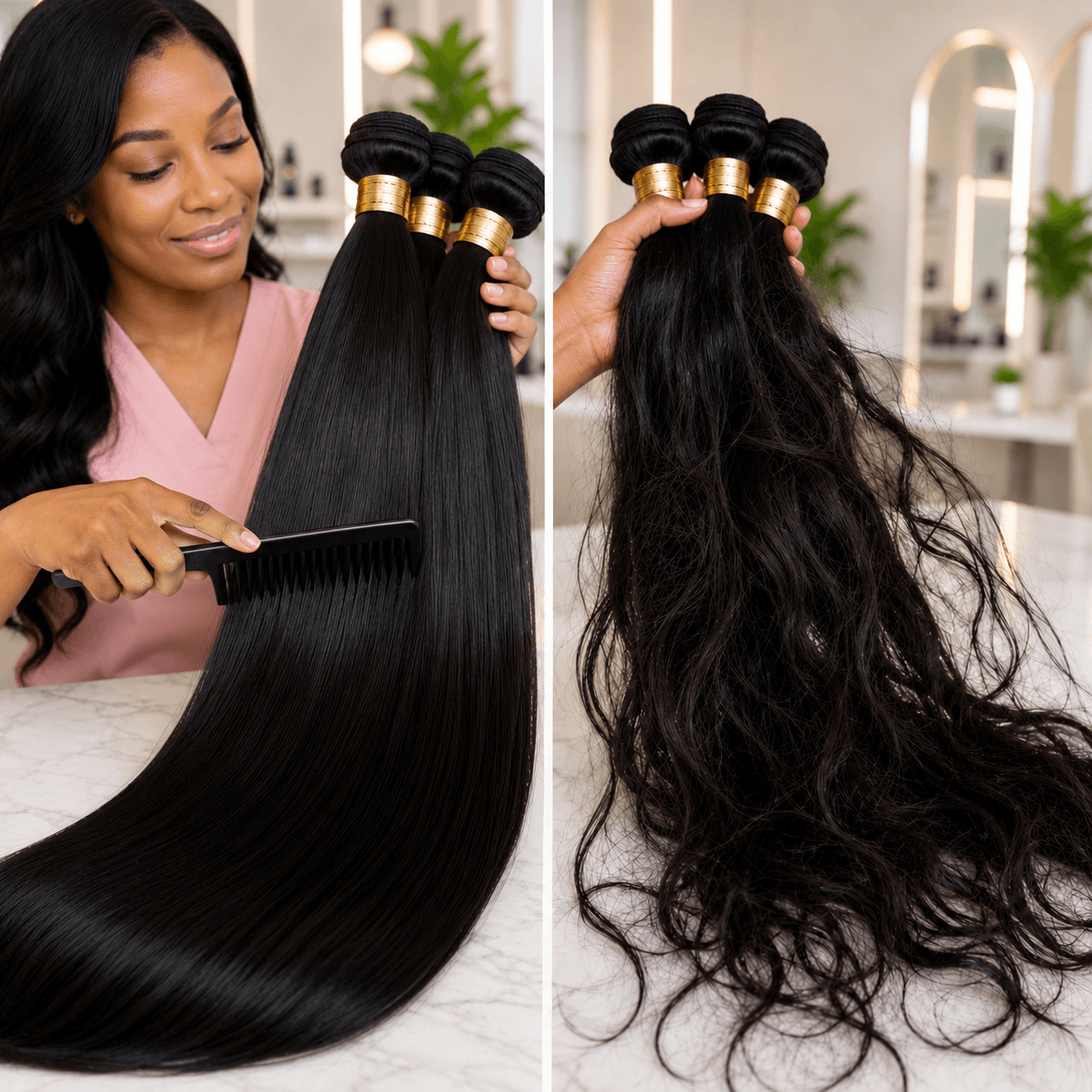
Remy hair keeps the cuticles facing the same direction. This helps the strands glide against each other instead of catching, roughening, and matting.
Indian Hair Has Natural Movement
Indian Remy hair often has a soft, natural wave that looks realistic. It is finer and lighter than Brazilian hair, so it moves easily and does not feel too heavy; unlike more coarse textures, that lighter movement blends better with fine hair or thin natural hair when the texture is matched correctly. Shoppers who want a bit more movement than straight hair often choose a body wave, and cuticle alignment helps prevent tangling and frizz in extensions.
Processing Can Change Hair Quality

Indian hair is often processed to achieve lighter colors, special textures, or bleaching that can change overall hair quality. Minimal processing, non-acid-washed care, and similar-color donor hair usually help extensions last longer, since heavily processed hair may look silky at first but can become more worn after repeated washing and heat styling.
Real Remy Hair Handles Heat Better
Indian Remy hair can handle washing and heat styling better than synthetic hair. It can usually be worn straight or curly after styling when you use a heat protectant and avoid extreme heat.
Indian Remy Hair Comparison Matrix
| Hair Type | Longevity | Luster Level | Processing Method | Best For |
|---|---|---|---|---|
| Indian Remy Hair | 7+ months with care | Natural shine | Cuticle-aligned, may be processed | Soft sew-ins, wigs, natural blends, straight hair or wavy styles |
| Virgin Indian Hair | 8–12+ months with care | Natural shine | Unprocessed, cuticle-aligned if Remy | Premium natural styles |
| Raw Indian Hair | 12+ months with care | Natural to low shine | Minimal processing | Custom coloring, luxury installs |
| Brazilian Hair | 7–12 months with care | Medium to high shine | May be Remy or processed | Fuller, thicker looks |
| Non-Remy Hair | Shorter wear | Often coated shine | Mixed cuticle direction | Budget styles, short-term use |
Indian Remy Hair Vs Virgin Hair

Indian Remy hair and virgin hair are not the same thing. Remy means the cuticles are aligned in one direction. Virgin means the hair has never been chemically treated. Virgin hair may come from women selling ponytails in temples, while Remy only describes cuticle alignment.
This means Indian Remy hair can be virgin, but it can also be colored or processed. Some buyers also compare Indian virgin hair with European hair when looking for less processed options. A reliable supplier should explain whether the hair is Remy, virgin, raw, or processed so the customer knows exactly what they are buying.
Indian Remy Hair Vs Brazilian Hair

Indian Remy hair is usually lighter, finer, and more airy than Brazilian hair. Brazilian hair is often fuller, thicker, and denser. Brazilian hair is often chosen for a thick look, while Indian Remy suits lighter, finer blends.
Choose Indian Remy hair if you want soft movement, a natural-looking shine, and a lightweight feel; virgin hair is often sourced from women selling ponytails in temples. Choose Brazilian hair if you want extra fullness, heavier density, and a bold glam look.
The Wealthy Hair Maintenance Protocol
Follow this simple care plan to keep Indian Remy hair soft, smooth, and reusable.
- Detangle gently before washing with a wide-tooth comb.
- Wash with sulfate-free shampoo every 7–10 days, or sooner if there is product buildup.
- Apply conditioner from mid-length to ends, not heavily on the weft.
- Rinse well and blot with a towel instead of rubbing.
- Apply a light leave-in conditioner for softness and moisture.
- Let the hair air dry whenever possible.
- Use heat protectant before curling or straightening.
- Keep hot tools around 300°F–350°F when possible.
- Wrap the hair at night with a satin scarf or bonnet.
- Avoid heavy oils, harsh shampoo, and too much heat.
For best results, install Indian hair with a licensed stylist. A good stylist protects your natural hair, places the wefts correctly, and helps prevent tension, shedding, and matting.
The Wealthy Hair Quality Standard
At Wealthy Hair, we recommend choosing hair based on texture, length, lifestyle, and care routine so you can make the right purchase. Buyer trust starts with clear sourcing and processing details, not vague claims like “100% best hair.”
Our quality standard focuses on softness, movement, donor hair quality, weft construction, cuticle direction, and low shedding. We believe trustworthy content should explain both the benefits and limitations of Indian Remy hair so shoppers can make confident decisions. In the wider market, trustworthy testing can also include laboratory certification for 100% human hair claims.
Ethical sourcing also matters when buying Indian human hair extensions. Indian hair may come from temple hair sourcing, including South Indian temples, or from other donor channels. Reputable hair extension companies should be transparent about sourcing, testing, and processing. A reliable company should care about sourcing transparency, product testing, and honest product education.
People Also Ask
What Is Indian Remy Hair?
Indian Remy hair is 100% human hair collected so the cuticles stay aligned in one direction. This cuticle direction helps reduce tangling, frizz, and matting. Wealthy Hair recommends Indian Remy hair for soft, natural-looking extensions that can be washed, styled, and reused. Shoppers may also see Indian Remy offered as remy human hair in the market.
Is Indian Remy Hair Real Human Hair?

Yes, Indian Remy hair is real human hair when sold honestly by a trusted supplier. The Remy label means the hair cuticles are kept aligned, which supports better movement and longer wear, and authentic remy human hair weave should not rely on an acid bath or heavy silicone coating to appear smooth. Wealthy Hair focuses on clear product details so customers know what type of hair they are buying.
Is Indian Remy Hair Good Quality?
Yes, Indian Remy hair is considered premium quality when the cuticles are intact and the hair is not overprocessed. Its light density, natural shine, and soft movement make it one of the most popular choices for extensions. Truly amazing results usually come from intact cuticles, low shedding, and honest processing rather than marketing claims alone. Wealthy Hair recommends checking softness, shedding, wefts, and wash results before judging quality.
How Long Does Indian Remy Hair Last?
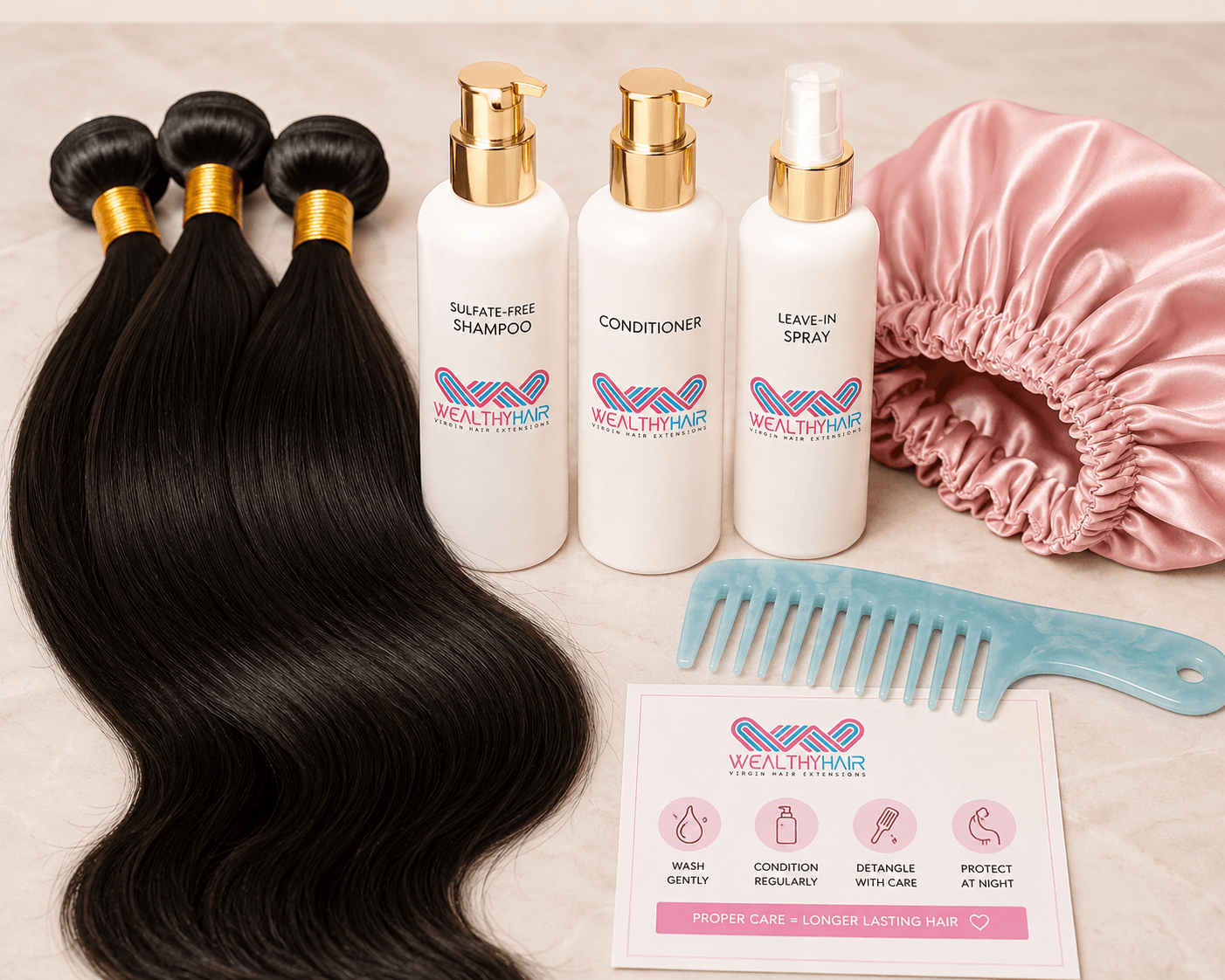
Indian Remy hair can last over 7 months with proper care. A higher price can be worth it when the hair lasts longer and stays less worn with proper care. It lasts longer than non-Remy hair because aligned cuticles help prevent tangling and roughness. Wealthy Hair suggests using sulfate-free shampoo, leave-in conditioner, heat protectant, and gentle nighttime care.
Can You Wash Indian Remy Hair?
Yes, you can wash Indian Remy hair. Because it is human hair, it can handle gentle cleansing better than synthetic hair. Wealthy Hair recommends washing every 7–10 days with sulfate-free shampoo and moisturizing conditioner.
Can You Curl Or Straighten Indian Remy Hair?
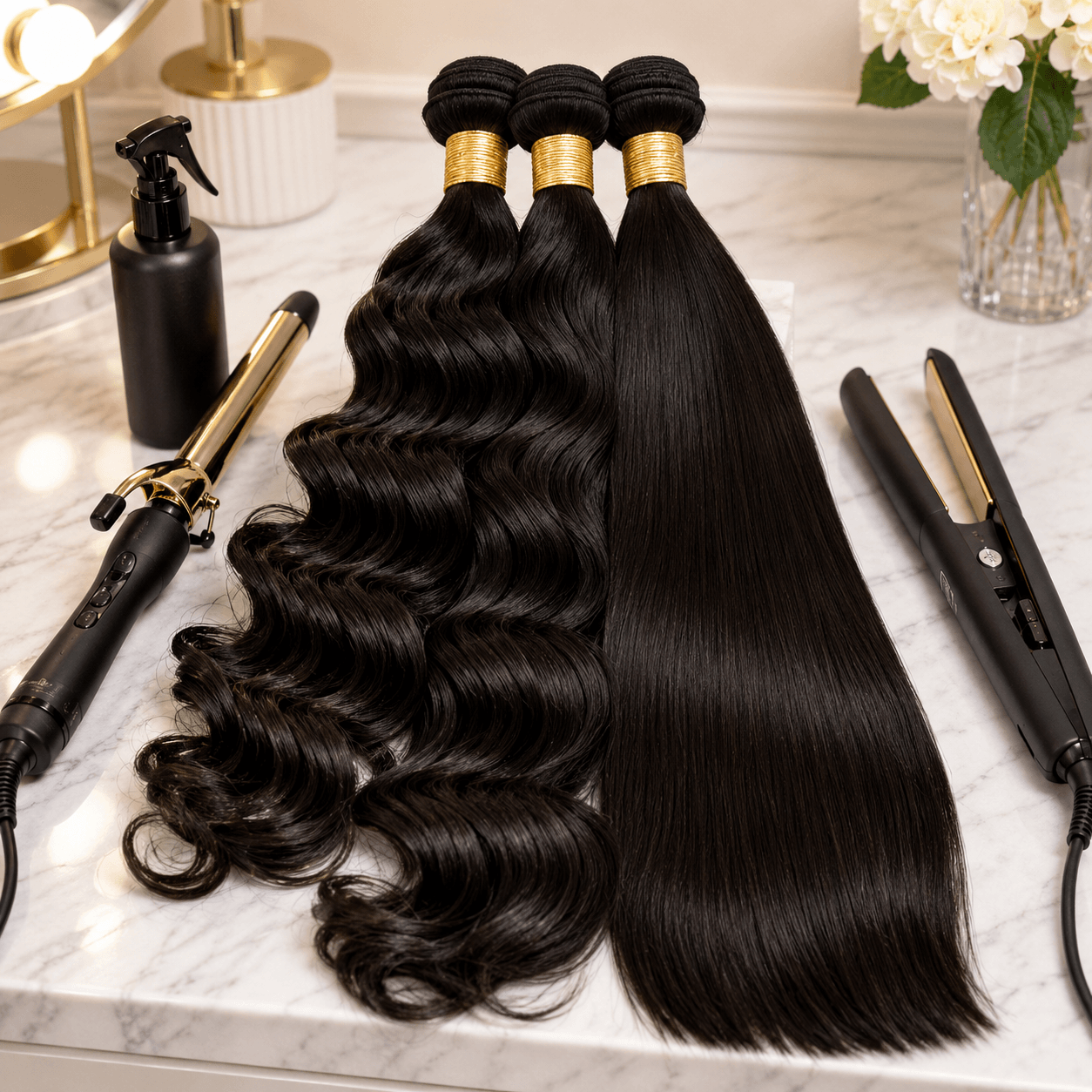
Yes, Indian Remy hair can be heat styled. Depending on the texture purchased, it can be worn straight, wavy, or curly after styling. Its human hair structure allows this flexibility, but too much heat can dry out the strands. Wealthy Hair recommends heat protectant and a moderate temperature of about 300°F–350°F.
Does Indian Remy Hair Tangle Or Shed?
High-quality Indian Remy hair should have low tangling and minimal shedding. Cuticle alignment helps the strands move smoothly, while strong weft construction helps control shedding. Wealthy Hair recommends gentle detangling, proper washing, and avoiding heavy oils near the weft.
Is Indian Remy Hair Good For Sew-Ins?
Yes, Indian Remy hair is good for sew-ins because it is soft, light, and easy to blend. It is often a smart purchase for sew-ins when you want a light blend for fine hair. The natural hair wave and fine density help the style look realistic without feeling too heavy. Wealthy Hair recommends a licensed stylist for a flat, comfortable, protective install.
Is Indian Remy Hair Good For Wigs?

Yes, Indian Remy hair is a great choice for lace front wigs and closure wigs, and a good wig made with Indian Remy can create a natural look with beautiful hair. It moves naturally, holds styles well, and gives a soft finish. Wealthy Hair recommends choosing the right density, lace type, and texture, with options often including straight hair, body wave, and curly, for the most natural look.
Is Indian Remy Hair Worth The Money?
Yes, Indian Remy hair is worth the money when it is truly cuticle-aligned and properly made. It can last longer than cheaper non-Remy hair and usually looks more natural after washing. Wealthy Hair helps customers choose high-quality hair that fits their style, budget, and care routine. Many women decide to purchase Indian Remy because the natural look and longer wear can justify the price.

