

Wealthy Hair Guides
How To Price Hair Bundles To Sell

The 60-Second Answer:
To learn how to price hair bundles to sell, start by adding your wholesale cost, shipping, packaging, payment fees, and marketing. Then price your hair with a profit margin that matches your hair quality and brand. Most sellers use a 2x to 2.5x markup. Also check competitors, bundle lengths, textures, demand, and your target market before setting your final price, since strong pricing strategies help you sell hair bundles profitably.
Why Hair Bundle Pricing Starts With Quality
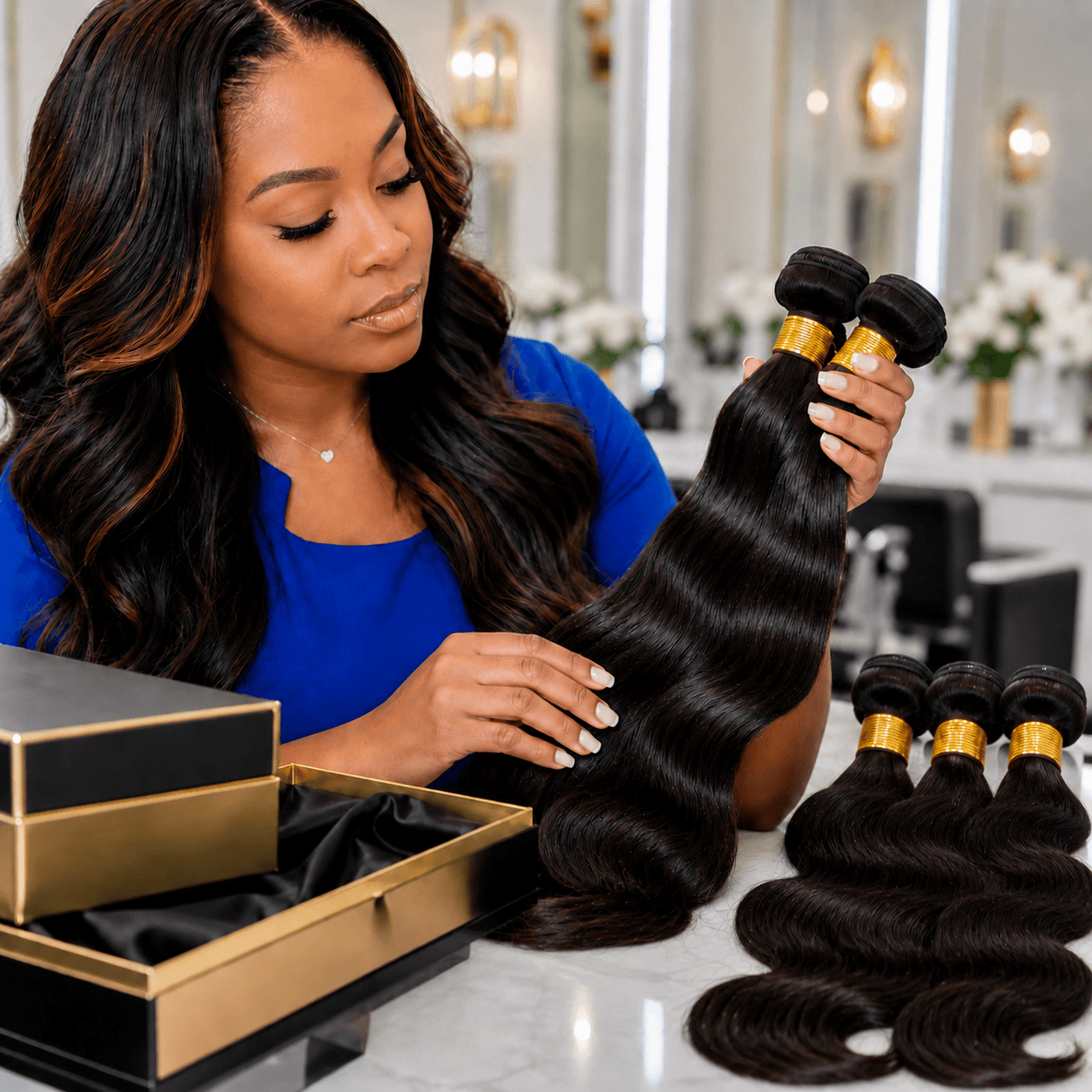
Hair bundle pricing is not only about picking a number that sounds good. It starts with the quality of the hair, the source of the hair, and your position in the hair market, and the real cost of getting that product to your customer.
Premium human hair wigs cost more because better hair usually requires stronger donor integrity, cleaner sourcing, better sorting, and careful quality control. High-quality hair should have smooth cuticle alignment, soft movement, good tensile strength, and a protein-rich cortex that helps the strands hold up through washing, styling, and daily wear.
When hair is non-acid-washed and properly processed, the strands are less likely to feel rough, dry, or overly coated. This matters because customers do not only buy bundles. They buy softness, fullness, longevity, low shedding, low tangling, and confidence.
A profitable price should include your product cost, shipping cost, packaging cost, payment processing fees, marketing costs, and profit. Strong pricing starts with knowing your numbers, not guessing.
Quality Controls The Retail Price
Brazilian hair bundles, Peruvian hair bundles, Malaysian hair bundles, Indian hair bundles, European hair, virgin hair bundles, raw hair bundles, Remy hair, and non-Remy hair should not all be priced the same. Each type has a different vendor cost, market value, texture, luster level, and expected lifespan, so sellers need clear product knowledge when advising buyers on human hair weaves.
For example, raw hair bundles usually cost more because the sourcing is more limited and the hair may have less processing. Virgin hair bundles may also carry a higher retail price when the cuticles are aligned and the strands have not been heavily chemically treated.
Do not copy competitors without knowing their vendor cost or hair quality. A cheaper seller may be using lower-grade hair, smaller bundle weights, poor packaging, or a different dropshipping model.
Hair Bundle Pricing Comparison Matrix
| Hair Type | Longevity | Luster Level | Processing Method | Pricing Position |
|---|---|---|---|---|
| Non-Remy Hair | Shorter Wear | Medium To High | Mixed Cuticle Direction | Budget Pricing |
| Remy Hair | Moderate To Long | Natural Shine | Cuticles Mostly Aligned | Mid-Range Pricing |
| Virgin Hair Bundles | Long Wear | Soft Natural Luster | Minimal Chemical Processing | Premium Pricing |
| Raw Hair Bundles | Longest Wear Potential | Natural, Less Uniform | Least Processed | Luxury Pricing |
| 3 Bundle Deal | Depends On Hair Type | Depends On Texture | Based On Selected Hair | Value-Based Pricing |
Markup Protects Your Profit Margin
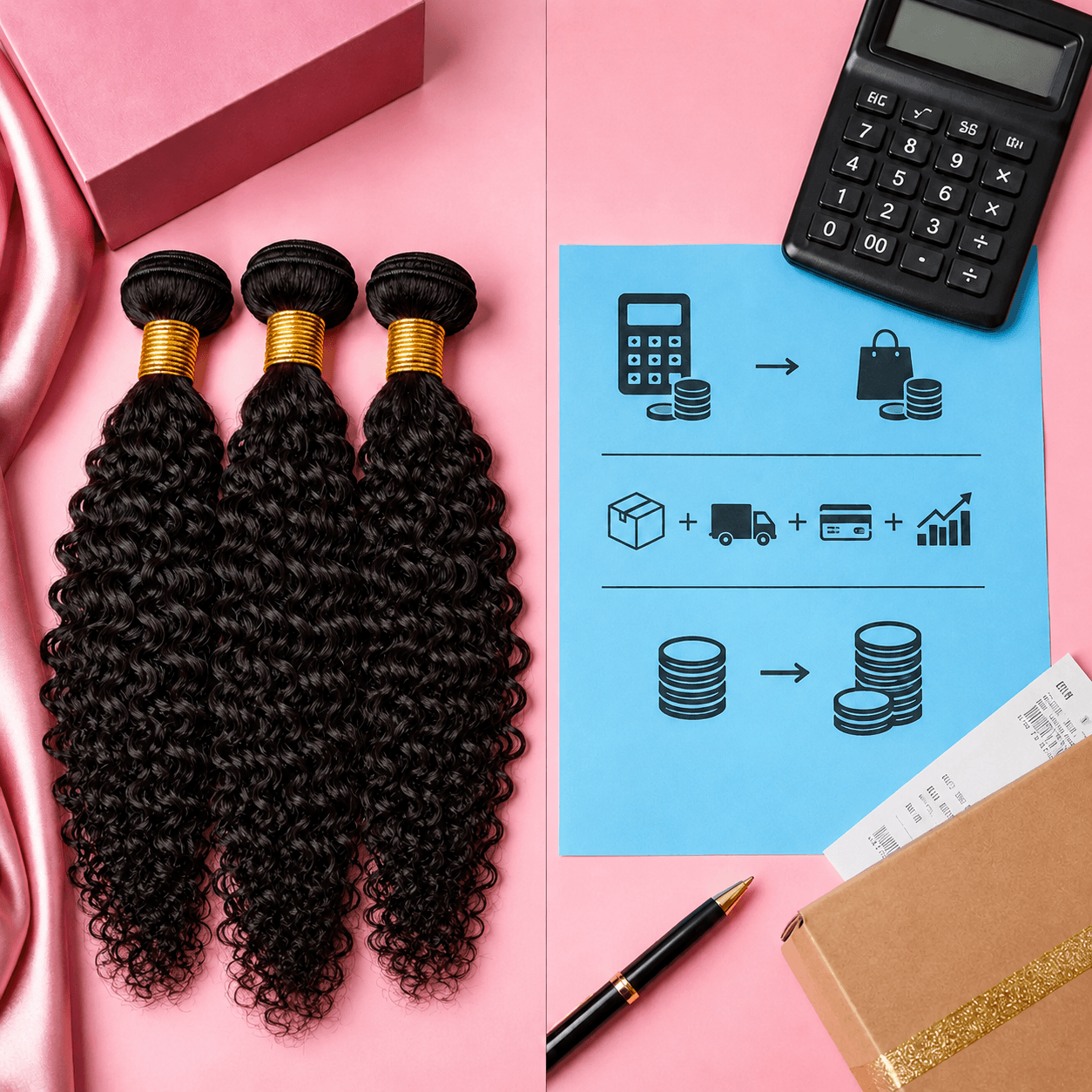
A common hair wig pricing strategy is to mark up wholesale cost by 2x to 2.5x. Some premium brands may charge up to 3x when they have strong quality, luxury packaging, great reviews, and repeat customers.
The Keystone markup method means doubling your cost to set your retail price. For example, if one bundle costs you $50 wholesale, Keystone pricing would make the retail price $100.
But Keystone pricing does not always work for every brand. If your product is rare, longer, raw, luxury, or expensive to ship, you may need a higher markup. If you are selling affordable hair bundles, you may use a smaller markup but must watch your profit margin closely.
Typical profit margins for hair bundles may range from 30% to 70%, depending on the business model. An ideal markup for strong profit often starts around 80% to 100%, while luxury brands may mark up higher when the customer experience supports the price.
Length-Based Pricing Prevents Loss
Hair bundle prices should change as length increases because longer bundles cost more to source. Customers may also want bundles in different lengths for a fuller, more natural install. A 12-inch bundle should not be priced like a 26-inch bundle.
Length-based pricing helps you protect your profit. Longer bundles need more donor hair, more sorting, and often come with higher vendor costs.
Texture-based pricing also matters. Curly, deep wave, kinky curly, and special textures may cost more than straight textures because they require more careful processing and quality control, while two bundles may be enough for shorter styles.
Bundle Deals Increase Order Value
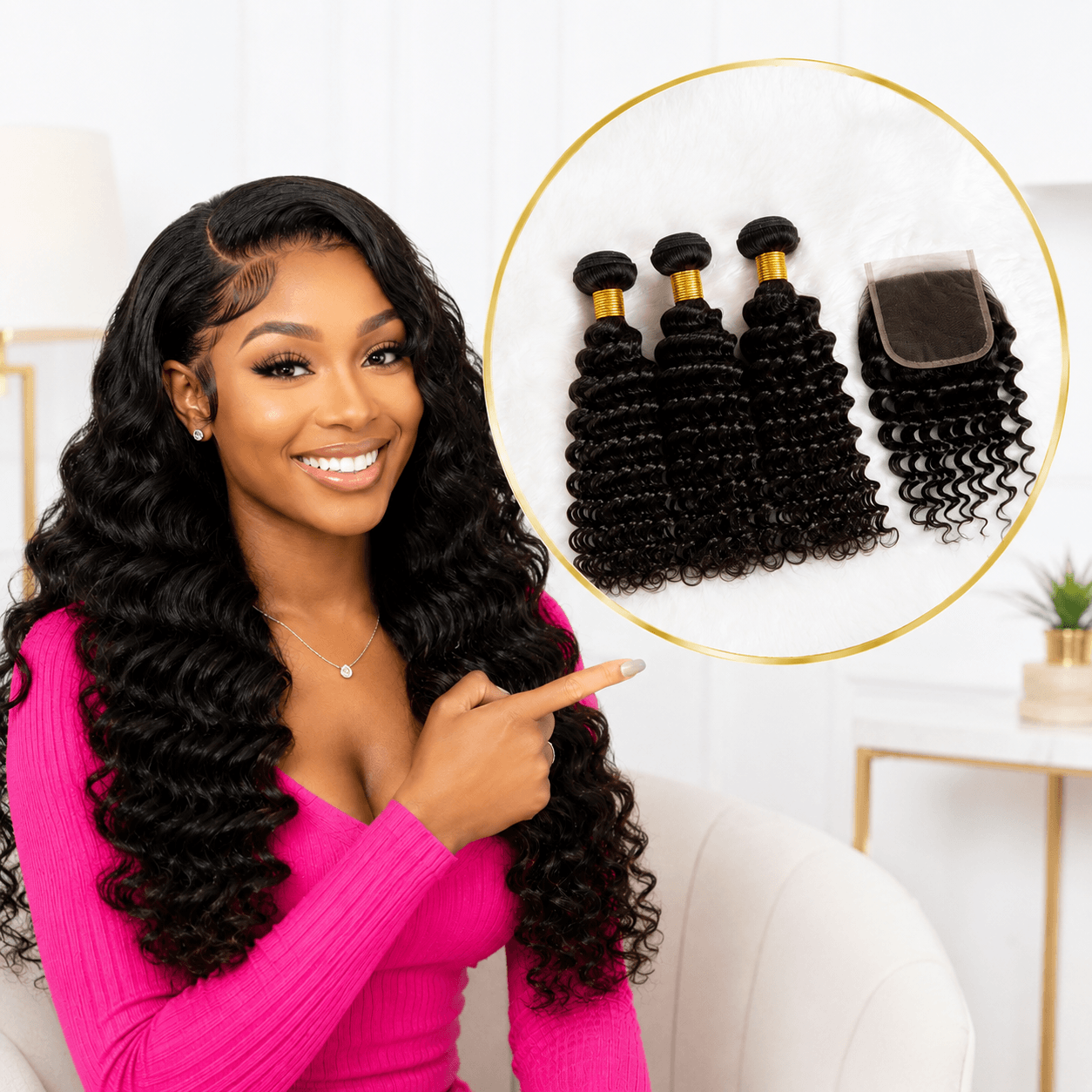
A hair bundle deals offer can help you increase sales volume and average order value. In the hair industry, these packages often combine multiple lengths in one purchase for better value than buying each bundle separately. Customers often like bundle deals because they feel easier and more affordable than buying single bundles one at a time.
However, bundle deal pricing must still protect your profit margin. Do not discount so much that you lose money after shipping, packaging, card fees, and marketing.
A smart 3 bundle deal includes the total cost of all three bundles, packaging, delivery, and your profit. You can offer discounts carefully to encourage bulk buying, and a slightly lower price can help the deal feel valuable without hurting profit.
Supplier Costs Must Be Tested
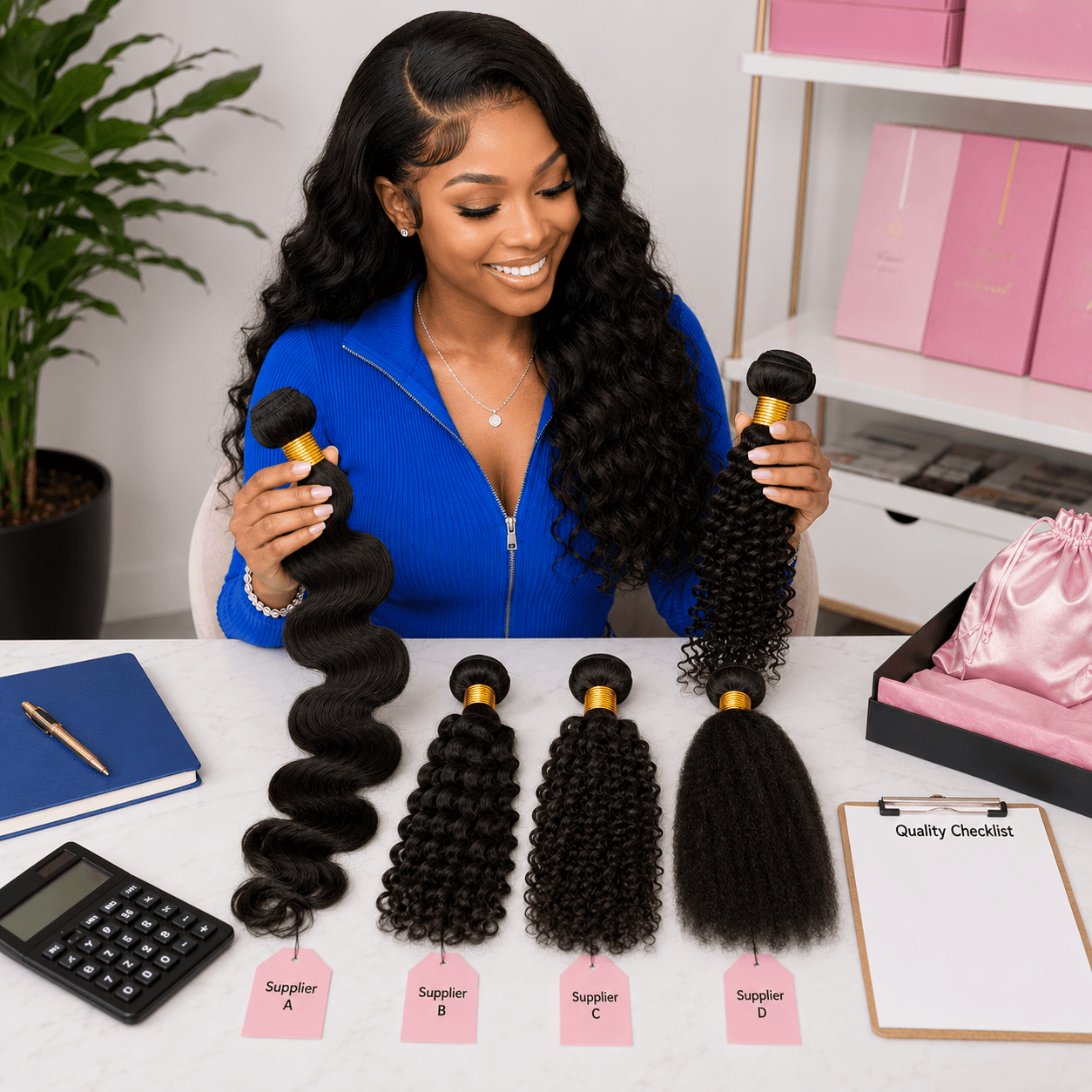
Based on real hair business pricing mistakes beginners make, many new sellers choose the first hair vendor they find. That is risky.
Before picking a supplier, check at least 10 different suppliers when possible. Comparing suppliers helps you choose a reliable hair company, not just the cheapest reseller. Many suppliers are not direct manufacturers. Some are resellers who buy from factories, add their own markup, and then sell to you as a “vendor.”
To test quality, order samples before building your full price list. A 20-inch bundle is a good test length because it shows softness, fullness, shedding, tangling, smell, texture, and longevity better than very short hair.
Brand Value Supports Premium Pricing
Cheap pricing can hurt your brand if it lowers customer trust. Customers may wonder if the hair is fake, thin, mixed, or low quality.
Strong brand identity helps your pricing make sense. Your brand name, logo, packaging, private label, product photos, return policy, refund policy, and social media presence all shape how customers see your value.
Good packaging can improve the first impression customers have of your brand. Social media also matters because platforms like YouTube, Facebook, Instagram, and TikTok help hair businesses show texture, installs, reviews, and real customer results. Since 81% of Americans have at least one social media profile, these platforms are valuable for building brand awareness.
Wealthy Hair Pricing And Care Protocol
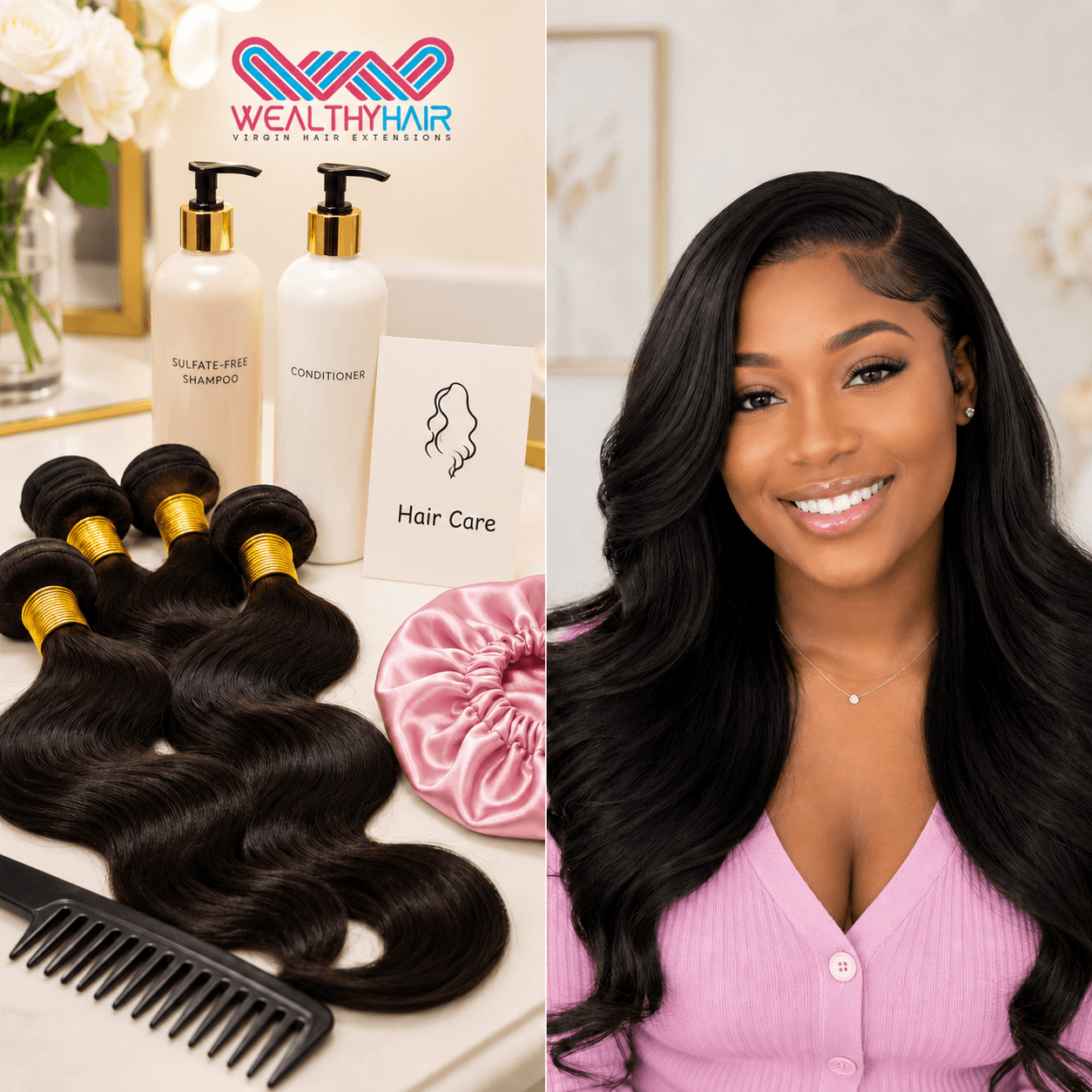
- Calculate Your Baseline Cost First
Add wholesale cost, shipping, packaging, payment fees, marketing, and labor before setting your retail price. - Choose A Safe Markup
Start with 2x to 2.5x markup for most retail hair bundles. Use higher pricing only when quality, customer service, and brand trust support it. - Price By Length And Texture
Increase prices as length increases. Charge correctly for curly, deep wave, raw, virgin, closure, and frontal options. - Build A 3 Bundle Deal Carefully
Add the total cost of all bundles first, then apply a small discount that still leaves profit. - Set A Free Shipping Threshold
Offer free shipping only when the order value is high enough to cover the delivery cost. - Protect The Hair After Purchase
Teach customers to wash human hair extensions with sulfate-free shampoo every 7–10 days, detangle gently from ends to roots, and use a heat protectant before styling. - Keep Heat Moderate
Recommend heat styling at 350°F maximum when possible to help protect the cuticle and reduce dryness. - Review Prices Often
Update your price list when vendor costs, shipping fees, ad costs, or packaging costs change.
The Wealthy Hair Quality Standard
At Wealthy Hair, quality starts with sourcing, hair selection, and strict control standards. Premium hair should be chosen for donor integrity, softness, movement, cuticle alignment, and long-term wear. Wealthy Hair focuses on high-quality human hair extensions that support styling flexibility, natural-looking installs, and repeat customer trust. Every hair business owner should choose quality hair, a realistic pricing strategy to help sell products more consistently, clear policies, and a reliable wholesale account before selling to customers. They should also know their target market before they start selling hair bundles.
People Also Ask
How Do I Price Hair Bundles To Sell?

Price hair bundles by adding your wholesale cost, business expenses, transaction fees, and profit margin. This works because your retail price must cover the true cost of selling, not just the vendor cost. Wealthy Hair teaches beginners to price from their numbers first so they do not lose money.
How Much Should I Sell Hair Bundles For?
Standard human hair bundles may sell around $60 to $100, while high-grade virgin hair can exceed $180 per bundle. The final price depends on length, texture, sourcing, bundle weight, and hair quality. Wealthy Hair helps sellers understand when to use affordable, mid-range, or premium pricing tiers.
How Do I Calculate Hair Bundle Prices?
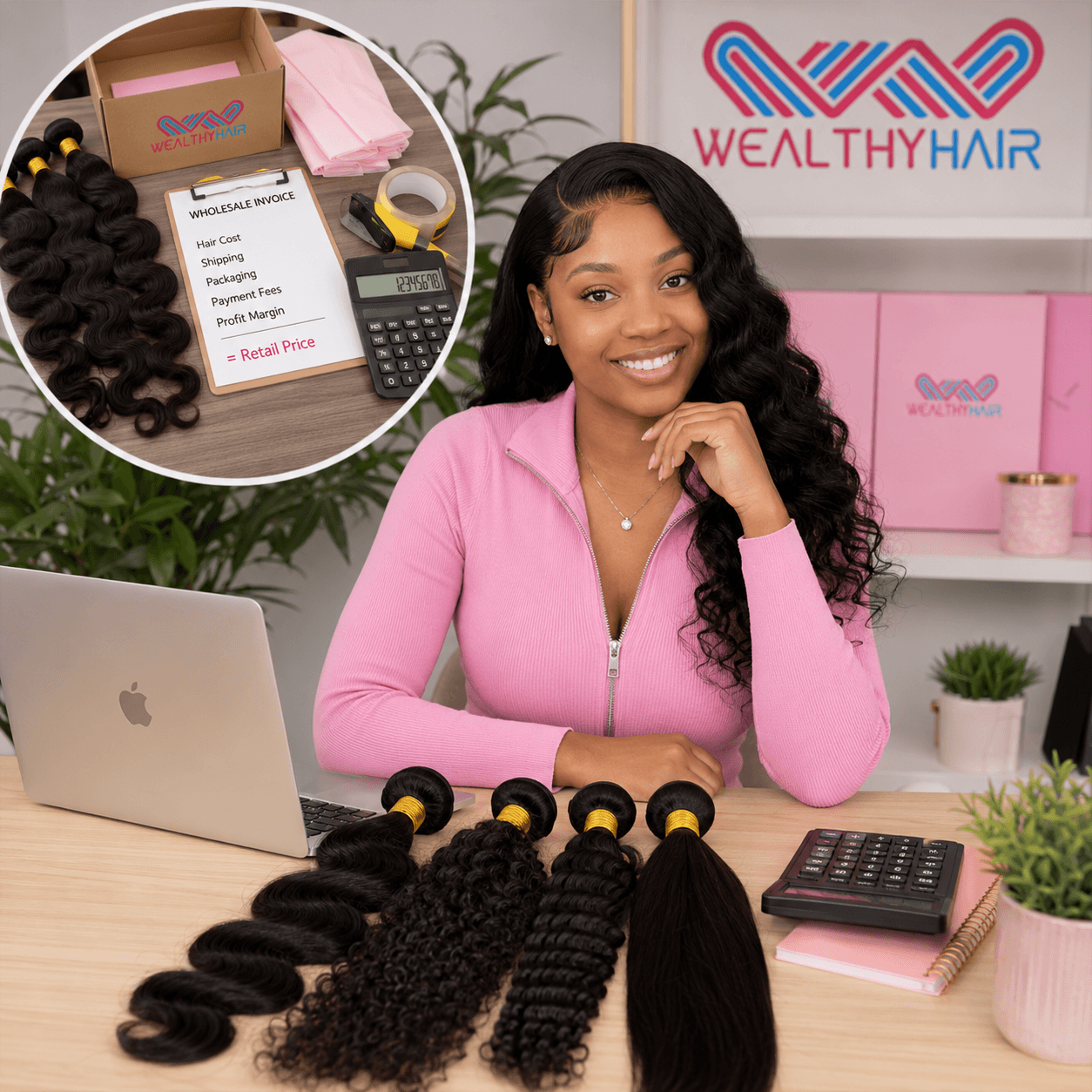
Calculate hair bundle prices by adding COGS, shipping, packaging, card fees, marketing, and profit. This gives you a break-even point before you choose your final retail price. Wealthy Hair recommends using a simple price list so every length and texture stays profitable.
What Is The Best Profit Margin For Hair Bundles?
A good profit margin for hair bundles is often between 30% and 70%. The reason is that hair sellers must cover hidden costs like returns, ads, payment fees, and shipping changes. Wealthy Hair encourages sellers to protect profit while still giving customers fair value.
How Much Profit Can You Make Selling Hair Bundles?
Your profit depends on your vendor cost, markup, sales volume, and marketing expenses. A seller with strong pricing, repeat customers, and controlled costs can earn more than a seller who guesses prices. Wealthy Hair focuses on helping business owners build repeat orders, not just one-time sales. The widespread usage of bundles can make this category profitable when pricing and repeat sales are managed well.
How To Price 3 Bundle Deals
Price a 3 bundle deal by adding the cost of all three bundles, fees, packaging, shipping, and profit before giving a discount. This matters because bundle deals can look profitable but still lose money if expenses are ignored. Wealthy Hair recommends small value-based discounts instead of deep discounts that damage your margin.
How To Price Hair Bundles For Beginners
Beginners should use a simple formula: wholesale cost plus business expenses plus profit margin. This keeps pricing easy to understand and protects the business from undercharging. Wealthy Hair helps beginners avoid copying competitors without knowing their true costs.
How To Set Retail Prices For Hair Extensions
Set retail prices for hair extensions by comparing your cost, quality, market price, keeping in mind the first price a shopper sees shapes value perception, and customer experience. MSRP can help you understand suggested retail pricing, but your final price must fit your brand and expenses. Wealthy Hair recommends reviewing competitor pricing only after you know your own numbers.
How To Price Wholesale Hair Bundles
Wholesale hair bundles should be priced lower than retail but still high enough to protect profit. Wholesale pricing works best when buyers order larger quantities or qualify for a wholesale account. Wealthy Hair helps sellers understand the difference between retail pricing, wholesale pricing, and dropshipping pricing.
How To Price Hair Bundles For Dropshipping
Dropshipping prices should include vendor cost, fulfillment cost, shipping, transaction fees, and customer service time, especially when setting prices in an online store. This matters because dropshipping may have lower inventory risk but can still carry higher per-order costs. Wealthy Hair recommends pricing dropshipping orders with enough margin to handle returns, exchanges, and support for sellers who sell hair bundles online.
How To Offer Bundle Deals And Still Make Profit
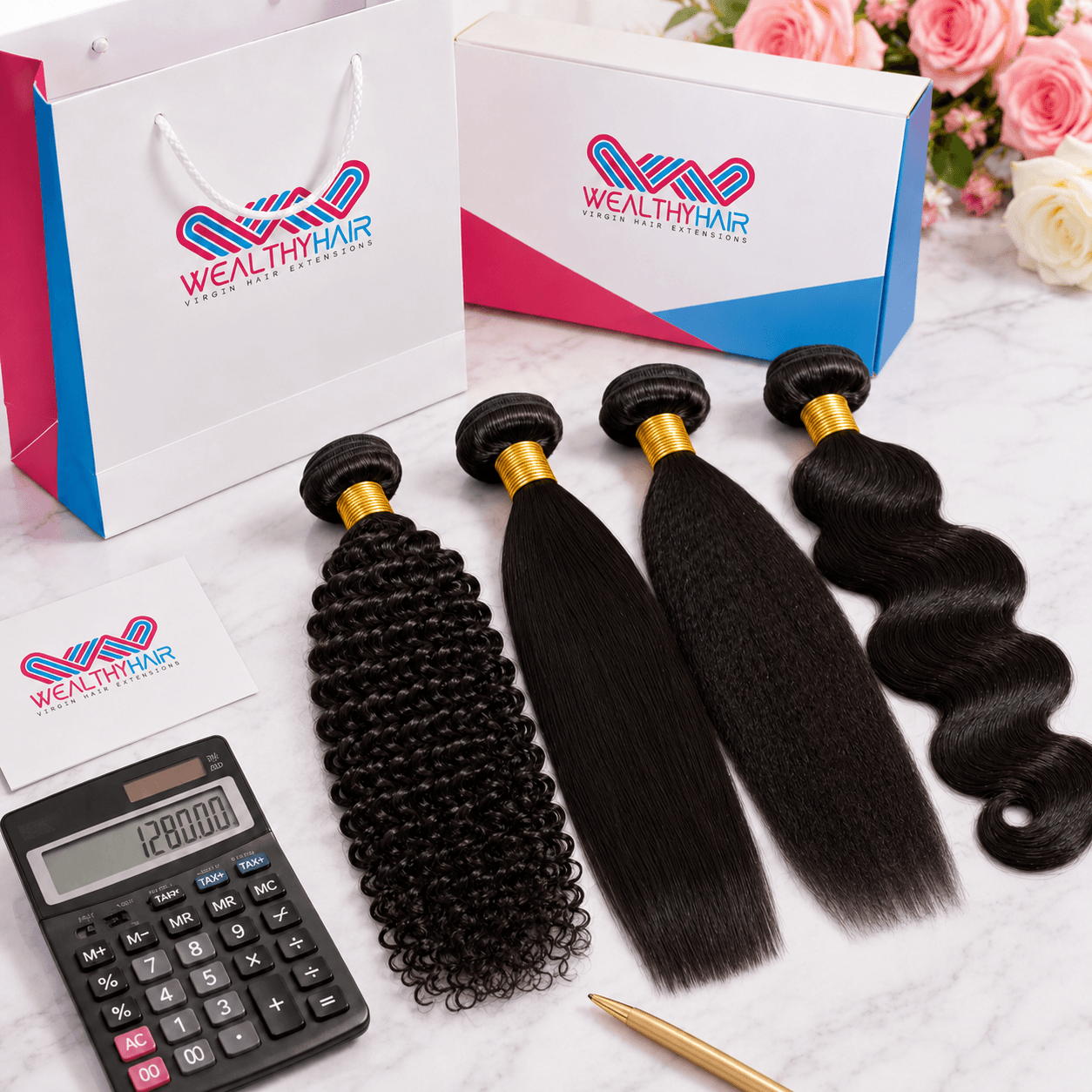
Offer bundle deals by discounting the set, not by removing your profit. The goal is to increase average order value while keeping each sale healthy. Wealthy Hair suggests using bundle deals for seasonal promotions, new customer offers, and free shipping thresholds.
How To Charge For Hair Bundles With Shipping Included
Charge for shipping-included bundles by adding the average shipping cost into the retail price. This helps avoid surprise losses when delivery costs rise. Wealthy Hair recommends using free shipping only when your price or order minimum can absorb the shipping expense.

