

Wealthy Hair Guides
What is a Frontal Hair? A Beginner’s Guide to Choosing and Styling
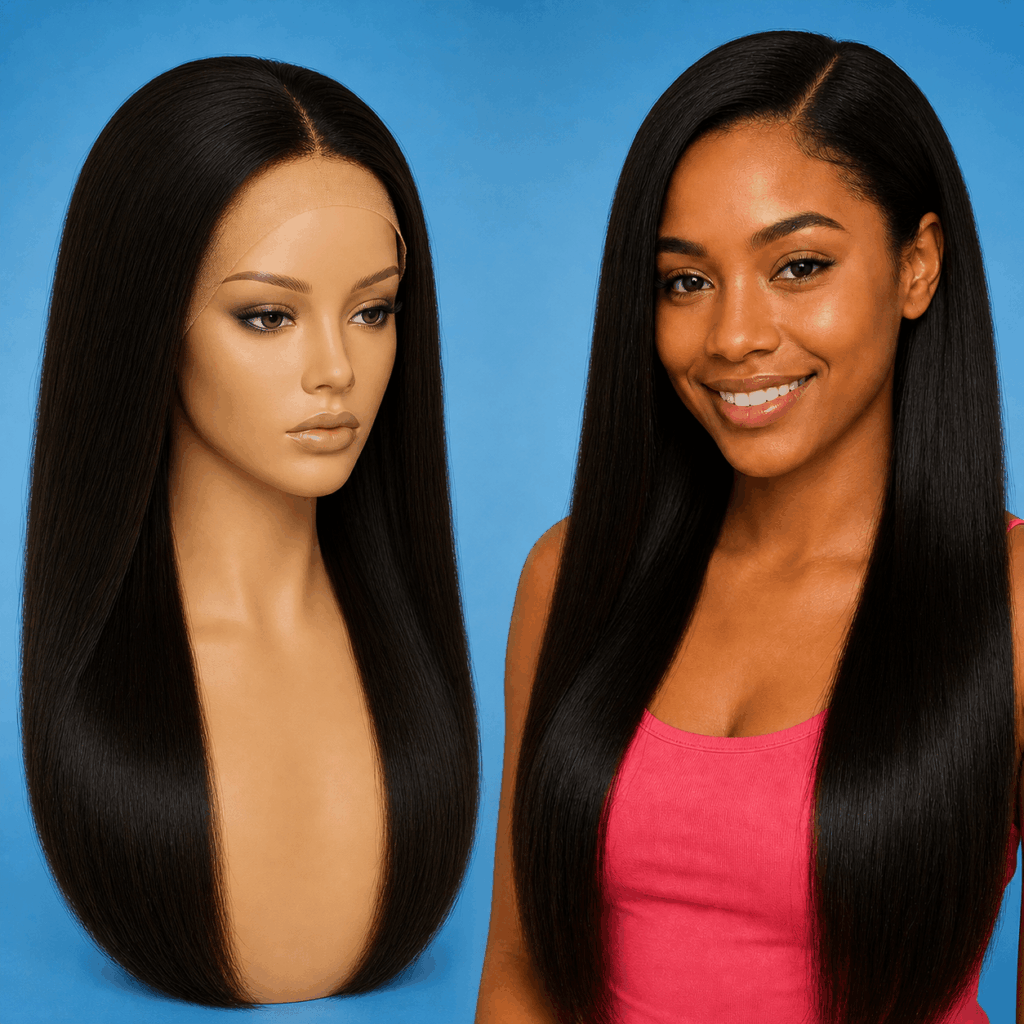
The 60-Second Answer:
What is a Frontal Hair? A frontal hair is a lace hairpiece that covers the front hairline from ear to ear, creating a natural-looking finish for wigs or sew-ins. It allows flexible styling, including middle parts, side parts, baby hair, and updos. Beginners should choose high-quality human hair, the right lace shade, and a texture that blends naturally.
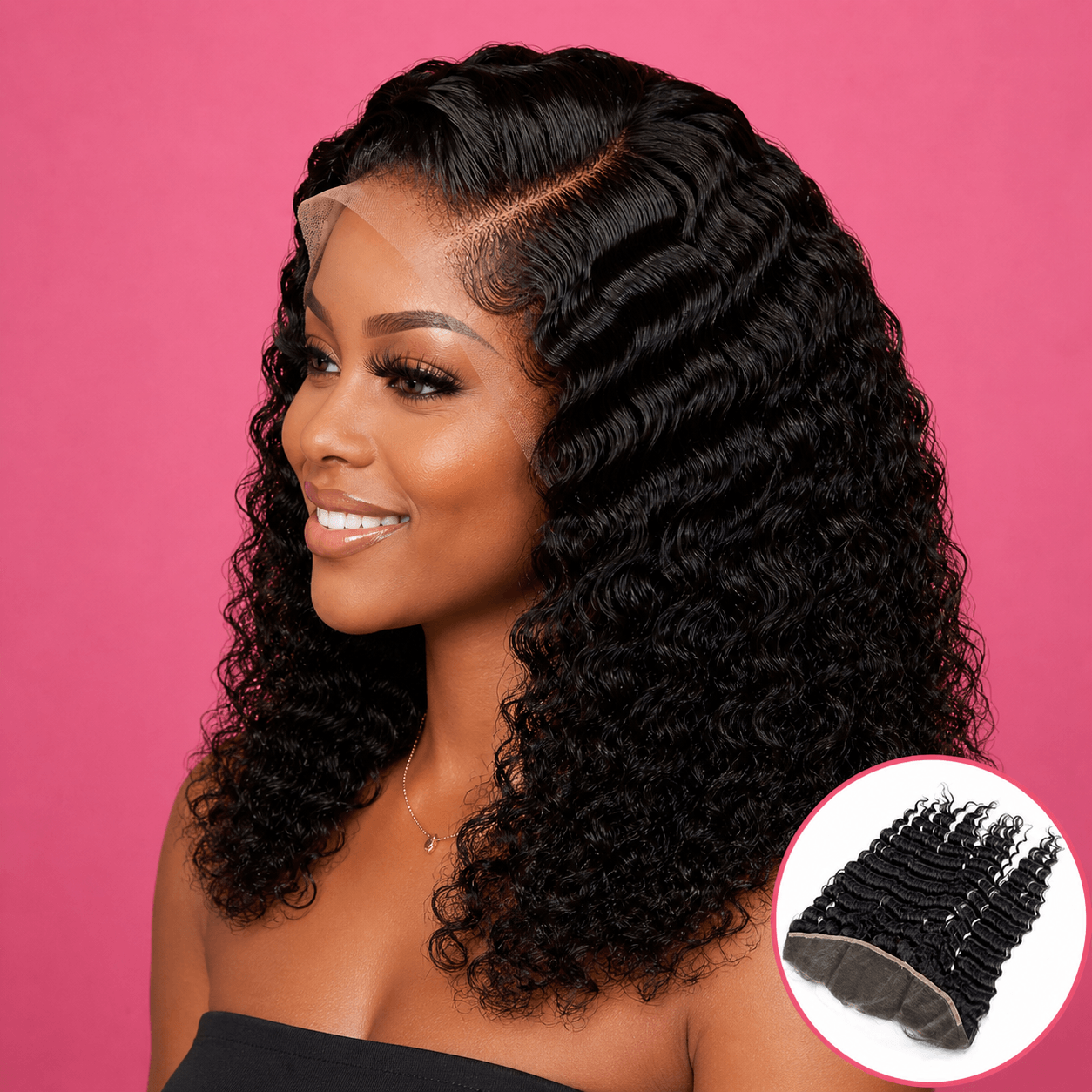
How a Lace Frontal Hair System Works for Realistic Coverage
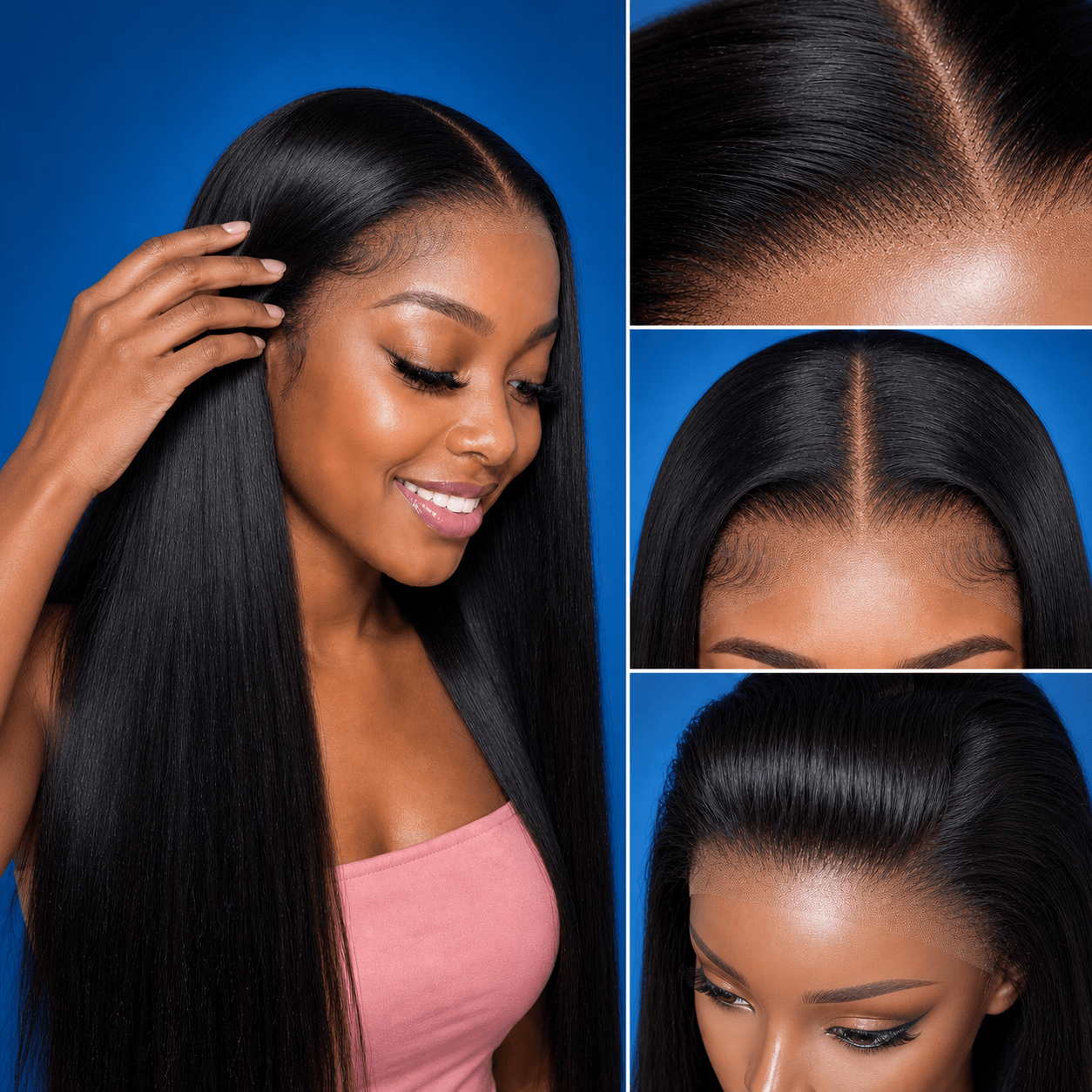
A frontal hair, also called a lace frontal, hair frontal, frontal hairpiece, or frontal hair system, is a hairpiece designed to cover the full front hairline. Most standard lace frontals measure about 13 inches from ear to ear and go back about 4 to 6 inches toward the crown. Frontals include more material than closures, which allows for more versatile styling options and natural-looking parting.
The base is usually made from lace material or silk, which helps create a scalp-like appearance. Lace material is especially valued for its breathability and its ability to blend seamlessly with the scalp, enhancing the natural look and allowing for various parting styles. Individual hair strands are hand-tied into the lace so the hair looks like it is growing directly from the scalp, creating the illusion of hair growing from the scalp for an undetectable hairline. This is what gives a frontal its soft, natural hairline and realistic movement.
A lace frontal hair system is often used with hair bundles, a sew-in install, or a wig install. It can also be used for people who want to cover thinning edges, a receding hairline, balding areas, or alopecia. When installed correctly, frontal hair can give the natural edges a break from daily styling, heat, and manipulation.
The Anatomy Of A Lace Frontal Hair System
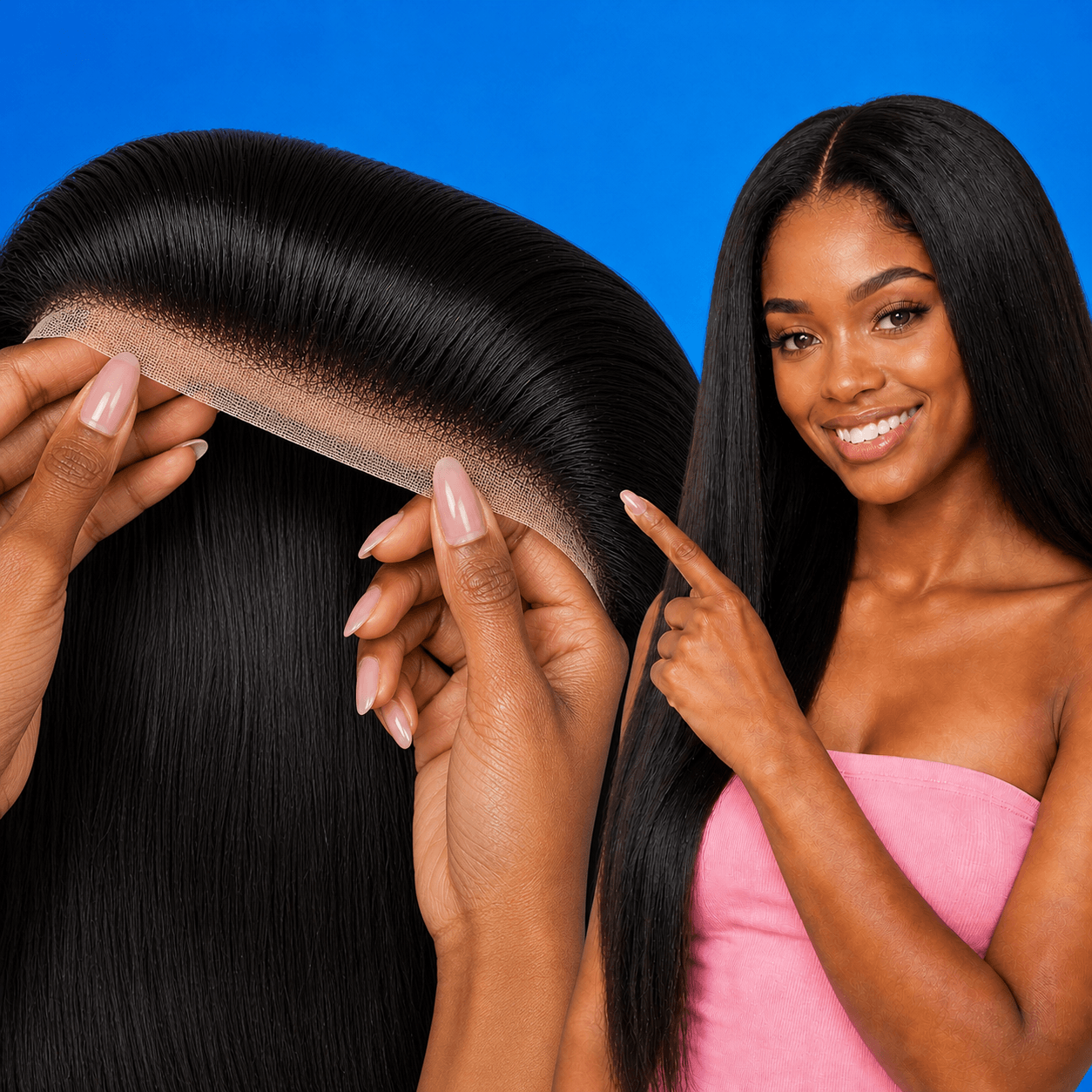
A good lace frontal is more than a pretty hairpiece. It has structure, materials, and quality markers that affect how natural it looks and how long it lasts. Some frontals and closures use a scalp-like material at the base to mimic the appearance of a real scalp, especially at the parting space, for a more realistic look. While lace is the most common base, silk material is also used as an alternative. Silk material offers a realistic appearance by closely resembling the scalp, making the hairpiece look more natural. Silk closures, which use this silk material, are another closure option and are often compared to lace closures for their ability to better mimic the look of natural scalp skin.
Lace Type Controls The Blend
The lace is the base that sits against your scalp. Common lace types include HD lace, Swiss lace, transparent lace, and brown lace. HD lace is often chosen for the most undetectable finish because it is thin and blends easily, while Swiss lace is known for being soft, breathable, and beginner-friendly.
The lace should match your scalp tone, not just your face color. If the lace is too light or too dark, lace tint can help create a better blend.
Hand-Tied Hair Creates Realism
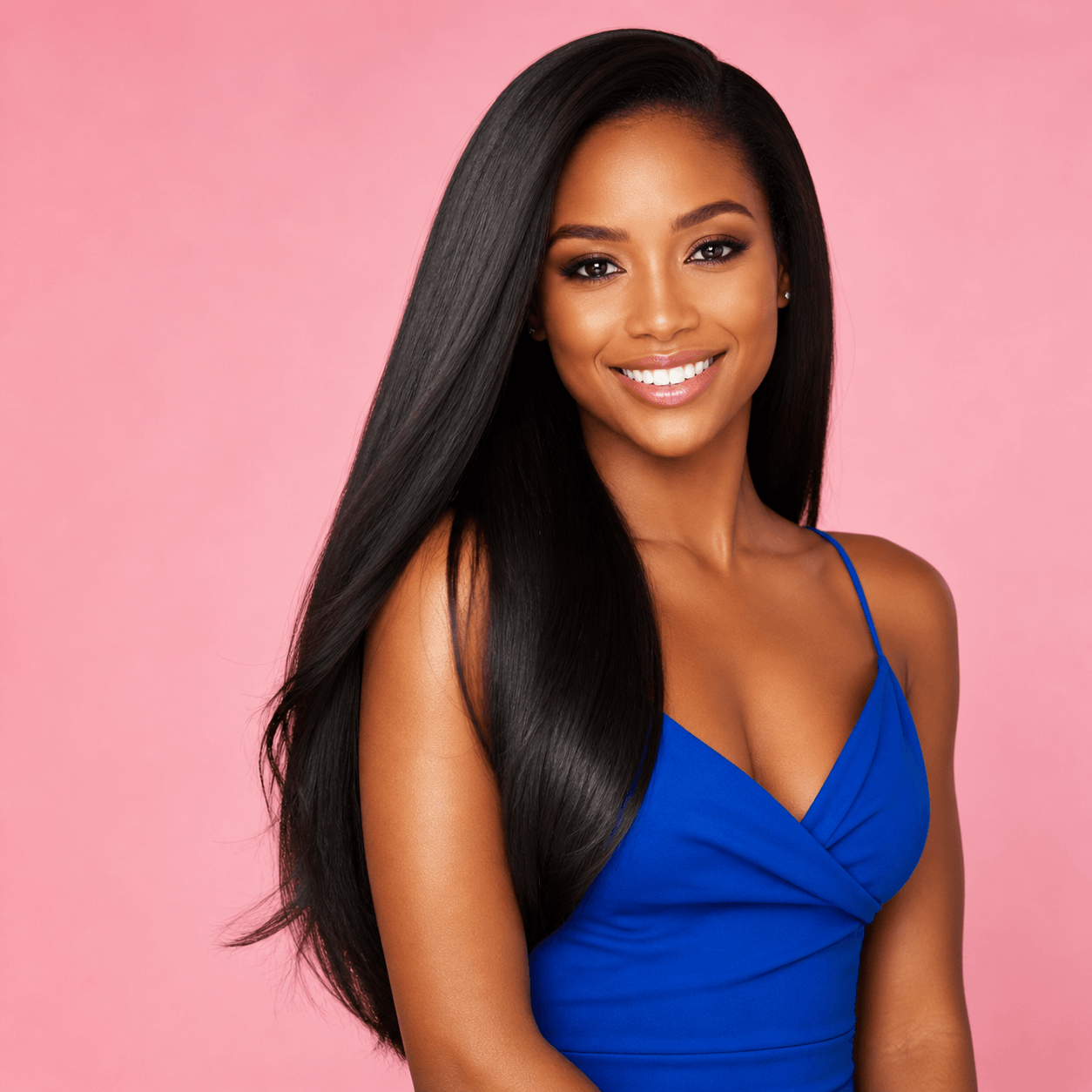
Most frontals have hand-tied hair strands. This means each strand is tied into the lace by hand, which helps the frontal move more naturally. When the knots are small, bleached properly, and placed well, the lace can create the illusion of hair growing directly from the scalp.
A pre-plucked hairline and soft baby hair can also help the frontal look more realistic. However, over-plucking can make the hairline look thin or damaged.
Hair Quality Affects Longevity
Human hair frontal options usually offer more styling flexibility than synthetic frontal hair. High-quality Remy human hair keeps the cuticle direction aligned, which can reduce tangling and improve softness. Virgin human hair has not been chemically processed, so it may offer better donor integrity, stronger tensile strength, and a healthier protein-rich cortex.
From a hair-quality perspective, the best frontal should have unidirectional cuticle alignment, non-acid-washed processing, soft luster, and a texture that matches your desired style.
Discover the latest and trendiest lace frontal hairstyles to try for a fresh and stylish look. Get inspired with our must-try looks: The Best Lace Frontal hairstyles: Must Try Looks.
What Is Frontal Hair Used For?
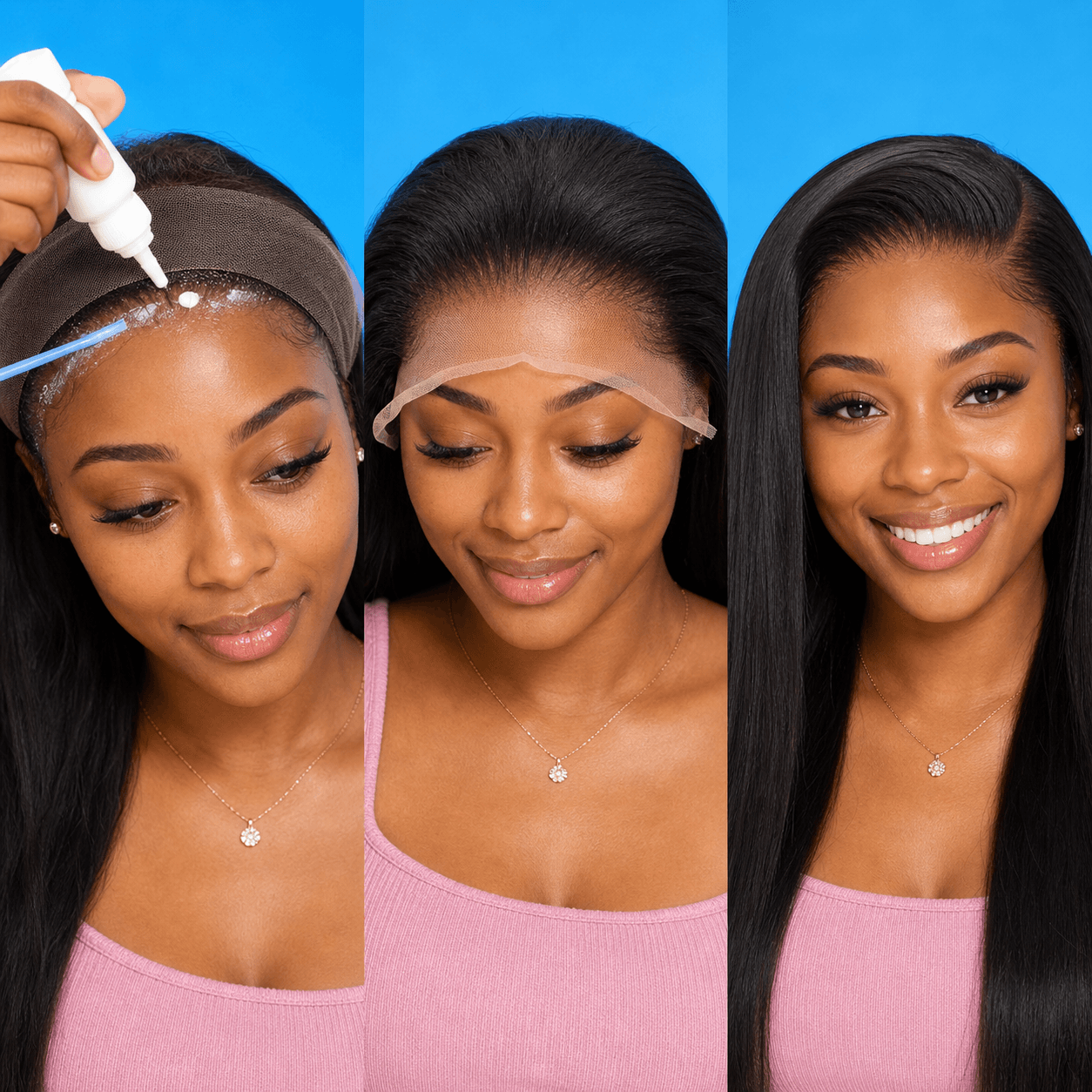
Frontal hair is used to create a natural-looking hairline, protect natural hair, and give more styling options. Compared to a lace closure wig, frontals offer more versatility, enabling different hairstyles such as center parts, side parts, ponytails, and updos. This makes them popular for sew-ins, wigs, protective hairstyles, and hair loss coverage.
Frontals can cover thinning edges, balding, alopecia, or a receding hairline while allowing the natural edges to rest. They are also helpful if you want to wear middle parts, side parts, deep side parts, updos, buns, and ponytail styling without exposing your real hairline. With a 360° frontal, you can pull your hair back into ponytails or updos for complete styling freedom. Additionally, 360° frontals contain more hair, providing increased volume and allowing you to use fewer bundles.
In my professional styling experience, frontal hair looks most natural when the lace, density, and hairline customization match the wearer’s scalp, face shape, and natural hair texture.
Frontal Vs Closure Comparison Matrix
| Feature | Lace Frontal | Lace Closure | Lace Front Wig | 360 Frontal |
|---|---|---|---|---|
| Coverage | Ear-to-ear hairline coverage, frontals and closures differ in that a frontal covers the entire front hairline, while a closure covers a smaller top section | Small top section, closures and frontals offer different coverage, with closures providing less area | Full wig with lace in front | Full perimeter coverage |
| Common Size | 13×4 or 13×6 | 4×4, 5×5, or 6×6 | Varies by wig | Wraps around the head |
| Styling Flexibility | High, a closure and a frontal offer different styling options, with frontals allowing more versatility | Limited, closures and frontals differ, as closures are more limited in parting and styling | Medium to high | Very high |
| Ponytail Styling | Yes, with proper install | Usually no | Sometimes | Yes, including high ponytails |
| Maintenance Level | Medium to high | Low to medium | Medium | High |
| Best For | Natural hairline and versatile styles | Simple parts and easy care | Quick full-head style | Updos and full perimeter realism |
| Cost Level | Usually higher, lace frontal wigs are generally more expensive than closures due to their larger size and greater versatility, and they often require fewer hair bundles for installation | Usually lower | Varies | Usually higher |
Note: This matrix compares the main differences between a closure or frontal. Frontals and closures are both essential hairpieces for creating natural-looking wigs and extensions, each offering unique benefits in terms of coverage, styling, and installation.
What Is The Difference Between A Frontal And A Closure?
A lace frontal usually covers the entire front hairline from ear to ear. A lace closure typically measures 4×4 inches and is used to close off a wig or sew-in at the top of the head, designed to replicate the natural parting of hair along the scalp for a seamless, realistic look.
A standard frontal is often 13 inches wide and 4 to 6 inches deep, such as a 13×4 lace frontal or 13×6 lace frontal. A closure is often 4×4 inches, although larger closure sizes are also available.
Frontals give more styling versatility because they allow deep side parts, middle parts, ponytails, and updos. Closures come in different styles, such as free part closure, which lets you part the hair in any direction, and middle part, which is fixed in the center for a classic look. Closures are ideal for those who prefer to keep the same style and are generally easier to maintain than frontals, allowing for simple washing and conditioning without extensive styling. They usually need less glue, less lace melting, and less frequent customization.
What Is The Difference Between Lace Frontal And Lace Front Wig?
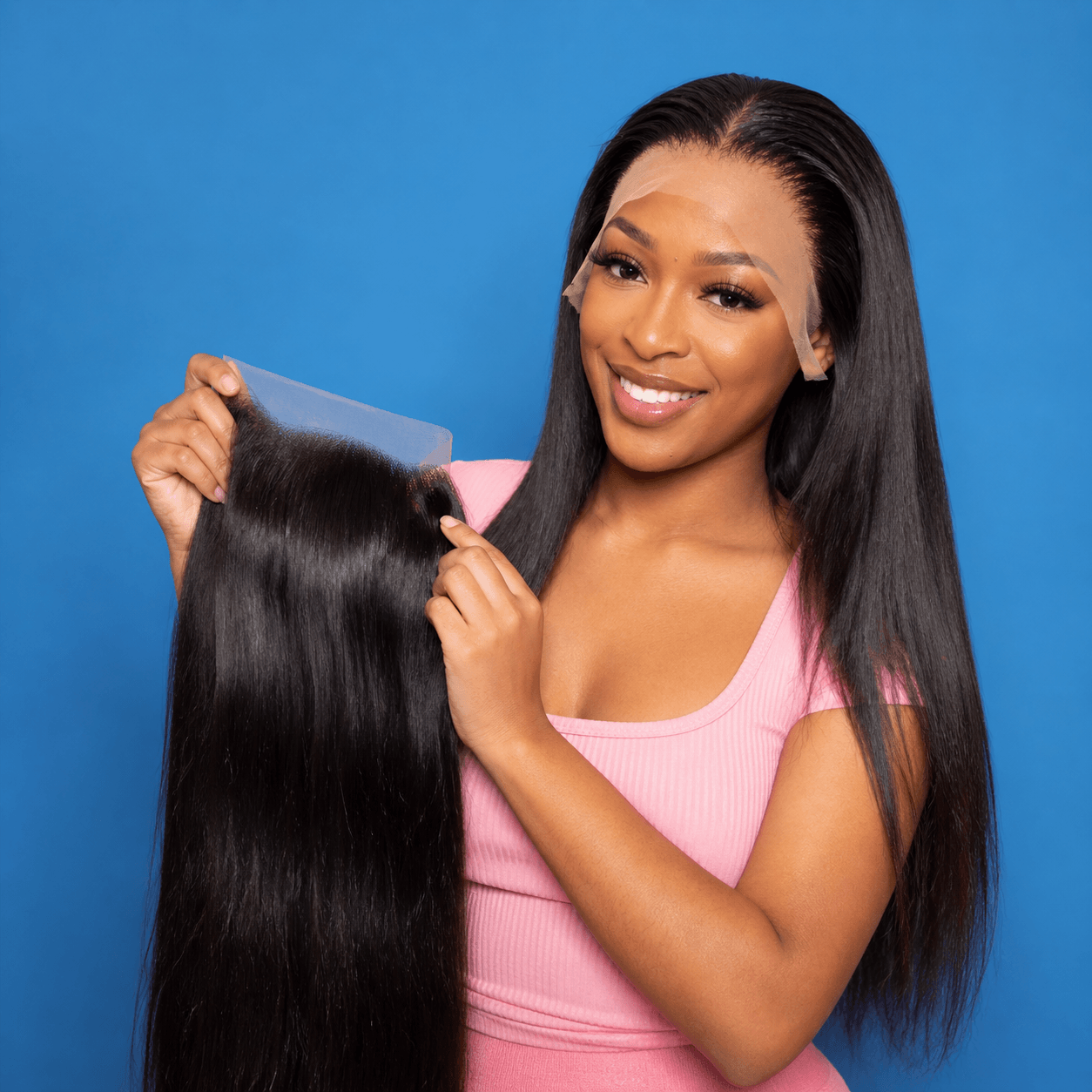
A lace frontal is only the front hairline piece. A lace front wig, also known as a lace frontal wig, is a versatile hairpiece that offers a natural-looking hairline and styling flexibility, as the lace is attached at the front of a full wig.
If you are making a sew-in or custom wig, you may use a lace frontal with hair bundles. If you want a ready-to-wear option, a lace front wig or frontal wig may be easier because the cap, hair, and frontal area are already built together, reducing the need for all that styling.
A frontal gives you more control during a custom install, but achieving a truly natural look with a lace frontal wig may still require all that styling, such as bleaching knots and customizing the hairline. Installing a lace frontal wig correctly is important for achieving a realistic look and minimizing daily upkeep. A lace front wig is usually more convenient for beginners who want a complete unit.
Who Should Use A Frontal Hair System?
A frontal hair system may be a good choice if you want a fuller hairline, styling freedom, or coverage for thinning edges. Frontals and closures are hair pieces specifically designed to help conceal thinning hair, receding hairlines, or hair loss at the top of the head. These hair pieces are especially helpful for individuals with thinning hair or scalp issues, as they provide coverage and a natural appearance.
It is also a great option for anyone who wants a protective hairstyle. Your natural hair can be braided into cornrows under the hair piece, which helps reduce daily heat styling and manipulation.
If you have thinning edges, a sensitive scalp, or active hair loss, consult a licensed stylist or dermatologist before using strong adhesives. Tight hairstyles, weaves, extensions, ponytails, and braids can contribute to traction alopecia when they pull too much on the entire hairline, according to the American Academy of Dermatology and Cleveland Clinic.
Confused about whether to choose frontal human hair or synthetic hair? This comprehensive comparison will help you make an informed decision: Frontal Human Hair vs. Synthetic: A Detailed Comparison.
How Do You Choose The Right Frontal Hair?
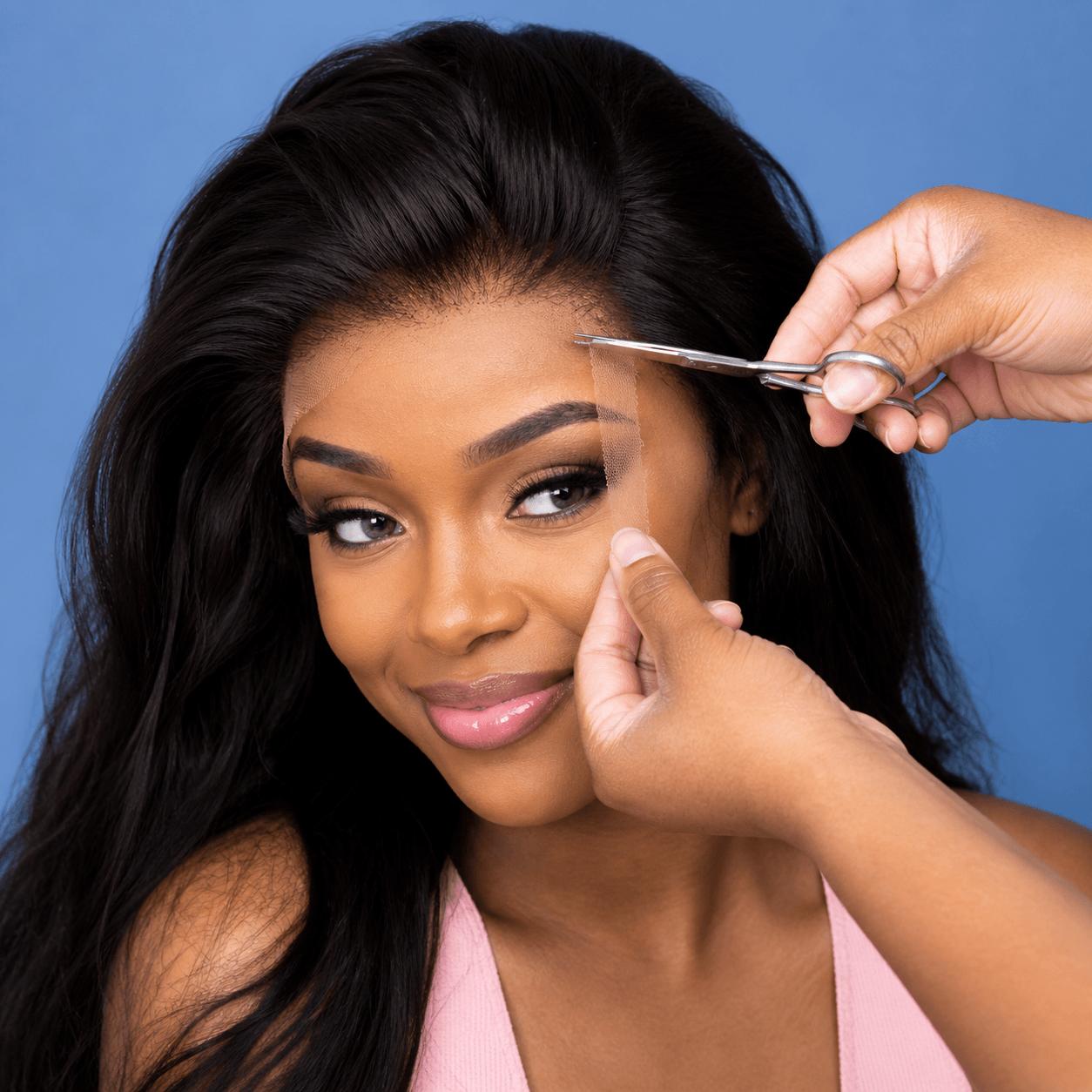
Choosing the right frontal hair starts with considering lace type, texture, density, length, and your lifestyle. Often, the choice between a closure or a frontal comes down to personal preference regarding style flexibility, maintenance, and price. Some lace frontals come with an elastic band included, allowing for an adjustable, secure, and comfortable fit. For the best results, it’s recommended to consult an expert stylist who can sew the lace frontal into place behind your hairline for a seamless and secure installation. Additionally, proper maintenance is essential to prolong the lifespan and appearance of your frontal.
Lace Must Match Your Scalp
Pick lace that blends into your scalp color. HD lace and transparent lace are popular for a soft melt, while brown lace may work better for deeper scalp tones. If the lace is close but not perfect, lace tint can help.
Density Should Look Real
A beginner should choose comfort, fit, and realistic density before choosing dramatic length or heavy volume. A frontal that is too thick at the hairline can look wiggy, even if the hair is expensive.
Texture Must Match The Style
Choose a hair texture that matches your natural hair or the finished look you want. Straight, body wave, deep wave, loose wave, kinky straight, and curly textures all behave differently.
Human Hair Offers More Freedom
Human hair frontal options usually allow careful washing, heat styling, and coloring. Synthetic frontal hair can be convenient, but it often has less heat tolerance and less long-term styling flexibility.
If you plan to dye a human hair frontal, patch testing is wise because hair dyes can cause skin reactions. The FDA recommends testing dye on a small area before using it fully.
How Do You Make Frontal Hair Look Natural?
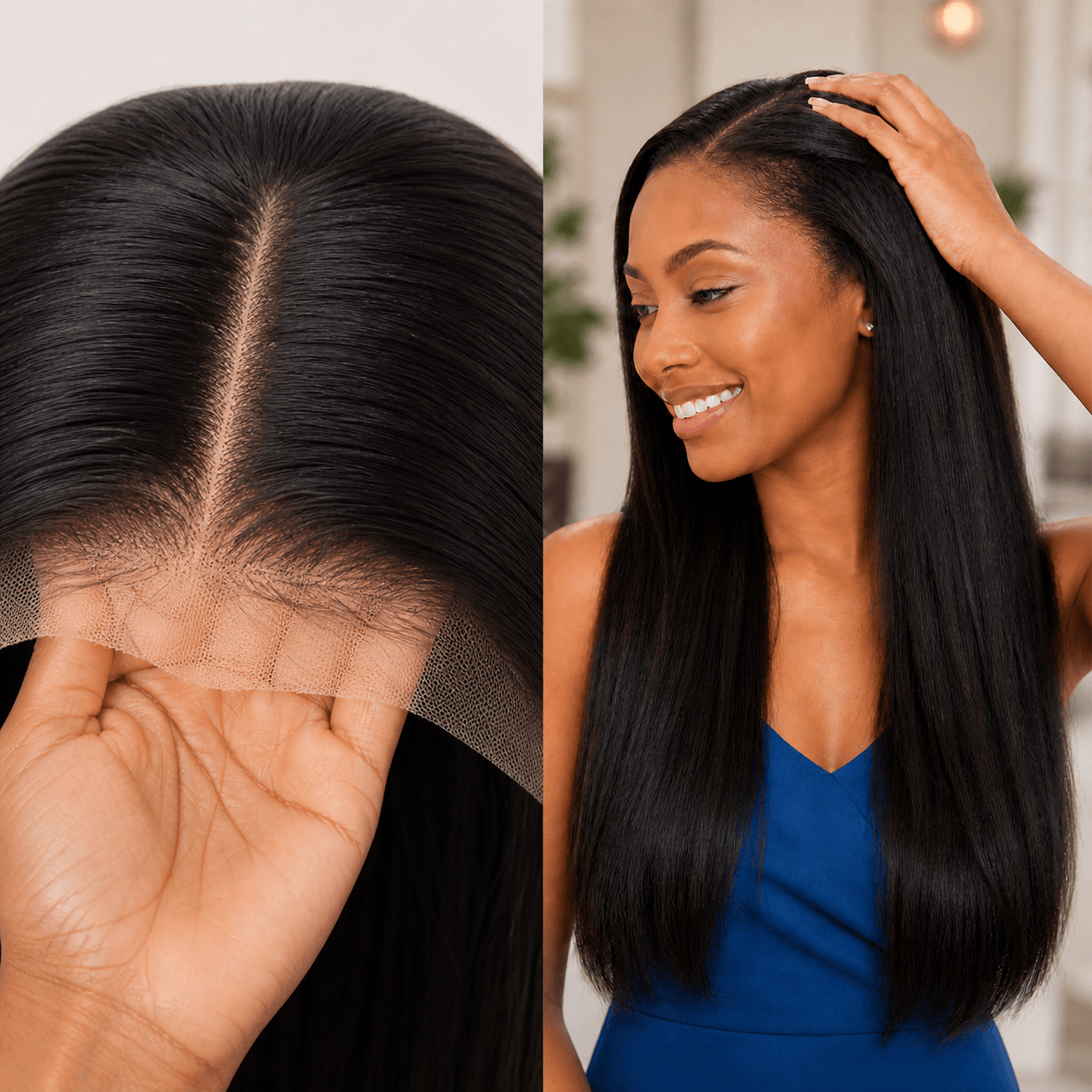
A natural-looking frontal usually depends more on customization than on the frontal alone. The key details are lace color, knot size, hairline shape, density, and texture match. Using techniques like bleaching knots and tweezing can help achieve a more natural look with lace closures and frontals.
Bleached knots can make the base look more like a real scalp. A pre-plucked hairline can soften the front edge. Baby hair can help camouflage the lace, but it should not be too thick or dramatic unless that is the style you want.
The safest install is one that creates a natural look without sacrificing scalp health or edge protection.
Can You Sleep, Swim, Or Work Out With Frontal Hair?
You can sleep with frontal hair installed, but you should wrap it with a silk scarf or satin bonnet. This helps protect the lace and reduce tangling.
You can work out with a frontal, but sweat can weaken lace glue or lace tape. Clean the hairline gently after sweating and avoid heavy product buildup.
Swimming is possible, but chlorine, salt water, and water pressure can loosen the lace and dry out the hair. If you swim often, choose a secure install and plan for extra maintenance.
The Wealthy Hair Quality Standard
At Wealthy Hair, the goal is to offer frontal hair that looks natural, feels soft, and supports confident styling. A high-quality frontal should be made with carefully sourced human hair, consistent density, strong lace, soft movement, and a realistic hairline.
Our quality standard focuses on donor integrity, cuticle alignment, texture consistency, and careful processing. We believe a good frontal should blend with your scalp color, hair texture, face shape, and daily styling habits. For best results, always follow the manufacturer’s care instructions for your specific frontal hair system.
Frequently Asked Questions
What Is A Frontal Hair?
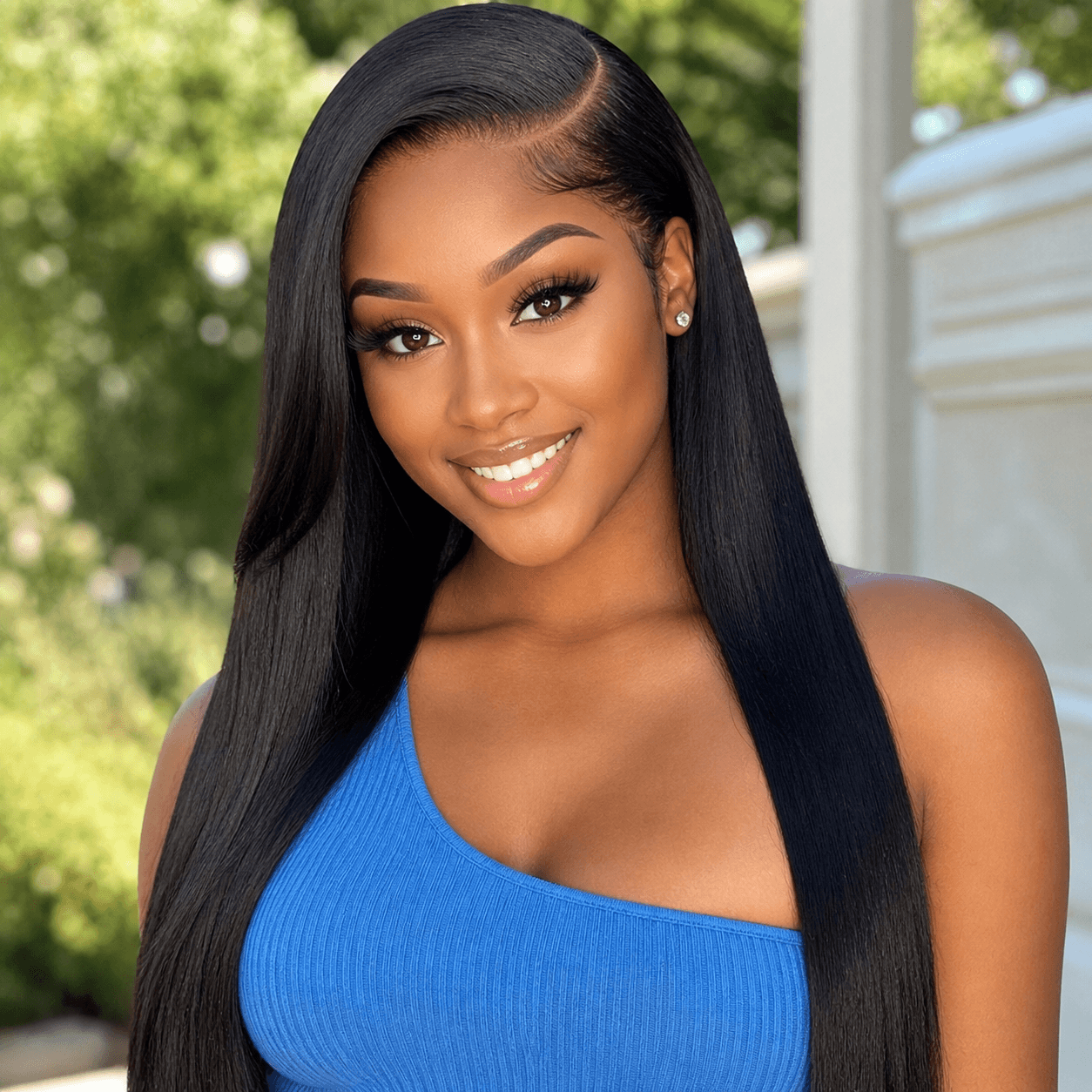
A frontal hair is a lace-based hairpiece that covers the front hairline from ear to ear. It works by using hand-tied hair strands on lace to create a scalp-like appearance. Wealthy Hair offers frontal options designed to give a natural hairline and flexible styling.
What Is Frontal Hair Used For?
Frontal hair is used for natural hairline coverage, protective styling, sew-ins, wigs, and hair loss coverage. Lace frontals and closures are types of hair pieces used for protective styling and to create natural-looking hairlines. Hair extensions can be installed using lace frontals and closures, allowing you to achieve seamless, realistic styles. It helps cover thinning edges, balding, alopecia, or a receding hairline while giving styling freedom. Wealthy Hair frontals are made to help you create polished styles without constantly manipulating your natural hair.
What Is A Lace Frontal Hair System?
A lace frontal hair system is a frontal made with lace and hand-tied hair strands. The lace or silk base mimics the natural scalp, while the hair creates the look of natural growth. Some systems use a silk base or natural skin material to further enhance the illusion of a real scalp. Lace wigs and lace closure wigs are also popular options for achieving a seamless, natural scalp appearance. Wealthy Hair focuses on soft lace, realistic density, and a clean blend for a natural finish.
What Is The Difference Between A Frontal And A Closure?
A frontal covers the full front hairline, while a closure covers a smaller top section. When deciding between a frontal or closure, consider that frontals and closures serve different styling needs: frontals usually allow ponytails, updos, and deeper parts, while closures are easier to maintain but more limited in styling. A free part closure offers versatile parting options, letting you part the hair anywhere for a more natural look. Comparing closures and frontals, each has unique benefits, Wealthy Hair can help you choose based on your style goals and maintenance level.
Is Frontal Hair Good For Beginners?
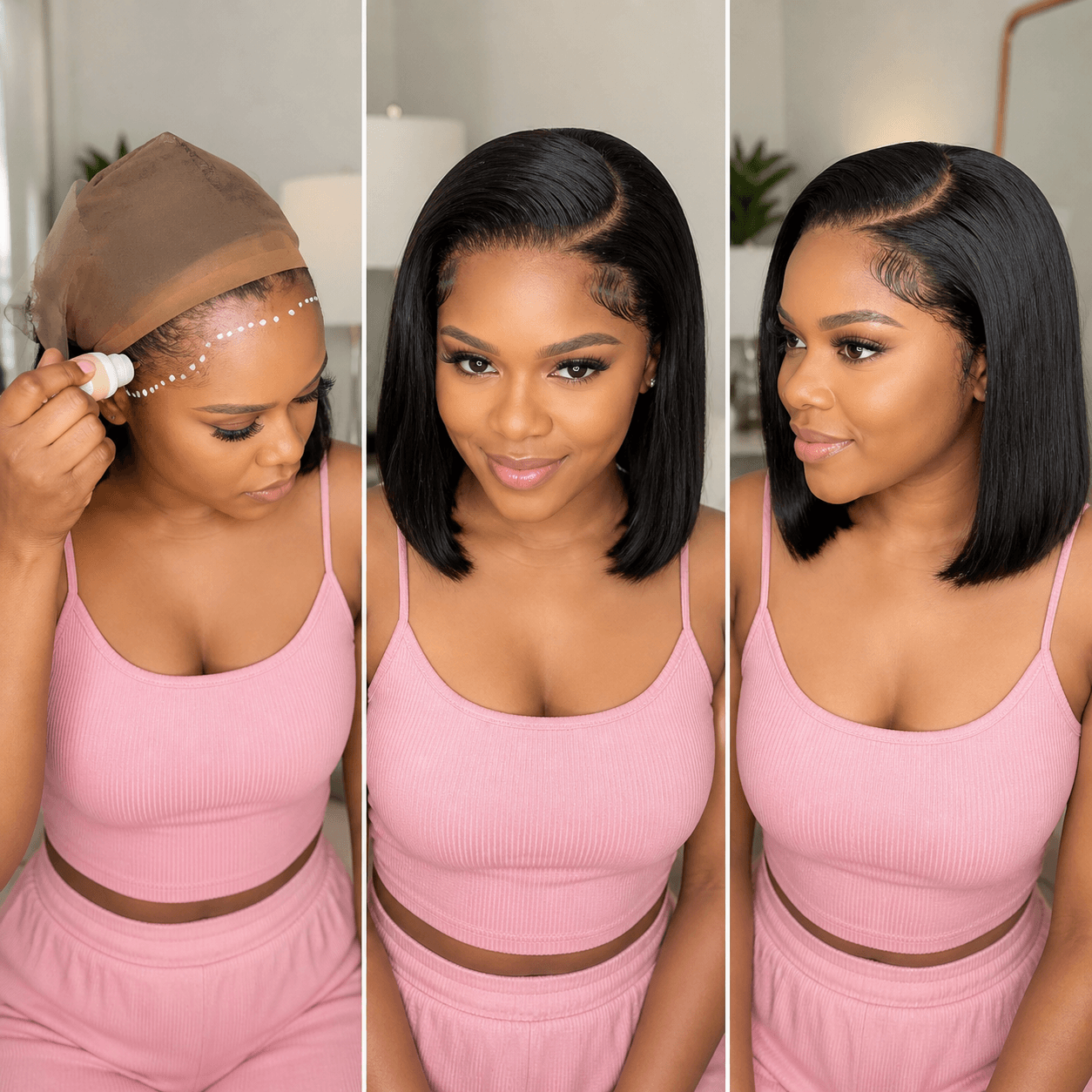
Frontal hair can be good for beginners if the lace, density, and installation method are simple to manage. The learning curve comes from lace melting, glue removal, and weekly upkeep. Wealthy Hair recommends beginners start with a natural density and consider professional installation first. Another beginner-friendly option is a half wig, which offers partial coverage and easy styling for those new to hairpieces.
How Do You Choose The Right Frontal Hair?
Choose the right frontal hair by matching the lace to your scalp, the texture to your desired style, and the density to your natural hairline. For those seeking the most realistic scalp appearance, options like silk base and natural skin materials are available, as they closely mimic the look of a real scalp and hairline. These details affect how realistic the final look appears. Wealthy Hair frontals are selected with blend, softness, and styling flexibility in mind.
Can Frontal Hair Be Glued Down?
Yes, frontal hair can be glued down with lace adhesive, lace glue, or lace tape. The adhesive should be applied to clean, dry skin and removed gently with proper remover. Wealthy Hair recommends avoiding glue directly on fragile edges to protect your natural hairline. Closures, on the other hand, do not require as much gluing as frontals, making them easier to maintain and less demanding in terms of adhesive use.
Can Frontal Hair Be Sewn In?
Yes, frontal hair can be sewn in as part of a hair extension installation, often using a braided foundation and hair bundles. This method can include sewing in lace frontals and closures for a secure, long-lasting style without relying fully on glue. An expert stylist can ensure a seamless and secure sew-in by using a flat braid pattern, which keeps the install smooth and comfortable. Wealthy Hair recommends this approach for optimal results.
How Do You Maintain Frontal Hair?
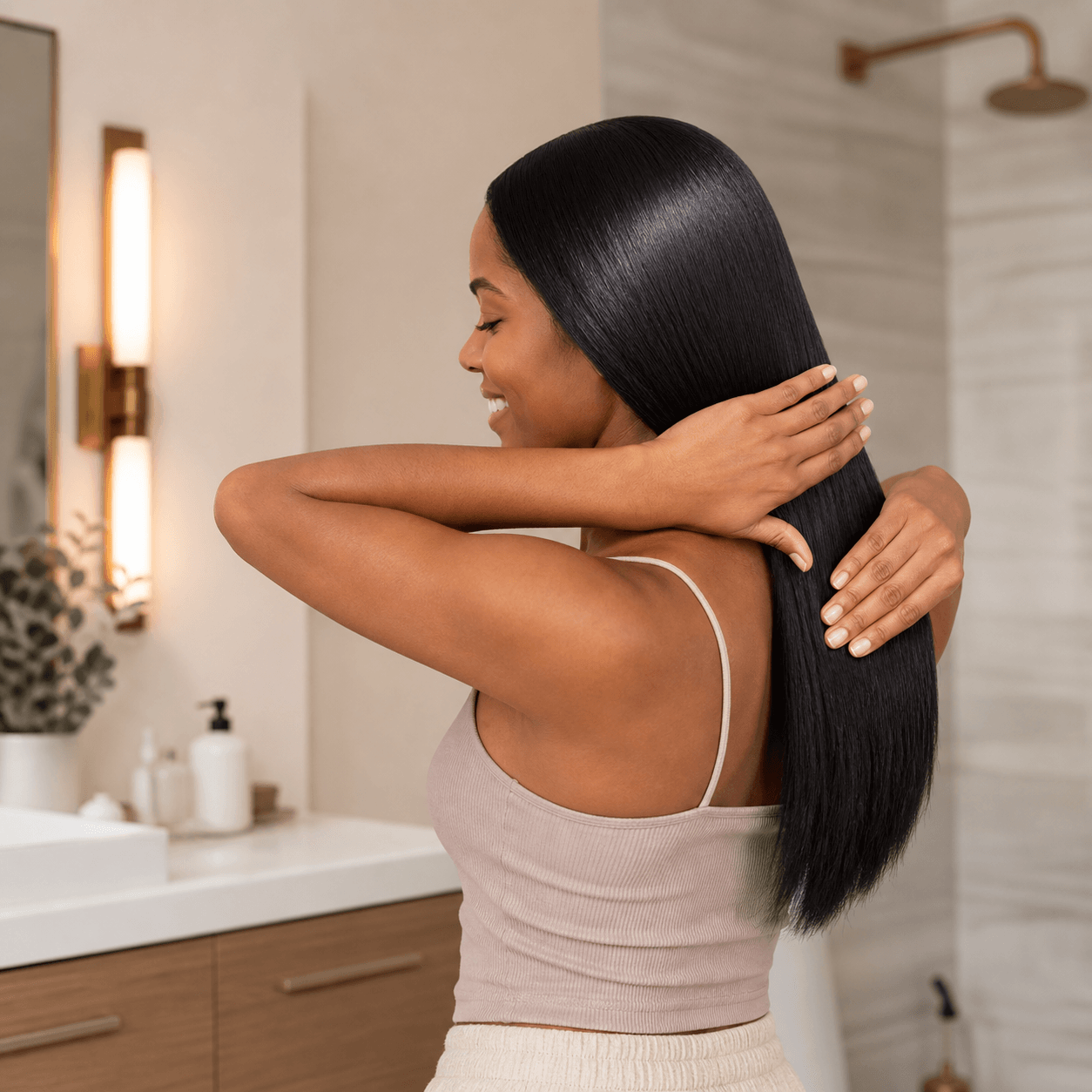
Maintain frontal hair by washing it every 7 to 10 days, conditioning it, wrapping it at night, and cleaning the lace gently. This prevents buildup, dryness, tangling, and lace lifting. Wealthy Hair recommends sulfate-free shampoo, hydrating conditioner, and a silk scarf or satin bonnet, as using sulfate-free hair care products is essential for maintaining lace frontals and closures and prolonging their lifespan. Proper maintenance is key to extending the durability and appearance of your hairpiece. Lace closure wigs and closure wigs are easier to maintain, require less glue and customization, and are especially suitable for warmer weather, making them a convenient and comfortable choice.
How Long Does Frontal Hair Last?
Frontal hair can last several months or longer depending on the hair quality, installation method, and care routine. Human hair frontals usually last longer than synthetic options when handled gently. Wealthy Hair frontals are designed for softness, movement, and repeated styling with proper care.
Can Frontal Hair Damage Your Edges?
Frontal hair can damage your edges if it is installed too tightly, removed harshly, or worn with too much tension. Repeated pulling from tight hairstyles and extensions can contribute to traction-related hair loss. Wealthy Hair recommends gentle installs, proper glue removal, and regular breaks for edge protection.
What Mistakes Should Beginners Avoid With Frontal Hair?
Beginners should avoid over-plucking, over-bleaching knots, using too much glue, and pulling the lace off without remover. These mistakes can shorten the frontal lifespan and irritate the scalp. Wealthy Hair recommends starting simple, choosing realistic density, and getting help from a professional stylist when needed.
References And Professional Standards
Professional wig and extension standards commonly used by stylists: lace matching, knot bleaching, density control, safe adhesive removal, and low-tension protective styling.
American Academy of Dermatology Association, guidance on hairstyles that can contribute to traction alopecia. (American Academy of Dermatology)
Cleveland Clinic, hair loss information including traction alopecia and damage from repeated tight hairstyles. (Cleveland Clinic)
FDA, Cosmetics Safety Q&A on hair dyes and patch testing. (U.S. Food and Drug Administration)
NCBI Bookshelf, StatPearls overview of traction alopecia and common tension-related causes. (NCBI)

