

Wealthy Hair Guides
The Complete Guide To Curly Hair Extensions

The 60-Second Answer:
Curly hair extensions add volume, length, and texture while helping you create a fuller natural-looking style. The best curly extensions match your curl pattern, density, and hair color. Human hair, especially Remy human hair, gives the most realistic movement, better styling flexibility, and longer wear when cared for with moisture, gentle detangling, and safe installation.
What Are Curly Hair Extensions?
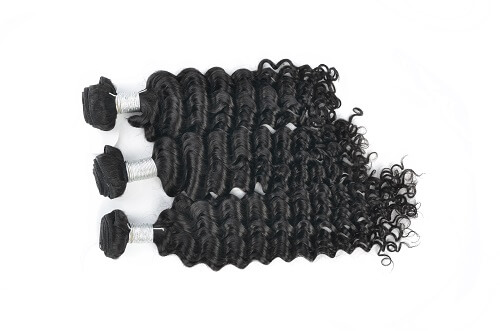
Curly hair extensions are hair pieces made with a curled, waved, coiled, or textured pattern. They are used to add length, volume, fullness, or a new curl style without waiting for your natural hair to grow.
They can be made from human hair extensions or synthetic hair extensions. Human hair curly extensions offer more flexibility for washing, coloring, heat styling, and long-term wear. Synthetic curly extensions may look beautiful at first, but they often have more styling limits and may not last as long.
Curl Pattern Matching Builds Better Blends
The first step in choosing curly hair extensions is knowing your natural curl pattern. A curl pattern chart usually ranges from 2A to 4C. Type 2 hair has waves, Type 3 hair has curls, and Type 4 hair has coils.
If your natural hair has beachy waves, loose wave extensions or body wave extensions may blend well. If your hair has ringlet curls or spiral curls, curly or deep wave extensions may be a better match. If your hair has tight coils, kinky curly extensions, coily hair extensions, or tight curl extensions may give the most natural blend.
Industry best practice is to match both curl pattern and density. Fine hair usually needs less volume so the attachment points stay hidden. Thick hair usually needs fuller bundles or more wefts to create a balanced shape.
Loose Wave And Deep Wave Differ

Loose wave extensions have soft, relaxed movement. They are great for people who want volume without a very tight curl pattern. Loose waves can create a soft, everyday look with less density than tighter textures.
Deep wave extensions have a stronger wave pattern and more visible definition. They create more body, bounce, and shape than loose wave extensions. Deep wave hair is a good choice if you want glamour, fullness, and a more styled finish.
Body wave extensions are slightly softer than deep wave extensions. They are good for people who want movement but not a tight curl.
Human Hair Offers Better Styling

Human hair curly extensions are usually the best choice if you want realistic movement, longer wear, and more styling freedom. Remy human hair and virgin human hair are popular because they can look and feel close to natural hair.
Remy hair is preferred because the cuticles are kept aligned. The hair cuticle plays a major role in tangling, shine, and longevity. Virgin human hair has not been chemically processed, which may help preserve donor integrity, tensile strength, and the protein-rich cortex of the strand.
Synthetic curly extensions can be useful for short-term styles, but many synthetic fibers cannot handle heat, dye, or frequent washing the same way human hair can.
Curly Extensions Suit Many Hair Types
Curly hair extensions can work for natural hair, Black hair, thin hair, thick hair, relaxed hair, and transitioning hair. The key is choosing the right method and weight.
For thin or fragile hair, the safest option is to avoid heavy extensions. Heavy bundles can create scalp tension, which may increase the risk of breakage or traction alopecia. A licensed stylist will usually recommend lighter clip-ins, smaller wefts, or a custom install for delicate hair.
For thick hair, fuller bundles or multiple wefts may be needed to create a balanced shape. For natural hair, texture matching and leave-out blending are especially important.
It is also recommended that natural hair be at least chin or shoulder length if you want to hide extension attachment points more easily.
Curly Extension Types Compared
| Extension Type | Best For | Longevity | Styling Flexibility | Key Note |
|---|---|---|---|---|
| Clip-In Extensions | Temporary volume and length | Daily to occasional wear | High with human hair | Easy to remove at night |
| Sew-In Extensions | Longer protective styling | 6–8 weeks per install | High with human hair | Needs professional installation |
| Tape-In Extensions | Lightweight blending | 6–8 weeks | Medium to high | Best on healthy hair |
| Micro-Links | Natural movement | 6–10 weeks | High | Not ideal for very fragile hair |
| Curly Wigs | Full coverage styling | Varies by quality | High with human hair | Great for protective styling |
Installation Must Protect Natural Hair
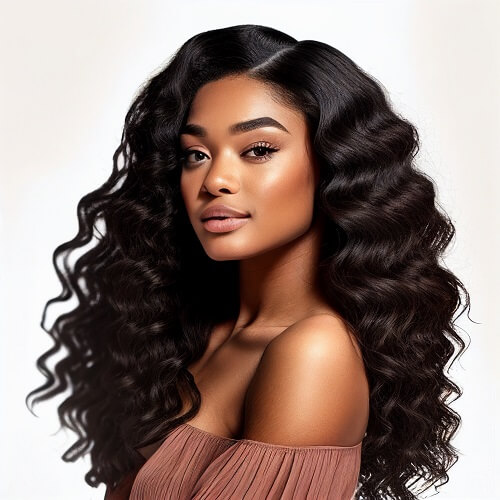
Curly hair extensions should never be installed too tightly because excess tension can damage natural hair. Professional installation helps reduce scalp tension, breakage, and uneven weight distribution.
If you are using sew-in extensions, your braid base should be firm but not painful. If you are using clip-ins, do not snap them into the same fragile spots every day. If you are using tape-ins or micro-links, make sure your natural hair has enough strength and density to support the attachment.
Do curly hair extensions damage natural hair? Not when they are installed correctly and cared for properly. Damage usually comes from tight installs, poor detangling, heavy hair, dryness, or leaving extensions in too long.
Maintenance Extends Extension Life
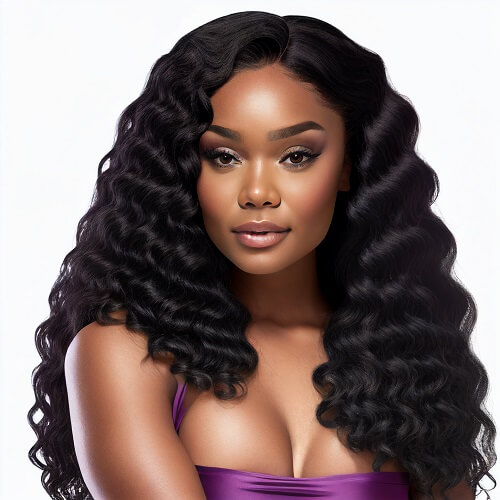
Curly hair extensions should be treated just like your natural hair. They need regular moisturizing, gentle detangling, washing, and nighttime preservation.
Curly extensions need moisture because textured strands are more prone to dryness. Use a sulfate-free shampoo, moisturizing conditioner, leave-in conditioner, curl cream, or curl mousse depending on the hair texture. Avoid heavy product buildup because it can make curls look dull and sticky.
To minimize tangling and matting, brush curly hair extensions daily with a detangling brush while they are wet or damp. Always start at the ends and move upward. Detangling should start from the ends and move upward to reduce shedding.
The Wealthy Hair Quality Standard

At Wealthy Hair, quality starts with sourcing, texture accuracy, and customer trust. Curly extensions should be selected for natural movement, curl consistency, donor integrity, and realistic blending with textured hair. Our standard focuses on high-quality human hair, careful inspection, and curl patterns that help customers achieve a polished look without sacrificing the health of their natural hair. The goal is simple: beautiful curls, safer styling, and hair that feels as good as it looks.
People Also Ask
What if I choose the wrong curl pattern for my curly hair extensions?

Most hair extension companies offer an exchange policy to help customers find the right curl pattern, especially if they are unsure how to match their own hair. This makes it easier to blend the extensions with naturally curly hair, natural curls, and different hair textures. Choosing the right curl pattern helps your extensions look soft, full, and seamless.
Are human hair curly extensions better than synthetic curly extensions?
High-quality human hair extensions are usually better because they maintain their texture with less effort compared to synthetic options. Remy human hair is especially recommended because it offers realistic movement, durability, and more styling versatility. For the best curly hair extensions, human hair is often the stronger choice.
Can curly hair extensions protect my natural hair?

Yes, curly hair extensions can work as a protective style because they reduce daily manipulation, heat styling, and chemical treatments on natural hair. They are a great option for anyone who wants heat free hair styling while giving their own hair a break. This can help support healthier natural curls over time.
What types of curly hair extensions are available?
Curly hair extensions come in several types, including clip-ins, sew-ins, micro-links, wigs, closures, and curly ponytails. Each option works for different styling needs, whether you want a quick change or a longer-lasting style. You can also find shades like dark brown to better match your natural hair color.
How do I choose curly extensions for my curl pattern?

To choose curly extensions, first determine your curl pattern using a curl chart that ranges from 2A to 4C. Different curl patterns such as 3A, 3B, 3C, and 4B are available, so you can match extensions closely to your hair textures. This helps the extensions blend naturally with your own hair.
What are the best curly hair extensions for 3A, 3B, and 3C hair?
The best curly hair extensions for 3A, 3B, and 3C hair are extensions made to match those specific curl patterns. For example, Curly Curl styles may suit 3A to 3B patterns, while Karli Curl styles may work better for 3C curls. Matching your curl type helps create a natural look with loose curls or tighter curl shapes.
Can curly hair extensions help with shrinkage?
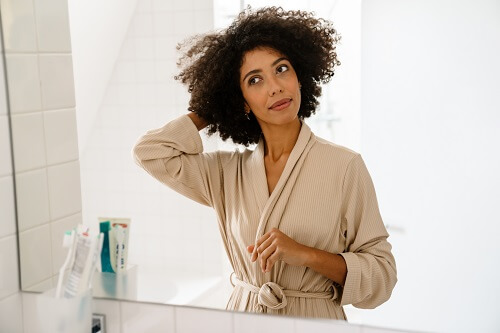
Yes, curly hair extensions can help counter the shrinkage that is common with natural curls. They add length and fullness without waiting years for natural growth. This makes them helpful for people who want a fuller style while still embracing naturally curly hair.
How do I maintain curly hair extensions?
To maintain curly hair extensions, wash them about once a week, moisturize them regularly, detangle gently, and protect them at night with a silk bonnet or scarf. Curly extensions should be treated like your own hair, especially when they are made from human hair. Never brush them roughly when they are wet hair because this can cause shedding, frizz, or damage.
Want to know more about the different types of sew ins curlyhairstyles? Read our guide on Sew Ins Curly weaves: Pics, Tips And Tricks!

