

Wealthy Hair Guides
Low Porosity Hair Care: The Ultimate Guide
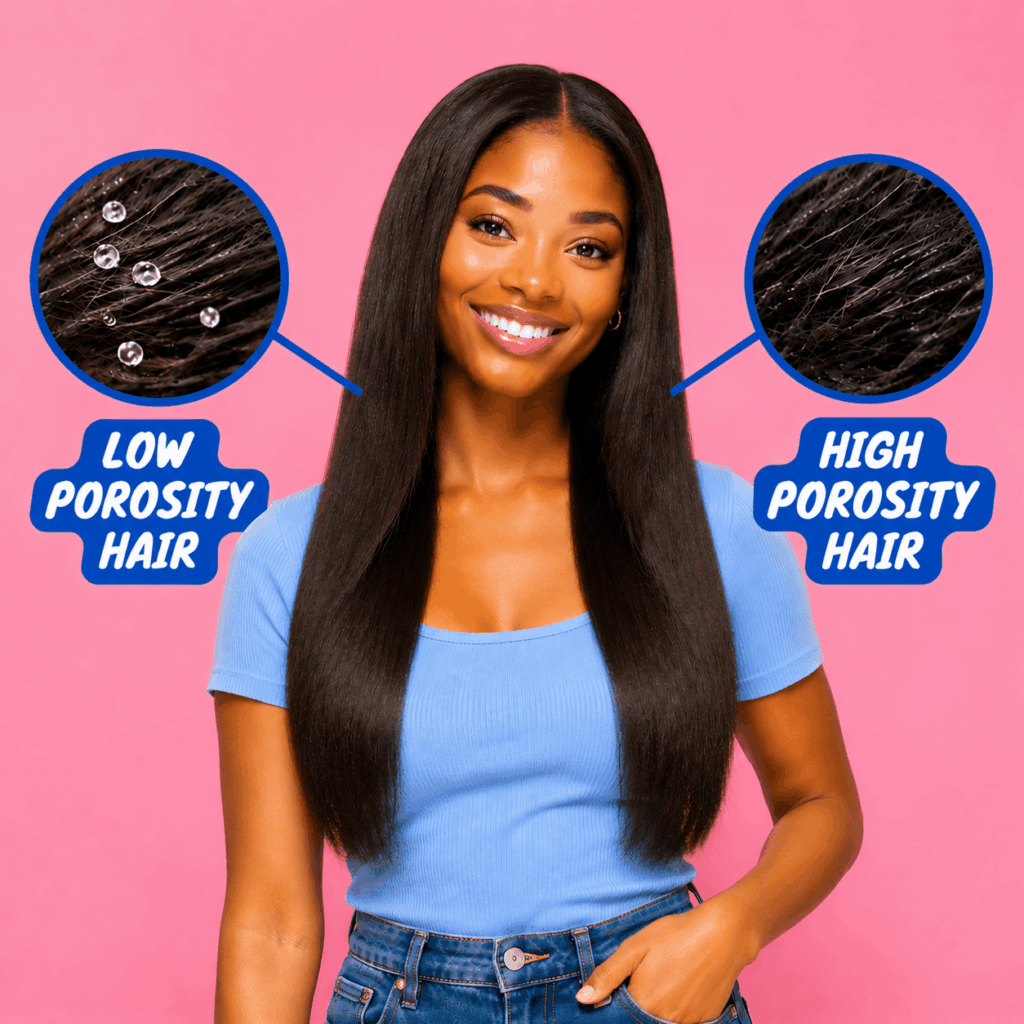
The 60-Second Answer
Low porosity hair is hair that has difficulty absorbing moisture. This can be due to several factors, including genetics, damage from heat or chemical treatments, or build-up from products. Because low-porosity hair has trouble absorbing moisture, it is often dry, frizzy, and prone to breakage.
How To Care For Low-Porosity Hair
If you have low-porosity hair, follow these tips to take care of your natural hair and keep it smooth and healthy.
1. Choose the Right Products
The first step in caring for low-porosity hair is to choose the right products. If you use products that are too heavy, they’ll weigh down your hair and make it look greasy. On the other hand, if you use light products, they won’t be able to provide enough moisture to combat frizz and breakage.
Instead, look for products that are specifically designed for low-porosity hair. These products will be lightweight but still packed with nutrients to help your hair look its best.
2. Wash Your Hair Fiber The Right Way
Whether you have high-porosity hair or low-porosity hair, washing your hair is a delicate balancing act for your hair’s growth. On one hand, you need to wash your hair often enough to remove product build-up and keep your scalp healthy.
But on the other hand, washing your hair too often can strip away natural oils and leave your hair feeling dry and brittle. So how often should you wash low-porosity hair?
Unlike high-porosity hair that you can wash more frequently, we recommend washing your low-porosity hair 1-2 times per week using a gentle, sulfate-free clarifying shampoo.
3. Style Gently On A Healthy Hair Shaft
Styling low-porosity hair can be tricky because you don’t want to damage delicate strands. But with a little bit of care, you can style your low-porosity hair into any style you want.
We recommend using a wide-tooth comb to avoid breakage while wet and letting your hair air dry whenever possible to avoid heat damage.
When using heat styling tools, be sure to use a heat protectant spray before applying any heat to your hair. And always use the lowest setting possible to minimize damage.
ATTENTION: Turn Your Passion For Hair Into Profit ⬇️⬇️⬇️

How to Choose the Best Low-Porosity Hair Products for You
If you have low hair porosity, you know that finding the right hair products can be a challenge. We’ll share some tips on how to choose the best hair products to hydrate low-porosity hair properly.
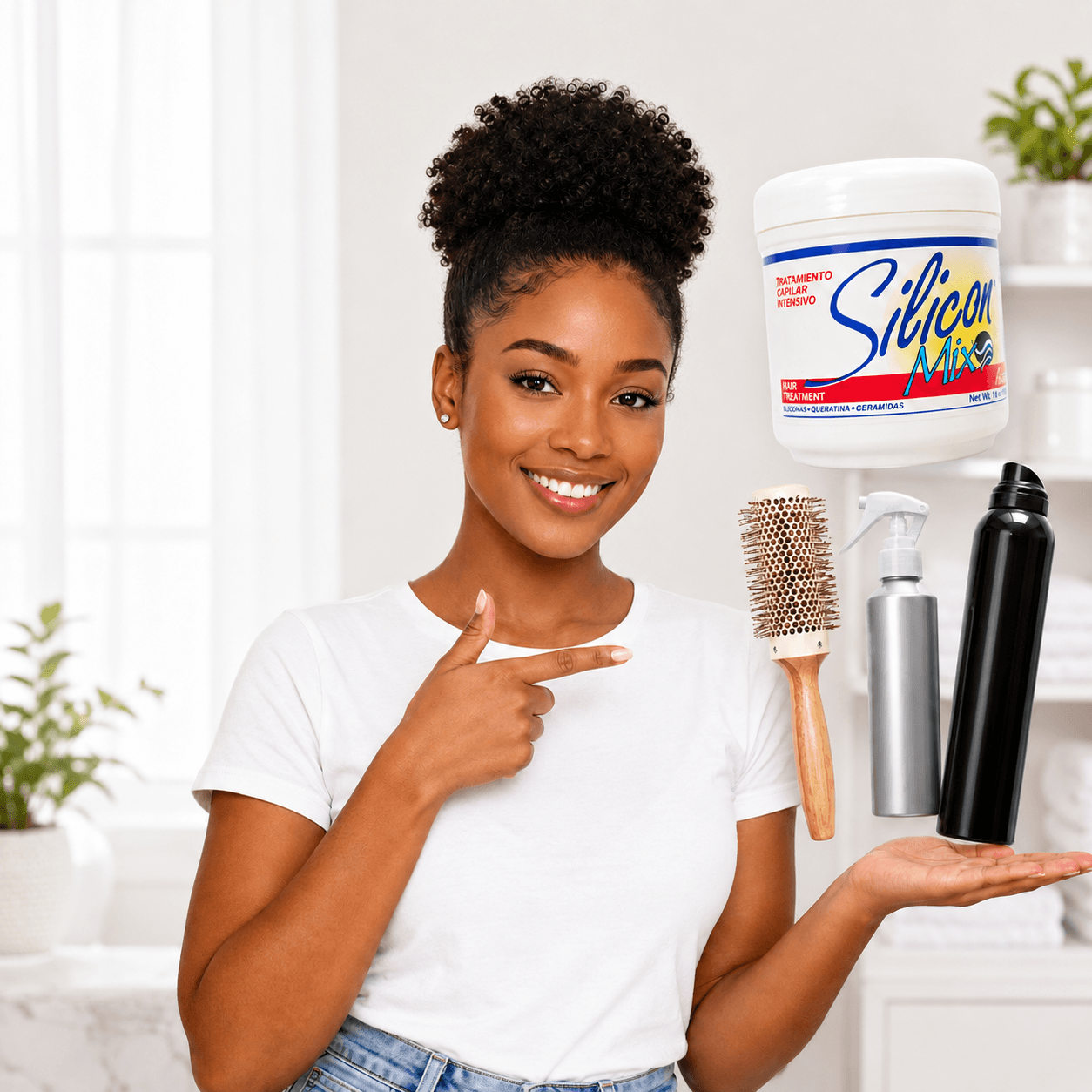
Ingredients To Look For
When you’re shopping for low-porosity hair products, there are certain ingredients that you should look for.
These ingredients will help to hydrate your hair and make it easier for moisture to penetrate your strands, giving you healthy hair. Some of the best ingredients for low-porosity hair include:
• Argan oil: Argan oil is rich in fatty acids and antioxidants, which makes it perfect for hydrating and protecting low-porosity hair.
• Shea butter: Shea butter is another ingredient that’s rich in fatty acids. It’s also effective at sealing in moisture, which is key for preventing frizziness.
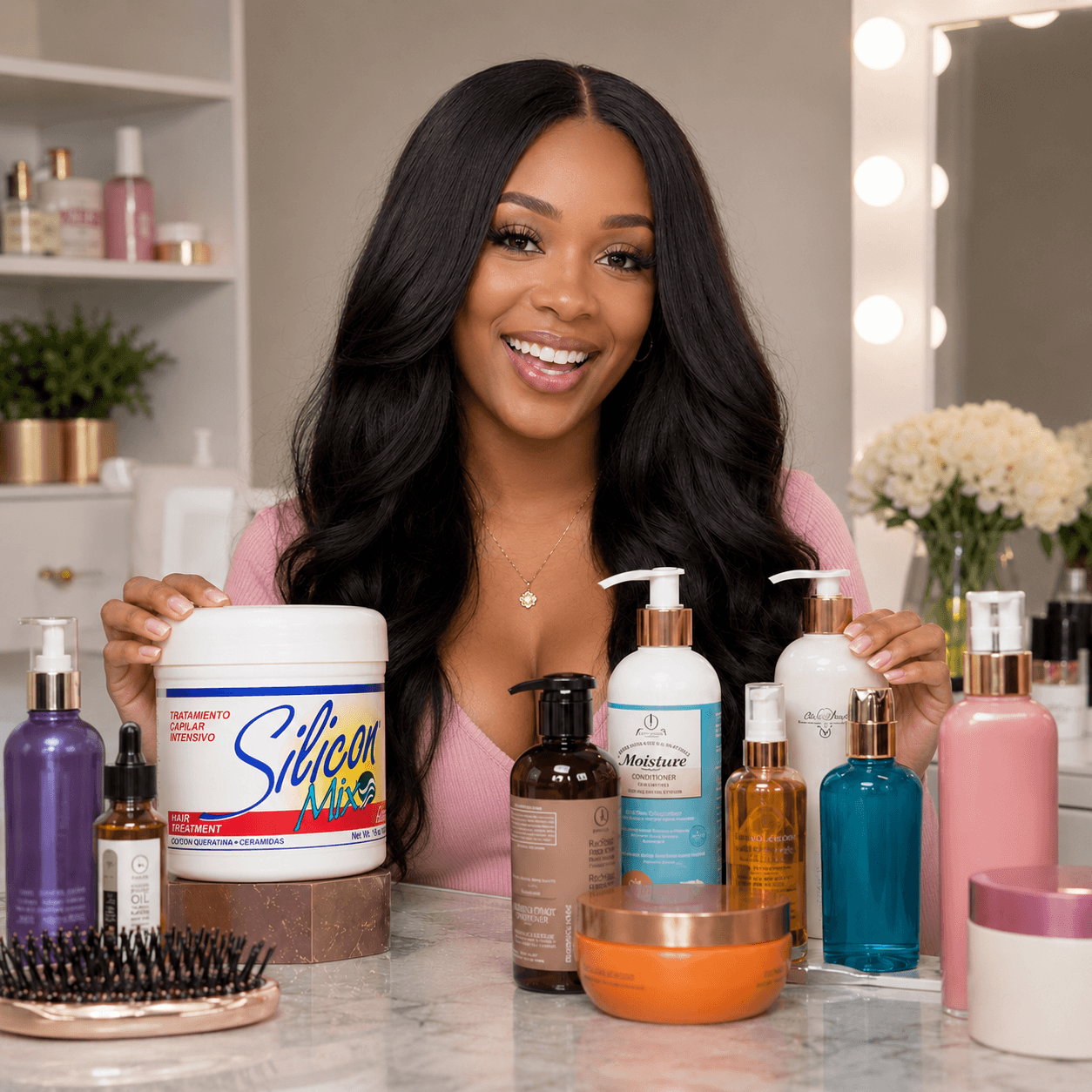
• Coconut oil: Coconut oil is a natural emollient, which means it can help to soften and moisturize your hair. It’s also effective at protecting your hair from damage caused by heat styling tools. In addition to coconut oil, sweet almond oil is also another ingredient you will need for your low or medium-porosity hair shaft.
Products To Avoid
In addition to looking for certain ingredients, there are also some ingredients that you should avoid if you have low-porosity hair. These ingredients can further dry out your hair or make it difficult for moisture to penetrate your strands. Some ingredients to avoid include:
• Sulfates: Sulfates are harsh cleansing agents that can strip away natural oils from your scalp and strands. This can leave your hair feeling dry and brittle.
• Alcohols: Alcohols are another ingredient that can dry out your hair. They’re often used in styling products, such as hairspray, but they can also be found in some shampoos and conditioners.
Heat Styling Tools
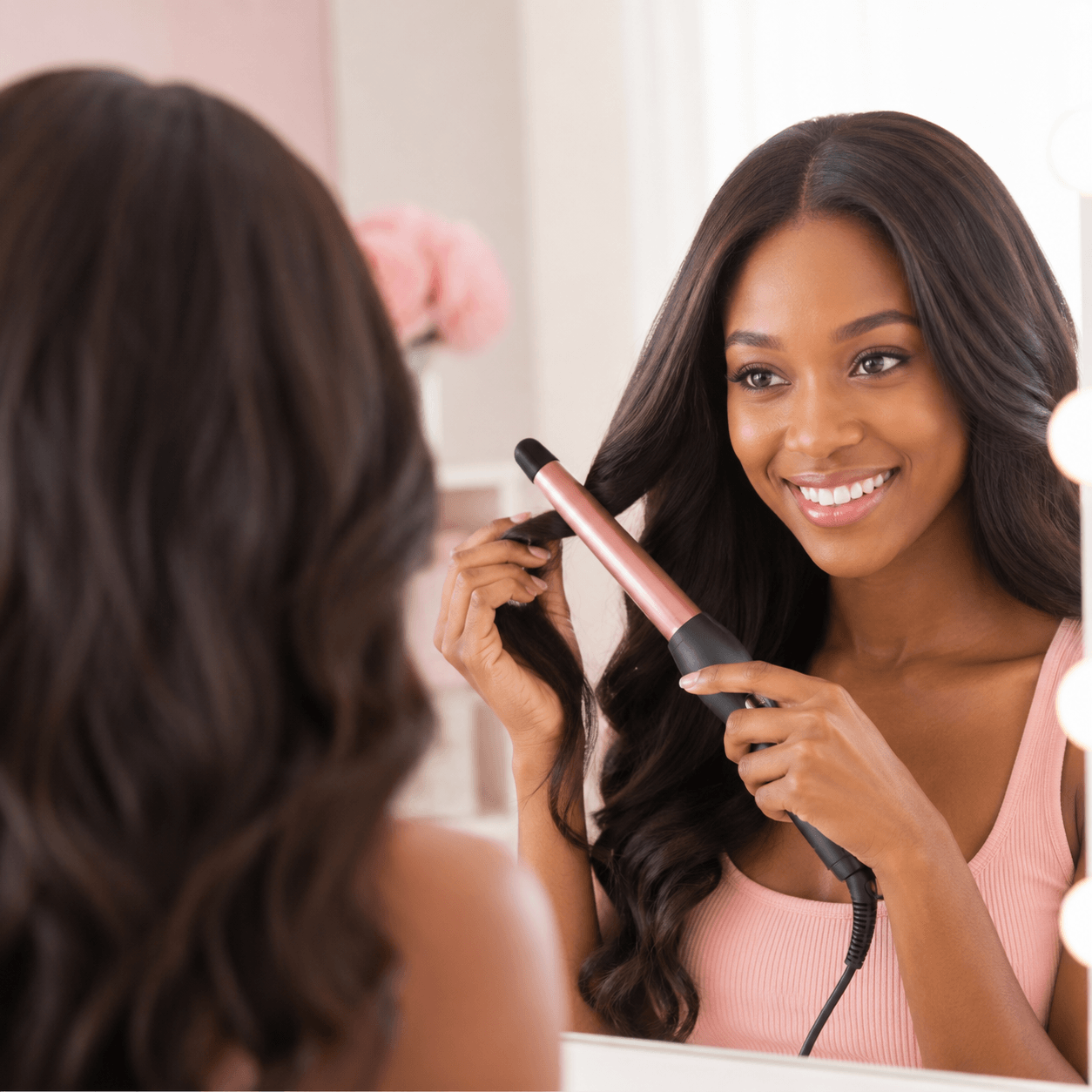
If you have low-porosity hair, you need to be extra careful when using heat-styling tools. The high temperatures can cause damage to your strands, making them more susceptible to breakage. When using heat styling tools, be sure to use a heat protectant spray or serum before hand.
This will help to create a barrier between your strands and the heat source. You should also use the lowest setting possible while still getting the desired results.
The Best Low Porosity Hair Products for Your Hair Type
Now that you know what low-porosity hair is and how to choose the right hair product, let’s talk about some of the best products to use if you have this type of hair.
Shampoo and Conditioner
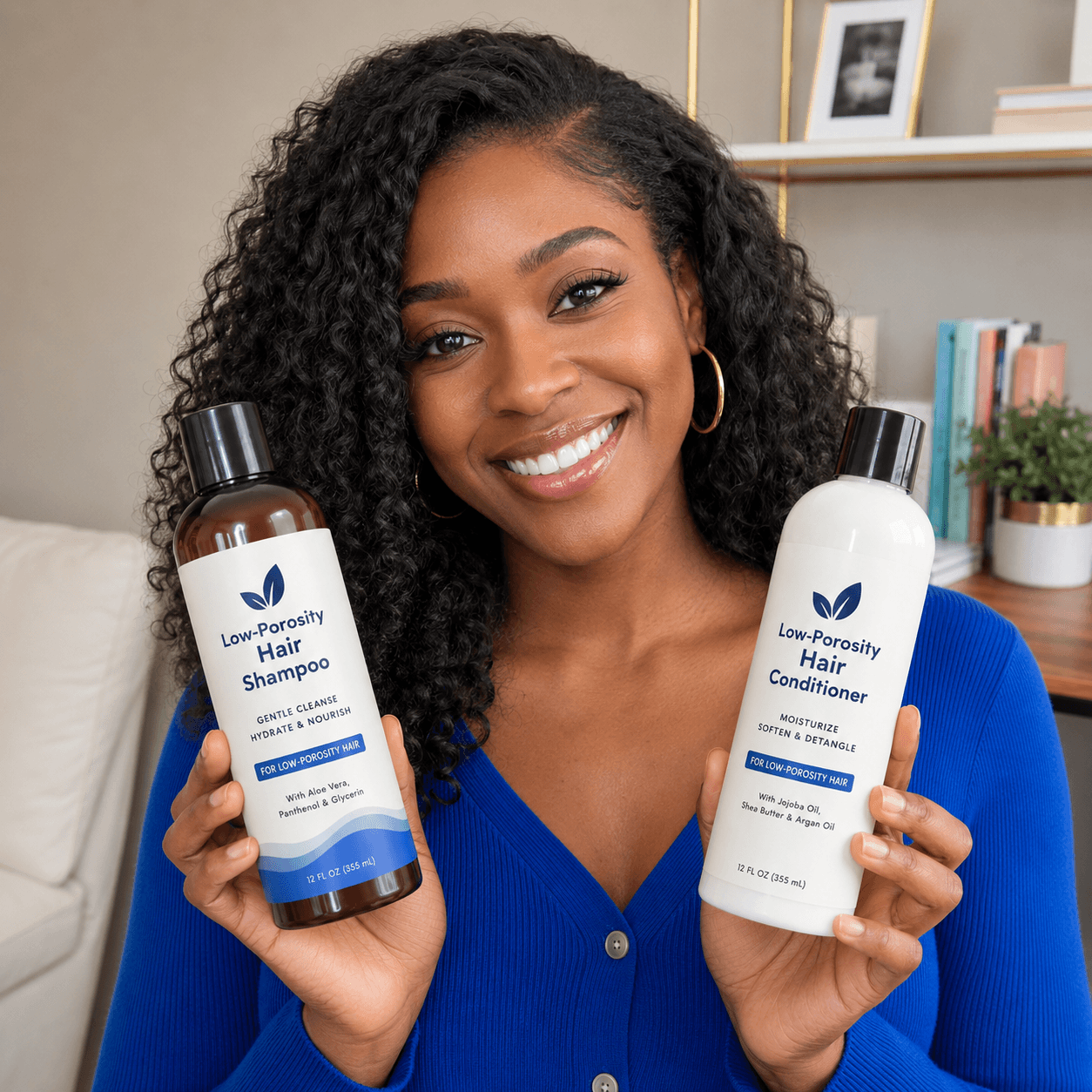
When it comes to finding the best shampoo and conditioner for low-porosity hair, you want to look for products that are lightweight and won’t leave your hair feeling greasy or weighed down. We recommend the Living Proof Perfect Hair Day Clarifying Shampoo and Deep Conditioner.
This duo is designed to add shine, body, and texture to your hair without weighing it down. Plus, it’s sulfate-free and safe for color-treated hair.
Hair Mask
A good hair mask is a must-have for anyone with low-porosity hair. A hydrating hair mask can help penetrate your hair fiber deeper and add much-needed moisture to dry damaged hair.
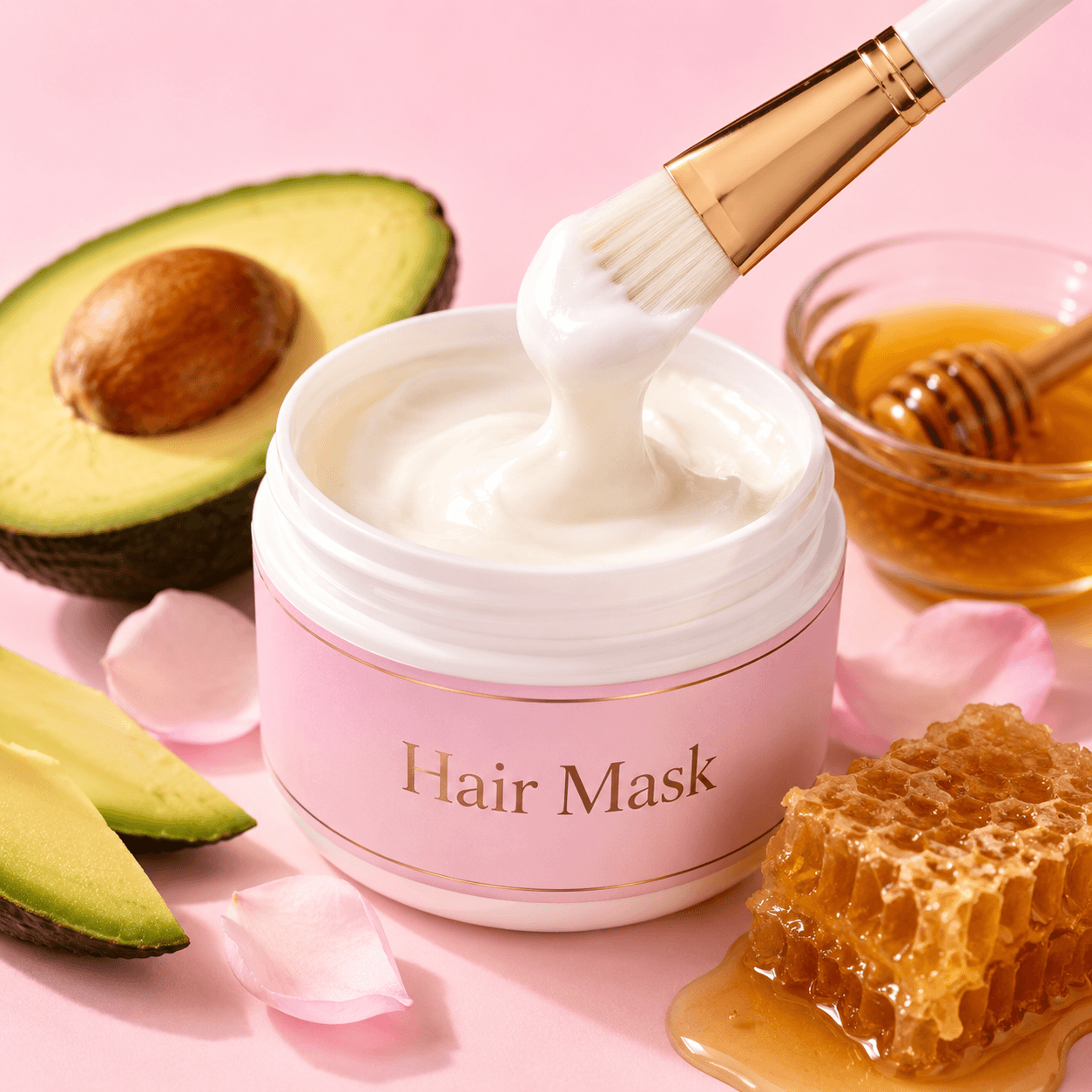
We recommend Kiehl’s Deeply Restorative Smoothing Mask because it’s super hydrating but won’t leave your hair feeling greasy or heavy. Plus, it’s infused with avocado oil and apricot kernel oil to add shine and softness. Kiehl’s Deeply Repairative Hair Mask is the answer if you want your hair to look slick and smooth.
Leave-In Deep Conditioner
If your low-porosity hair tends to be on the drier side, a leave-in conditioner can be a real game-changer. A leave-in conditioner will help add hydration and moisture to your strands without weighing them down.
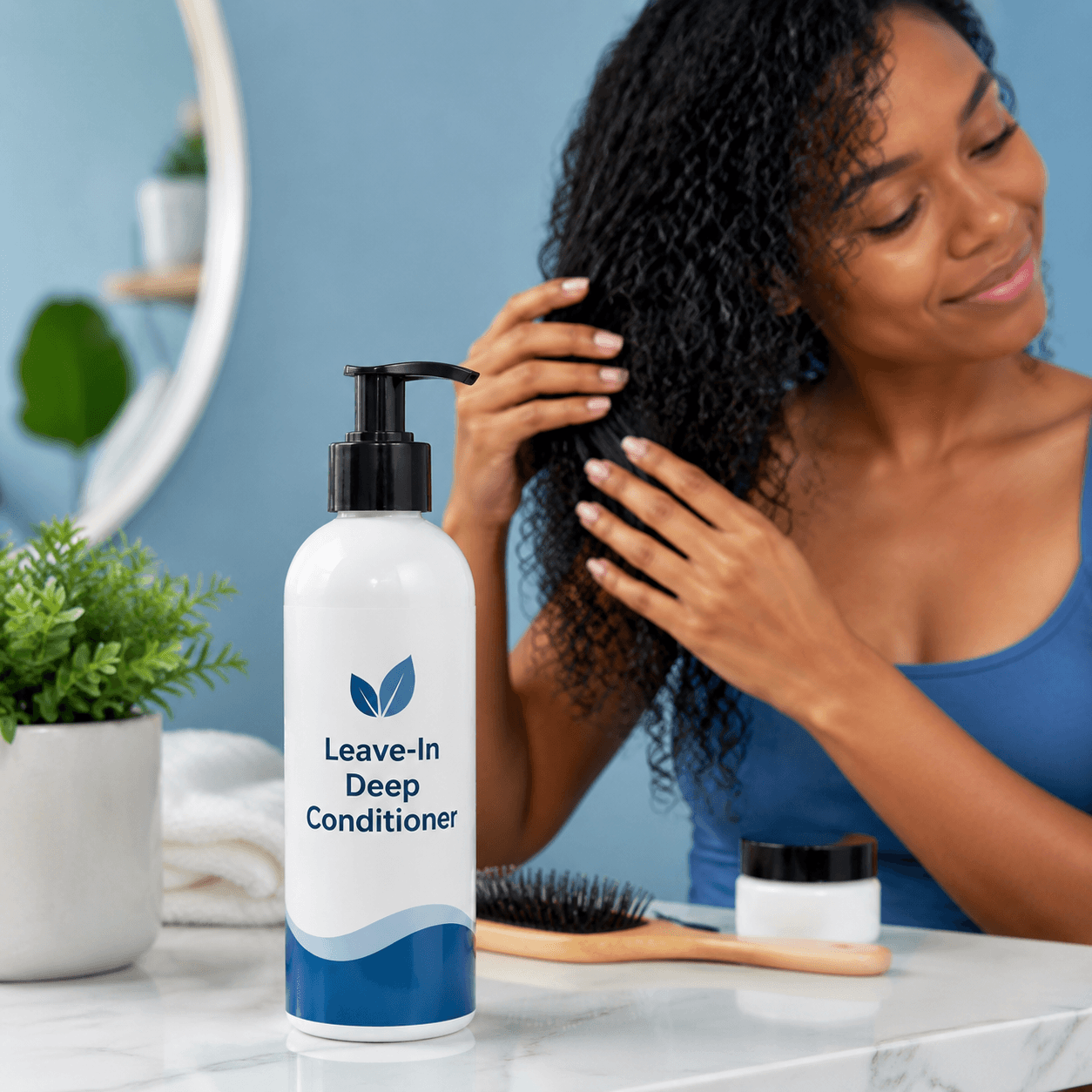
We recommend the It’s a 10 Miracle Leave-In Product because it does everything from adding shine to detangling knots.
Plus, it’s safe for colored hair fiber and won’t leave your locks feeling greasy or heavy. If you have low-porosity hair, it’s important to use products that are specifically tailored to unique hair types.

OGX Renewing Argan Oil of Morocco Extra Penetrating Oil is another good product for your hair. This shampoo and conditioner duo from OGX contains Argan oil, which is rich in nutrients that help to repair damaged hair.
It’s a great option for those with low-porosity hair who are looking for an affordable way to get salon-quality results at home. Plus, it leaves your hair smelling amazing!
Low Porosity Hair: How to Use Products for Your Hair Type

There are a few things you can do to make sure your low-porosity hair gets the hydration it needs. Here are some tips on how to use hair products for low-porosity hair:
1) Pre-Treat Your Hair Before Shampooing.
Because low-porosity hair has difficulty absorbing moisture, it’s important to give your strands a little extra help in the hydration department.
One way to do this is by pre-treating your hair with a hydrating mask or oil before shampooing. This will help create a barrier between your hair and the water, allowing the product to penetrate your strands better.
2) Use Lukewarm Water.
Hot water can damage low-porosity hair, making it even more difficult to retain moisture. When you’re shampooing and conditioning your low-porosity hair, stick to lukewarm water instead.
3) Avoid Using Too Many products.
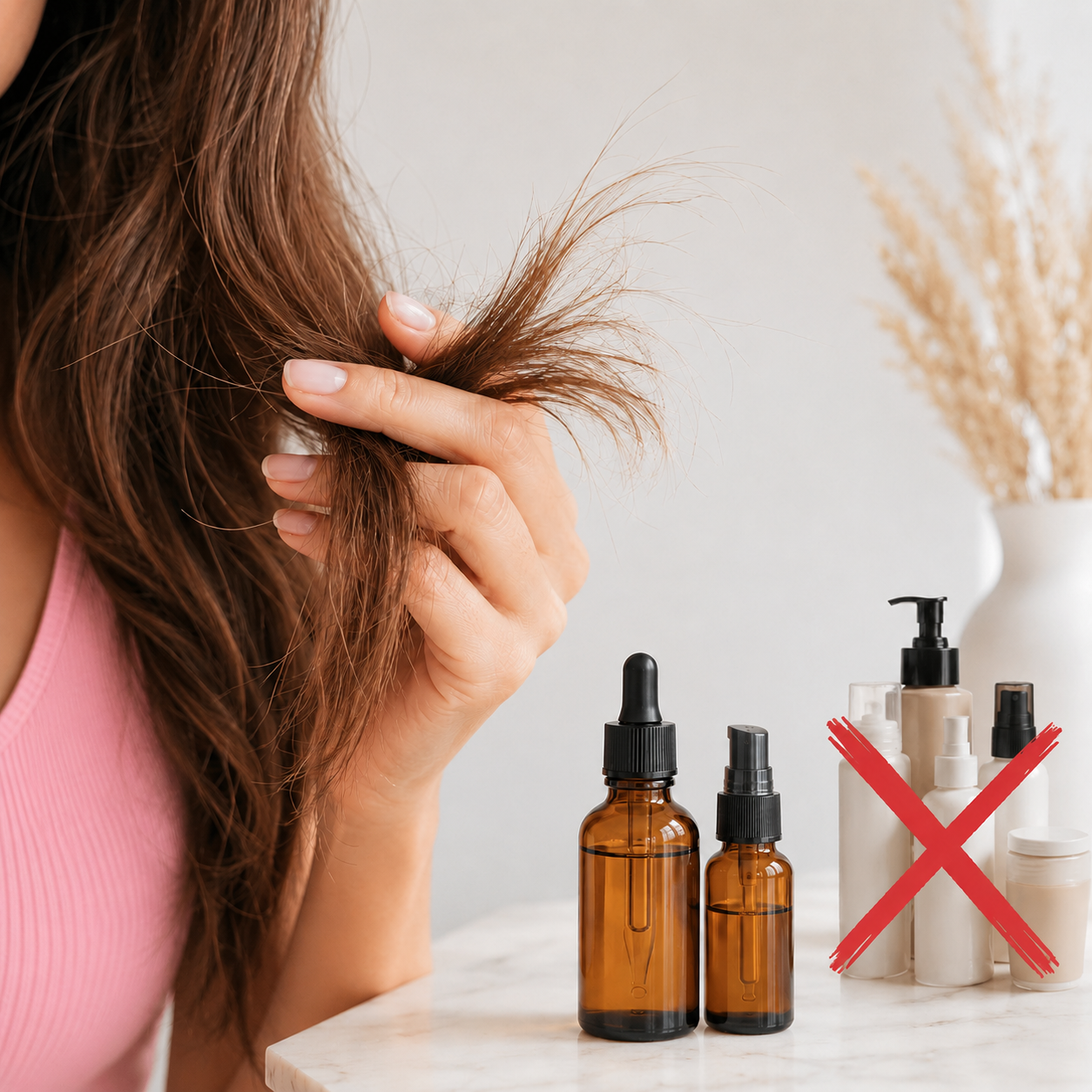
It can be tempting to pile on the product when you have low-porosity hair to get it to absorb everything, but this can have the opposite effect. Using too much product can weigh down your strands and make them look greasy rather than hydrated. Start with a small amount of product and only add more if necessary.
4) Rinse Thoroughly.
When you’re rinsing out your shampoo and deep conditioner, make sure you do so thoroughly. Low-porosity hair tends to be more susceptible to buildup, so it’s important to make sure all traces of product are removed from your strands. Rinse until the water runs clear for best results.
5) Be Patient With Styling Products.
It can take longer for styling products like gels and mousses to dry in low-porosity hair since they have difficulty penetrating the cuticle. Give yourself extra time when styling your low-porosity locks so that you don’t end up with crunchy, dry strands.
If you have low-porosity hair, it’s important to take special care when shampooing, conditioning, and styling your locks. By following these simple tips, you can ensure that your low-porosity hair gets the hydration it needs without damaging or weighing down your strands!
The Wealthy Hair Quality Standard
At Wealthy Hair, we prioritize ethically sourced hair from verified suppliers who maintain high-quality standards. Our quality control protocols ensure that each extension is unidirectionally cut to preserve its natural shine and texture, providing customers with the best hair extension experience possible.
Frequently Asked Questions
What is the best way to style low-porosity hair?
Unlike high-porosity hair, the best way to style low-porosity hair is to use a lightweight leave-in conditioner, such as an oil or serum, before styling.
This will help create a barrier between your hair and the heat of styling tools like straighteners and curling irons. Additionally, it is important to use low heat settings and avoid over-styling your hair to prevent damage and frizz.
What products are best for low-porosity hair?
Products that are specifically formulated for low-porosity hair are the best choice. These products will be lightweight and full of hydrating ingredients, such as oils and butter. Additionally, using deep conditioning treatments once or twice a week can help nourish your hair and keep it looking healthy.
How often should I wash my low-porosity hair?
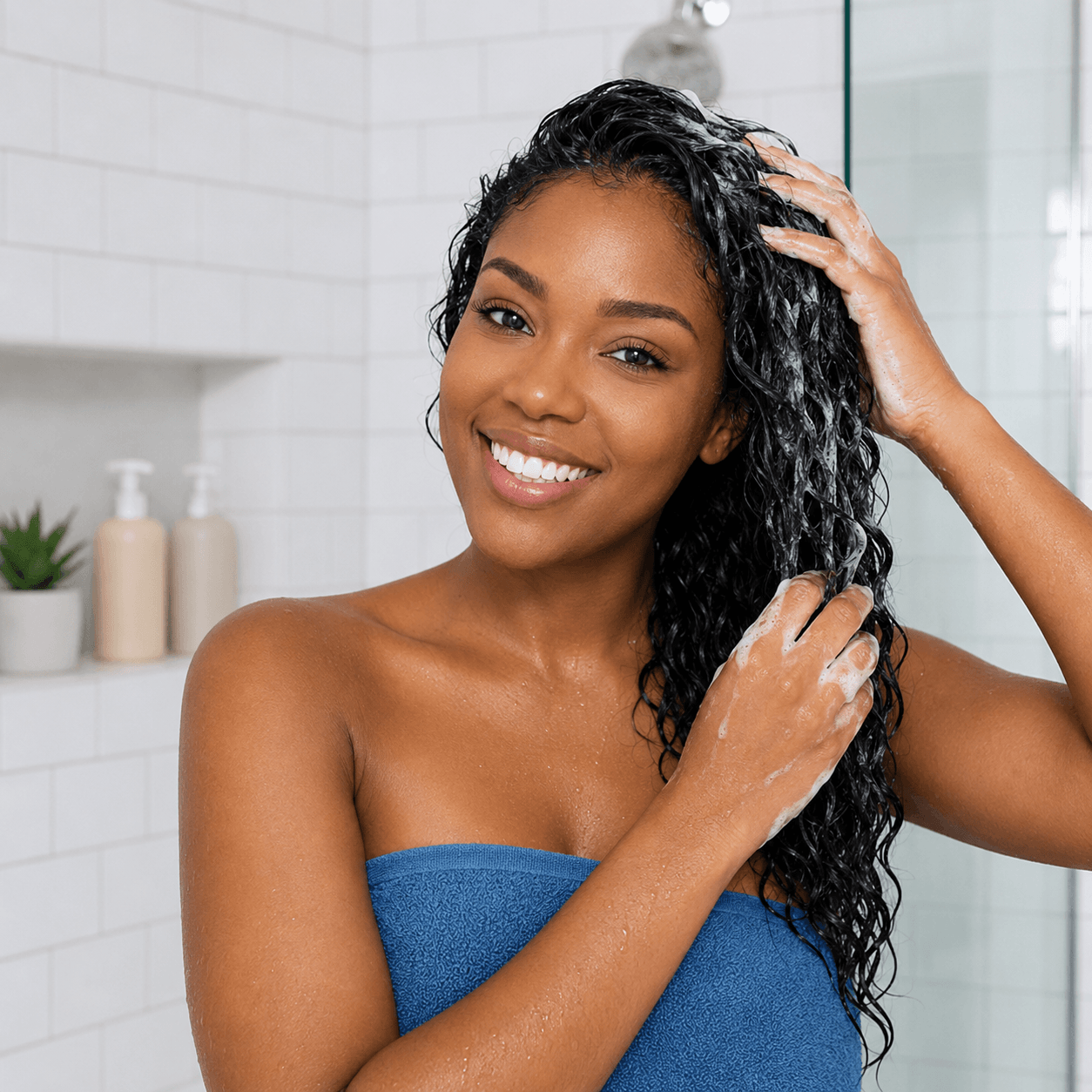
It is best to limit shampooing your low-porosity hair to a few times a week. This will help prevent your hair from drying out and becoming brittle. Additionally, it is important to rinse thoroughly with lukewarm water and use a gentle shampoo and conditioner to ensure your locks remain hydrated and healthy.
What are some tips for maintaining low-porosity hair?
Some tips for maintaining low porosity hair include avoiding shampooing too often, using a deep conditioning mask regularly, rinsing thoroughly with lukewarm water, and being patient when styling with products like gels or mousses.
Why Does Low Porosity Hair Have Trouble Taking In Moisture?
Low porosity hair has tightly packed cuticles that lie flat, which makes it harder for water, conditioners, and treatments to enter the strand. Because the hair cuticle stays closed, this hair absorbs moisture slowly and may need gentle heat to help products penetrate better.
Can Low Porosity Hair Stay Moisturized Once Moisture Gets In?
Yes, it can keep hair hydrated for longer once moisture gets inside the strand. The challenge is getting moisture in first. Using lightweight products and warm water can help moisturize hair without leaving heavy buildup on the surface.
Why Is Coloring Low Porosity Hair More Difficult?
Low porosity hair can be harder to dye because the closed hair cuticle resists chemical treatments. Since this hair absorbs color slowly, professional care is often helpful to avoid uneven results, dryness, or damage during coloring.
How Can Clarifying Shampoo Help Low Porosity Hair?
Clarifying shampoo helps remove buildup from oils, silicones, creams, and styling products. For porous hair types with tighter cuticles, clarifying can help prepare the hair so moisture can enter more easily and keep the hair hydrated.
Which Ingredients Should Low Porosity Hair Avoid?
Low porosity hair should avoid heavy ingredients like mineral oil, petrolatum, lanolin, thick butters, and very heavy oils. These can sit on top of the hair cuticle, block moisture, and make it harder to moisturize hair properly.
Are Silicones Bad For Low Porosity Hair?
Silicones are not always bad, but they should be used carefully on low porosity hair. They can create buildup over time, making it harder for hair absorbs moisture. A clarifying shampoo can help remove this coating when needed.
How Do LCO And LOC Methods Help Low Porosity Hair?
The LCO and LOC methods help layer moisture in the right order. LCO starts with liquid, then cream, then oil. LOC starts with liquid, then oil, then cream. Both methods can help moisturize hair and keep hair hydrated longer when lightweight products are used.
What Lightweight Ingredients Work Well For Low Porosity Hair?
Lightweight oils like jojoba oil and argan oil work better than heavy oils for low porosity hair. Humectants like aloe vera gel, glycerin, and honey can also help draw moisture into the hair, especially when paired with gentle heat.

