

Wealthy Hair Guides
The Ultimate Guide to Avoiding Hair Loss With Lace Front Wigs


The 60-Second Answer
Lace front wigs for hair loss are an effective, protective styling solution that can provide full coverage for broader hair loss while concealing thinning areas and allowing natural hair to recover underneath. Made from human hair, these wigs reduce scalp stress, create a natural-looking hairline, offer realistic styling options, and protect follicles when applied with adjustable straps or gentle adhesives.
How Lace Front Wigs Protect and Strengthen Your Natural Hair
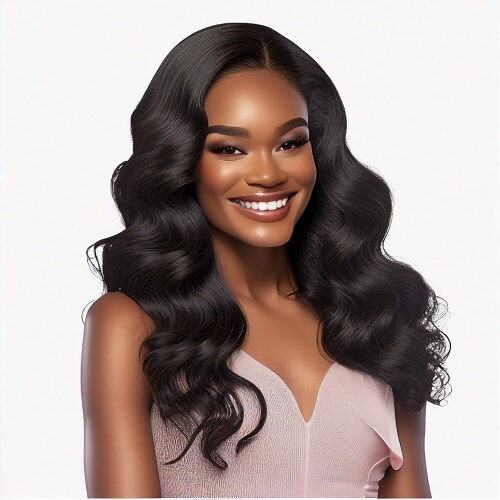
Lace front wigs are not just fashion accessories, they are scientifically designed tools for hair protection. High-quality lace front wigs feature unidirectional cuticle alignment and a protein-rich cortex, ensuring natural luster and tensile strength. Unlike acid-washed synthetics, these wigs maintain follicle integrity and allow safe styling with heat. Adjustable wig straps, proper wig caps, and scalp hydration promote tension-free wear while preventing hair thinning. Medical-grade wigs add breathable fabrics and secure attachments for sensitive scalps affected by treatment-related hair loss, including people dealing with hair loss from chemotherapy.
Why Human Hair Wigs Offer Superior Protection
Human hair wigs provide styling versatility and mimic a range of natural textures and style options like curly, wavy, and straight hair. Dermatologists suggest that scalp health generally improves with wigs that allow airflow, reducing itching and irritation. In my professional experience, clients using lace front wigs report lower stress on hair follicles and longer-lasting scalp comfort compared to synthetic alternatives.
How Tension-Free Application Prevents Follicle Damage
Improper fit can stress hair follicles, leading to hair loss, and one of the main factors in preventing follicle damage is accurate fit. Before choosing attachment methods, measure the head correctly to help ensure comfort and stability. Clinically tested wig attachment methods, such as double-sided tape and adjustable straps, minimize tension. Pairing these with a properly prepared base, braids, cornrows, or a wig cap, prevents pulling on your hair and encourages healthy regrowth. Experts agree that regular breaks from wig wear further protect hair follicles.
Selecting the Right Wig for Hair Loss
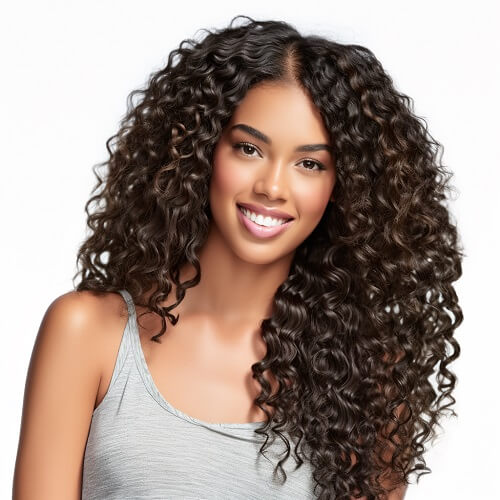
Choosing a wig involves more than aesthetics. Most hair professionals recommend matching hair texture, density, and color to your hair for a seamless blend, and lace front options are available for women across a range of needs and price points, including budget-conscious medical wig shoppers. For temporary or permanent hair loss, consider a medical wig, designed with soft, breathable materials, adjustable straps, and secure attachments to keep the scalp comfortable while maintaining a natural appearance, with customization of color, cut, and texture helping improve the final match and comfort.
Maintenance and Care for Lasting Quality
Routine care ensures wig longevity and natural look. Wash with sulfate-free products and apply conditioner from mid-length to ends, detangle gently, and use heat protectant sprays when styling. Avoid tight adhesives or clips that strain hair follicles. For styling versatility, use low-heat tools and limit chemical treatments. A gentle routine maintains both wig quality and scalp health. A stylist can help preserve the wig’s natural look and extend its life.
Comparison Matrix: Lace Front Wigs vs Alternatives
| Feature | Human Hair Lace Front Wig | Synthetic Wig | Medical Wig |
|---|---|---|---|
| Realism | High | Moderate | High with skin-like finishes |
| Styling Flexibility | Curl, straighten, dye | Limited | Curl, straighten |
| coverage | Full | Partial | Full |
| Tension on Follicles | Low (adjustable straps) | Moderate | Minimal |
| Breathability | Moderate | Low | High |
| Longevity | 12–24 months | 6–12 months | 12–24 months |
| Scalp Comfort | Moderate | Low | High with skin-friendly construction |
Wealthy Hair Maintenance Protocol
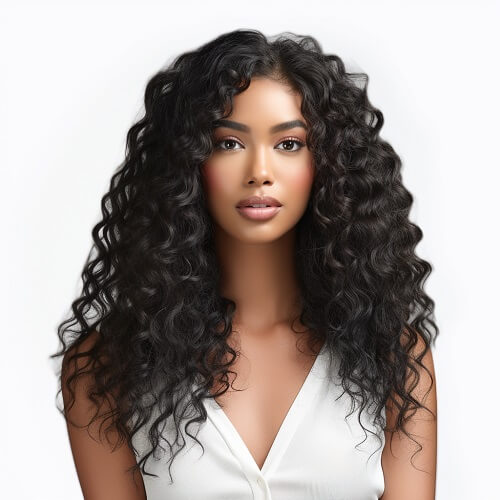
Wash wig with sulfate-free shampoo every 7–10 days to support easy wear for day-to-day use.
Condition using a gentle, protein-enriched conditioner.
Detangle from ends to roots with a wide-tooth comb.
Apply heat protectant spray before styling; maintain tool temperature below 350°F.
Remove excess lace with precision scissors, being careful to preserve a natural hairline, and adjust wig straps for a tension-free fit.
Store wig on a mannequin head to maintain shape and prevent tangling.
Give natural hair regular breaks and scalp hydration with leave-in treatments.
The Wealthy Hair Quality Standard
At Wealthy Hair, we prioritize donor integrity, cuticle alignment, and ethical sourcing. Our human hair wigs undergo stringent quality control, ensuring tensile strength, natural luster, and durability. The collection includes a range of options with customization support for fit, color, and texture. Certified experts recommend our products for safe, long-lasting wear. Every wig reflects evidence-based techniques to protect hair follicles while offering styling versatility and scalp comfort.
People Also Ask
How to Prevent Hair Loss While Wearing Lace Front Wigs?
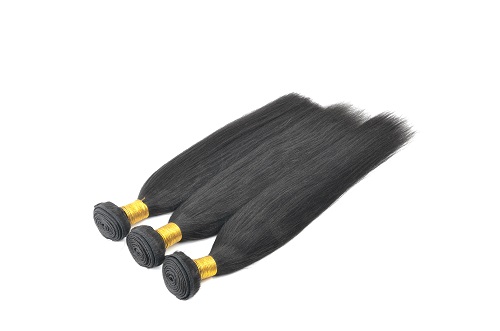
Use a properly fitted wig, secure with adjustable straps, and allow breaks for your hair. Reducing tension protects hair follicles. Wealthy Hair recommends pairing with scalp-nourishing products.
Best Practices for Maintaining Healthy Hair Under Wigs?
Wash and condition your hair regularly, use gentle styling, and ensure scalp airflow. Proper care prevents thinning. Protective braid-downs or wig caps enhance hair health.
What Causes Hair Thinning from Lace Front Wigs?
Thinning is often caused by tension, poor fit, or infrequent scalp care. Continuous pulling stresses follicles. Opt for tension-free wigs and break intervals.
How to Choose the Right Wig for Hair Loss?
Select wigs that match your hair texture and density. Human hair wigs offer realistic styling. Wealthy Hair ensures cuticle-aligned hair for longevity. Toppers work well for targeted coverage, but a full wig is usually the better choice when hair loss extends beyond one area.
Worried about the quality of your lace front wigs? Confidently verify the quality of your lace front wigs with this guide: Three Essential Tests to Confirm Your Lace Front Wigs Are 100% Human Hair.
How to Protect Hair Follicles with Wigs?
Avoid tight adhesives and heavy styling. Scalp-friendly attachments reduce stress. Use breathable medical wigs for sensitive scalps.
How to Apply Lace Front Wigs Without Damaging Hair?
Prepare hair with braids or wig caps. Apply tape or straps gently. Trim excess lace and secure fit for minimal follicle tension.
Tips for Wig Care and Scalp Health?
Regular cleansing, gentle detangling, and heat protection maintain both wig and hair health. Sulfate-free shampoos support longevity. Follow a maintenance schedule for best results.
How Often Should You Wash a Lace Front Wig?
Wash every 10–14 days, depending on use and activity. Gentle handling preserves fibers. Proper cleaning reduces scalp irritation.
How to Secure a Lace Front Wig Comfortably?
Use adjustable straps, wig grips, or mild adhesives, since a proper fit helps the lace blend more naturally against the skin. Avoid tight clips. Ensure wig sits naturally for all-day comfort.
How to Style Wigs Without Stressing Natural Hair?
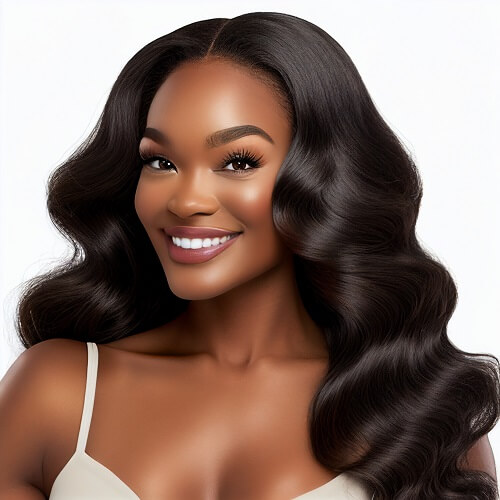
Match wig texture to natural hair. Use protective styles underneath and low-heat tools. Heat protectants safeguard fibers and scalp.
How Can Wigs Help Restore Confidence During Hair Loss?
Wigs for alopecia or partial hair loss can matter because hair loss often feels deeply personal, helping individuals regain confidence and express their personal style. Many people feel as if a part of their identity is missing when hair loss occurs, and a well-fitted wig can help restore a sense of normal daily life. Full wigs with adjustable straps and breathable caps allow for comfort and ease, making daily wear more enjoyable even with serious hair loss.
Why Is Choosing the Right Wig Cap Important?
The base or cap of a wig determines comfort and natural appearance. Breathable caps with adjustable straps ensure the wig stays secure, reduces irritation, and supports healthy scalp conditions for both partial and full wig users.
How Does Hair Loss Affect Self-Image and Identity?
Hair loss can impact self-esteem and emotional well-being as many people navigate a visible change in appearance and self-image. Wigs for alopecia provide a stylish solution, helping individuals reconnect with their identity while maintaining confidence in social and professional settings, which can be especially difficult for women.
What Should I Consider for Daily Comfortable Wig Wear?
Comfort is essential for long-term wear. Look for wigs with breathable caps, adjustable straps, and lightweight, easy wear designs that reduce the need for constant adjustments during the day. Properly fitted full wigs can be worn daily without constant adjustments, even for those experiencing severe hair loss.
How Do Wigs Support Style and Personal Expression?
Wigs for alopecia or partial hair loss allow for creative expression without stressing remaining natural hair. Full wigs with breathable caps and adjustable straps provide versatility for different looks while ensuring comfort and scalp health. When thinning is limited, some people choose toppers to add volume before a full wig feels necessary.
Are There Options for Severe Hair Loss That Feel Natural?
Yes, full wigs designed for severe hair loss often feature breathable caps and adjustable straps for a secure, natural fit. These wigs help individuals maintain their style and confidence without compromising comfort.
Interested in how lace front wigs became popular? read our guide about The History of Lace Front Wigs and Wigs in General to find out everything you need to know about their evolution.
Ready to invest in a high-quality lace front wig? Discover the top places to buy quality lace front wigs with this comprehensive buyer’s guide: Where to Buy Quality Lace Front Wigs: A Curated Buyer’s Guide.
References & Professional Standards
Wealthy Hair Internal Research: Cuticle-Aligned Human Hair Efficacy, 2024
International Association of Trichologists, Scalp & Wig Guidelines, 2023
Dermatology Times, Human Hair Wig Safety Studies, 2022
Hair Industry Sourcing Standards, Ethical Donor Practices, 2023
Clinically Tested Wig Attachment Methods, Journal of Cosmetic Dermatology, 2021

